WESTSTERN CELEBRATES: NRW´S ART ASSOCIATIONS
The WESTSTERN Förderpreis 2026 recognises the work of art associations across North…



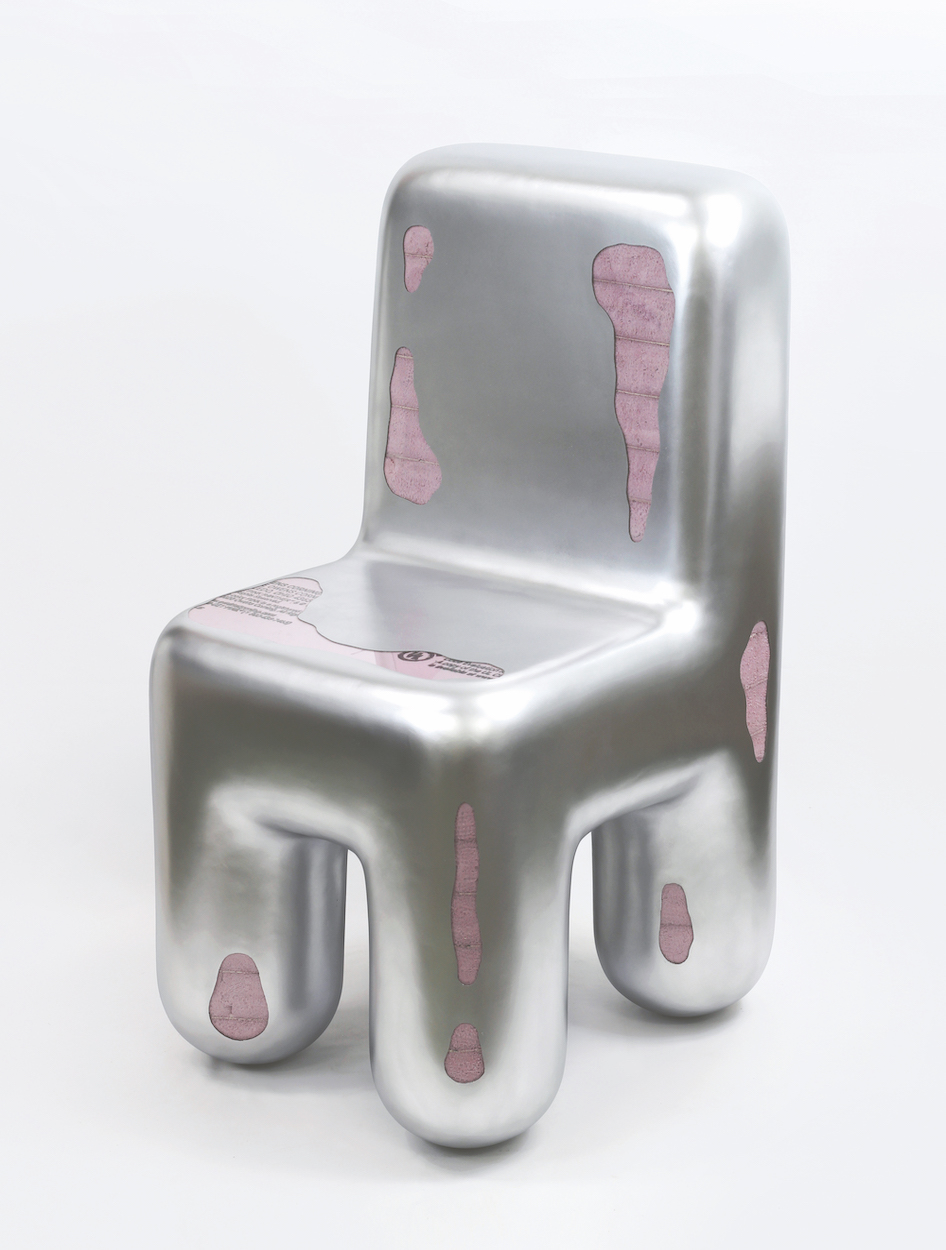
Whether we are enjoying some breakfast, waiting for an appointment, or just look at them as a piece of design, there’s almost no other object that keeps us as much company as the chair.
Dating back to at least 5000 years, with the earliest records in Egyptian tomb paintings and ancient Greek art, they have been around in all different forms, shapes and definitions. Originally serving as a symbol of leadership in the form of pompous thrones, chairs were reserved for people in positions of power before finding their way to the public in the 16th century.
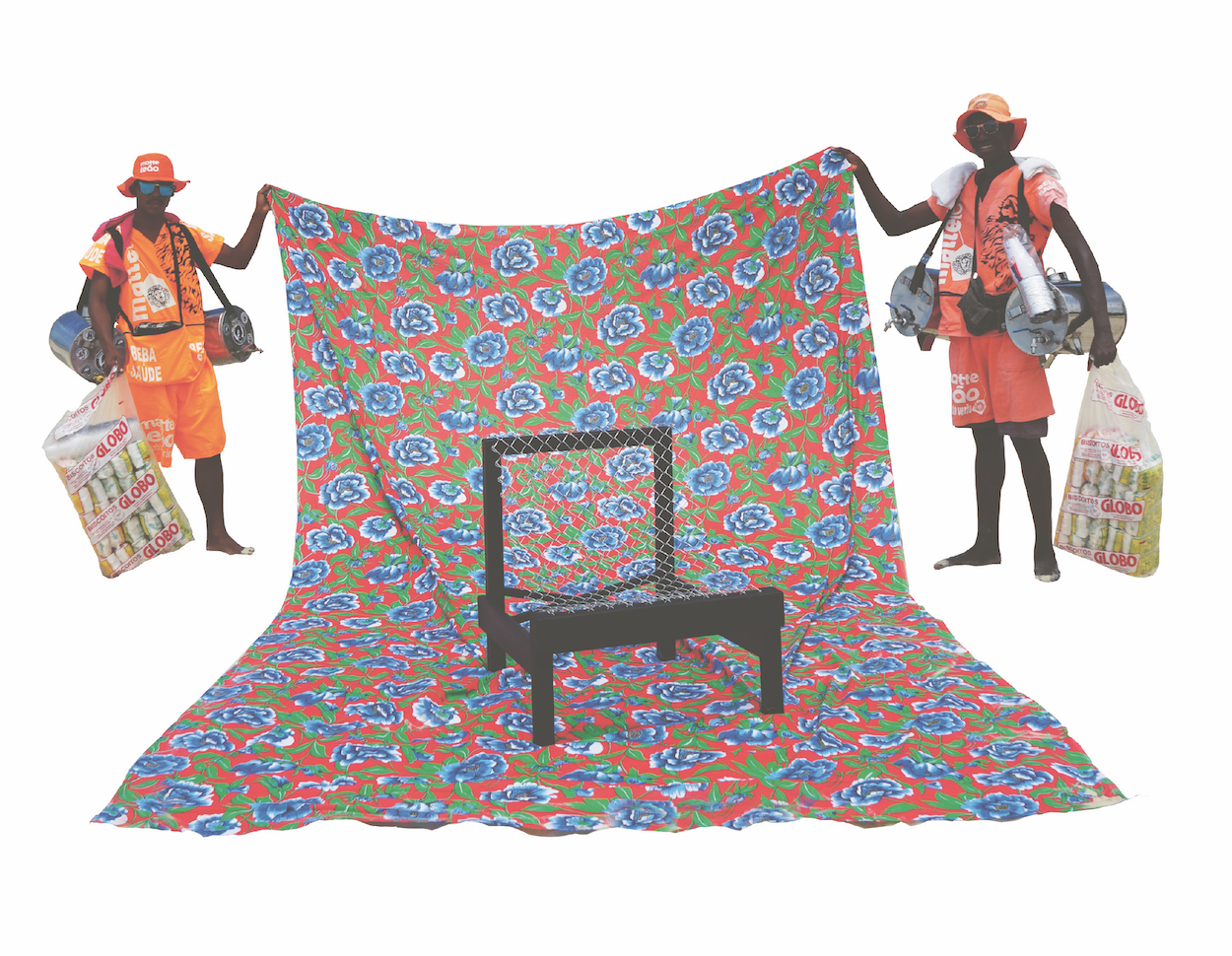
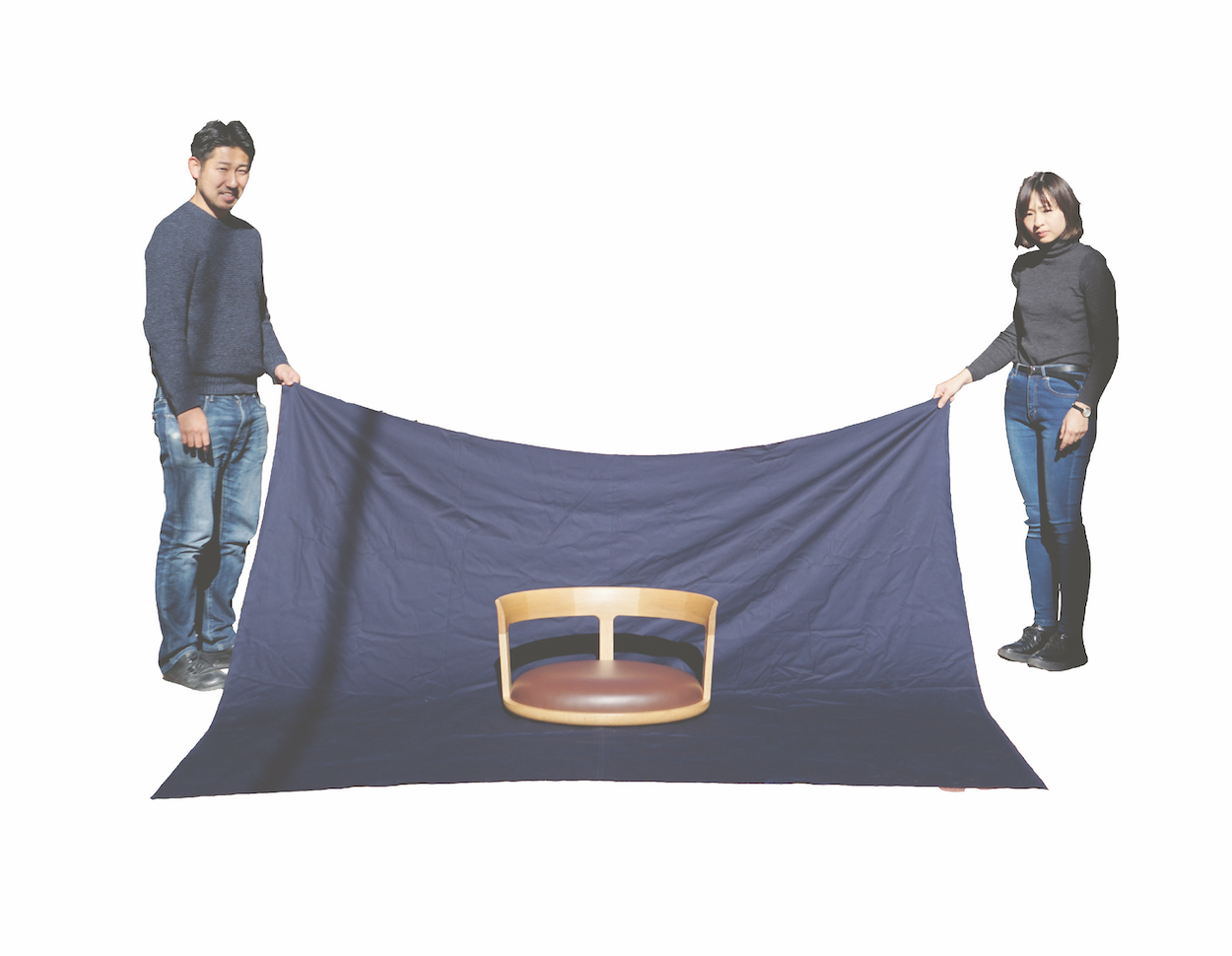
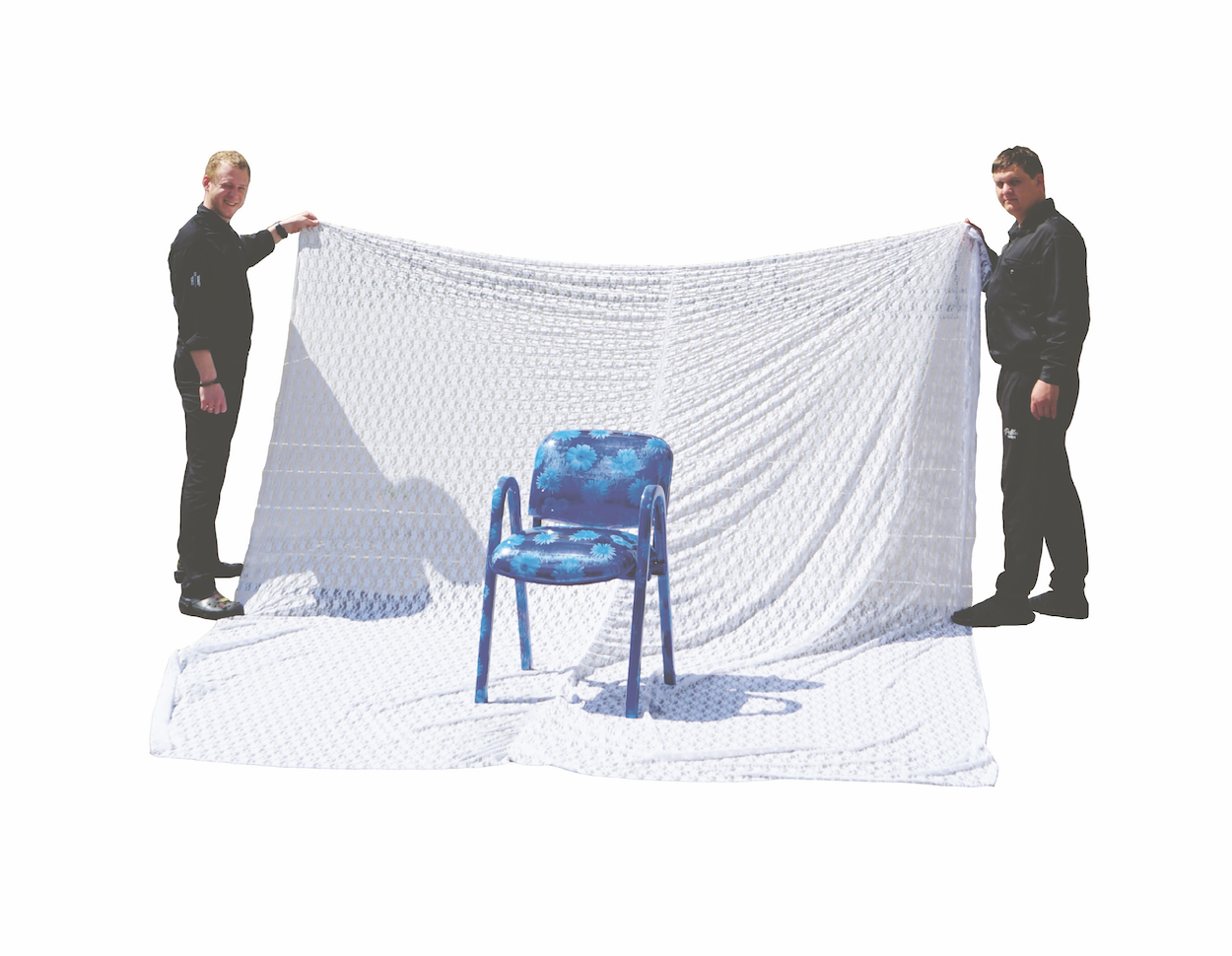
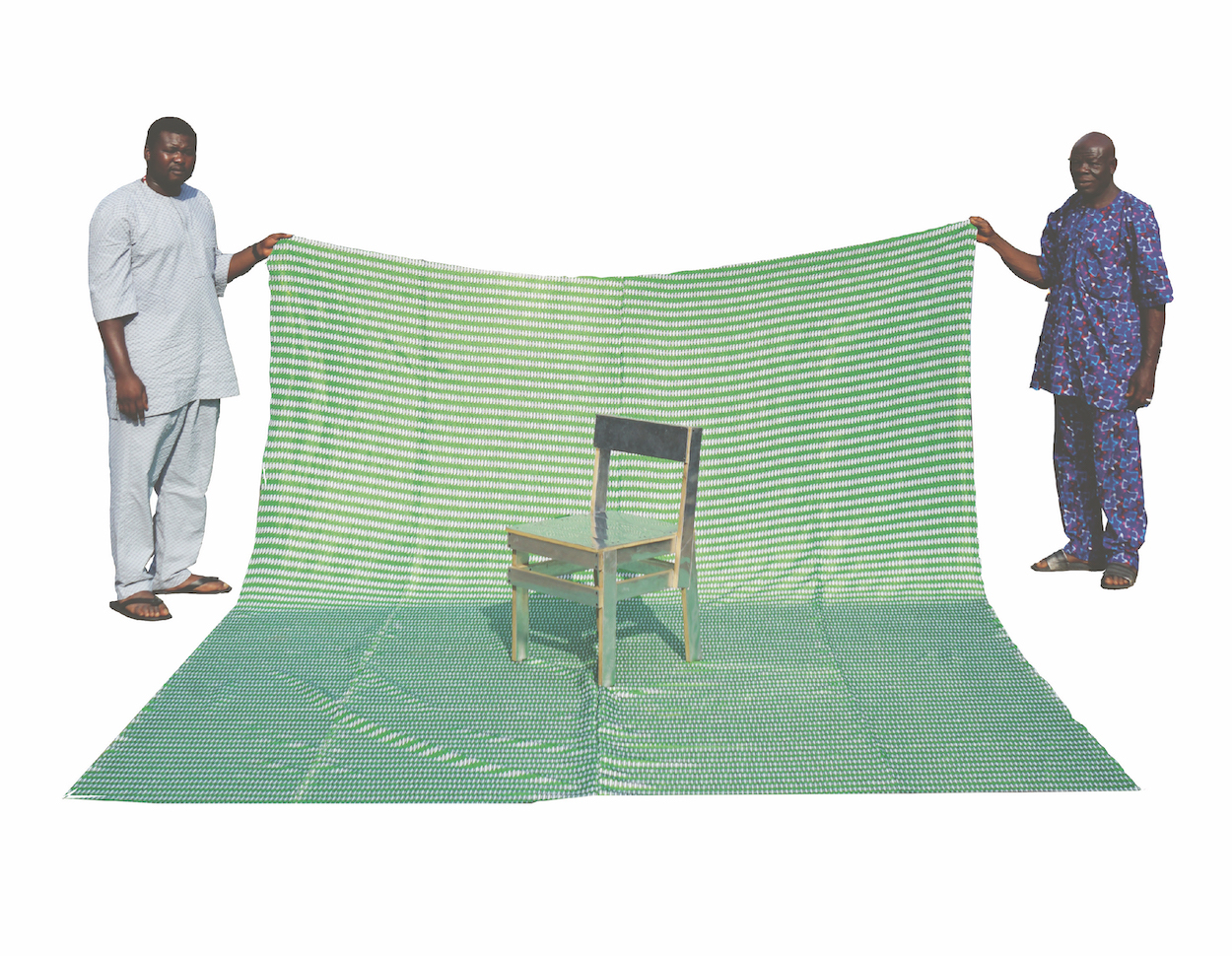
Today, when we think about chairs, iconic names like Eames or Thonet pop up. And yet, the most widely used version on the planet is another one: the infamous Monobloc plastic chair. While most of us connect the stackable, lightweight creation by Canadian D.C. Simpson to outdoorsy adventures like garden parties, there are other multifunctional purposes around the world. “The Monobloc can be an expensive and valuable sign of status at weddings and funerals in Nigeria, while representing an option to avoid in China because of their cheap price,” says Sicilian designer Matteo Guarnaccia, who traveled the world for his research project turned book, Cross Cultural Chairs.
Interested in the sociocultural differences analyzed through chairs and ways of sitting, he visited the eight most populated countries in the world to collaborate with local creatives on designing and producing chairs that represent their culture. “The aim of the research comes from a sense of loss of identity that pushed me to focus on what is left of local cultures and traditions,” he explains, trying to understand what happens to design in such a globalized context. “I feel that my generation is wearing the same shoes, watching the same movies, and dancing to the same music across the globe.”
What is a no-man’s land for some is an endless creative outlet for others. No matter how simple a chair might look at first glance, it’s in fact a very complex design object with multiple meanings, associations and hopes. Here, sculptural furniture designer Joyce Lin and contemporary art curator Joe Horner explain how a strong devotion to a single object can turn into a shared passion.
Joyce Lin, “The Material Wizard”
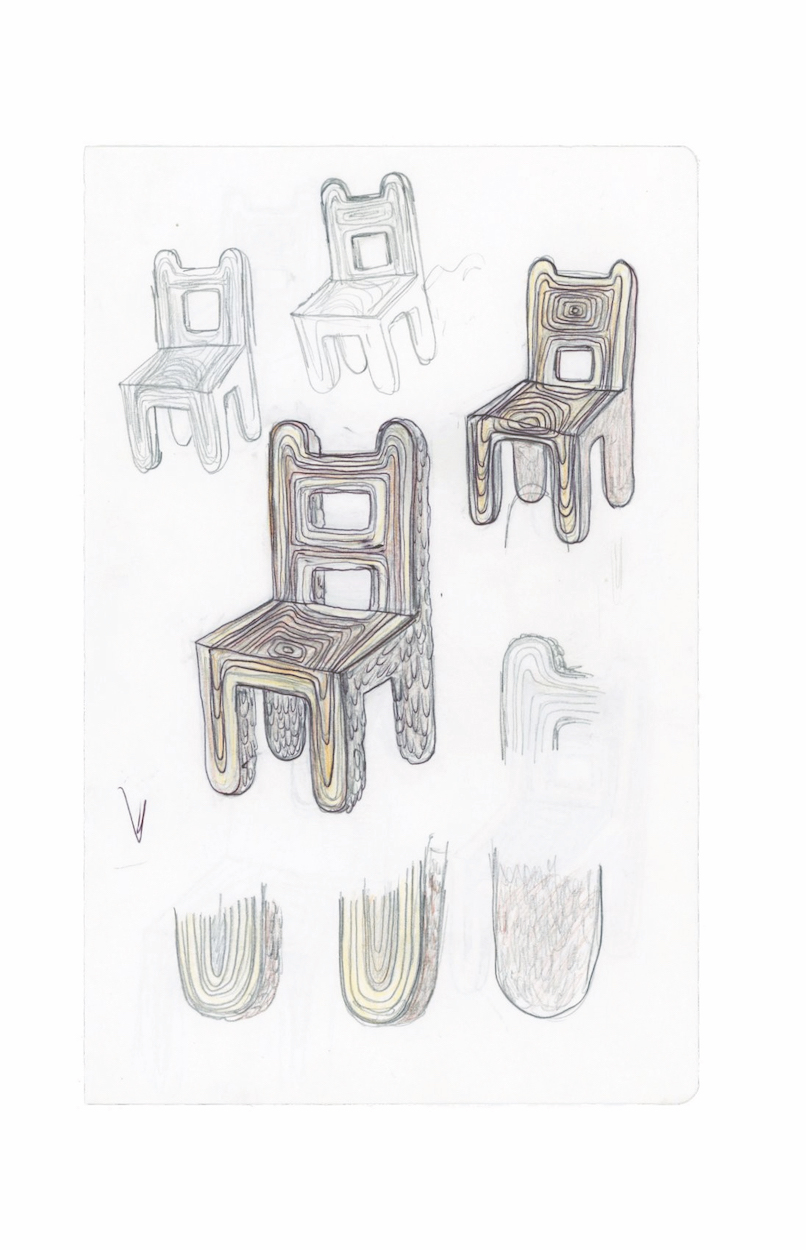
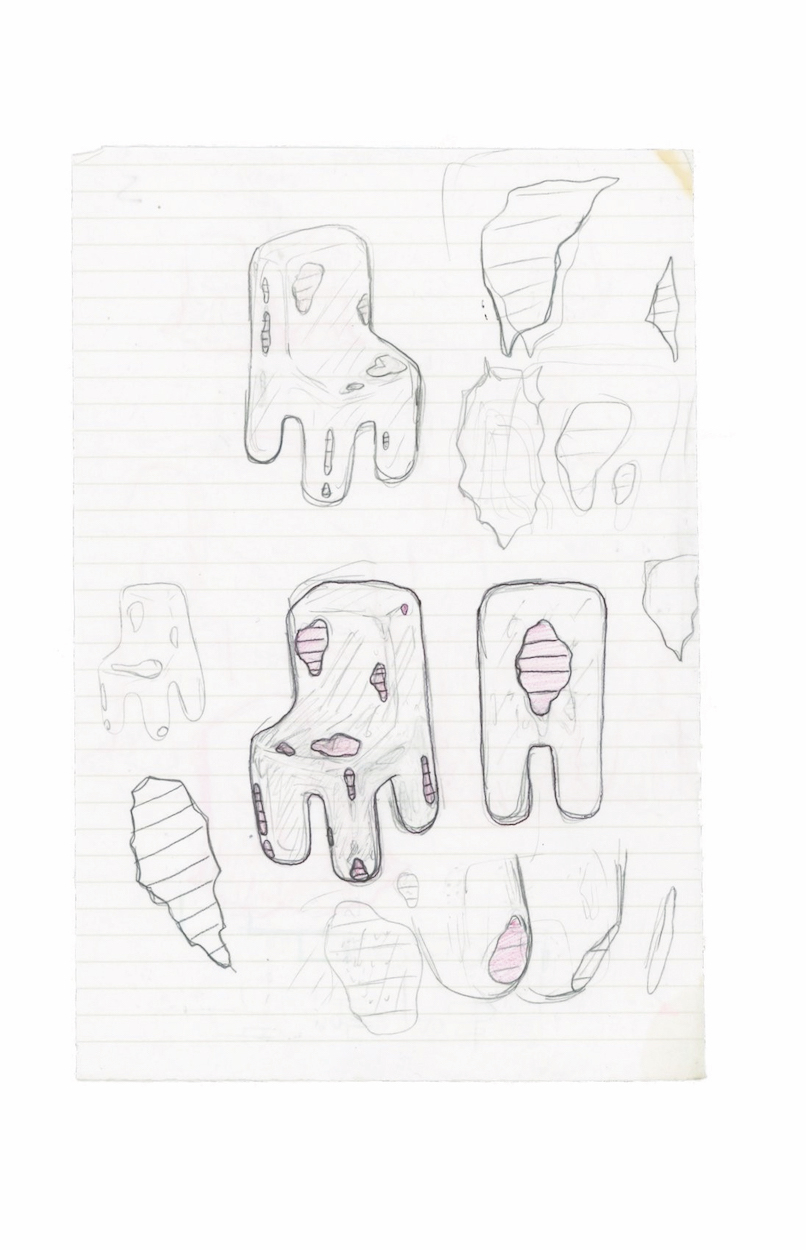
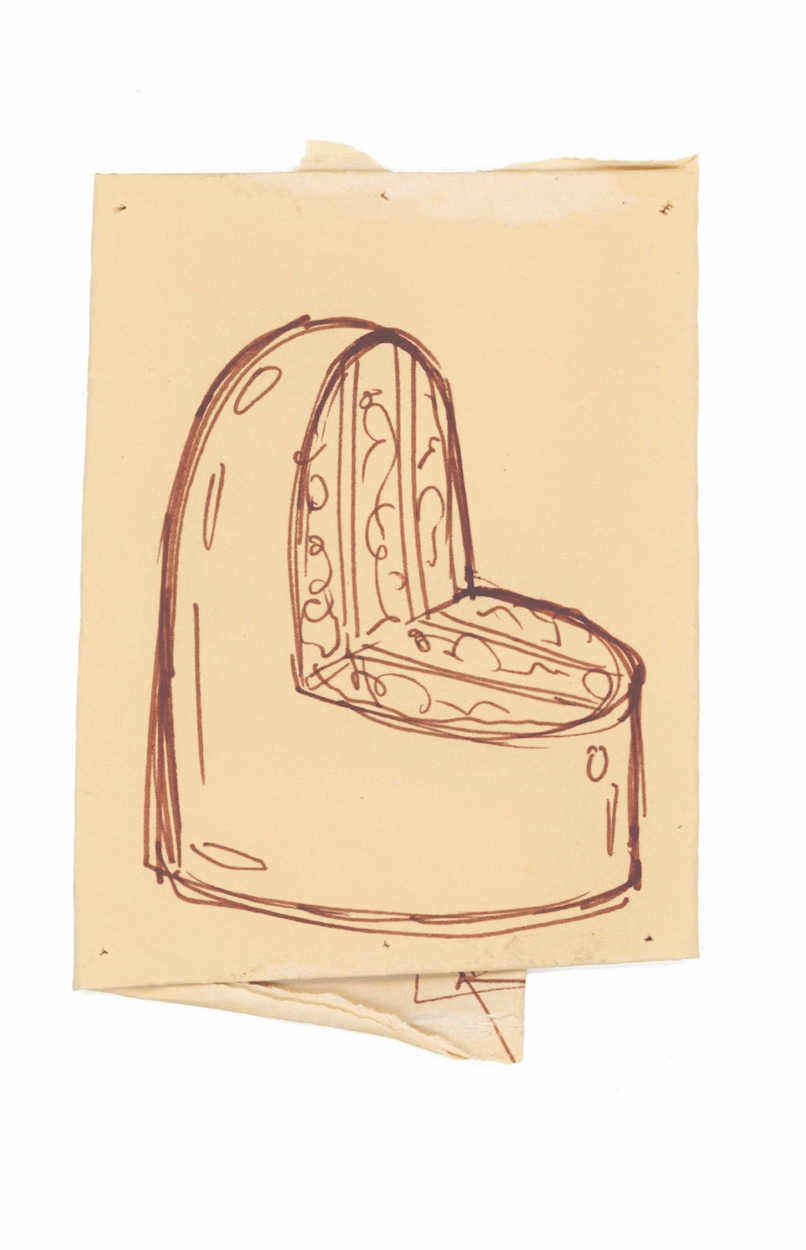
In Joyce Lin’s world of chairs, nothing is as it seems. It often makes you second-guess, wondering if what you see is real. While some of her works almost feel like a delicious dessert, others keep dazzling you with their shiny surfaces. They are all functional artworks designed with meticulous precision. There might not be such a thing as perfection, and yet, you won’t find a single detail the slightest bit off. Once you learn that some of her wooden creations are mesmerizing lookalikes due to material limitations, you would rather inspect them from every angle than take a seat.
“I always thought I’m going to be a fine artist until I realized I have a knack for 3D thinking in design, too,” explains the Houston-based sculptural furniture designer. Her strong desire to combine art and science led her to recontextualize her kinetic ideas, followed by a dual degree in Geology and Furniture Design. “I love to learn about my environment,” she continues, pointing out nature as a ubiquitous source of inspiration. “A tree is just a tree until you learn what it actually does for the ecosystem; it becomes so much cooler.”
When Lin isn’t busy experimenting in her studio cave, she’s nerding out about material literacy and natural phenomena like fasciation, the malformation of plants. Here, she talks about how the nature of making is changing through technology and why timing is everything.
Joyce Lin: I think everything’s driven by passion. Furniture design, specifically chairs, is a really difficult field to be in. It’s probably the same for anything three-dimensional on a human scale that has to function. It’s physically taxing as well; these objects are really heavy. When I see the work that is produced out there, the only way that this could come into being is through passion. You really want this to exist.
In the past, when you think about furniture, you think about fine woodworking, which is a lot about rules––things you can and cannot do. It’s highly technical, and you’re spending decades trying to master the craft. Whereas now, you see the rise of different kinds of materials like fiberglass and technologies like CNC routing and 3D printing. I think the changes in technology have made it so much more accessible to build good furniture pieces.
The chair is like a scaffold for my ideas.
Perception changes with how much you know about material.
I can’t have one without the other; that’s actually very hard to achieve. Material has to evoke a concept, and vice versa, the concept has to evoke material. If they don’t have that synergy, then the piece falls apart, for me.
Joe Horner, “The Contemporary Curator”
There are thousands of curated design and art platforms online, but this one hits different. Instead of seeing the same kind of works in different contexts, you fall down a rabbit hole, which gets weirder with every scroll. You’ll find yourself somewhere between Monobloc chairs with a scythe attached, a sea of black trash bags, and Anna Uddenberg’s infamous Continental Breakfast Chair breaking the internet. “Art As Chairs,” as its name already implies, feels like an endless exhibition catalog curated by Detroit-based artist Joe Horner.
“If you live in a major city, there is plenty of contemporary art to cut your teeth on, but I didn’t visit art museums until I was in my 20s,” he explains, sometimes feeling like a literal outsider. For him, the idea of the “life-changing, visceral experience” of art didn’t happen in an exhibition context, but in everyday objects or by simply walking down the street. Even though Horner ended up getting a degree in Fine Arts, he strongly believes that what makes you unique as an artist are the things you teach yourself.
In a way, the internet turned into his holy grail of knowledge and connected him with fellow creatives sharing a similar obscure taste in art, chairs and everything in between. Here, he untangles why the ordinary is often the most exciting, and why most of the work he features is just the tip of the iceberg.
I’m interested in having a different conversation than someone else who’s a curator of design.
It’s a place where the most unsellable and the most sell-out thing an artist can do exists in the same space.
The WESTSTERN Förderpreis 2026 recognises the work of art associations across North…
The artist who contributed the Czech half of this year's “Czecho-Slovakian” Pavilion…

In Subterraneans, Czech artist Jakub Jansa brings his surreal world of human-vegetable…