
In 1897, British troops invaded and looted the royal palace of Benin — an act that marked the violent end of the Benin Kingdom and its forced absorption into colonial Nigeria. Among the stolen artefacts: a wooden ancestral altar — less famous than the bronzes, but no less vital. It remains in Europe. Its absence marks an ongoing battle: for recognition, for restitution, for space to speak — and for the return of ritual objects whose presence is essential to restoring spiritual balance. Today, artists across the African continent are no longer just reclaiming history — they are actively building futures. Infrastructure is emerging. Narratives are shifting. One of the people who has helped shape this shift is Mandla Sibeko. An entrepreneur, curator, and founder of FNB Art Joburg — Africa’s longest-running art fair — Sibeko has played a pivotal role in establishing Johannesburg as a cultural epicenter. Through his investment firm, Seed Capital Ventures, he champions emerging artists and creative infrastructure with a long-term vision. His mission: to create platforms where African perspectives are not only visible, but central. This selection of ten artist voices put together by Mandla Sibeko doesn’t merely join the global conversation — it reframes it.

Thenjiwe Niki Nkosi
Thenjiwe Niki Nkosi works across painting, performance, and collaborative engagement. Her practice draws on both personal biography and collective memory to trace the afterlives of imperial histories and their imprint on identity, belonging, and social structure.
Alternating between solitary studio work and participatory formats, Nkosi investigates how political realities shape everyday experience. Her paintings often adopt a restrained visual language — calm surfaces that carry the weight of inherited conflict. Themes of power, resistance, and futurity run through her work, not as motifs, but as conditions to be negotiated.
Serge Alain Nitegeka
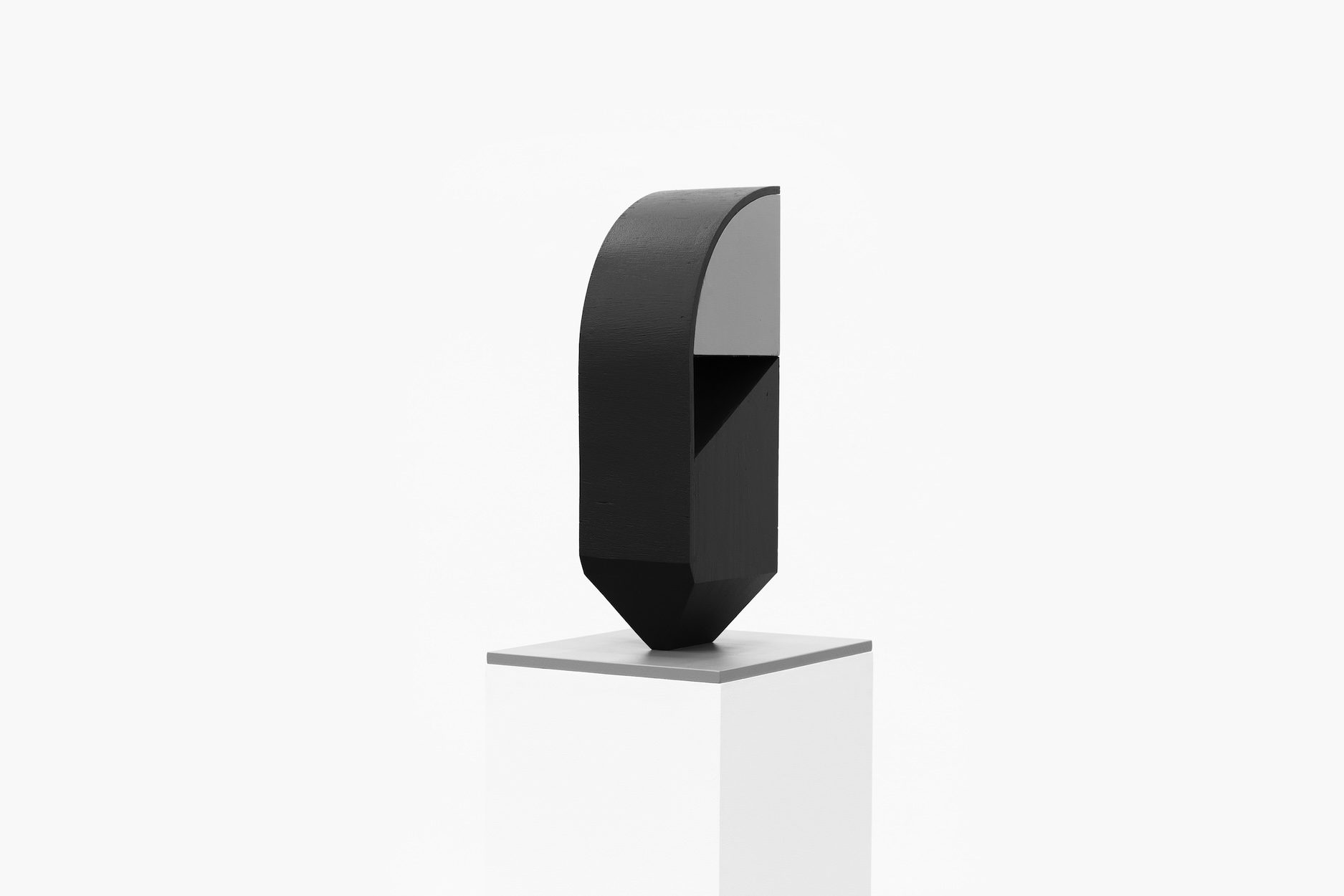
Based in Johannesburg, Serge Alain Nitegeka works across sculpture, painting, installation, and self-portraiture. His practice is shaped by his own experience of forced migration from Rwanda — a formative rupture that continues to inform his exploration of identity, spatial politics, and the architecture of displacement.
Minimal in form yet conceptually dense, Nitegeka’s works often reflect the rigid geometries of borders, containers, and transit routes — structures that both restrict and define movement. Johannesburg remains a focal point in his visual inquiry. As he puts it: “Everyone is trying to find themselves.” That sense of flux — of becoming within constraint — runs through his practice like a quiet, unresolvable tension.
Mmakgabo Helen Sebidi
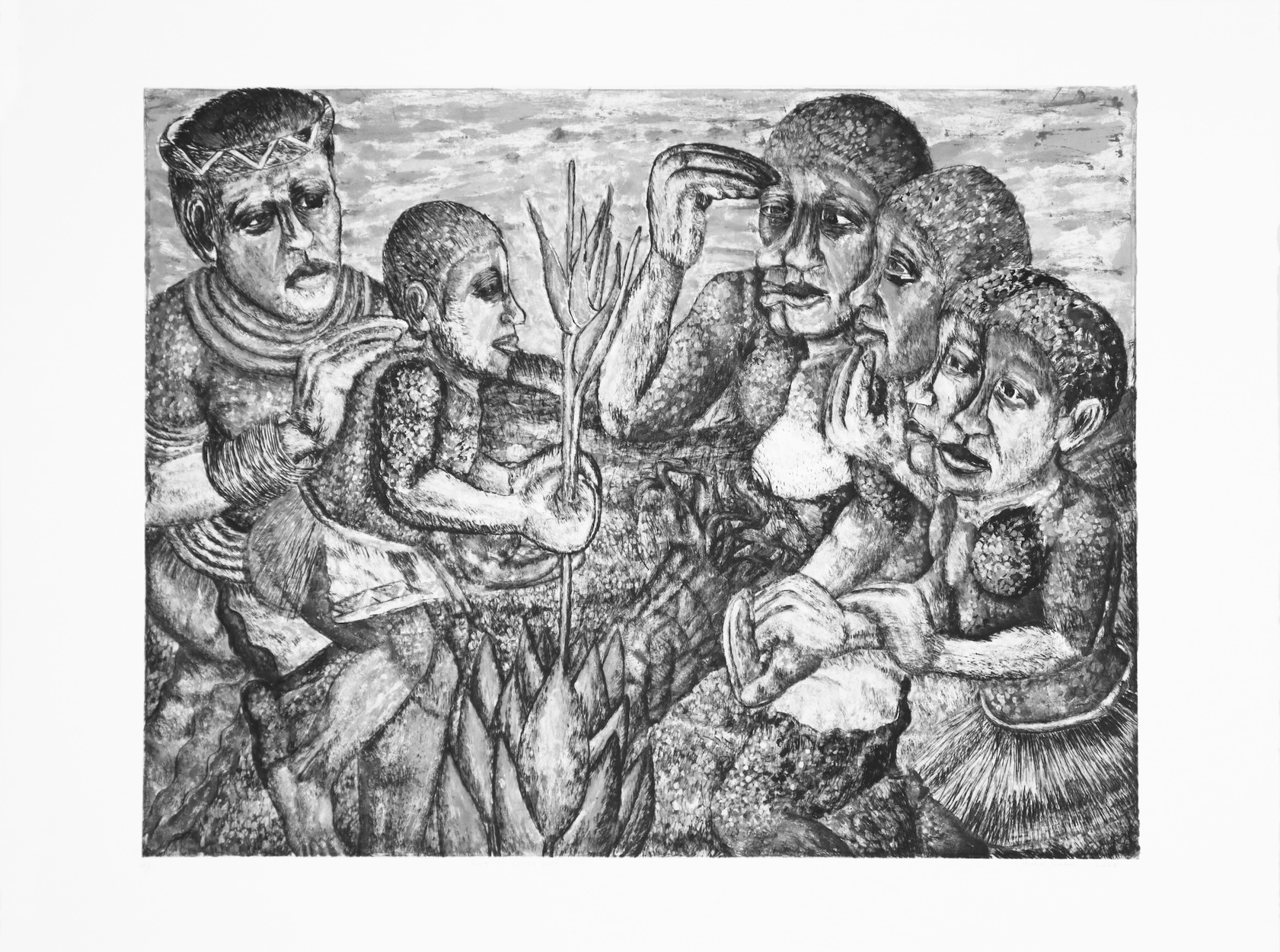
For nearly five decades, Mmakgabo Helen Sebidi has been developing a visual language that fuses thick impasto, gestural drips, and narrative density. Her paintings often stage otherworldly figures — allegorical, layered, and deeply rooted in personal and cultural memory.
Sebidi’s work holds contradictions in tension: celebration and mourning, myth and reality, presence and disappearance. Her canvases don’t illustrate stories — they carry them, like vessels filled with resilience and the residue of struggle. Her legacy is not one of consistency, but of transformation.
Portia Zvavahera
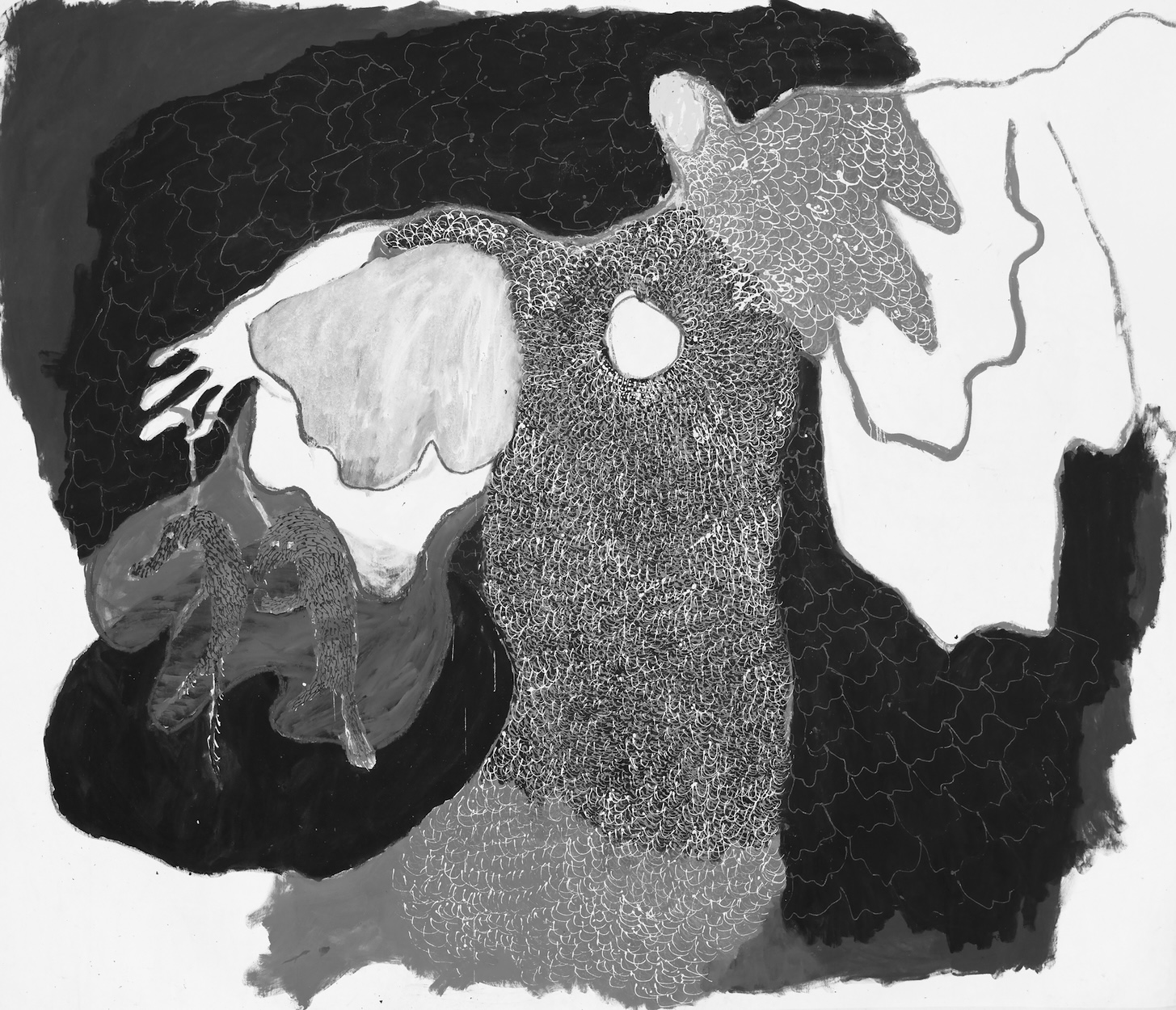
Portia Zvavahera’s practice navigates the liminal spaces between the ancestral, extraterrestrial, schizophrenic, and divine. Her work interrogates themes of condemnation, confession, salvation, and rebirth, exploring spirituality and religion in postcolonial Africa. Using oils, wax, and silk screening on large canvases, she layers gestural ink washes with intricate, intentional linework to conjure otherworldly figures and their ethereal realms.
Her figures are not fixed subjects but manifestations of inner states: guilt, desire, rupture, release. What emerges is a theology of feeling — not systematized, but sensed. Zvavahera paints as if in dialogue with spirits that resist translation.
Donna Kukama
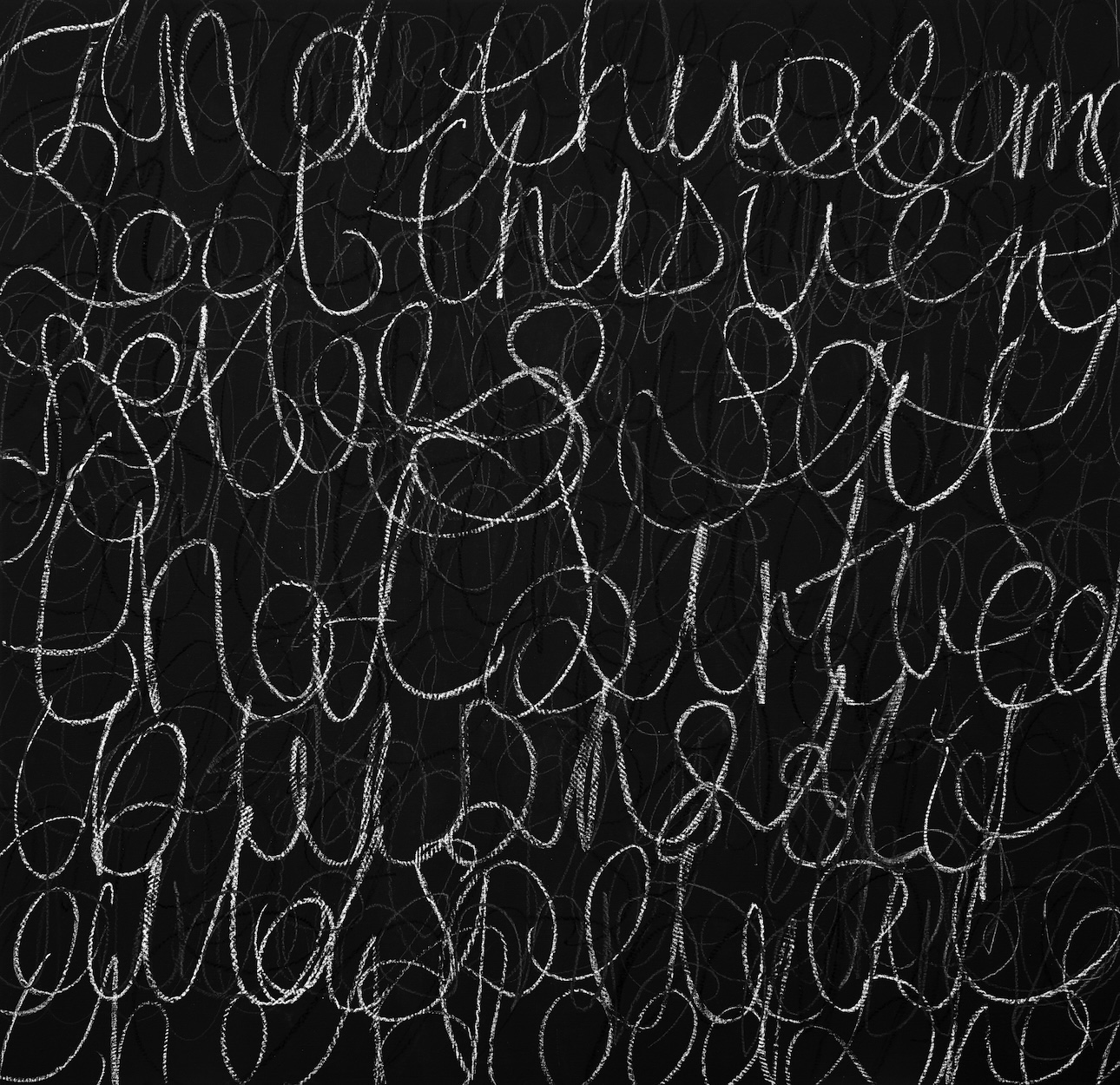
donna Kukama works across performance, sound, video, text, and installation — with a practice defined as much by what is seen as by what resists visibility. In her paintings and spatial works, she uses physical materials such as earth, oil pastel, graphite, and everyday objects. But just as deliberately, she names elements like “courage,” “rhythm,” or “memories” as materials — not metaphorically, but as integral parts of the work.
Her gestures are often temporary, participatory, and charged with political intent. Whether through subtle disruptions or poetic insertions, Kukama challenges how history is recorded — and who gets to speak it. She exposes the structural violence embedded in the ordinary and transforms sites of silence into spaces of insistence, mourning, and reimagining. Her work doesn’t just remember — it refuses to forget.
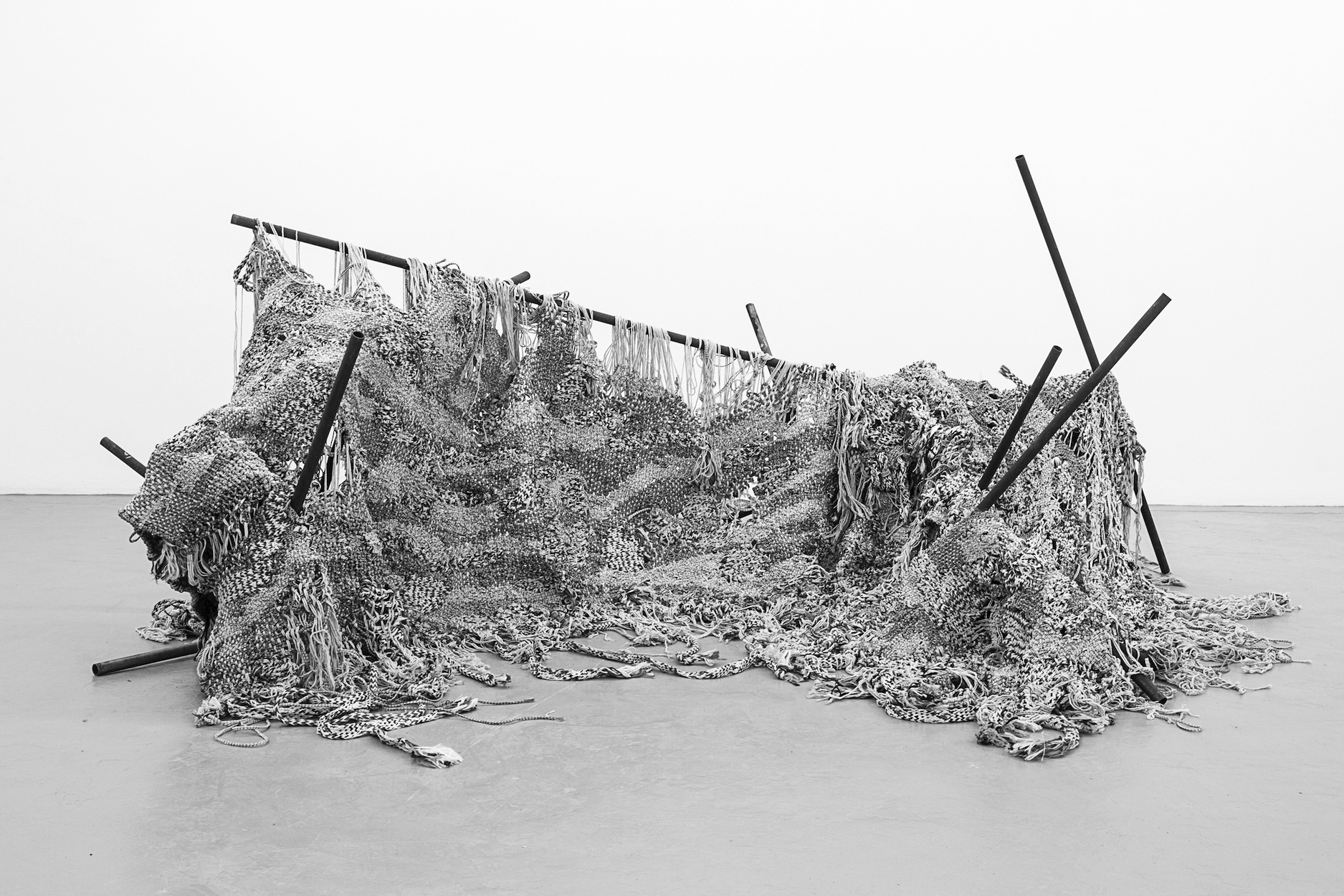
Igshaan Adams
Igshaan Adams weaves with more than thread — he weaves with memory, with contradiction, with longing. Raised in Bonteheuwel, his materials echo the textures of daily life: beads, wire, nylon, cloth. But his real medium is transformation.
Across tapestries, sculptures, and immersive environments, Adams explores the friction between race, sexuality, and Islam. His works are layered — literally and symbolically — often undone as much as they are constructed. They ask what it means to inherit a body, a belief, a border. And what it takes to unravel them.
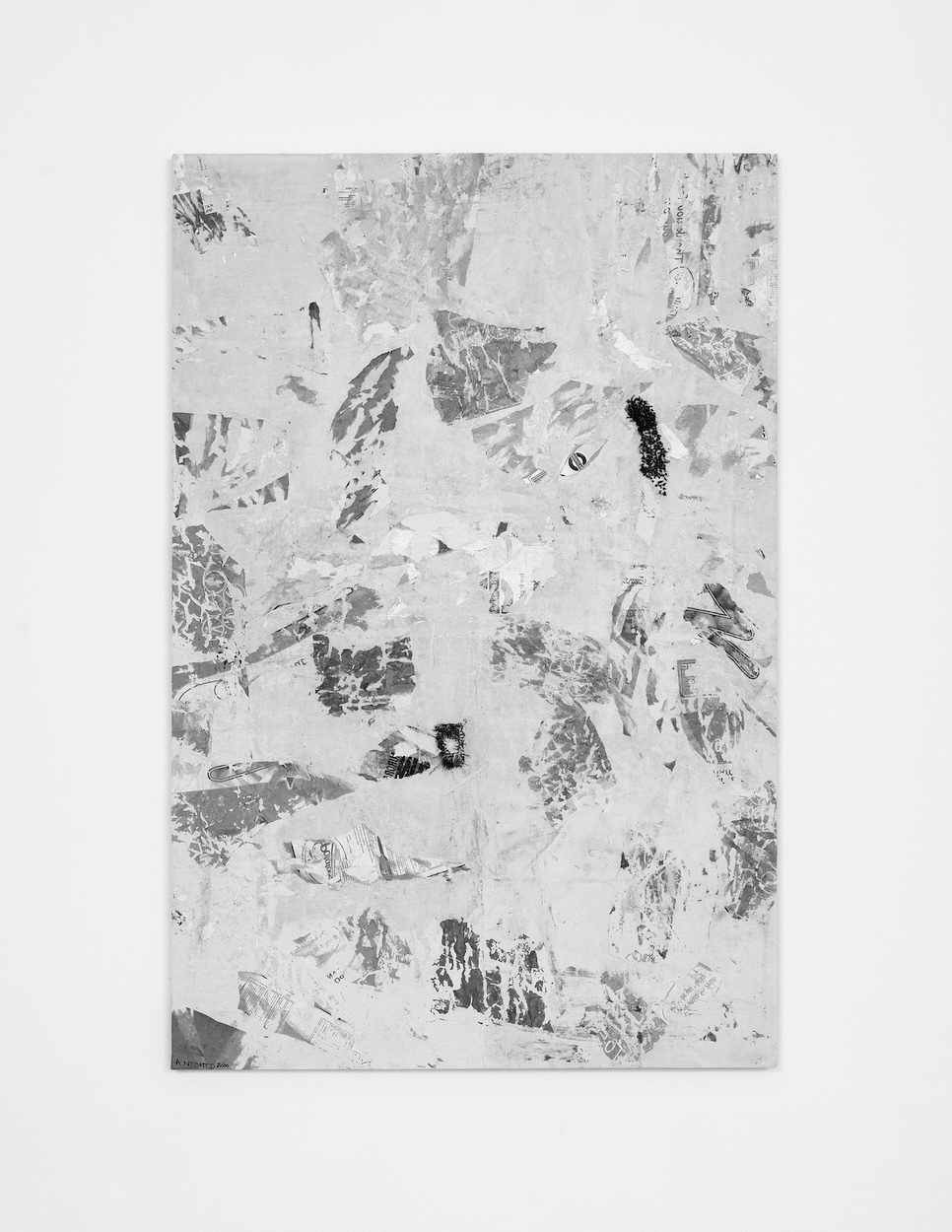
Asemahle Ntlonti
Asemahle Ntlonti works close to the ground — literally and conceptually. Her process unfolds on the floor, where she layers and tears through surfaces of paint, paper, and stitched thread. Each composition feels like a fragment unearthed, shaped as much by erosion as by intention.
Her works carry the material memory of the Eastern Cape: soil tones, fractured textures, the cracked walls of her mother’s homestead. Through gestures of digging and mending, Ntlonti addresses loss not as absence, but as sediment — tracing dispossession, inheritance, and the longing for return. Through an inquiry into isiXhosa heritage, she seeks to reclaim lineage, land, and the knowledge severed by colonial dispossession.
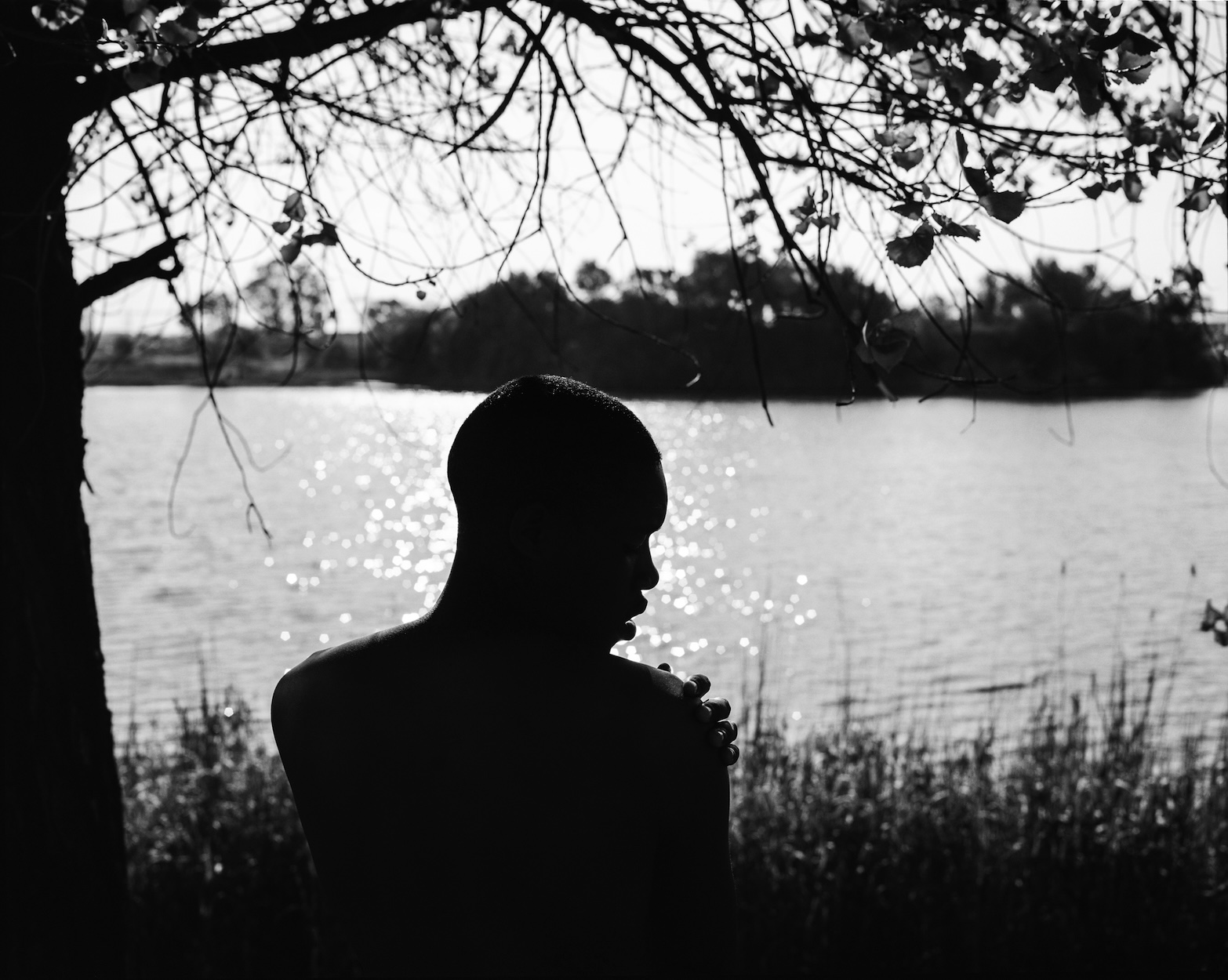
Lindokuhle Sobekwa
To Lindokuhle Sobekwa, photography is not just a medium of documentation, but one of invocation. His images, often suspended between installation and performance, bring absent presences into the frame — people, places, and moments that linger just beyond the visible.
Drawing on a lineage of South African documentary photography, Sobekwa builds a conceptual practice rooted in patience, observation, and return. His camera slows things down. It asks: What do we miss when we think we’ve already seen?
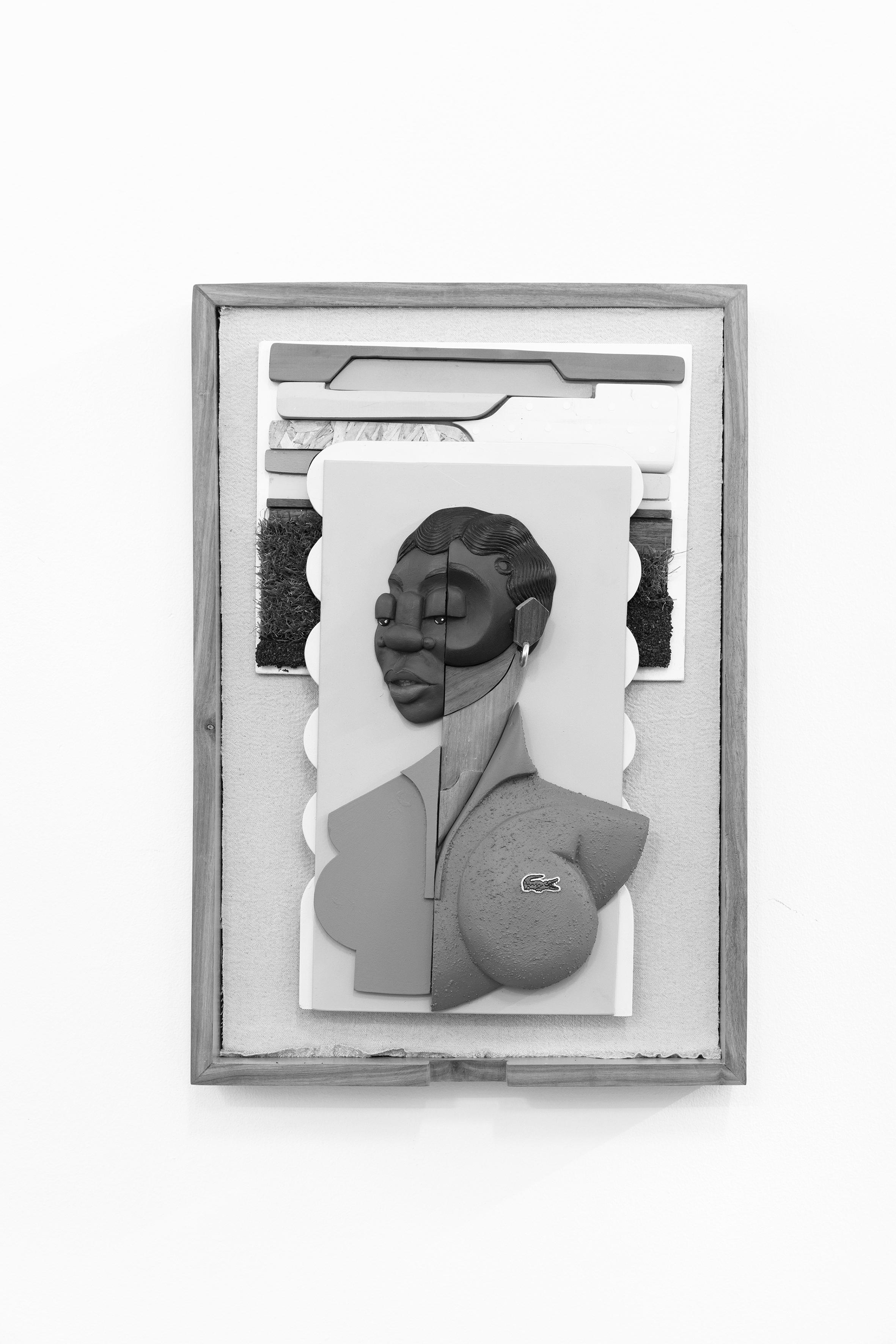
Dada Khanyisa
Scenes from shared flats, weekend rituals, group chats and city sidewalks — these are the environments Dada Khanyisa assembles. Their work moves across painting, sculpture, and found-object installation to tell stories that are both intimate and socially coded.
More than observation, their practice is participation. Through layered, hyper-detailed compositions, Khanyisa captures how identity is negotiated in real time: through gesture, through style, through presence. These are portraits of contemporary life — unfiltered, communal, precise.
Robin Rhode
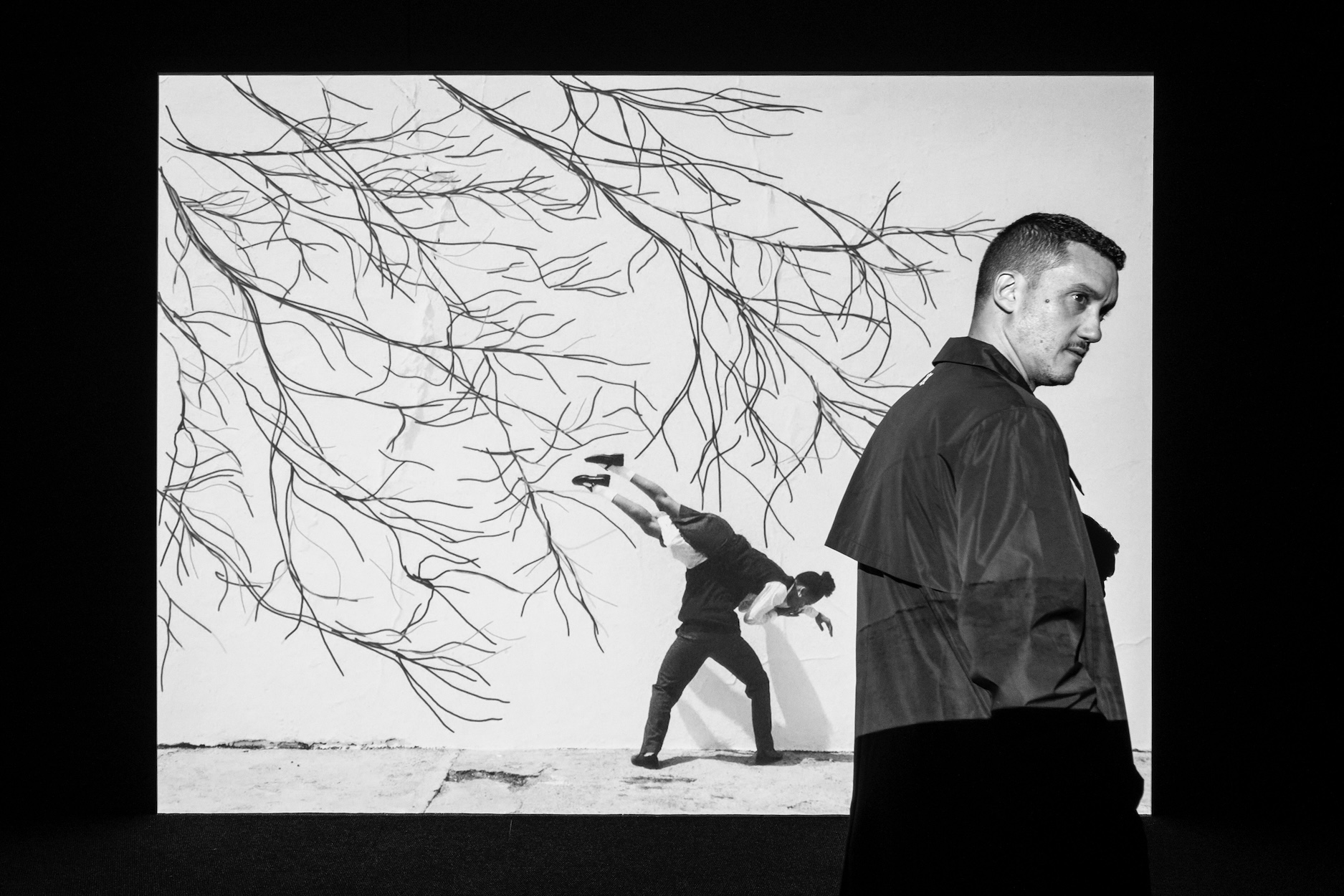
Robin Rhode transforms urban walls into stages for visual performance. Working with drawing, photography, animation, and public intervention, his art unfolds as a sequence of choreographed gestures — often performed directly onto and against city walls.
Raised in Johannesburg and now based in Berlin, Rhode’s early works emerged from post-apartheid South Africa and remain shaped by questions of identity, access, and spatial politics. Using minimal materials — chalk, charcoal, spray paint — he constructs narratives that blend street culture with formal rigor. Whether sketching a piano or a bicycle in motion, his protagonists act out systems of constraint and creativity, turning line into action and repetition into resistance.
ART EXHIBTION – MIDNIGHT ZONE BY JULIAN CHARRIÈRE
Julian Charrière’s 'Midnight Zone' is a profound journey into the ocean's depths.…
“I’VE MISSED OUR CONVERSATIONS” AT SCHLACHTER 151
I’ve Missed Our Conversations examines how artificial intelligence is reshaping emotion…
A LIFE OF PERSISTENCE LYNN HERSHMAN LEESON ON BREAKING BARRIERS FOR WOMEN ARTISTS AND EMBRACINGTECHNOLOGY
LYNN HERSHMAN interviewed by ANIKA MEIER

FIGHT ISSUE VOL. B – BORIS BECKER
Photography by Francis Delacroix
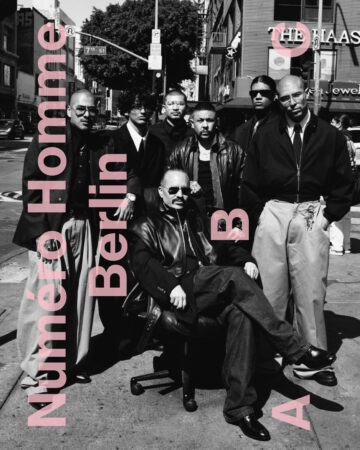
FIGHT ISSUE VOL. B – WILLY CHAVARRIA
Photography by Carlos Jaramillo
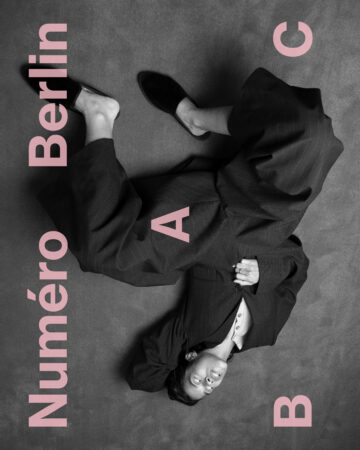
FIGHT ISSUE VOL. A – ASGER CARLSEN
Photography by Asger Carlsen