
MORE HEART WILLY CHAVARRIA: HOW WE LOVE IS WHO WE ARE
Willy Chavarria on love being eternal, and the foundation of his work. The American fashion designer believes that the fight we have to engage in shouldn’t happen in the dark, but rather with beauty, grace and love.

It is 7 PM in Paris when Willy Chavarria—exactly on time—appears on my computer screen.
With his increasingly busy schedule, the 30- to 40-minute interview is a precious gift. Chavarria is in New York, busy preparing for the big Met Gala day, but the stress and pressure don’t seem to faze him. Balanced, grounded, and extremely humble, Chavarria sets the tone of the conversation within the first few seconds, addressing me by name and creating the feeling that we are long-time friends. This one-of-a-kind creative revolutionist grew up in Fresno, California, in a conservative immigrant com-munity, with his father of Mexican descent and his mother of Irish descent. His commitment to celebrating Latinx culture, as well as the impact of immigration on a larger scale and queer culture, originates from witnessing deep layers of structural exclusion.
After spending a decade in New York and working for brands such as Joe Boxer, American Eagle, and Ralph Lauren—where he spent five years designing hip-hop-infused preppy basics—and holding a position as Senior Vice President of Design at Calvin Klein, the 58-year-old founded his label in 2015, connecting ideas of community, fashion, and political activism in the most innovative and exciting ways. What started with his passion for nightlife in the mid-1990s in San Francisco was refined by his experiences in the fashion world, elevating his raver aesthetic and 90s streetwear designs alongside his firm political values. With his Fall/Winter 2017 collection “Harder,” Chavarria celebrated his breakthrough by referencing activist organizations and civil disobedience.
Chavarria’s social and political messages are holistically interwoven through his work.
His outstanding casting embodies the idea of cultural inclusion and redefines the toxic labels that society keeps on producing. Everything seems fluid in Chavarria’s work—masculinity and femininity, cultural origins, sexual orientations, power, and fragility, as if to say: “We are all one anyway, so let’s celebrate it.” Chavarria creates a look of true humankind, spiced with swagger that is not afraid of softness. Design elements originating from “cholo” wear—big, baggy pants cinched at the waist and bold in color—are examples of how his design aesthetic integrates his childhood memories growing up in a farmworker family. And his activist approach is evident in the staging of his collections, collaborating with organizations like the ACLU to raise funds for increased voter registration efforts or celebrating a moment of unity at his Paris debut.
It has been an incredibly successful time for the cultural visionary, being named CFDA Menswear Designer of the Year for two consecutive years, listed on the 2025 TIME100, debuting at Paris Fashion Week a few months ago, and designing Kendrick Lamar’s Super Bowl capsule collection—just to name a few accomplishments.
A conversation about what propels the designer through everything, how his dream movie would look, and why it is no time to be timid about our beliefs. How we love is who we are.

Well, I think for the first time ever, I’m very interested to see the full expression of all the designers, just know-ing that it will be the first time we see a lot of Black and Brown designers featured on the red carpet. It’ll be a really interesting thing to see.
I’d say, above all, living in a smaller community with simpler values and not a lot of complexities to life. I think I was very inspired by the basic elements of human nature. I was always interested in the aesthetics that people would create and nurture to identify themselves with particular groups or subcultures. I’ve always found this to be fascinating. Also, I loved the way we would take care of our clothes and honor the value of what we owned. Even though people didn’t have much, they took very good care of what they had and expressed their self-identity in a strong and beautiful way. I always found that quite intriguing. As I got older and moved to San Francis-co from a very small town in California, I really embraced the nightlife and the thriving club scene.
Fashion has such a powerful and intimate way of touching people, and it can reach people in so many facets of their lives. I really see it as a way to communicate ideas and ideologies.
I feel there’s an opportunity to communicate the concept of love and being good to one another. I believe it can be done in a way that is not corny but still cool, chic and glamorous. Fashion reminds us of our own value and the value of those around us, emphasizing how important it is to embrace and support one another as humans. I think every brand and every designer has a message in how they pursue their storytelling. The idea that we want to make clothes and sell them because it makes us feel more valuable or more exclusive than others—
I believe that concept is outdated. That is one of the reasons fashion has become incredibly boring. There’s very little to be excited about. Among the fashion elite, there’s a shifting of designers in the top houses, but it’s the same names and the same types of people, and I feel that beyond those few fashion elites attending the shows, there is not much interest. Nobody really cares about that. So it’s almost as if the fashion industry is playing for its own demise.


I think we’re living in a time with no room to be timid about our beliefs. The younger generations understand that if you don’t have a strong point of view, you are simply going to disappear into the background. Unfortu-nately, I think we see many larger companies are afraid to take risks and stand up for human rights. They fear the actions we see from leadership around the world. I think those are the companies that tend to dissolve in-to the background, no matter how big they are. Right now, I believe that all of us working in fashion not only have the ability to create significant change, it’s necessary that we do so, because fashion is always evolving and needs to be exciting and revolutionary to have substance. I believe this is the moment to be revolutionary in speaking about our protection as humans.
I believe we are on our way; I see my team and my brand growing. I don’t see ourselves as having finished our work. I feel like we’re just getting started, and I’m grateful that the messaging we incorporate into our work is embraced. When I started the brand in 2015, my ambition was to stay true to the idea that everything we did would uplift people and speak against some of the injustices happening—especially in the United States at the time. Many discouraged me from taking that approach, fearing it would lead to losing customers and isolating people. But even in that year, I was excited to realize that people do want truth, understanding, and emotional communication. They don’t want to see brands pretend that nothing is going on.
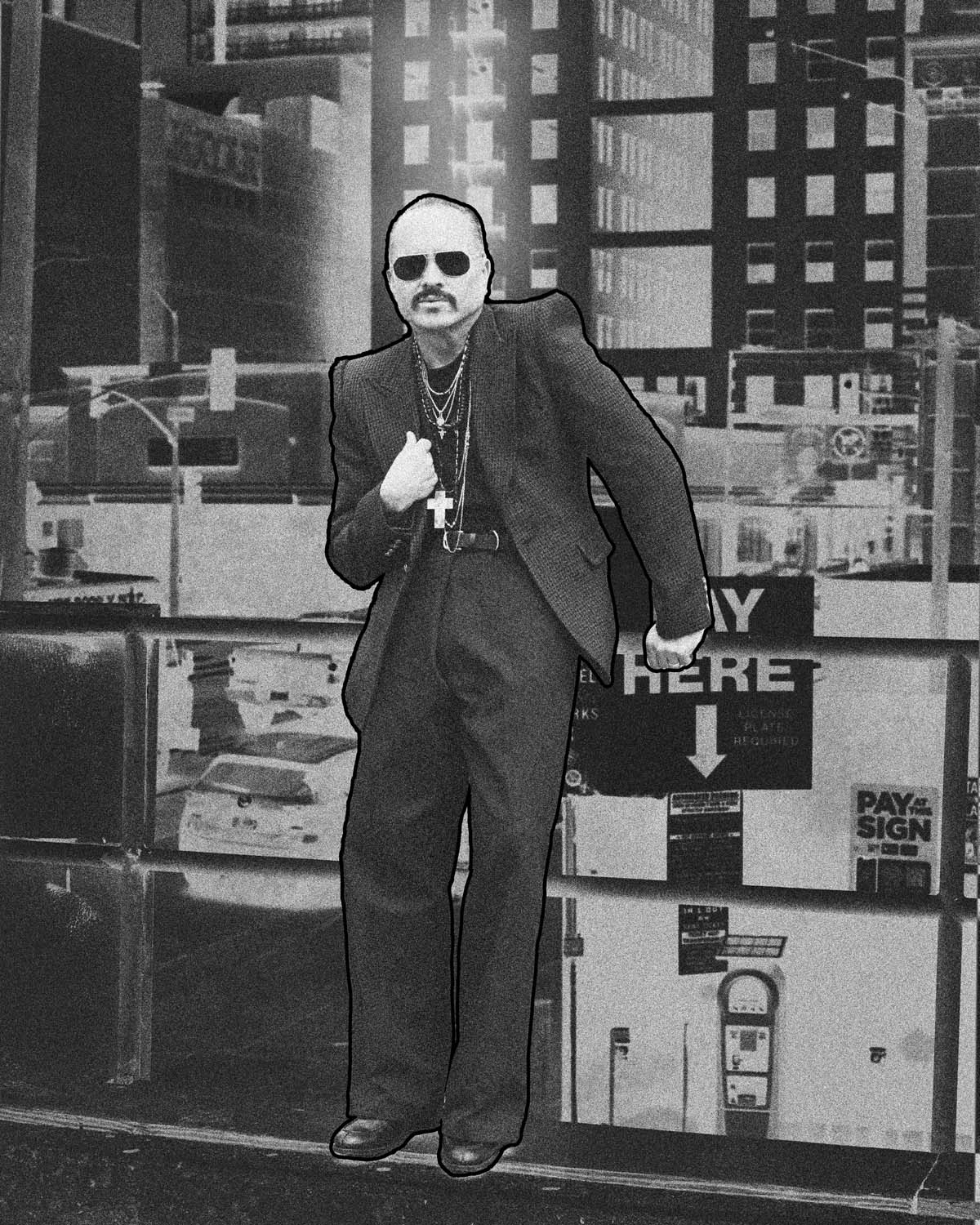
I can still have a strong business while doing what I’m skilled at, which is design. I can manufacture beautiful clothes, create amazing looks, and make people look cool while embracing the art of it all. It just means that I believe we can do it with more heart. There are other great designers out there doing things with their art that aren’t addressing the social climate, and that’s fine. I’m not begrudging anyone for not doing that, but I do think there’s an opportunity, and I like to take advantage of it.
I love to include in my runways and presentations those who have not been included for so many years through-out fashion history. I know it’s refreshing for Black and Brown people to see themselves represented, but it’s also refreshing for everyone, as it reminds us that we are all in this together. Celebrating people who are often overlooked in film and fashion, in the glossy pages of magazines, excites all of us.

I love to embrace masculinity and femininity, religion and Catholicism, and so many things that are labeled tox-ic in our society. I really enjoy giving them new meaning and reinterpretation. I love having all the people I work with, as you saw in the photoshoot we did; they display a level of masculinity and femininity that is fluid across all characters. I celebrate masculinity as being sensitive, strong, loving, assuring, and openminded. This is some-thing to be celebrated because it doesn’t isolate people; it lets us know that everyone is welcome, even the masculine.
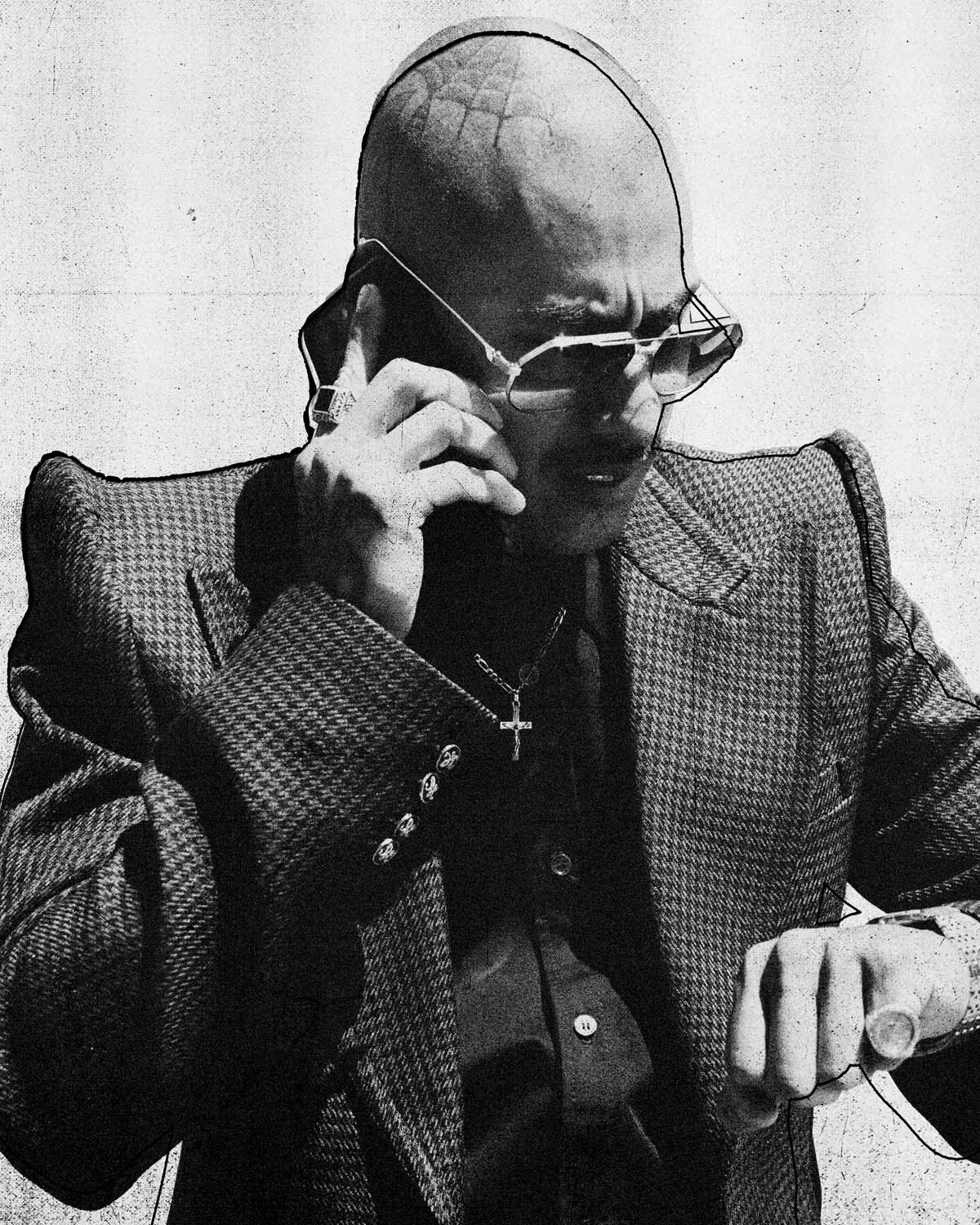
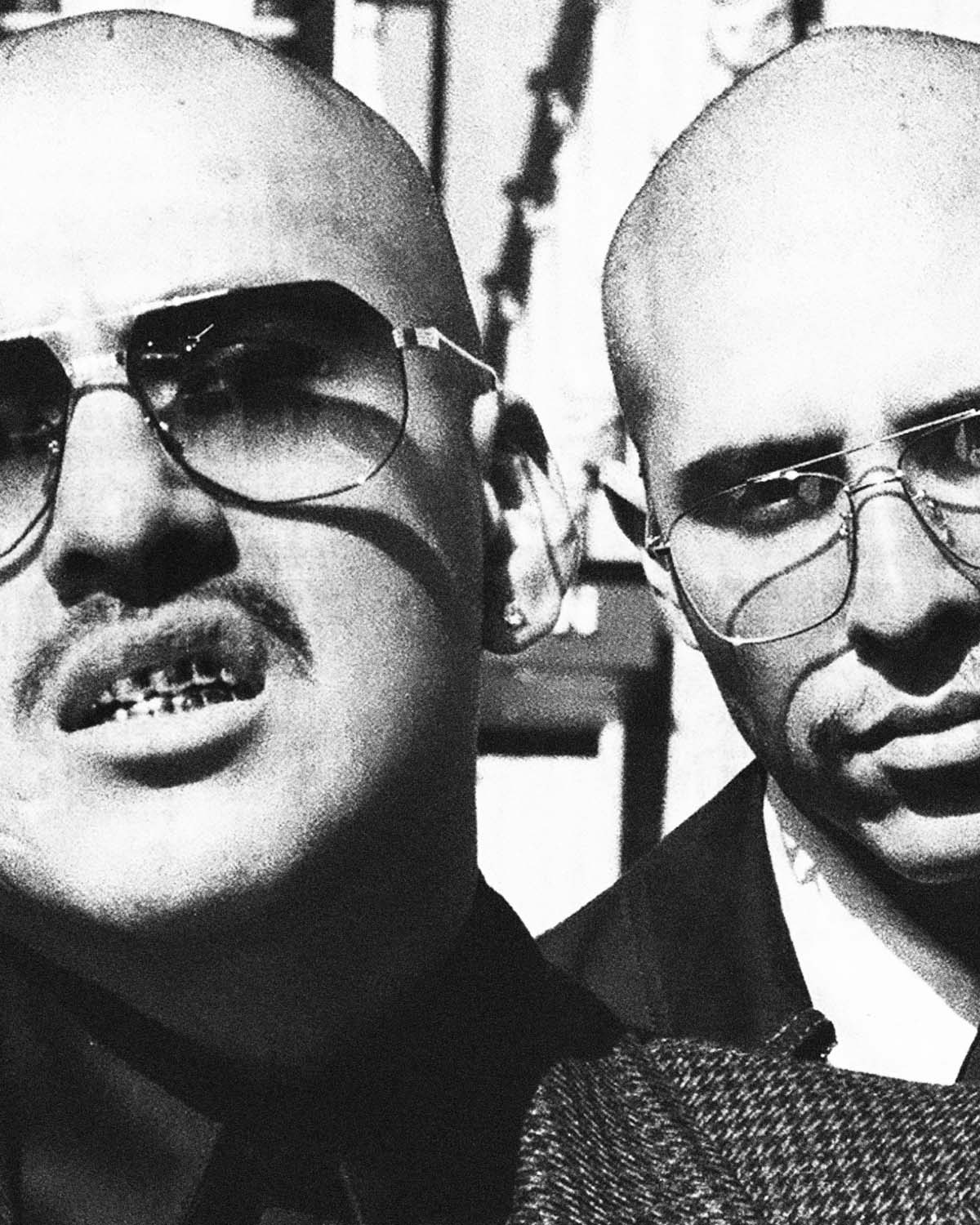
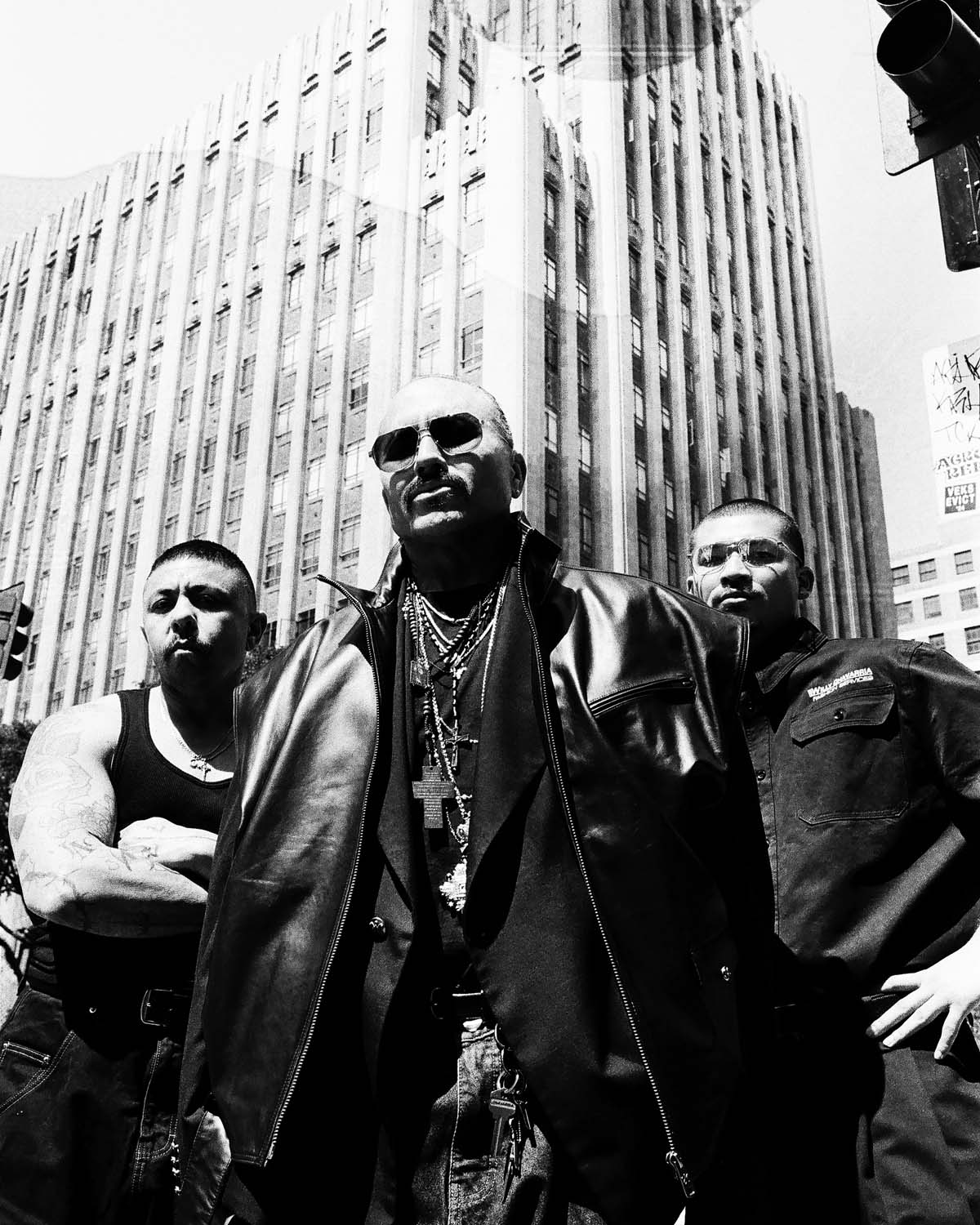
I do reflect on that because even with my brand’s beliefs, I need to share an evolution of ideas because it is fashion, and people want to be stimulated and excited by what they see. The topics I delve into change over time, but I see my work as eternal. I see the brand as eternal because it speaks of love, and love is eternal. It has a strong foundation based on our beliefs, coupled with our ideas of great craftsmanship and attention to detail. I’m also blessed to have such talented people on my team who are deeply dedicated not only to the phi-losophy of the brand, but also to the art of fashion, craftsmanship and fine tailoring.
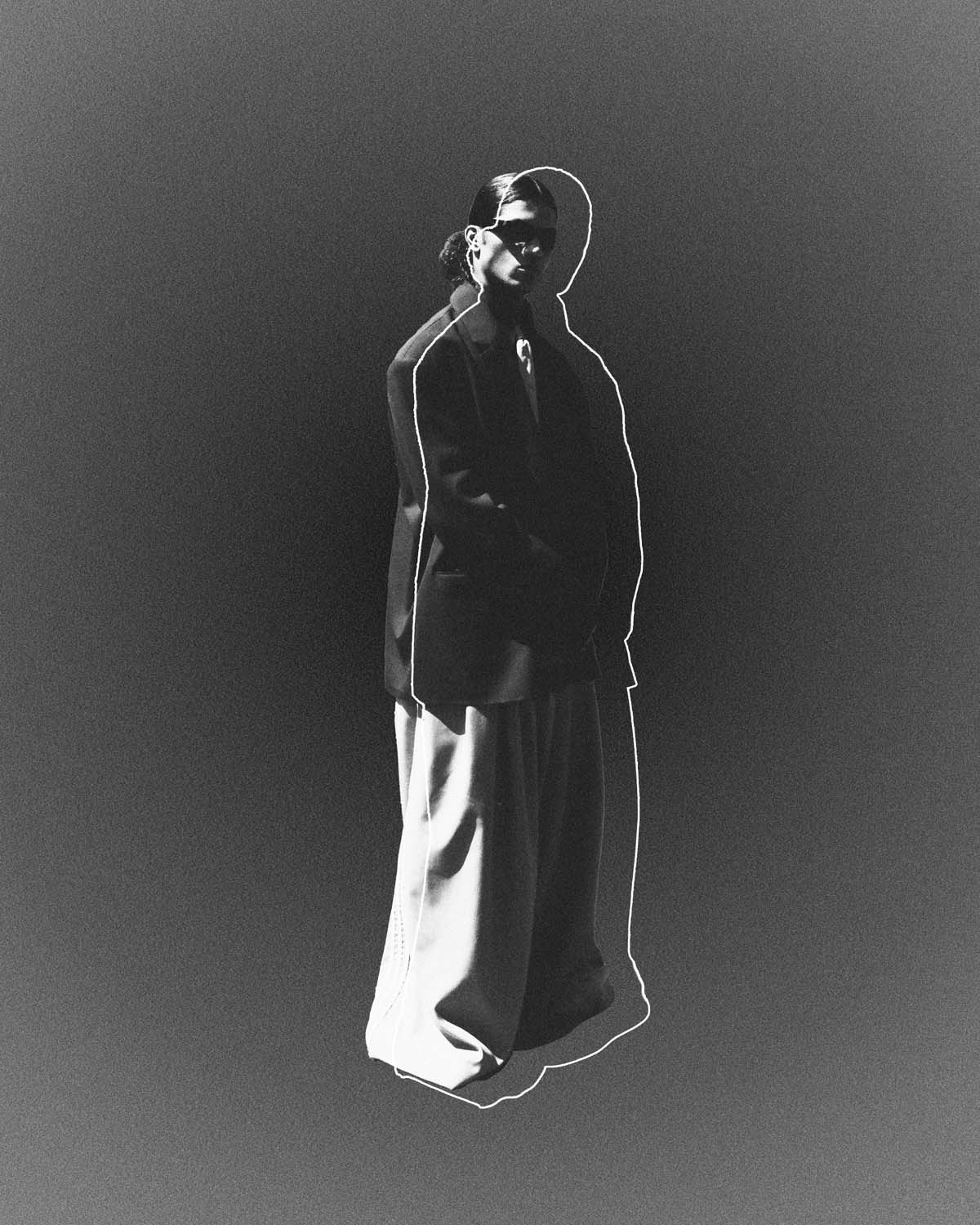
I see tailoring as more relaxed, meant for all-day wear, and very gender fluid. I love a woman in a suit; that has always been one of my favorite things. I also love a man in a suit. There’s a beauty that happens when we wear suits. Personally, I love what tailoring does to a person’s identity; it’s like throwing on a jacket that ties it all to-gether. I appreciate how tailoring adds dignity to any look. While I love sportswear, activewear and jeans, and recognize the influence of street culture and athletics on contemporary dressing, I believe we need tailoring to remind us not to be too sloppy.
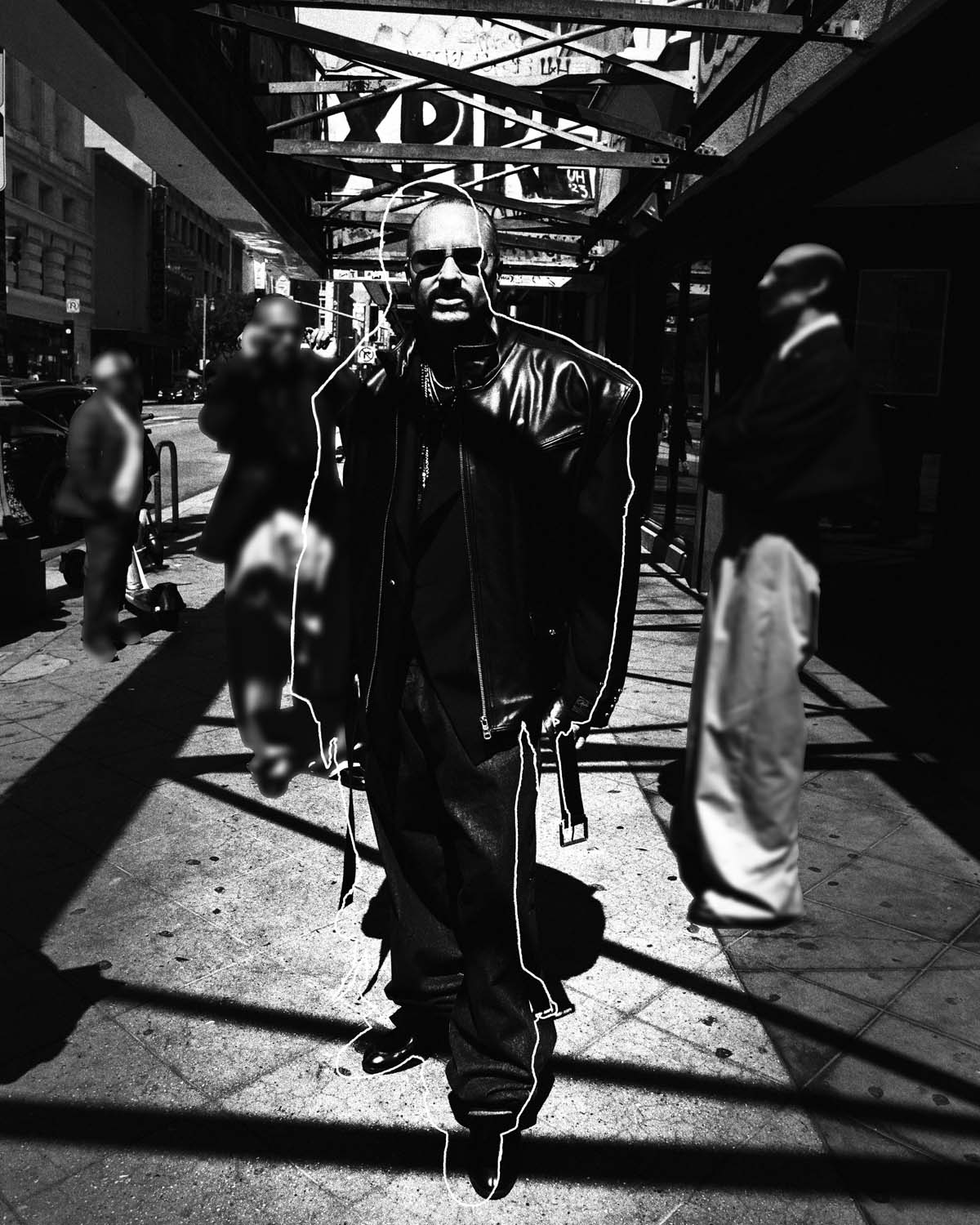

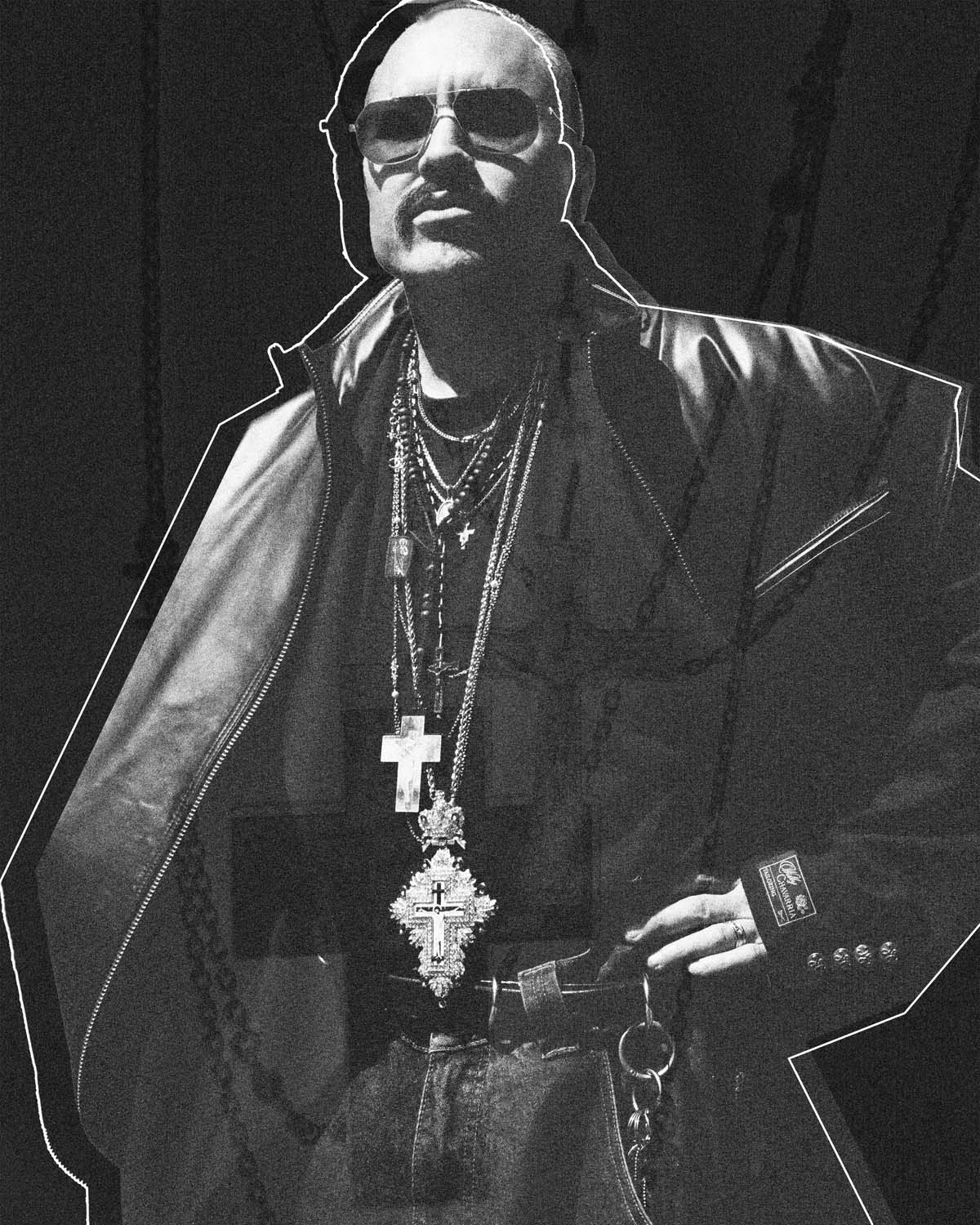
Yes, I love to make people feel strong and empowered when they wear my clothes. I love seeing people put on outfits and feel excited when they see themselves in the mirror. Tailoring embodies that; great leather does, too.
It was quite a battle for me to leave my small town and emerge into a world so far removed from me. I faced the challenge of being accepted by the community I left while moving into a new world that was very foreign to me. I felt like quite a foreigner in the fashion world as well.
I believed—and still believe—that I have to be great at what I do in order to be okay.

Oh, well, one is that my zodiac sign is Cancer, so I love being at home and enjoy a very simple, calm life. The other is that I am blessed with an incredible husband who is also my business partner. He is my strength and backbone—my other half—and together we live a very simple life with my dog. These are the things that keep me grounded.
Oh, I don’t think I’ll ever stop working, but I do want to do a major motion picture.
It would be a drama and a romance—a combination of Wong Kar-wai, Francis Ford Coppola and Fellini.
It would be called “Hungry.” [long pause, then laughs]
My last supper, oh my goodness! It would have Jesus Christ, Bad Bunny, Sade, my husband—oh gosh, I need 12 people for the last supper, right? Kendrick Lamar, Madonna. Well, I have a lot of friends, so they would all have to be there. Stanley Kubrick, young Sinead O’Connor, the designer Willi Smith, Dolores Huerta, Malcolm X, and Martin Luther King.

TO WATCH: “MARTY SUPREME BY JOSH SAFDIE
"I have a purpose. And if you think that's some sort of blessing, it's not. It means I…
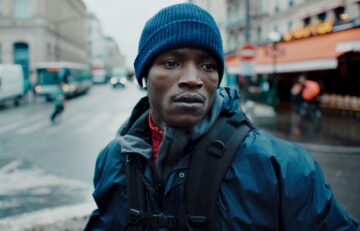
TO WATCH: “SOULEYMAN’S STORY” BY BORIS LOJKINE
A man trapped in a system that only values humanity when it can be used

TO WATCH: “NO OTHER CHOICE” BY PARK CHAN-WOOK
No Other Choice is not about losing a job, but about losing the self in a system that…
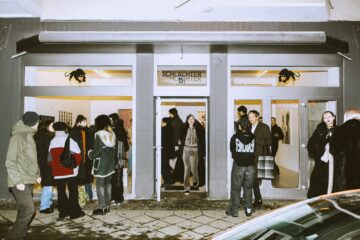
“I’VE MISSED OUR CONVERSATIONS” AT SCHLACHTER 151
I’ve Missed Our Conversations examines how artificial intelligence is reshaping emotion…

TO WATCH: “IMPATIENCE OF THE HEART” BY LAURO CRESS
The more Isaac tries to help, the clearer it becomes how thin the line is between care,…

TO WATCH: “A WORLD GONE MAD. THE WAR DIARIES OF ASTRID LINDGREN.” BY WILFRIED HAUKE
"If happiness is to last, it must come from within, not from someone else."