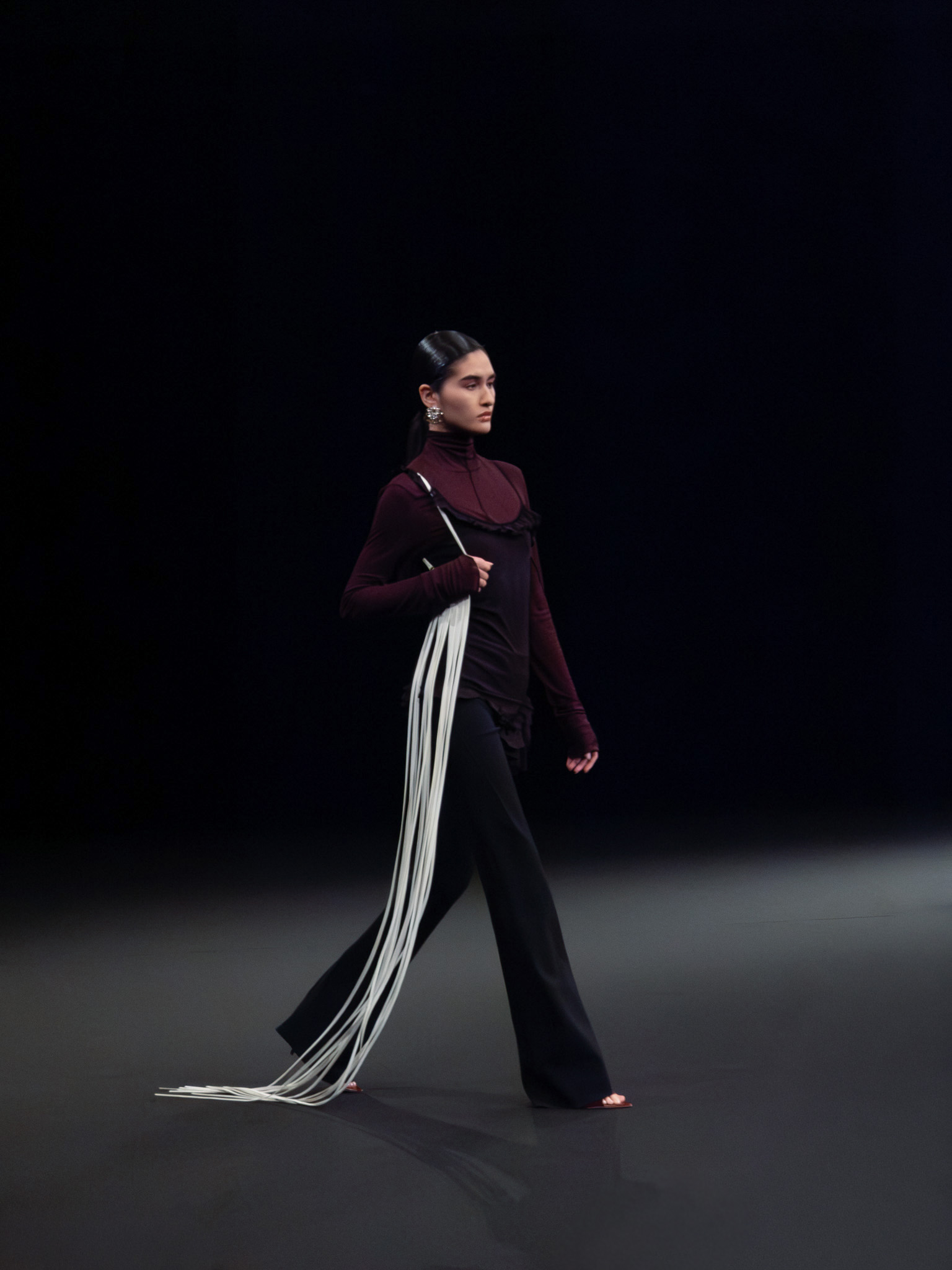
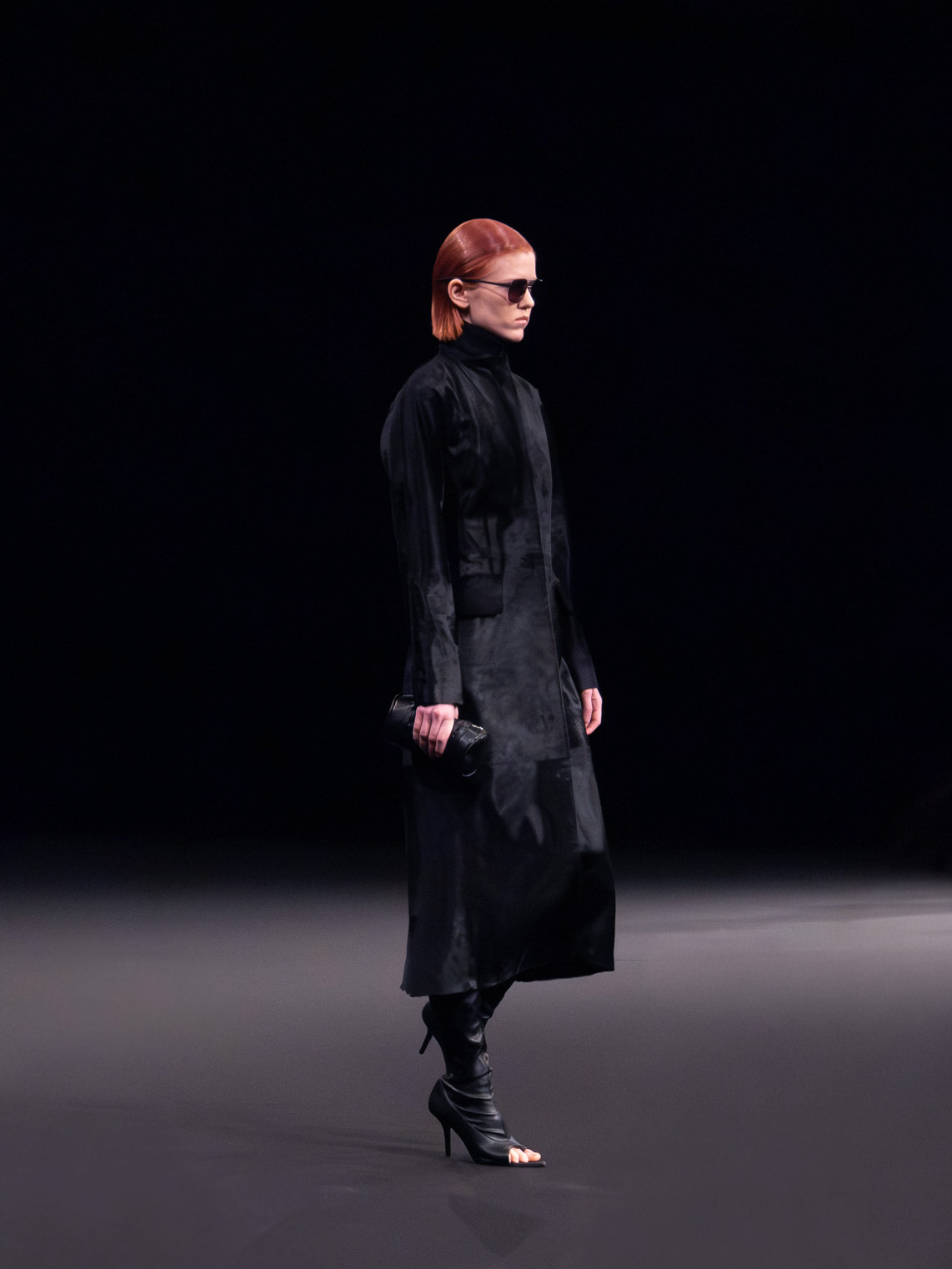
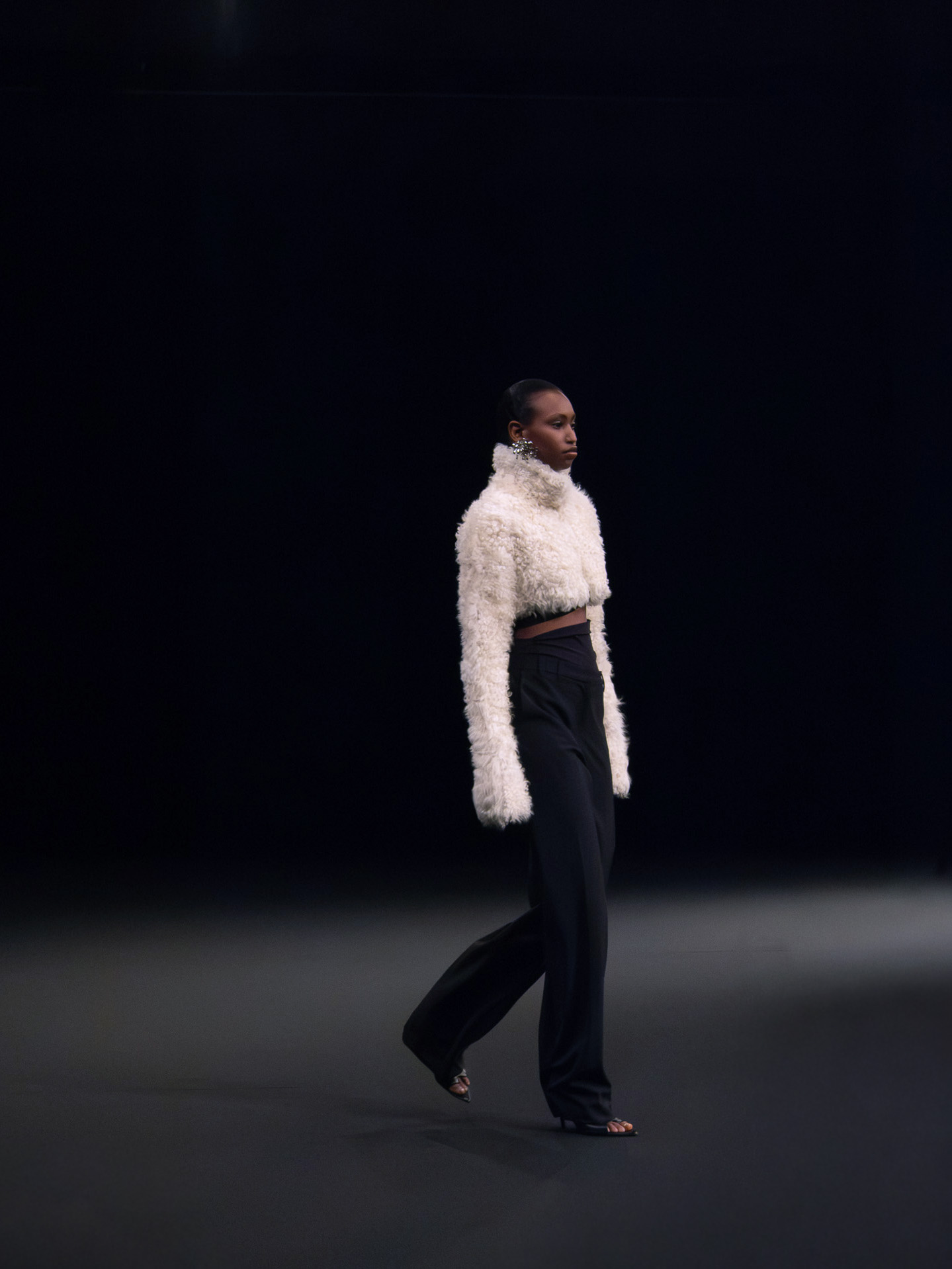
IN CONVERSATION WITH JOHANNES BOEHL CRONAU

Johannes Boehl Cronau about his new collection at Berlin Fashion Week, his take on the current market, and the people who inspire him the most.
“I’d rather be a more “cuntified” version of The Row than a brand that constantly has to deliver.”

Words by ALEXANDRA SCHMIDT
Photography ROSA LOBE
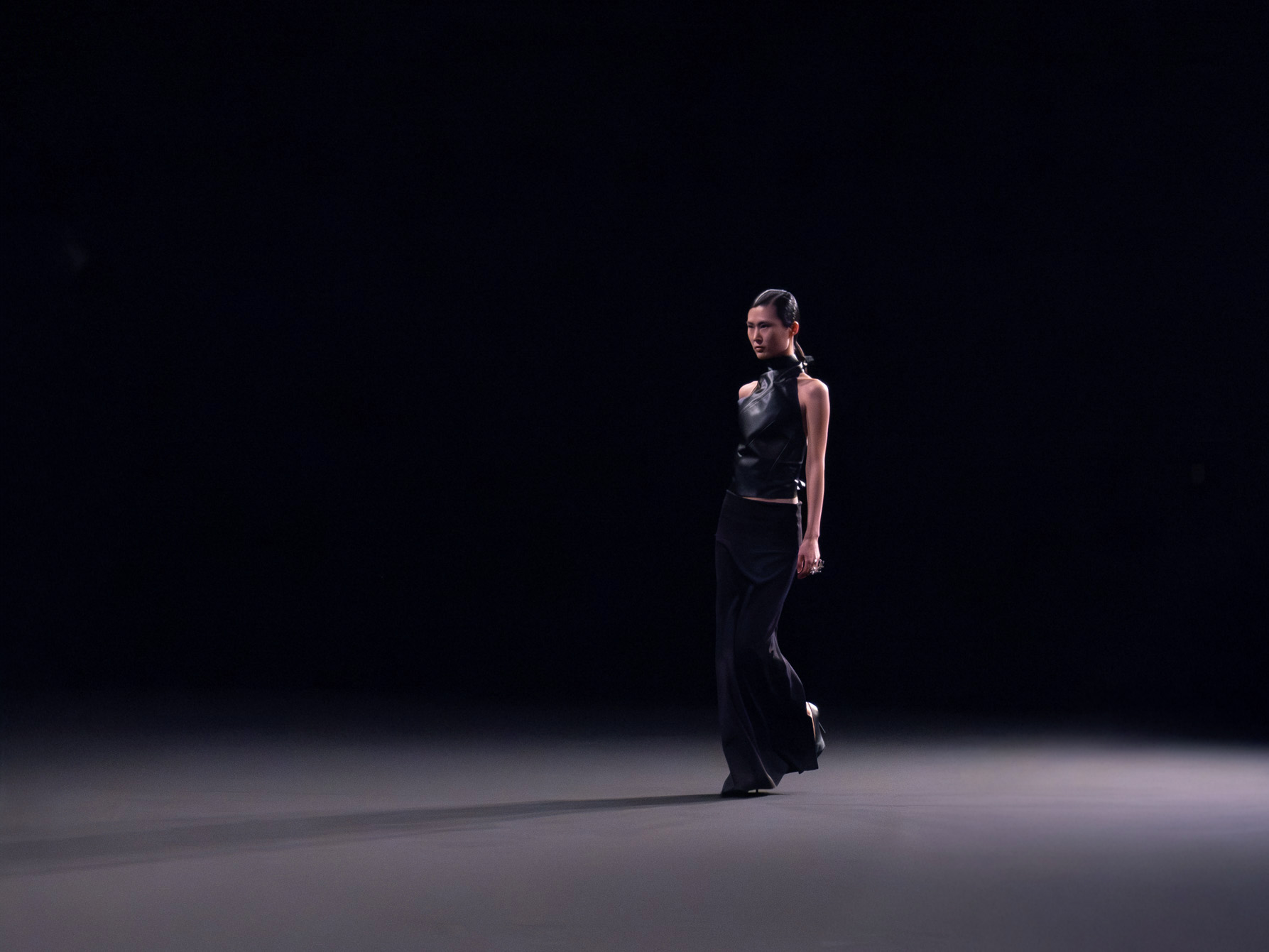
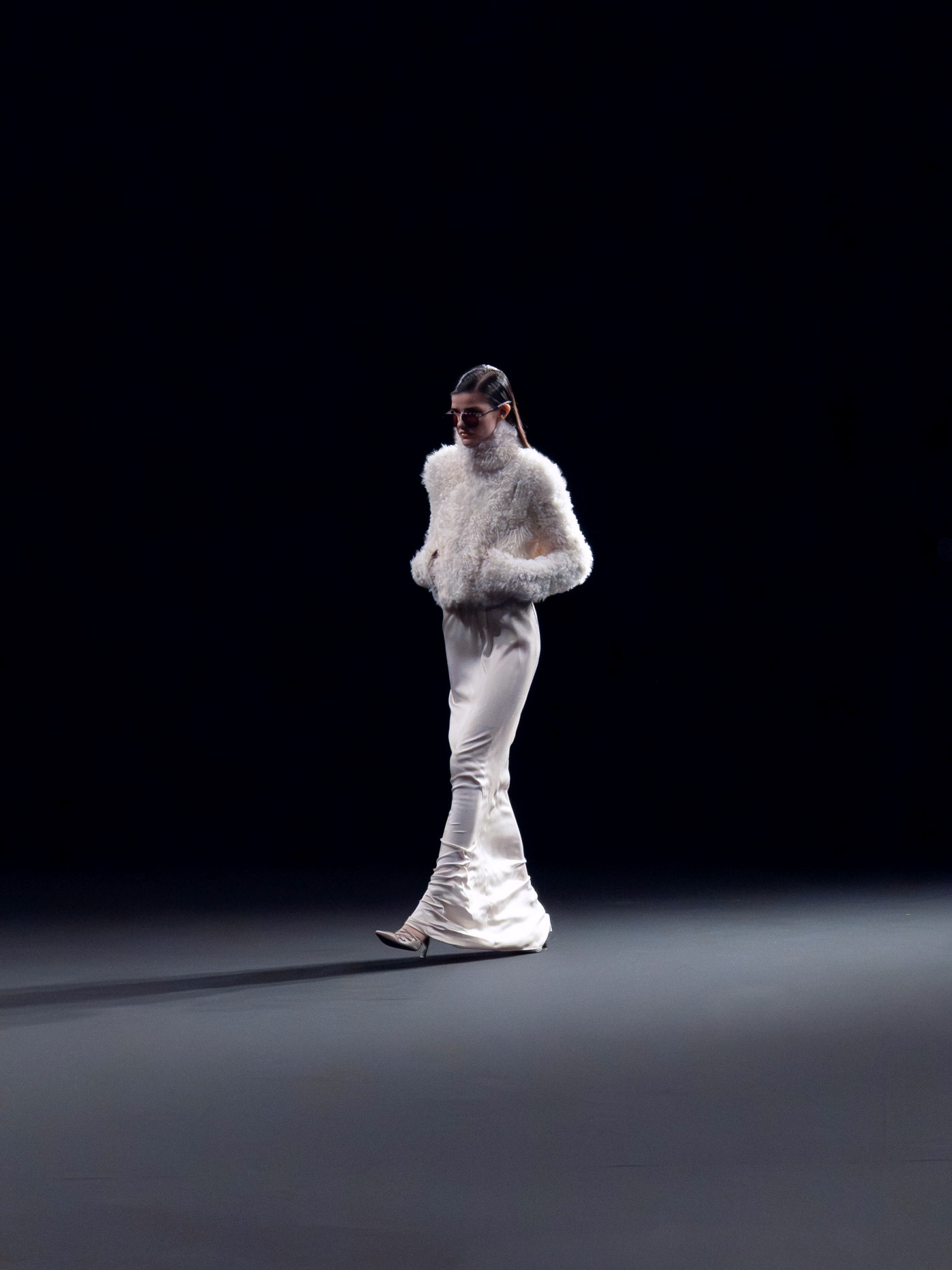
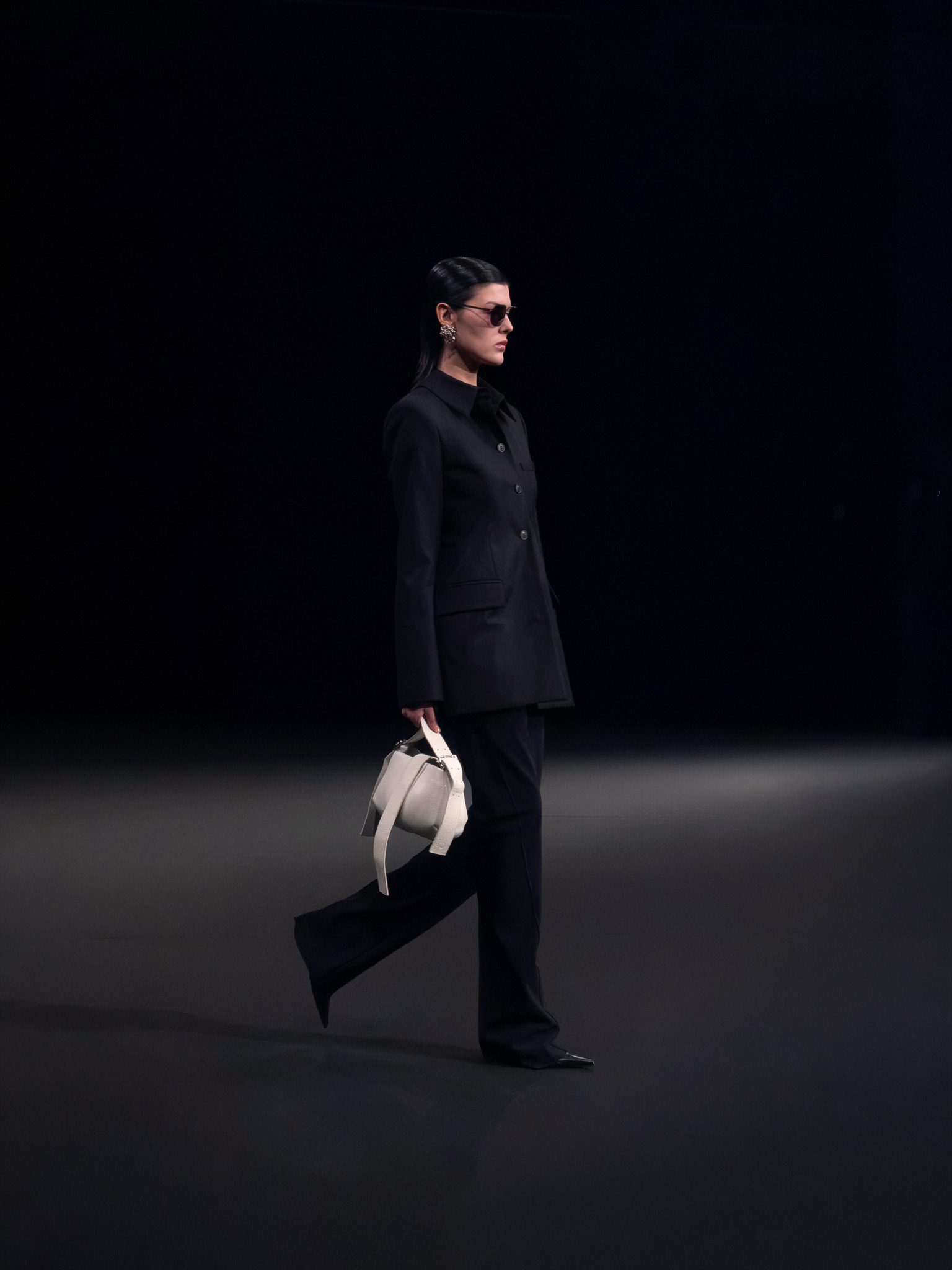
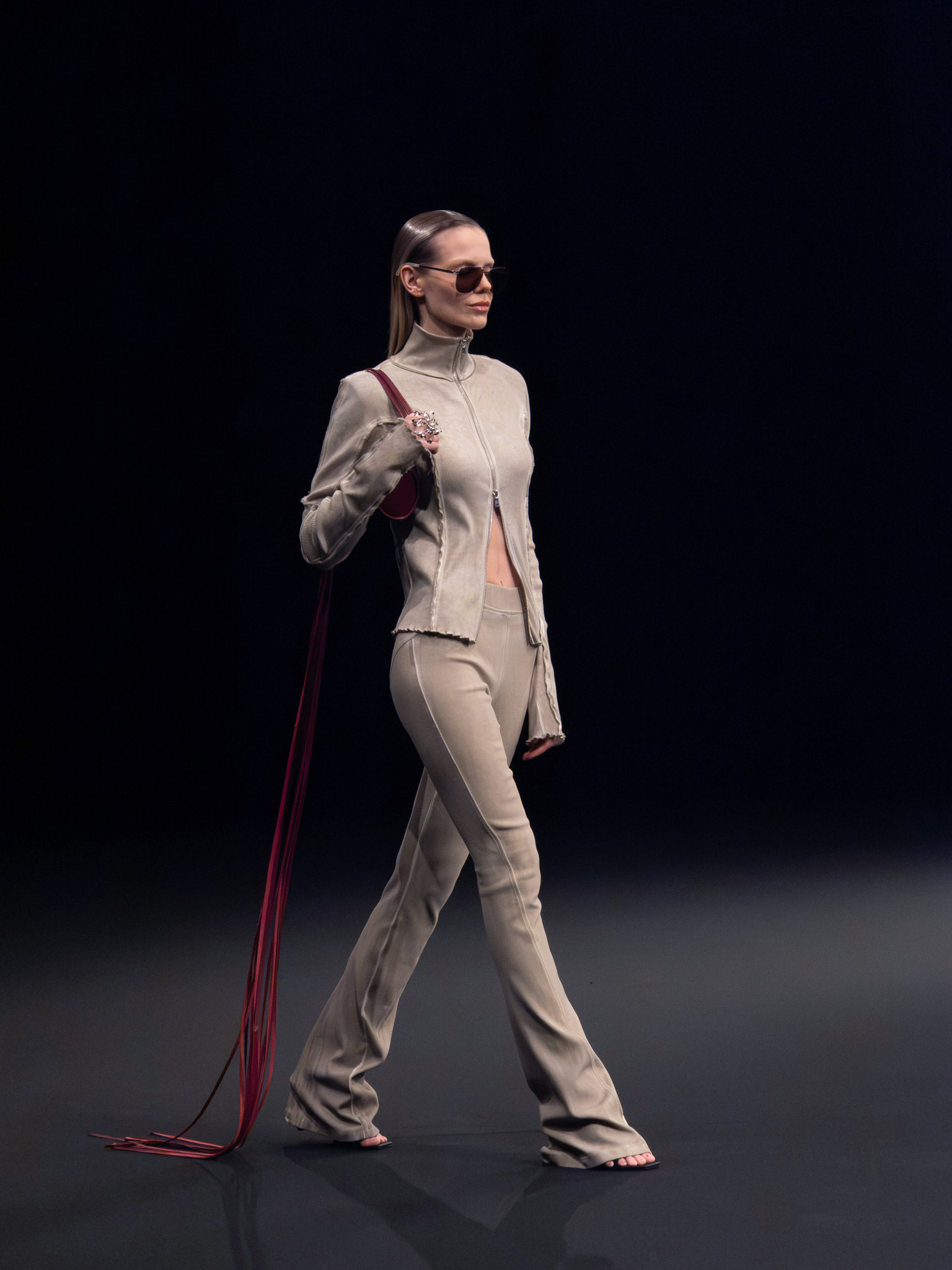
ioannes is an independent fashion label, founded by Johannes Boehl Cronau, that has developed a very distinctive handwriting. The designs exist beyond trends. They are guided more by what feels right and what inspires them in the moment than by the rhythm of the seasons.


Johannes’ interest in design goes far beyond fashion. Architecture, interiors, and craft are central to his work and shape not only the collections but also the way ioannes thinks and operates. Garments are never considered in isolation but as part of a larger context.


In an industry so focused on visibility and growth, ioannes deliberately operates on a smaller, more controlled scale. We spoke with Johannes about his new collection at Berlin Fashion Week, his take on the current market, and the people who inspire him the most.
Alexandra Schmidt: Your studio has a warm, almost familial calm to it. What does home mean to you?
Johannes Boehl Cronau: I’m realizing more and more, both for myself and for our brand, how important the idea of home and the domestic space has become. I love interiors, I love architecture, and I come from a family-run craft business in a small village. That’s completely part of my DNA. For me, craftsmanship is home.
You once wanted to become an architect, right?
I did want to be an architect, and I think my mother would have liked that too. The idea of home is incredibly important to me. I was exposed early on to Architectural Digest and Vogue, which were delivered to our village, even though it was very small. There was this rural context, but at the same time there was always a view out into the wider world.
So how did fashion enter the picture?

For a long time, I was genuinely torn between architecture and acting. Then I went to Paris and looked through the curricula of architecture programs, and I got a little bored because so much of it was already familiar to me. Acting felt a bit intimidating, to be honest. And then I drifted into fashion because it had always fascinated me, yet it was the one area where I knew nothing.

I don’t have a story about my grandmother always sewing with me. In fact, I couldn’t sew, and I really hated it. But I wanted to learn. When I started my bachelor’s, I thought I should at least see it through. After that, I did an internship with Haider Ackermann, and that’s when I thought, okay, this could actually work. Honestly, it was a bit of a struggle to find my commitment.

Do you get bored easily?
I have a certain impatience and like to see results quickly. Fashion is exactly that. You can fully dive into a concept and make it tangible in no time. It’s very visual, and in theory, you can explore a completely new topic every six months. Of course, in practice, a lot happens at the same time, and the more collections you have, the more you also return to things from the archive. I find this repetition, what materials, what colors, really fascinating. On one hand, there’s always something new happening, on the other, it’s about seeing which patterns and motifs keep reappearing.
In what ways do you think your Fall/Winter 2026 collection will influence ioannes moving forward?
Having inspiration and imagination is a luxury of the early phase.
As more stores, retailers, and wholesale partners come on board, more structure sets in, and a lot of energy shifts toward administration. Suddenly, you encounter new limits and challenges. With this collection and looking back at the first one in Berlin six months ago, I really allow myself to experiment. Right now, so many social and economic questions are emerging, like how small and mid-size brands can reposition themselves and find a sense of regionality and intimacy. I find that exciting because it’s not just about being “new and bigger,” it’s about figuring out where you stand as an individual and as a collective. Fashion is extremely personal, which is both its strength and its challenge.

Commercial success and reach are often underestimated, but they are skills in themselves and a form of self-awareness. At the moment, we are redefining ourselves, thinking carefully about how we want to make clothes, going back to craftsmanship, prioritizing what really matters, and reflecting on what we produce. This focus on regionality and authenticity makes sense both creatively and economically.

“I believe you should never wear something just because it’s trendy or considered cool if it conflicts with your inner self.”
How do you design for the market while remaining creatively authentic?
Buyers usually look for one thing: is there a clear essence? Is there an identity that feels exciting? Looking back at my first collections, my focus was completely on the product, but there were no shirts. Simply put, if you go to the Dover Street Market today, you see shirts, trousers, T-shirts, and jackets. Back then, my focus wasn’t on what would actually be in stores. It’s really just a straightforward reworking of archetypal garments, and I realized that a little too late. I was too focused on what we wanted to see. Our collection was very light and squiggly, but for winter, people were focused on jackets and heavier garments.


Right now, we’re going through another shift where everything is being redefined. It’s no longer about who benefits but about rebuilding and figuring out whether we still want to align with Fashion Weeks or focus more on mini-capsules and drops.

Your brand has always been deliberately positioned as very niche. Were there moments when you wished for a stronger presence in the mainstream?
Of course. It almost feels a bit outdated to think that way now, because we come from a mindset where mass exposure and visibility were equated with success. You do something the right way, and if it’s done right, it’s considered good. I’m grateful that we’ve had very visible partners like Kylie and Rihanna. On the other hand, I’m also grateful that our brand has never become too big, especially over the last six years. When something grows too fast, it can start to consume itself. That’s an incredibly fascinating learning curve. With more experience and reflection, I no longer measure my value by exposure or follower count. Instead, I ask myself what I truly feel connected to in my work.
How do you define your brand today?

I think we’re only just reaching a point where we’re perceived with a certain depth. That perception needs time to develop and grows slowly. I’m realizing more and more that ioannes isn’t a brand I have to serve. ioannes is the framework in which I experience being an independent designer and creative. Today, I give myself the authority to decide what that framework looks like and how it can be the best possible practice for me.


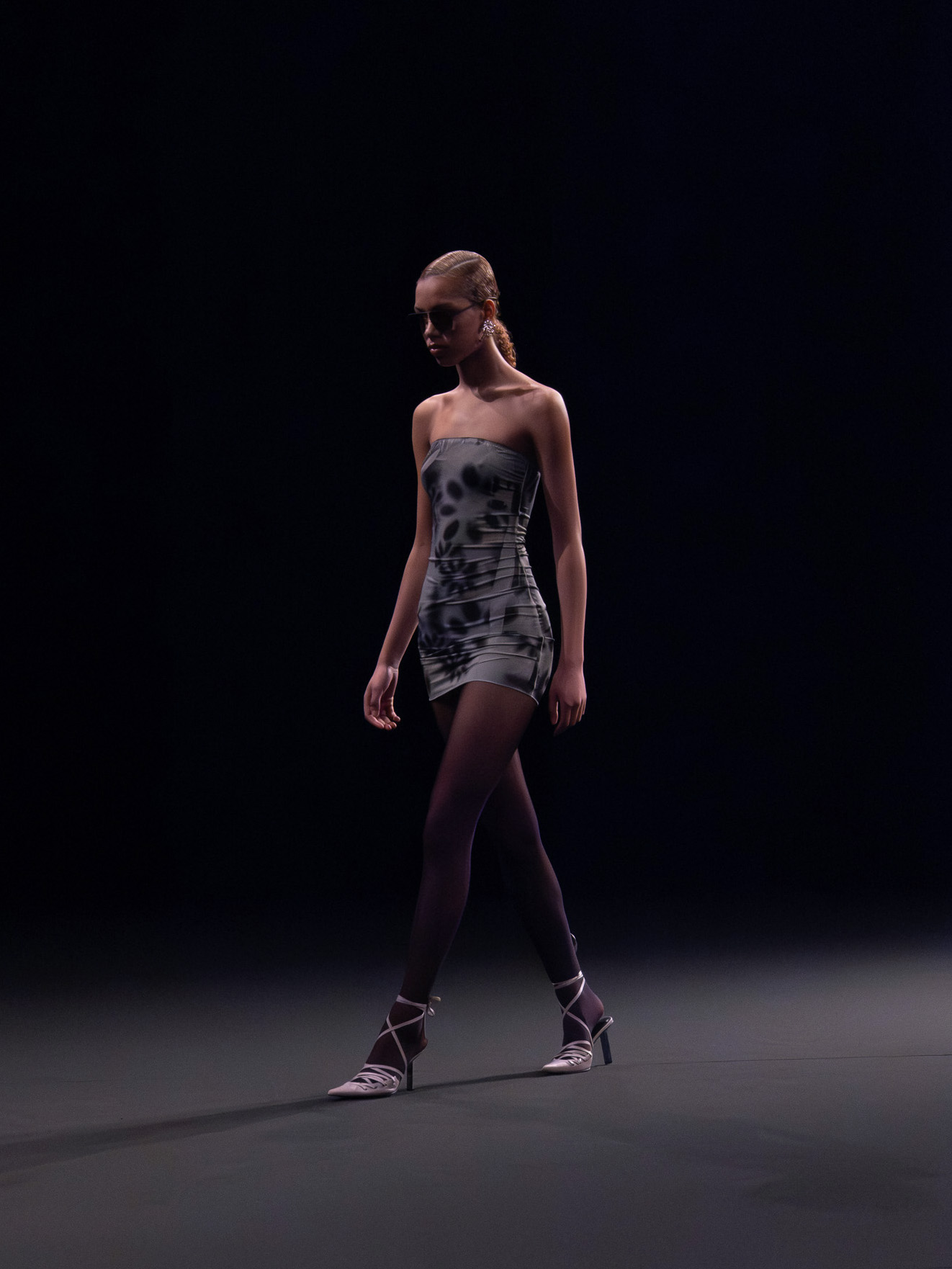
At the same time, there’s a certain kind of guidance. Since being on Net-a-Porter, everything I design sparks a reaction. After Rihanna and Kylie wore our dresses, we suddenly became known as the Lycra print brand. I was never about bodycon or prints, but I embraced that identity because it takes decisions off my plate and gives structure.


For me, the brand isn’t just the printed dress. I ask myself how it can be everything, how I can use the space, the studio, host dinners, or collaborate with partners. Eighty percent of what’s in my atelier, I designed myself or created in collaboration with friends. The furniture comes from our own carpentry workshop, and the lamps from designer friends in Spain. I don’t want to make clothing every single day. Today it could be a lamp collaboration, tomorrow a rug made from leftover stock from Scherling jackets. At the beginning, I had to focus on fashion because you have to start somewhere. But ultimately, I want to do everything.

“Having inspiration and imagination is a luxury of the early phase.”
How do you handle visibility?
I’m not some spicy social media god.
I hate posting, I often don’t know what to share, and then I ask others if it’s okay. It doesn’t come naturally to me. What comes naturally is knowing exactly where to place a flower. I guess I’m missing a 21st-century skill there. But I do believe in persistence and consistency, and that visibility comes when something wants to be seen and is ready for it. We’re often told we have to be Beyoncé, and eventually you realize maybe you’re more like Adele. I don’t want a 160-date world tour. I want to do three concerts in one place and then have my peace.
Do you ever feel pressure to create something new?

Not really, I don’t feel pressure. To me, “new” is such a capitalist concept, like why we need this one Teflon pan instead of another. There is genuine novelty in a technical sense, for example, in how fabrics are made, whether seams are necessary, or if 3D printing can be used. But in the way we approach fashion, it’s not really about being new. It’s about whether a piece, with everything it carries, its influences, impressions, and personal sensations, is authentic and true to the brand. Whether it expresses something meaningful, becomes visible, makes the right use of material and silhouette, and strengthens the brand. I find it exciting to see how brands will position themselves now, because the system is slowly exhausting itself, and many people no longer want to chase every trend. It’s about setting priorities, curating what makes sense in everyday life, and what brings joy. I’d rather be a more “cuntified” version of The Row than a brand that constantly has to deliver.

How did you end up choosing womenswear?
I think menswear ultimately works according to codes, certain rules, a kind of template that everyone more or less follows. Since I was interested in so many topics at once and womenswear promised something completely free and limitless, that’s what I chose. As a child, I used to look at the red-carpet images in Vogue. It’s funny how far I am from the red carpet now, especially since it’s actually more restrictive than anything else we do. I love things that are used in everyday life, and that’s simply my vision of the woman who inspires me in my daily life.
“When something grows too fast, it can start to consume itself.”
You’re showing at Berlin Fashion Week for the second time in a row, after previously showing in Paris. Do you think Berlin Fashion Week is already reaching its full potential? If not, what do you think it still needs?
I think everyone needs to be given time first. We are really impatient. Berlin doesn’t need to become Paris. For some reason, Berlin has this uncertainty about giving itself time. It’s so focused on “we have to become one of the five fashion capitals.” That doesn’t matter. As long as it’s good and authentic. Even from a commercial perspective, is louder always better? It’s really about understanding relevance. I think the great thing is that Berlin and the Fashion Council have learned to give us space. We can present our work without having to edit it beforehand. It’s not like “we’re going to be the Sustainability Fashion Week now.” It just lets us do what we do, and the rest will follow.


With us, Ottolinger, GmbH, and William Fan, there’s already a diversity of brands and, ideally, also of customers. We just need space and time and continued support, not only by funding the show but also by supporting the structure behind the companies.

Curiosity seems to play a big role in your work, like asking what happens to a fabric when you treat it in a certain way. How much of your process is driven by that curiosity?

Almost everything, actually. Some people plan everything like architects and then execute it exactly, but for me it’s more trial and error. I see what happens, experiment, and pick things up along the way. Sometimes, for example, we dye all the sweatshirts, and suddenly one piece ends up accidentally packed wrong or in the wrong color. I like these little surprises because they show how many hands a garment passes through and how much craftsmanship is still involved.


A good example is our prints. We use a blowtorch to burn designs onto wood, scan and digitize the results, and then apply them by hand onto the garments. Or the bias cuts inspired by Madame Vionnet, or the ruffle tops inspired by random vintage pieces. We often play with silhouettes, lines, seams, and construction. And sometimes at the last minute we decide we need gloves and just see what comes out. All of this comes from curiosity and the joy of experimentation.
“I want to do three concerts in one place and then have my peace.”
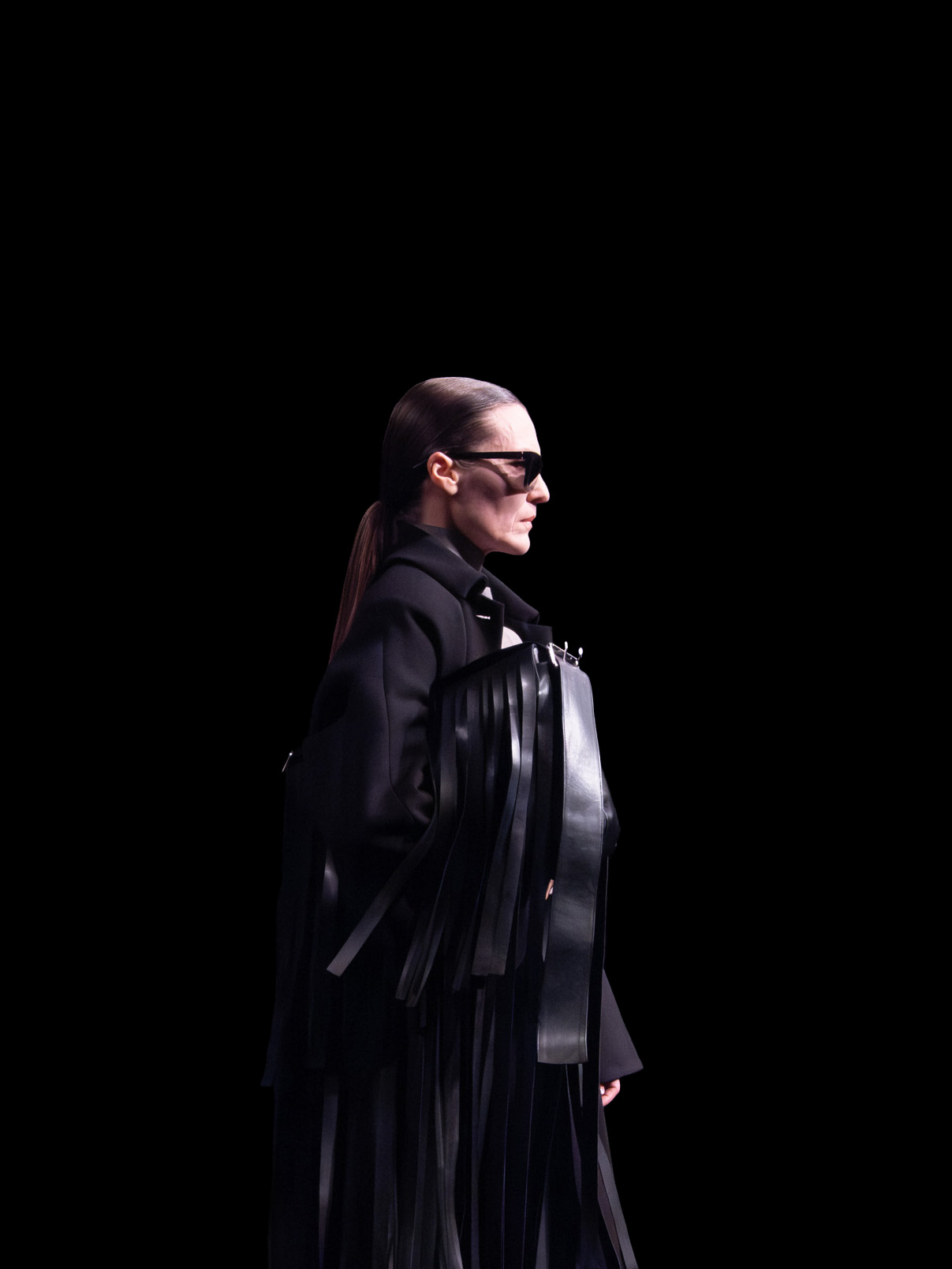
What do you think clothing can express about identity or personality that words simply can’t?
I find it hard to say that about anyone else, I can only speak for myself. I’m completely intuitive, and I feel “dressed up” very quickly. If something doesn’t align with my mood or my identity, I feel incredibly uncomfortable. I believe you should never wear something just because it’s trendy or considered cool if it conflicts with your inner self. I just can’t relate to that. I always found it funny when friends or family used to ask me if they could really wear something. Honestly, I hardly have any judgment there. Just wear what you like and what feels right to you.
How do you feel right after an ioannes fashion show, and how do you handle criticism?

Ideally, I feel very satisfied with my performance. In reality, I notice the compromises I made that I really shouldn’t have. This time, I try to do everything as if it were the last time, to push myself to be more radical in my decisions, and to avoid saying for the tenth time that I actually don’t love how something turned out.


Honestly, criticism is rather secondary for me. My brand is too niche for anyone to truly influence its direction. I’m realistic about that. For me, it’s only about presenting something I fully believe in and am genuinely satisfied with.

Which people inspire you personally?
My two sisters. They are archetypal examples of what I admire: this autonomous, highly self-determined form of lived femininity. One of my sisters runs our family’s mid-sized business as the next generation of women in the family, and my youngest sister is an ornithologist, traveling across Germany to observe birds. Both are so authentic and fully live their lives. They don’t structure their lives around external validation, which is constantly present in fashion. Instead, they base their choices on their own values. I find that incredibly inspiring. I have two very confident sisters, and I’d love to have even a little of that for myself.
“I’m not some spicy social media god.”
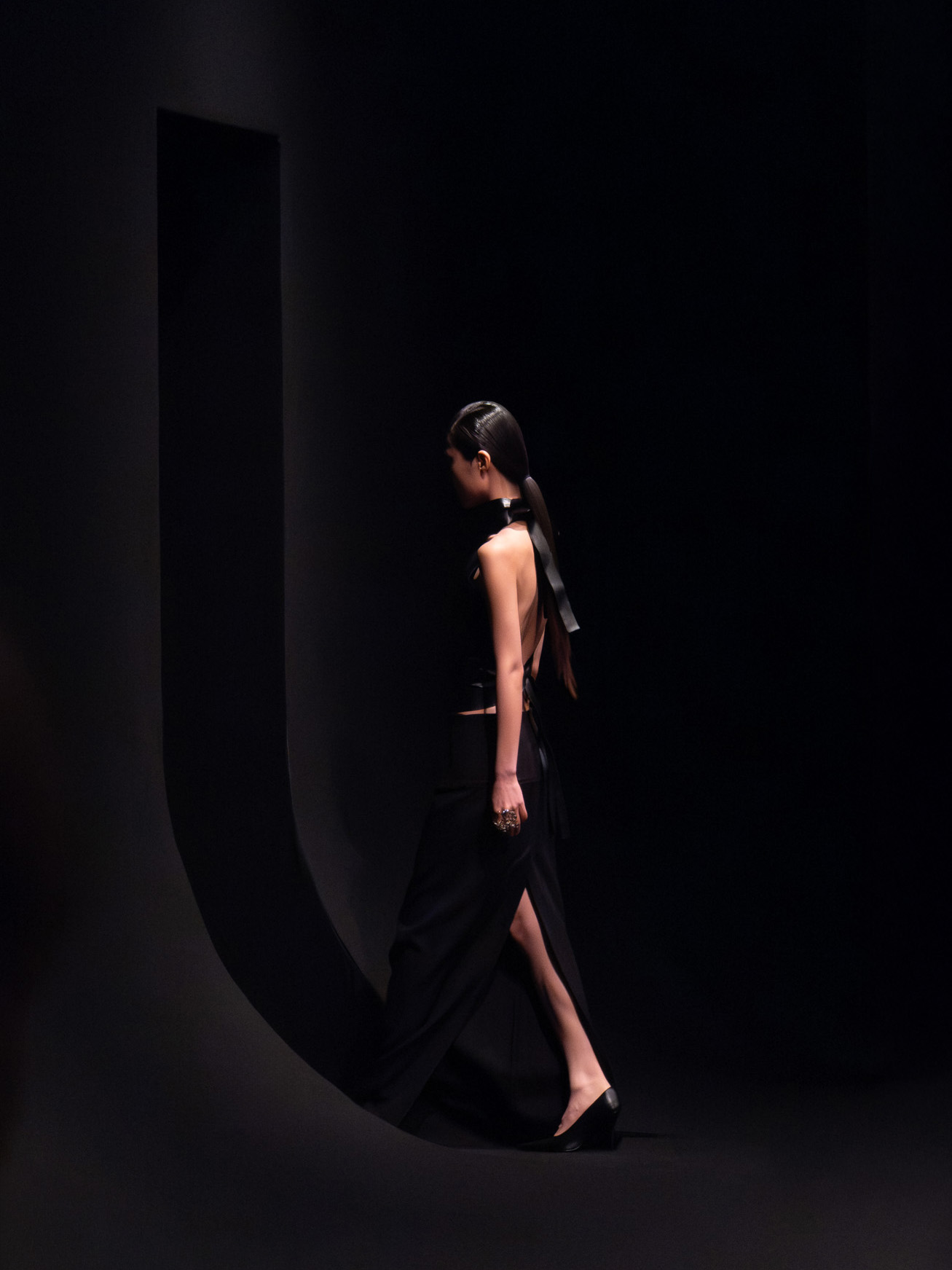
BERLIN FASHION WEEK FAVOURITES AW26/27

From the intellectual depth of MARKE and Kaisa Kucharska to the raw authenticity of…
The Perfect Candidate, Film directed by Mischa Gurevich
VISIONARY ISSUE VOL. A – YIS KID

Photography YIS KID
VISIONARY ISSUE VOL. A – ARCIN SAGDIC

Photography ARCIN SAGDIC
VISIONARY ISSIUE VOL. A – ARI VERSLUIS

Photography ARI VERSLUIS
VISIONARY ISSUE VOL A. THOMAS HAUSER

Photography THOMAS HAUSER