

THE MACHINERY OF FEMININITY
Something fractured in the language of feminism somewhere between the think piece and the Amazon storefront. The vocabulary expanded — intersectionality, bodily autonomy, the male gaze, soft life, trad wife, clean girl — while the structures it was meant to describe remained largely intact. What emerged instead was a kind of ideological fluency that functions more as social currency than conviction: the correct words, deployed in the correct contexts, to signal membership in the correct discourse. Power got talked about more than it got redistributed. And femininity, once flattened into something unserious by both patriarchal culture and the feminisms that responded to it, was rebranded as radical — then immediately monetized.
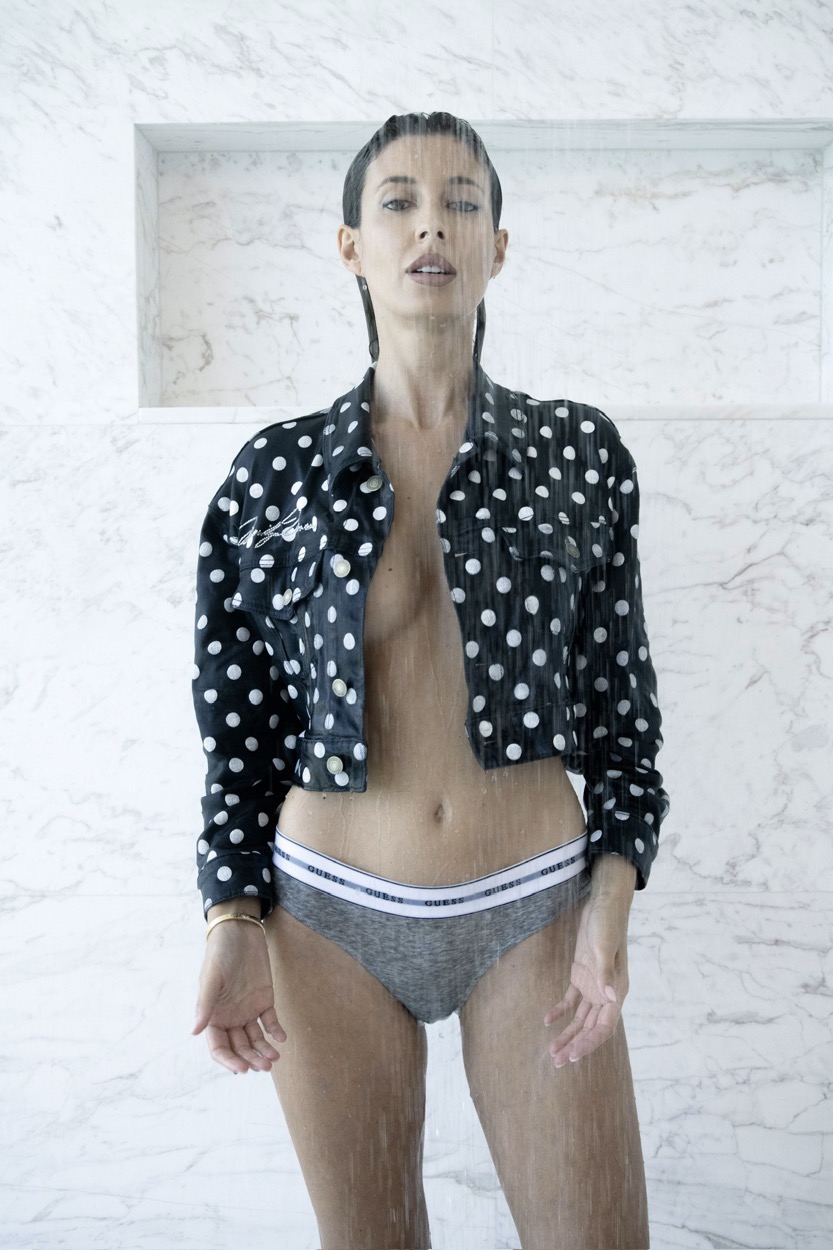
This is the contradiction at the center of contemporary womanhood: liberation and its aestheticization arriving simultaneously, indistinguishable from each other. The self-surveillance that social media promised to dismantle became algorithmic, ambient, and global. Authorship over one’s own image became a full-time job with no exit clause. Even desire — historically one of the few spaces that resisted optimization — now feels, as Valentina Hites puts it, focus-grouped.
VALENTINA HITES: Both. The language evolved much faster than the structures did. We became incredibly good at talking about power without necessarily redistributing it. A lot of supposedly “new” dynamics are just older ones with better branding and softer fonts.
At the same time, something did change psychologically. Women became hyperaware of performance itself. Even rejecting gender roles eventually became its own aesthetic category. Which is very modern. We can commodify literally anything now, including rebellion.
I’m generally very “everyone do whatever they want as long as they’re not hurting anyone,” but what exhausts me is the hypocrisy. The gap between what people publicly perform and how they actually live. There are a lot of labels right now. Less reality.
VH: Definitely more complicated.
For years, power got associated with detachment, productivity, ambition, “boss energy,” and I think there’s a generation realizing femininity was unfairly flattened into something shallow or unserious.
But capitalism adapts at lightning speed. The second softness became empowering, it became marketable. Suddenly, every version of womanhood became an aesthetic subscription plan. Trad wife. Clean girl. Hyperfeminine girl. Detached intellectual girl. Girl who rejects labels. Somehow they all end up with Amazon storefronts.
So I don’t romanticize it completely. Sometimes, reclaiming femininity is liberation. Sometimes, it’s burnout wearing lip gloss and calling itself nostalgia.
VH: Usually the second.
The women I find magnetic understand the role so well they almost distort it from within. They know exactly what people expect from them and play with that expectation instead of obediently rejecting it.
I’ve always found that more interesting than purity politics. There’s something powerful about a woman who understands the machinery, but still keeps part of herself inaccessible.
Mystery is underrated now. Everybody explains themselves too quickly.
VH: I think it lost precision, not importance.
At some point, feminism became broad enough to contain completely contradictory ideas, so conversationally it gets messy because everybody means something slightly different when they say it.
But materially? Women’s autonomy still matters politically, economically, physically. Obviously.
What changed is that people now perform ideological fluency online almost like social etiquette. Sometimes it feels less like conviction and more like knowing the correct vocabulary to survive dinner parties and Instagram comments.
VH: More visible.
Women’s bodies were always regulated socially. Now the regulation is just more ambient, algorithmic, and constant. It’s not only institutions anymore. It’s metrics. Visibility. Optimization. Self-surveillance.
Women used to compare themselves locally. Now they compare themselves globally, infinitely, in real time. That probably rewires your nervous system a little, whether we admit it or not.
VH: Partially.
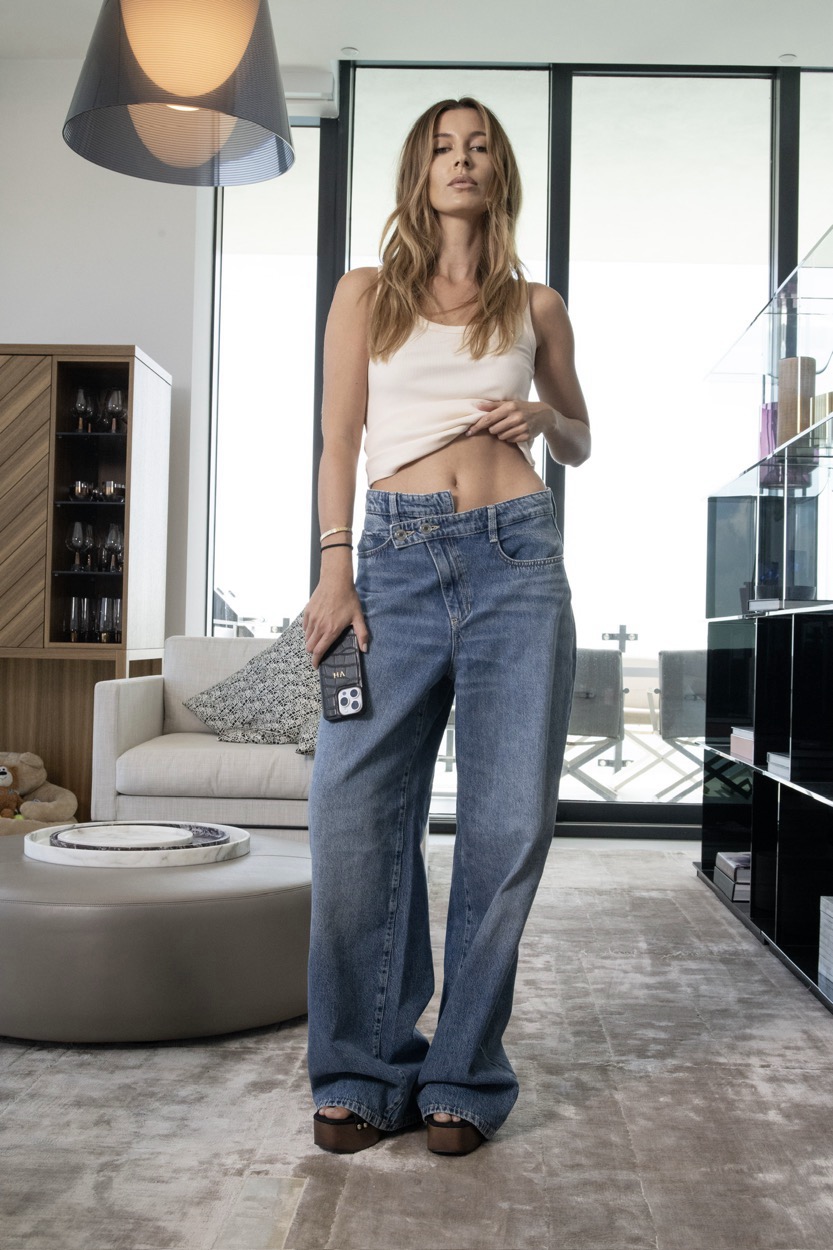
Women absolutely gained more control over their image than they had under older media systems. But the trade-off is that now you’re expected to become your own magazine, publicist, strategist, muse, editor, photographer, creative director, and algorithm analyst simultaneously.
Authorship exists. So does exhaustion.
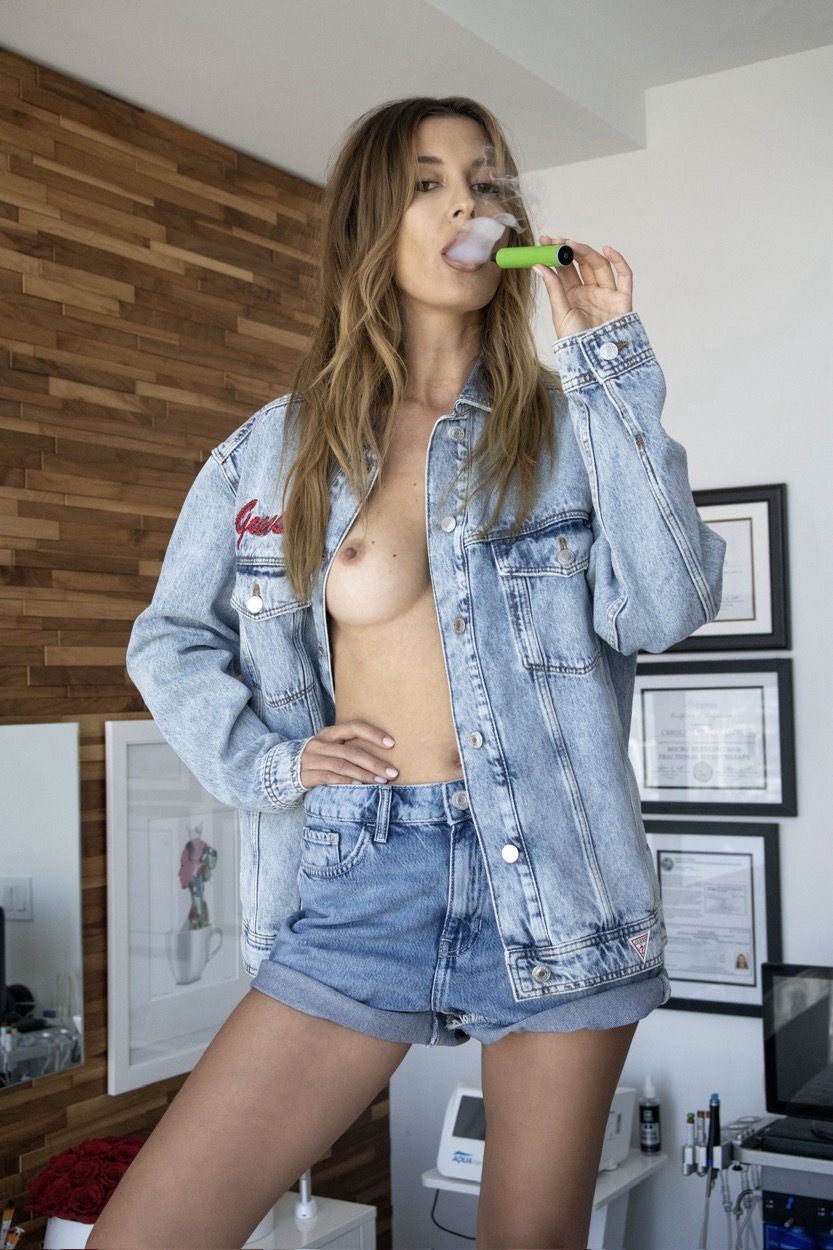
And ironically, the more images we produce of ourselves, the harder authenticity becomes. You become hyperaware of your own face as material. Your own personality as branding inventory.
Now you’re expected to become your own magazine, publicist, strategist, muse, editor, photographer, creative director, and algorithm analyst simultaneously. And ironically, the more images we produce of ourselves, the harder authenticity becomes.
VH: I don’t think anyone fully escapes it.
The strange thing about beauty culture is that even when you intellectually understand something is constructed, your body still reacts emotionally to images. Awareness doesn’t automatically create immunity. Unfortunately.
I think the healthiest people are probably the ones who stop treating beauty as morality. Looking good isn’t virtue. Looking bad isn’t failure. It’s just one language among many.
VH: I do think women are trained much earlier to observe themselves from the outside. There’s almost a built-in self-camera.
A lot of women enter rooms already imagining how they appear inside them. Men obviously experience insecurity too, but I don’t think they’re socialized into self-surveillance with the same intensity or from such a young age.
Girls learn very early that being perceived is part of the experience of existing.
VH: 2016 sexy felt louder. More performative. More “Instagram face,” nightlife energy, obvious aspiration.
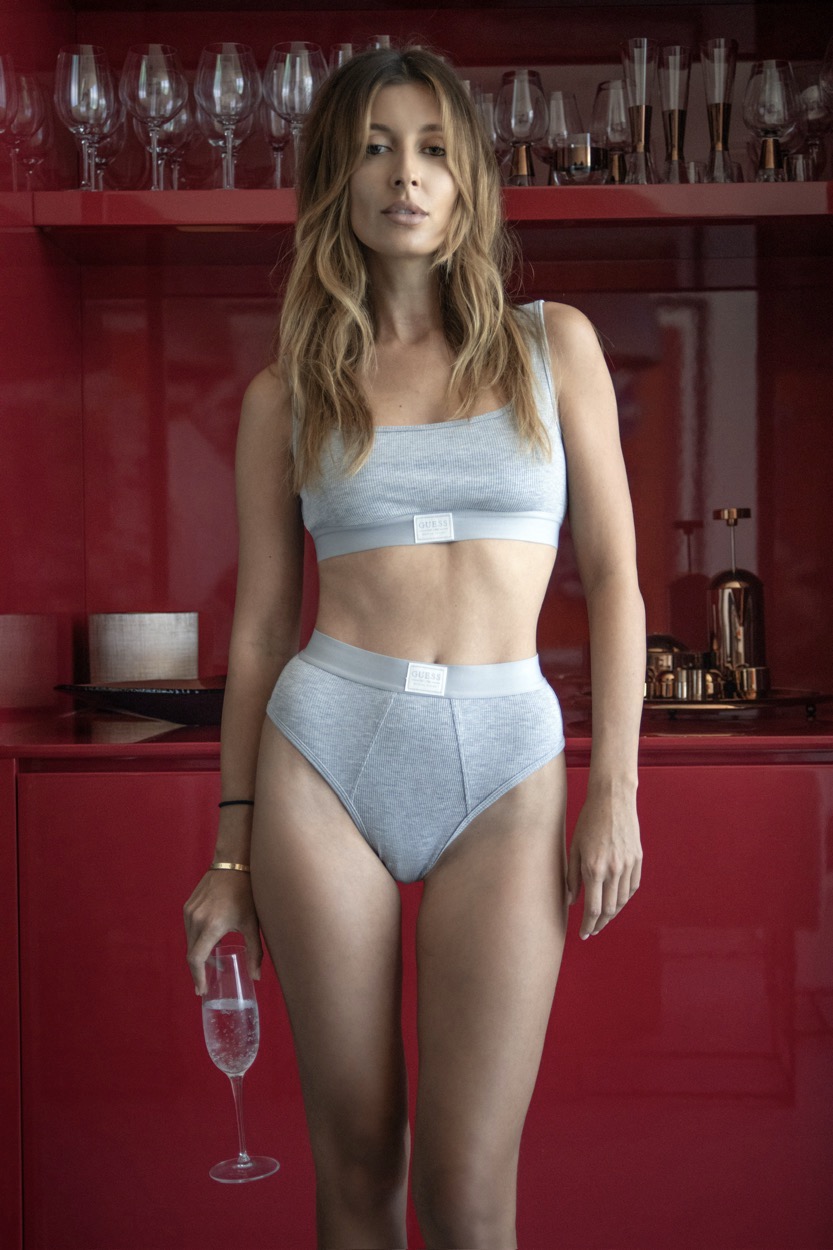
Now sexiness is pretending not to try while trying incredibly hard. Everything became more understated aesthetically but way more optimized underneath. Even “natural” beauty now feels technologically engineered.
What surprises me is that despite all the discourse, people still respond to the same old things. Confidence. Humor. Presence. Charisma. Danger. Chemistry. Human attraction stayed weirdly ancient underneath trend cycles.
VH: Barely.
I think hyper-self-awareness kills eroticism a little. Desire needs some irrationality. Some loss of control. Some unedited energy.
Social media made people extremely conscious of how they’re being perceived at all times, which flattens spontaneity. A lot of contemporary sexiness feels focus-grouped now. Beautiful, but emotionally refrigerated.
VH: I find excessive perfection cold. Faces with no friction. People who seem edited in real time while speaking. Nothing kills attraction faster than feeling like someone already pre-approved themselves before entering the room.
A lot of contemporary sexiness also feels optimized for spectatorship. Everyone knows their angles, their lighting, their archetype. It’s aesthetically impressive but emotionally flat.
I find “universally attractive” energy a little cold now, too. The more someone feels engineered to appeal to everyone, the less interesting they become.
What I find attractive is specificity. Humor. Obsession. Contradictions. Slight chaos. Someone with an actual inner world. Someone who disappears into things instead of constantly monitoring themselves inside them.
Curiosity is sexy. Intensity is sexy. Slight social unawareness can actually be sexy now because it feels rare.
I think overexposure killed mystery a little. Everybody narrates themselves constantly now. Their routines, thoughts, relationships, skincare, trauma, dopamine levels. Nothing stays interior.
What I find attractive is discretion. Not secrecy in a manipulative way. Just someone who still has a private world.
VH: I think women tried to reclaim it internally, but we still live socially. Nobody exists fully outside perception.
The healthiest version is probably somewhere in between. Sexy as self-possession rather than approval.
Not “I don’t care what anyone thinks,” because that’s rarely true. More like: “I’m no longer fully outsourcing my value to the room.”
That feels closer to freedom than confidence-as-branding.