
Poetic Narratives: Franka Marlene Foth on Dance, Creation and Authorship
For Numéro Berlin’s project “POETIC NARRATIVES”, Franka Marlene Foth choreographed a conceptual, almost hypnotic dance, reflecting upon the abstraction of movement. Next to the skilful performance of eight dancers from her collective, it was also the looks that truly stood out: Chanel’s designs, ranging from the classic tweed costume over magnificent embroidery to flowy fabrics and playful bags as accessories, truly elevated the elegance of this to another level.
Hosted by Numéro Berlin, the video was first shown on July 1 at Schlachter 151, with an exclusive selection of guests including Sven Marquardt, Hannah Herzsprung, Noah Becker, Solange Smith and many more. Next to the video, there were also high-quality print stills on display, enabling a more steady look at the beautiful designs.
Scroll below to read more about director Franka Marlene Foth and her choreography.
placeholder for video
Director and Choreographer: Franka Marlene Foth @frankamarlenefoth
Cinematographer: Fynn Stoldt @fynnstoldt
Photographer: Frangipani Beatt @frangipanibeatt
Styling: Götz Offergeld
Hair: Samir Krdndic @samirs.jpg
Make-up: Olivia Nwachukwu @liv_gate
Make-up Assistant: Jesse Strikwerda, Niccolo Brumat
Production: Elvin Ayanoglu
Director’s Assistant: Katharina Spatz @spatzlova
Styling Assistant: Rosa Lobe, Andrea Gombalova
Set Assistant: Gabriel Pal Singh Chohan
Gaffer: Liam Mulligan @liammulliganphoto
Sound Design: Oleg Solovey @fire_of_your_loins
First AC: Justin Konetzke
All Looks Chanel Métiers d’art 2026
Performers:
FMKF Studio @fmkfco
Yi-Wei Tien @yi_wei_tien
Janan Laubscher @janman_
Franka Marlene Foth @frankamarlenefoth
Camille Jackson @frau.jackson
Meyron @meyron_
Viktoria Yerchyk @viktoriayerchyk
Marharyta Pasliadovich @margerryyy
Masha Yakobchuk @maaakobchuk
Ekaterina Privalova @privalovka
Poetic Narratives: Franka Marlene Foth on Dance, Creation and Authorship
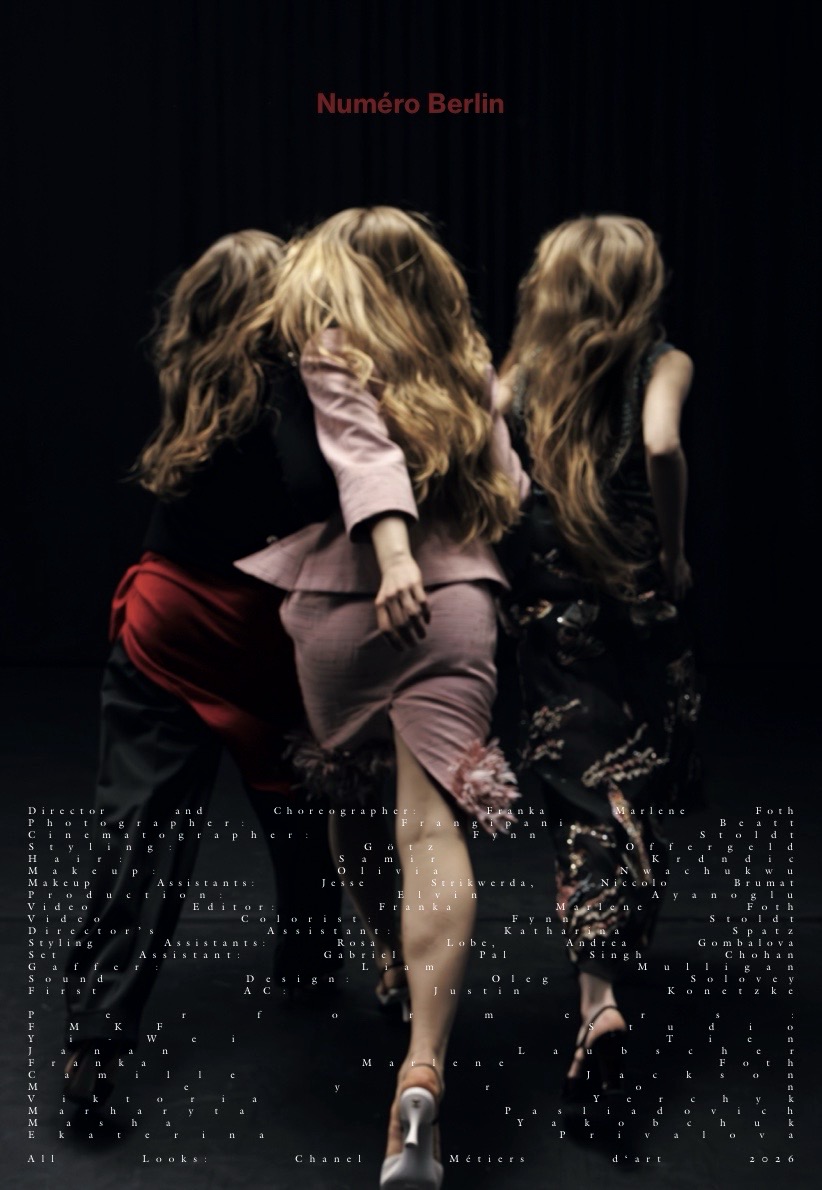
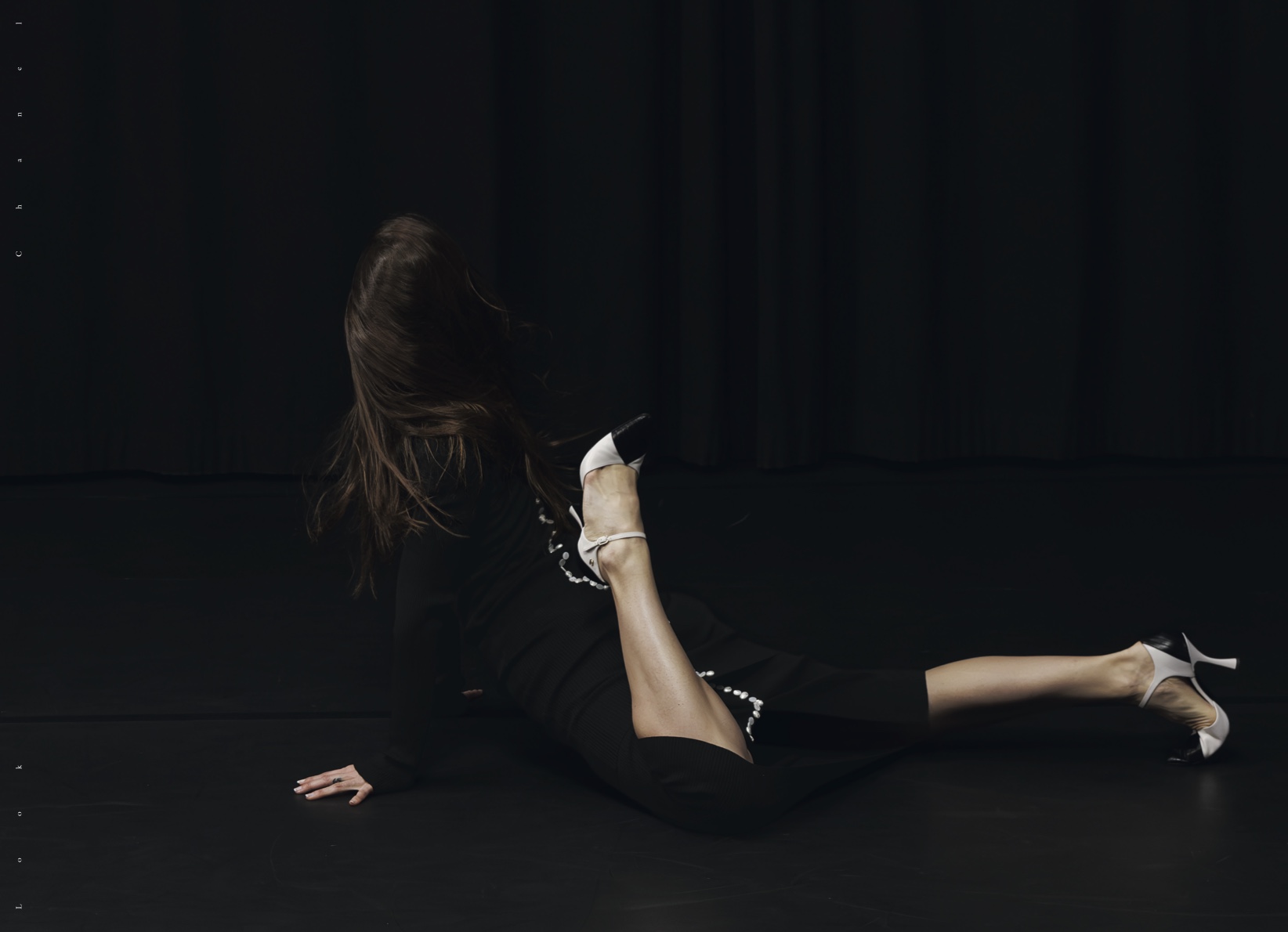
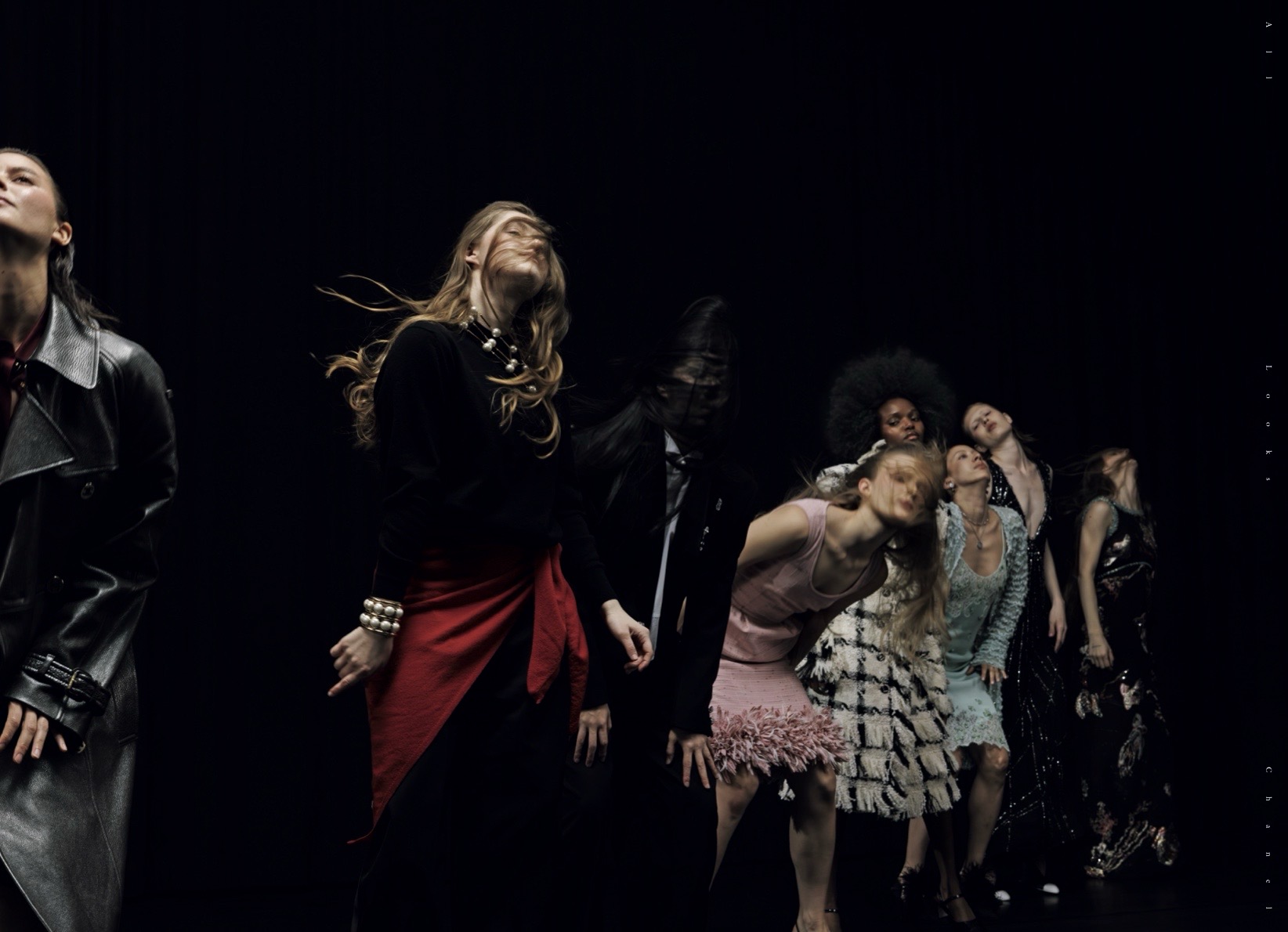
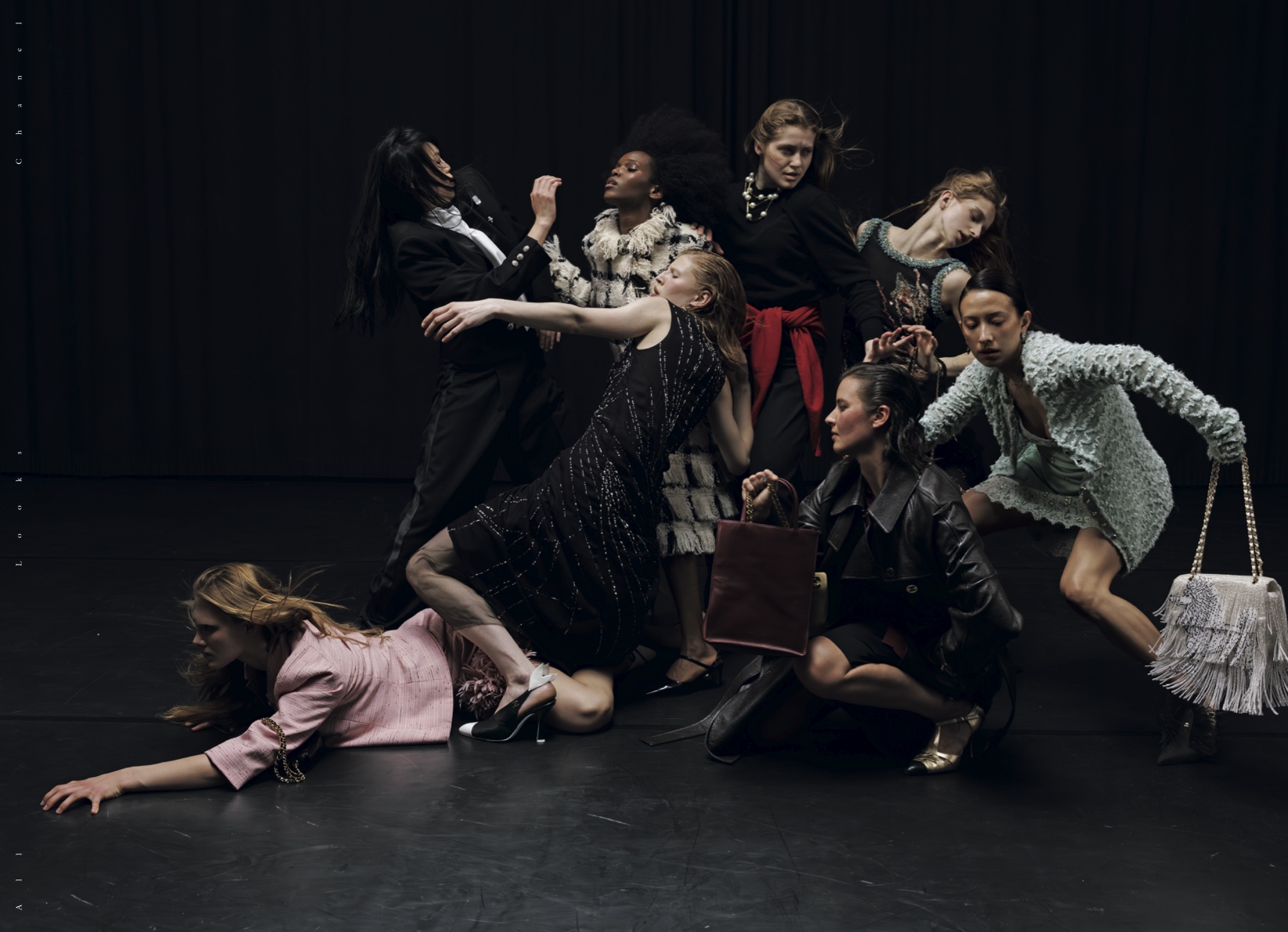
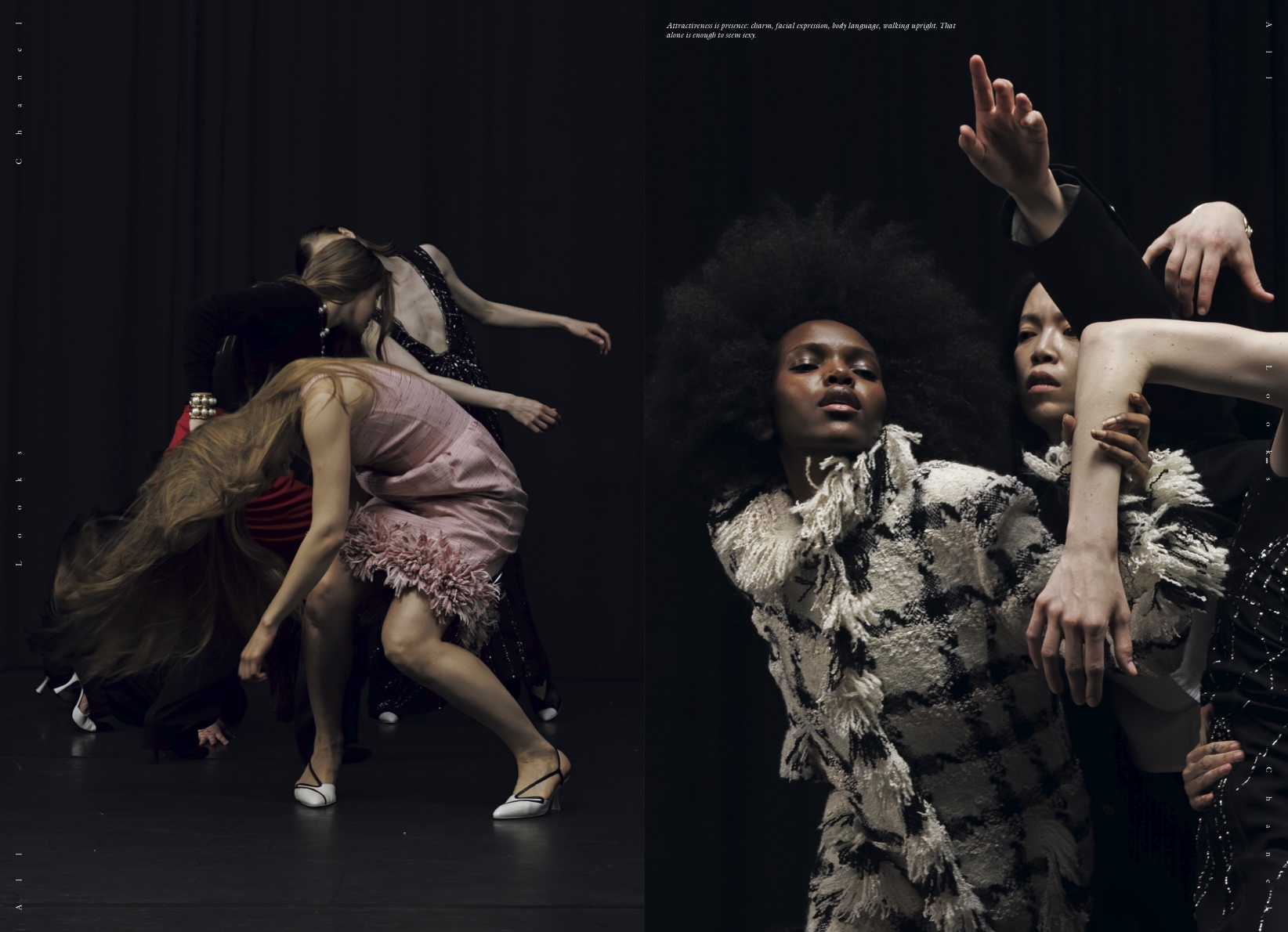
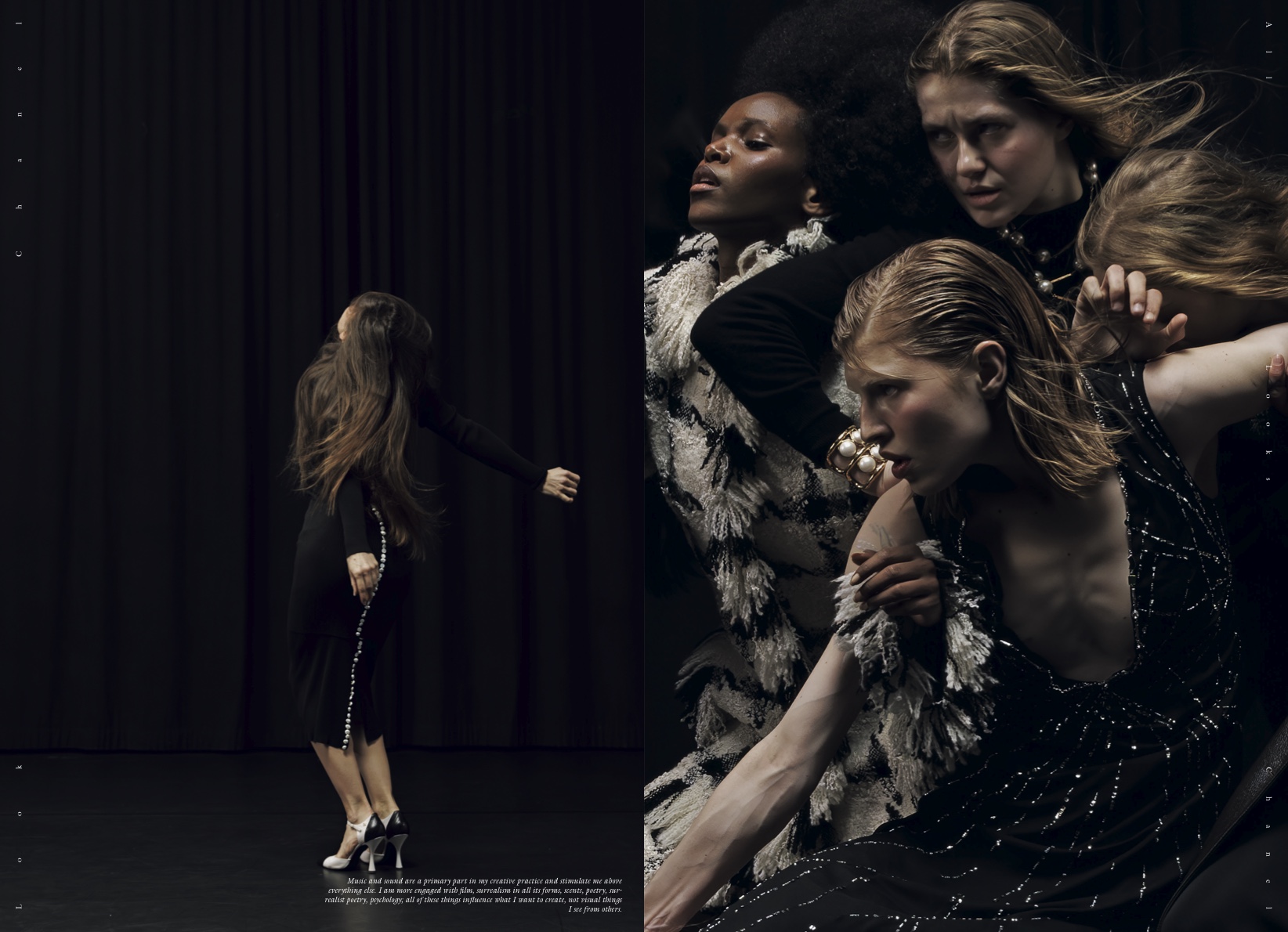
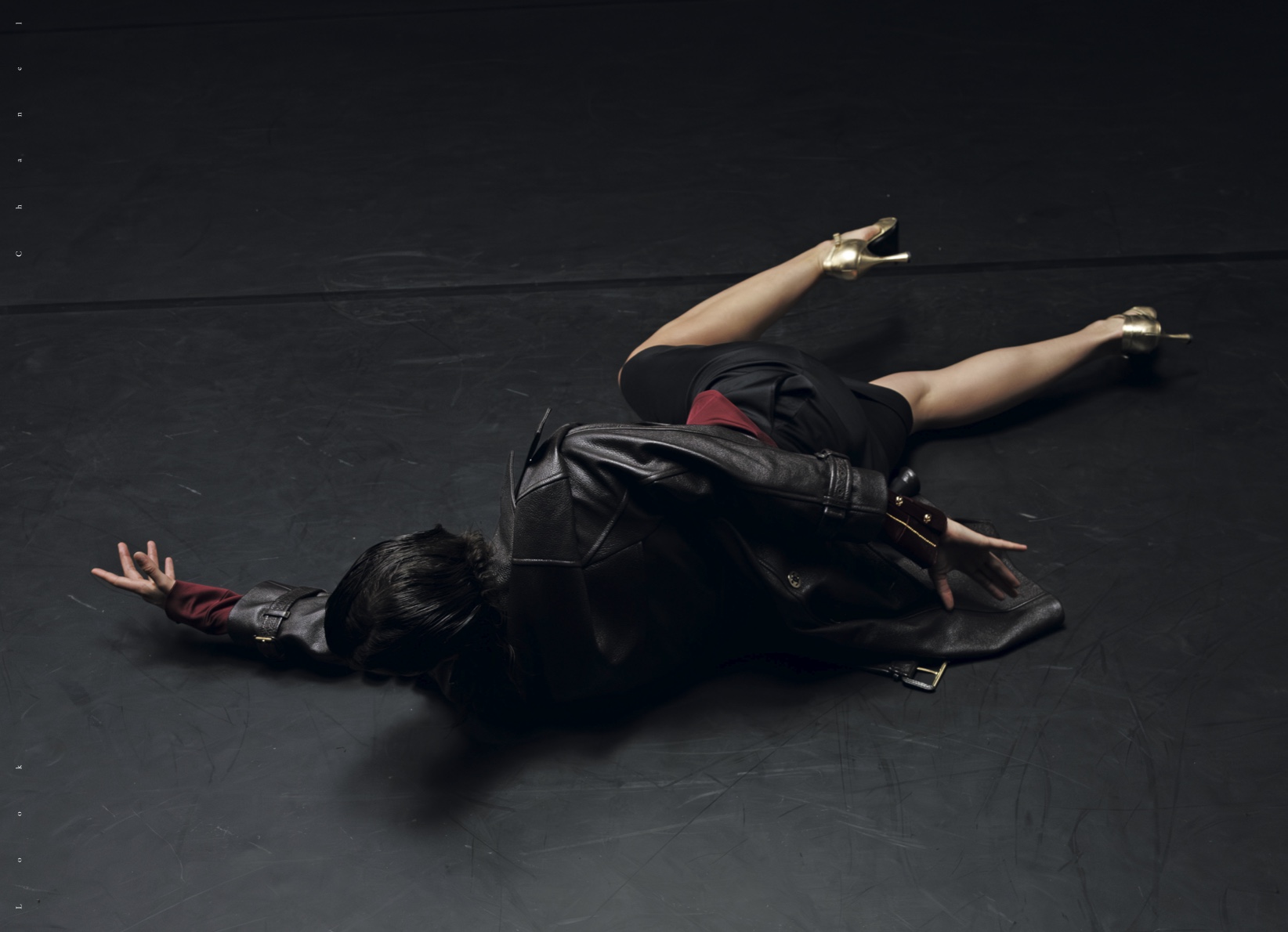
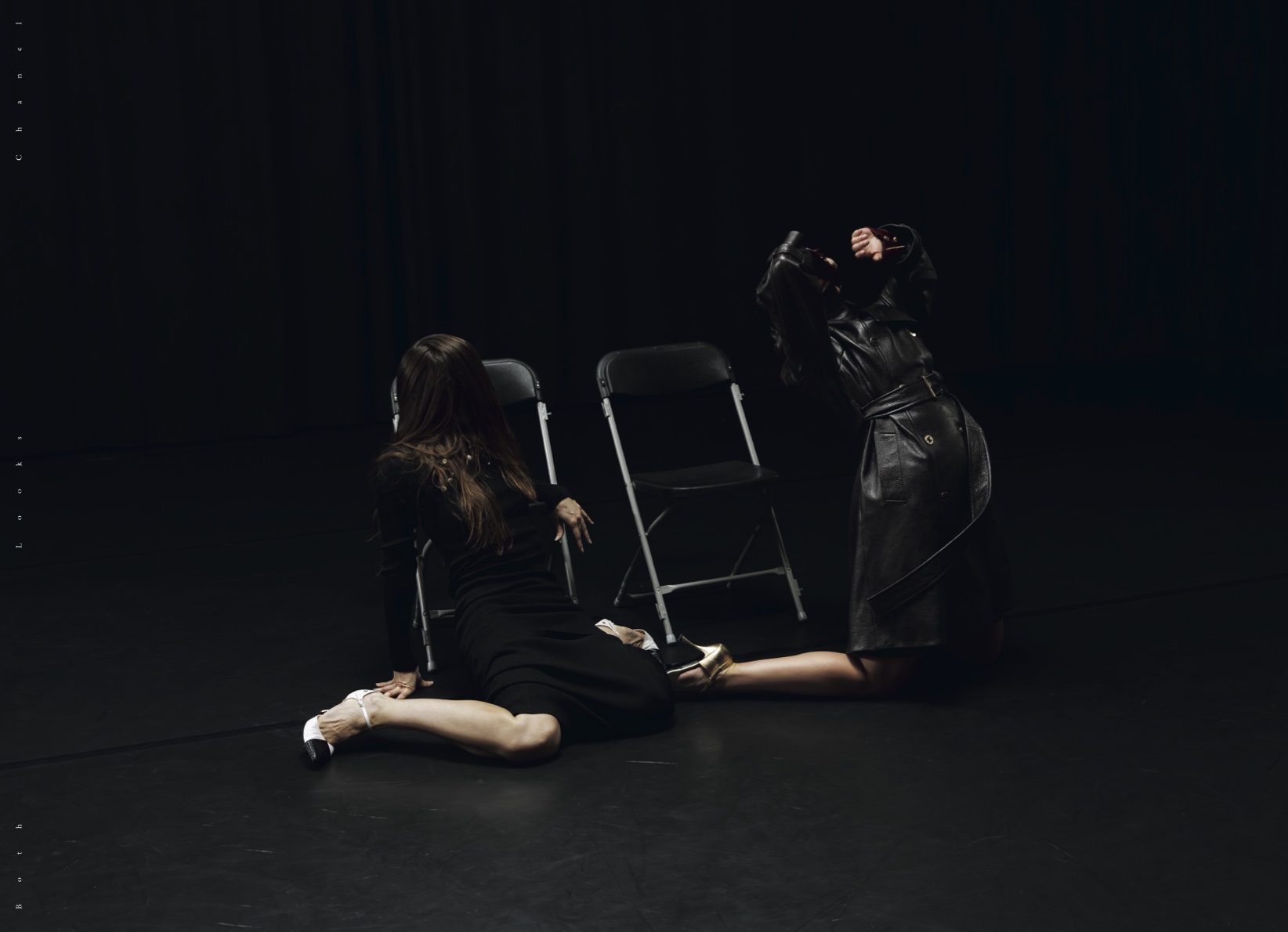
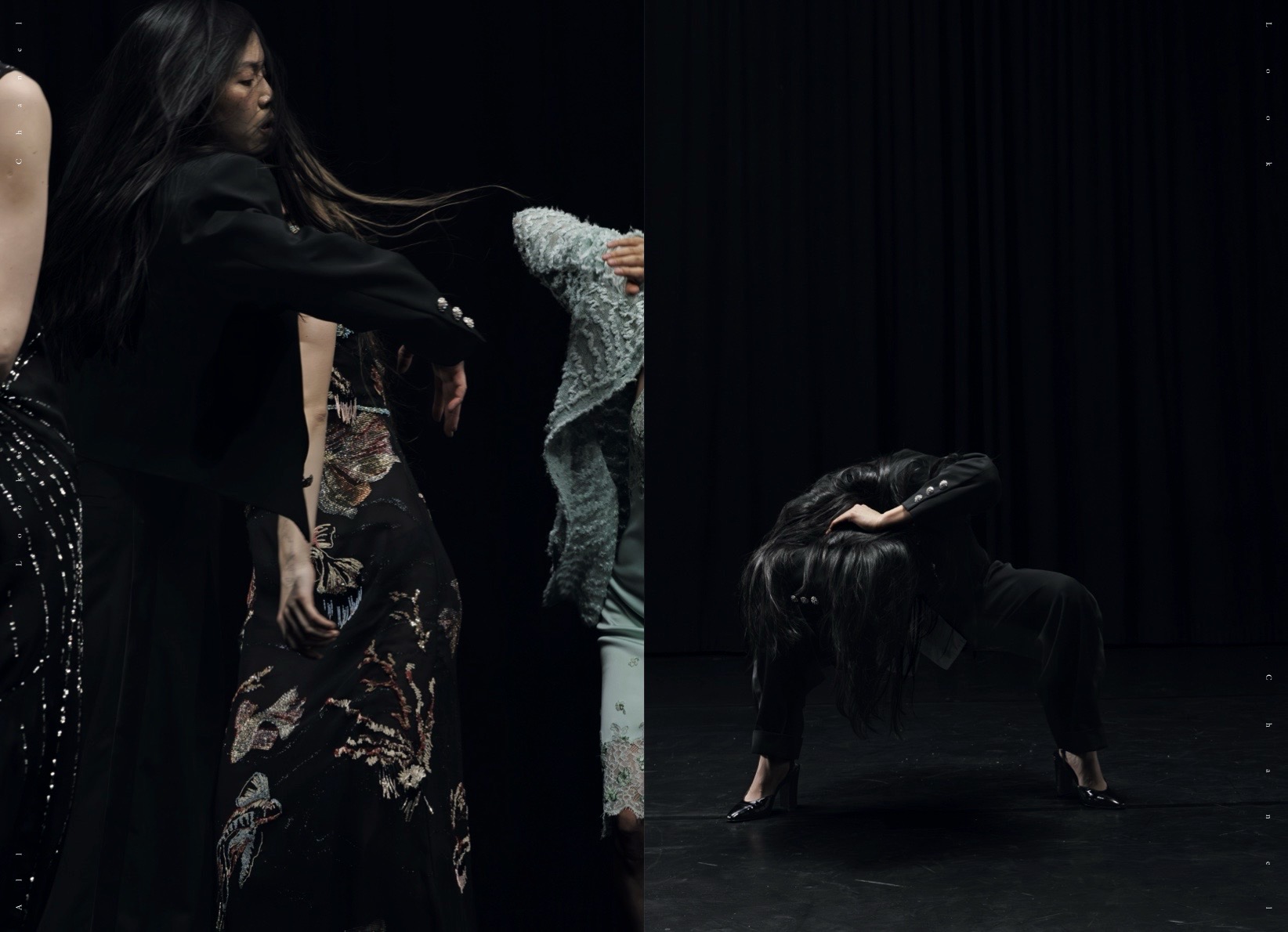
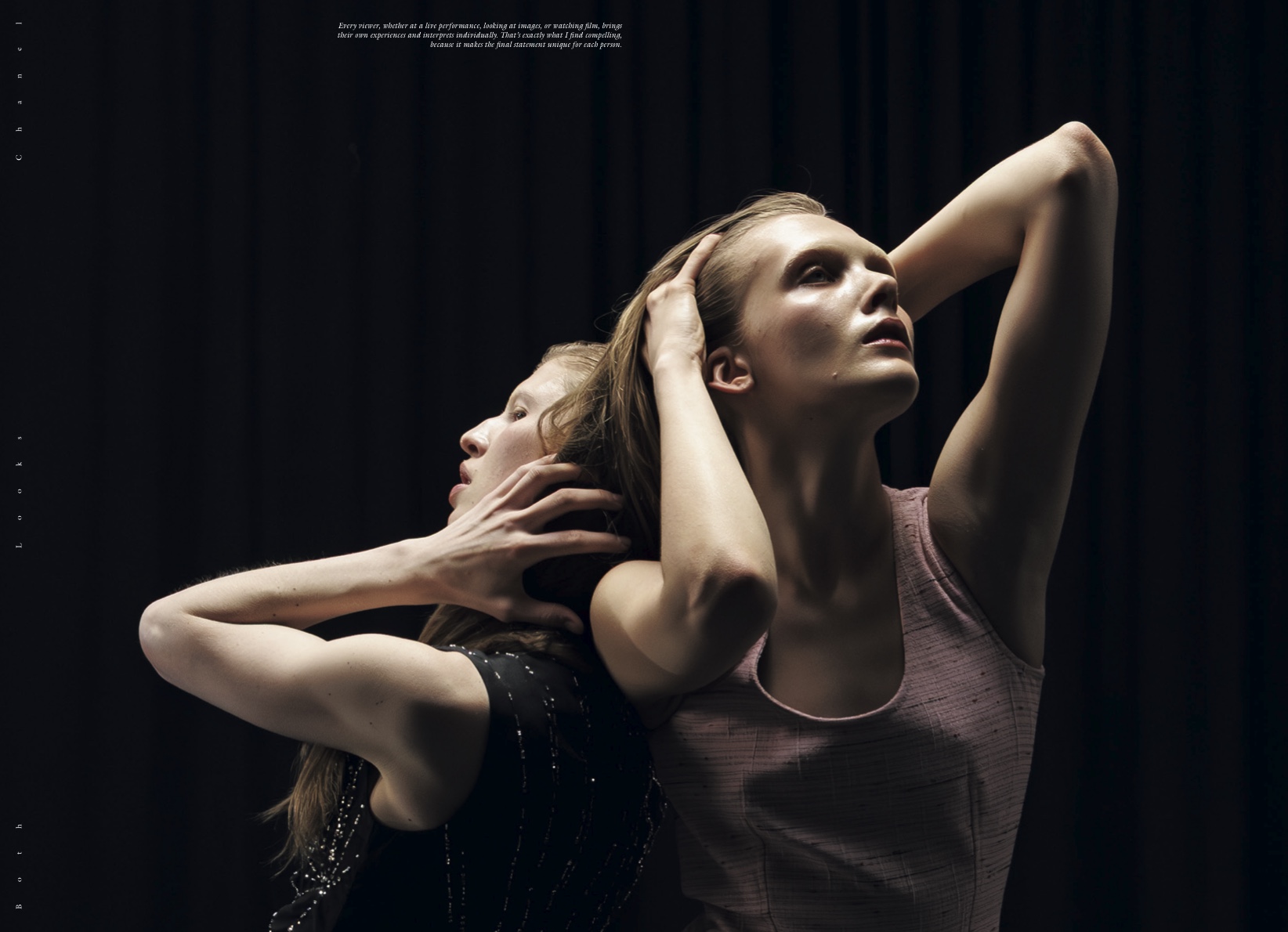
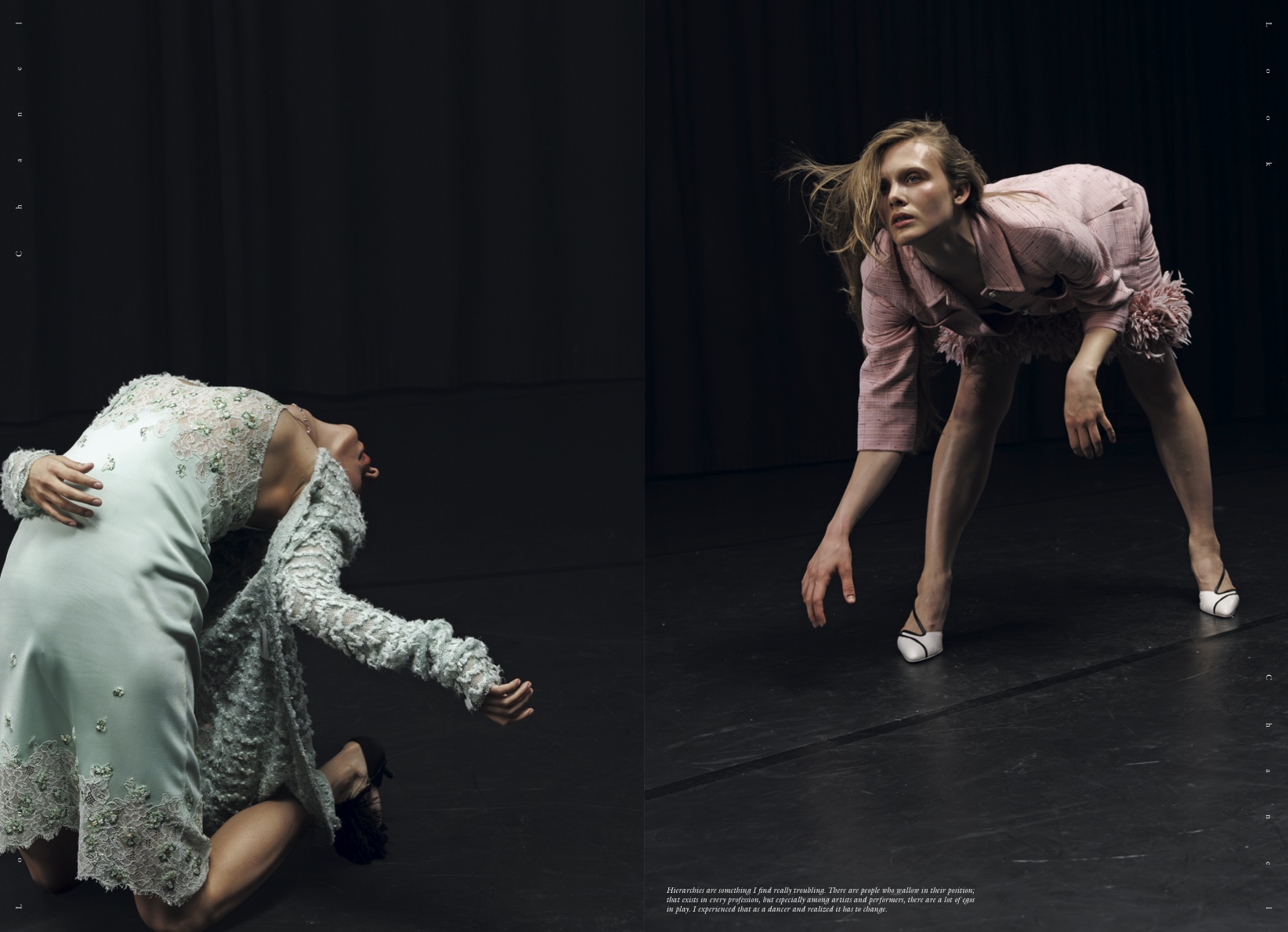
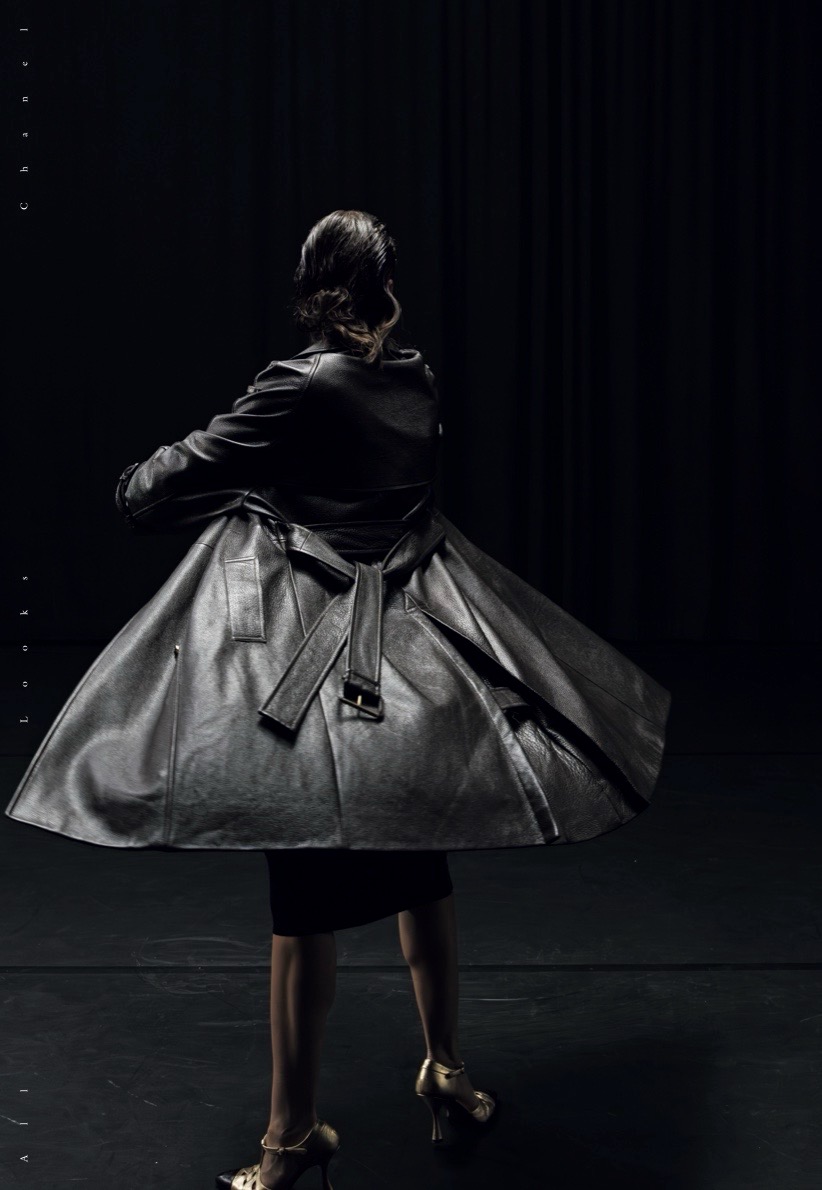
Franka Marlene Foth didn’t really decide to become a dancer. She started training young, got her first job at 16, and by the time a conscious decision would have been required, it was already happening. Today she works across choreography, directing and photography. For this issue, she created an exclusive project with Numéro Berlin – bringing together the dancers of her collective FMKF for a shoot that creates an expressive, gestural dialogue with Chanel’s latest Métiers d’Art collection. Intense choreography, untamed women, moved by raw, dreamlike emotion.
Her creative practice is built on contrasts and driven by sound. When given a brief, she looks first at what the obvious response would be and then deliberately heads the other way. Music precedes everything that is staged. From there ,inspiration comes less from dance itself than from film, surrealist poetry, scent, and psychology, anything that generates an interior state rather than an aesthetic surface.
In conversation with Numéro Berlin, she talks about the moment she stopped making work under other people’s names, what it actually means to collaborate without hierarchy, and why the way people are treated in a room shapes everything that comes out of it.
FRANKA MARLENE FOTH:
I have to dig really deep for that, because I started so early. I’m not loyal to one specific medium and I never had that thought in my head: “I want to become a dancer.” It just happened. It was always a very effortless ambition. I trained incredibly hard from a very young age, simply following my passion, and then quite early on, I got my first jobs as a dancer at 16, alongside school.
FMF: As a background dancer, and I also created shows for live events. That showed me pretty directly that I can do this, I’m already earning money while still in school. It really fueled my desire to pursue it. But it was a gradual process. I just followed what I wanted to do. I was obsessed with training and was sometimes given leave from school to compete. I was completely absorbed in it. When I got my first jobs through my hard work, I realized: Oh, this is actually working. I’ll keep going. And since it was happening alongside school, I lost interest in school entirely. I just wanted to work as a dancer. So I wasn’t following some grand dream; I was following my passion, my desire.
FMF: Exactly. I had no external idea at all. Which many people do have, and with it a false notion of what it means or how you get there. Meanwhile, I was training six hours a day.
FMF: That was during that period, yes. I always dabbled in everything, but I was really deep into those styles then. There have always been phases in my life where I focused on certain styles. I needed variety and got bored quickly. Ideally, I’d master everything perfectly, which obviously isn’tpossible, so I was always jumping around. That actually paid off, because it made me totally versatile. But it was never a deliberate decision; it was more like: this interests me more right now.
FMF: Straight into a dance training program. I always say it was just additional training, since I’dbeen doing it all along anyway. But I wanted a contemporary education, because up until then, I’dmainly focused on urban styles. I thought: Okay, I want to move more into theater, do more contemporary work, immerse myself in that world. So I did the program.
FMF: That one was more conscious. By a certain point, I’d been working as a dancer for a long time, and there was always something that bothered me, something I would have done differently. Then I realized: I can’t keep criticizing others for ideas I don’t think are good. I have to do something different myself. That was the shift. I want to show my own vision, realize my own ideas, and follow my own aesthetic affinities, not execute someone else’s.
FMF: Absolutely. I’d frame it more on a psychological level, the way the dance world operates. Speaking critically from my own experience and that of most dancers: What mattered to me was not wanting to be treated that way anymore, and doing it differently. Many choreographers work together with dancers, but the dancers develop a great deal themselves. I experienced giving everything I had, only for the choreographer to put his name over it at the end. I thought: Wait, that’s not my vibe. What I give, I don’t want to do under someone else’s roof. What really confirmed it was this: I created something, it was immediately taken, and I thought, wait a second, I’m doing this on my own now.
FMF: Totally. It was a process where I realized I want to do this myself, because I’ve already been creating most of the repertoire and my own visual language came through. The artistic ethos and the way of working with other dancers and artists should be different on a human level, precisely because it is a collaboration.
FMF: It’s always different. I have very strong and precise visions and I’m quite specific and perfectionistic about what I want. I know pretty clearly what I want. But the dancers, with what they’re capable of, are of course crucial. Without them, I couldn’t do what I do. It also always depends on who’s involved. If it’s dancers I’ve worked with for a long time, like the people from FMKF, my collective, then by now, it’s a kind of symbiosis, because they know me and I know them. If I say I’d like something a certain way, they’re already moving roughly how I want. And of course it’s a total interplay. I’m very specific in the choreography and instruct my movements concisely; I create the framework and the foundation of the entire piece. But every dancer also brings their own character, and I love that. I don’t want clones. I love synchronicity, but I also love the different characters and the fact that they come onto the stage individually and bring something of their own. It’s a process of give and take.
FMF: Yes, I have a precise idea and I prep. I want everything to be executed with excellence and quality, but I’ve also trained myself not to over-prep. I used to do that, and when something didn’twork out, I’d lose it: bad perfectionism. These days, I try to be more relaxed, because keeping that window open for interpretation and spontaneity is really important. On a day like that, I’m also trying to compress five weeks of work into a single day, which only works with the right dancers. And something else that is really important to me in my work is how people are treated. Especially on set, where it’s always stressful, or in rehearsals, it matters to me that they feel seen, even when I’m telling them very precisely how something should be. I think by now, I manage that quite well, so that they feel valued as artists.
“Hierarchies are something I find really troubling. There are people who wallow in their position; that exists in every profession, but especially among artists and performers, there are a lot of egos in play. I experienced that as a dancer and realized it has to change.“
FMF: It was always my trainers who shaped me. There were so many of them, and I switched when something no longer worked for me. But they were truly personal relationships. It wasn’t just someone somewhere in the world I admired from a distance. I also never really thought about dance theoretically or read much about it. It was always physical work. Inspiration came through colleagues, trainers, and dancers I worked with, or through people I met at workshops and training sessions around the world.
FMF: A lot came through conversations among dancers, of course, but I was physically far too busy to be reading much about it. It’s competitive sport; I was focused on becoming a better athlete and just getting better in training.
FMF: It depends. You can apply that to anything. First and foremost, I prioritize substance overhype. I wouldn’t ever say that engaging with dance is a problem; it’s much better than engaging with plenty of other things online. But these trends exist, absolutely, and that’s also down to online culture and social media, which is why I keep trying to do a complete detox. While I appreciate other people’s dance, of course my creative inspiration is shaped far more by influences beyond it.
These trends get boring fast. Something goes viral and everyone rushes toward it. I prefer authenticity over trends. I always think: This didn’t just appear now, I see the reference and there are a thousand other versions of it everywhere. But now, everyone piles onto this one piece, even though there are ten other great ones out there. What bothers me more is that the hype is rarely questioned. The visuals circulating online are barely analyzed or critically examined. Where does this come from, what references were used? I immediately see: Oh, this aesthetic comes from this or that context, and I think, people, do your research. That’s just the curse of social networks. I’m also not even sure if more is actually happening, or if we’re just seeing it more often. Because it’s constantly being shown, you get the impression it’s everywhere.
FMF: These days, I’m guided more by desires than by fixed ideas. These wishes and desires are very intuitive, influenced by life, by personal experiences, immediate observations and events, and sometimes by things that aren’t personal at all. Ideas can be spontaneous, irrational, but still precisely structured. Music and sound are a primary part in my creative practice and stimulate me above everything else. That’s the key mood for everything I do, creatively and especially with dance. I am more engaged with film, surrealism in all its forms, scents, poetry, surrealist poetry, psychology; all of these things influence what I want to create, not visual things I see from others.
The inner processes are shaped by all of that, which leads to new things emerging, or to me feeling stimulated. In dance, I’ve already seen so much. I understand most things immediately. But I’m also making it myself, so it became more an observation of something that exists. I’m always curious, and enjoy being in circles where people are more used to avant-garde ideas, and even though everything has existed in some form before, new impulses still emerge. At some point, inspiration shifts toward other fields. You develop other interests or a different understanding of what you’redoing. I haven’t been doing just “the one thing” for a long time now. I am operating in many fields such as directing, photography and design. I think it’s just a process you go through that can’t really be defined precisely.
FMF: For me, it goes like this: When I’m told to create something, there’s first a storm up here. A thousand ideas in my mind, then I have to limit myself.
Inspiration came initially from the Chanel New York collection. I looked at what the aesthetic was and quickly realized I wanted to create a contrast, because the collection already implies something. You can go along with the aesthetic or set a contrast; I usually find the contrast more interesting than what’s already expected. Through that, I then realized what I actually wanted to create: an emotional atmosphere, something extreme, with a lot of expression, with wind, storm, effort, heaviness. Those were my keywords. You also shared the editorial direction for the issue, and it was quickly clear: women, strong, untamed women. I don’t need to go searching for that; all the dancers I work with already embody it. Then came the question of who to bring on, and from there, the characters I want to create emerge immediately. In parallel, I developed musical ideas, also in contrast to the collection. Everything happens first in my head before I go into the studio. I have an understanding of how things go together that’s purely sensory based, so the music I create in turn influences the visual images I want to realize. And I play with sounds and images until the two ignite each other.
FMF: Naturally, I have musical references that come to mind immediately, and those shape the key mood.
FMF: I actually played the snippets, I think. Those were references for the various emotions I wanted to bring in. I had a fairly broad spectrum of playlists, because each emotion I wanted to convey is carried by different tracks and genres.
Every genre has its own mood, which influences what’s being portrayed. Since I wanted to show a variety of emotions, I played many different pieces, which I then bring together in the final version. I experimented a little along the way: What happens here? Oh no, that doesn’t work anymore, that goes out. Or suddenly, something different is happening than I expected. I deliberately leave that window open for spontaneity and interpretation, and if necessary, I rewrite sections afterward.
FMF: They can be quite varied, to generate different qualities and characters. I write down keywords I give to the dancers. Unapologetic, chaos, dreamlike, self-possession were a few in this case. In group work, which I love to do, I can use that to create compelling images with the bodies. When the dancers bring a variety of emotions into it, I find that especially interesting. So I give everyone different keywords on the day, exactly as I did this time.
FMF: Sometimes I also do it contrarily. If I see that something is happening on the left, I need exactly that from her at the top right. I react spontaneously on set, adjust things quickly, and change instructions at short notice. That’s why I need ultra-professional dancers who can respond immediately. I can say: “Forget what I told you two days ago, I need exactly this now.” Or I switch roles: “You’re playing this role now.” It’s very dynamic.
FMF: I work with poetic narratives rather than with classic stories because for me, it’s primarily about expression. I’m reluctant to prescribe a fixed meaning because that often limits the viewer’simagination. Even I sometimes see something different depending on my mood on a given day. That’s why it’s important to me not to give concrete guidelines, and even when I have them, I’m hesitant to voice them.
“Every viewer, whether at a live performance, looking at images, or watching film, brings their own experiences and interprets individually. That’s exactly what I find compelling, because it makes the final statement unique for each person.“
FMF: I agree. When it comes to dance though, I’m here for it all. Everything has its place. It’sexpression, and it should also be fun. If you want to let yourself go and throw yourself onto the floor, naked or half-naked, and perform classic forms of sexy-coded movement, go for it. But this alone does not do it for me. It, again, is more about finding interesting contrasts. I, for example, always wanted to move like my male colleagues, also in a sexual way. In the end, it’s all about poise, charisma, and remaining authentic.
FMF: The women I work with are sexy just by being themselves; they don’t even need to express it. When they then consciously do so, it’s often a tick too much, because sexiness for me doesn’tautomatically mean moving in a certain expected way. It’s not about delivering what people already associate with sexiness, but creating a contrast instead. And that’s exactly what I find especially compelling. A rupture. I also like the word “attractiveness” better than “sexy,” and I think it’s much more powerful. Attractiveness is presence: charm, facial expression, body language, walking upright. That alone is enough to seem sexy, and you can go into a lot of detail there. In dance,especially, I pay close attention to moving away from clichés. Even though I find classically clichéd dances totally admirable, in my own work, I always try to set a contrast, to move away from the first association. That’s really my main creative process: thinking about what the obvious association would be, and doing exactly the opposite.
TO WATCH “POSSIBLE LOVE” BY LEE CHANG-DONG
In "Possible Love", Lee Chang-dong explores the distance between social classes and the…
IN CONVERSATION WITH IMAN TAHERI & CONROY CHAN
In conversation with Numéro Berlin, Conroy Chan and Iman Taheri discuss creative…
WEEKEND MUSIC TIP PT 114 BRUNO KAWELKE
What if you could travel through time without ever leaving the present? On his debut album…
TO WATCH “LONDON” BY SEBASTIAN BRAMESHUBER
In Sebastian Brameshuber’s "London", a series of seemingly incidental car rides becomes…
IN DIALOGUE
An exchange of creative perspectives. For Numéro Berlin, Pia Momo reinterprets a…
WEEKEND MUSIC TIP PT 113 VERSACER
Since 2020, VERSACER has been shaping a sound somewhere between indie pop, ’80s jangle…