
THE HUMAN COST OF MAKING LIFE EASIER
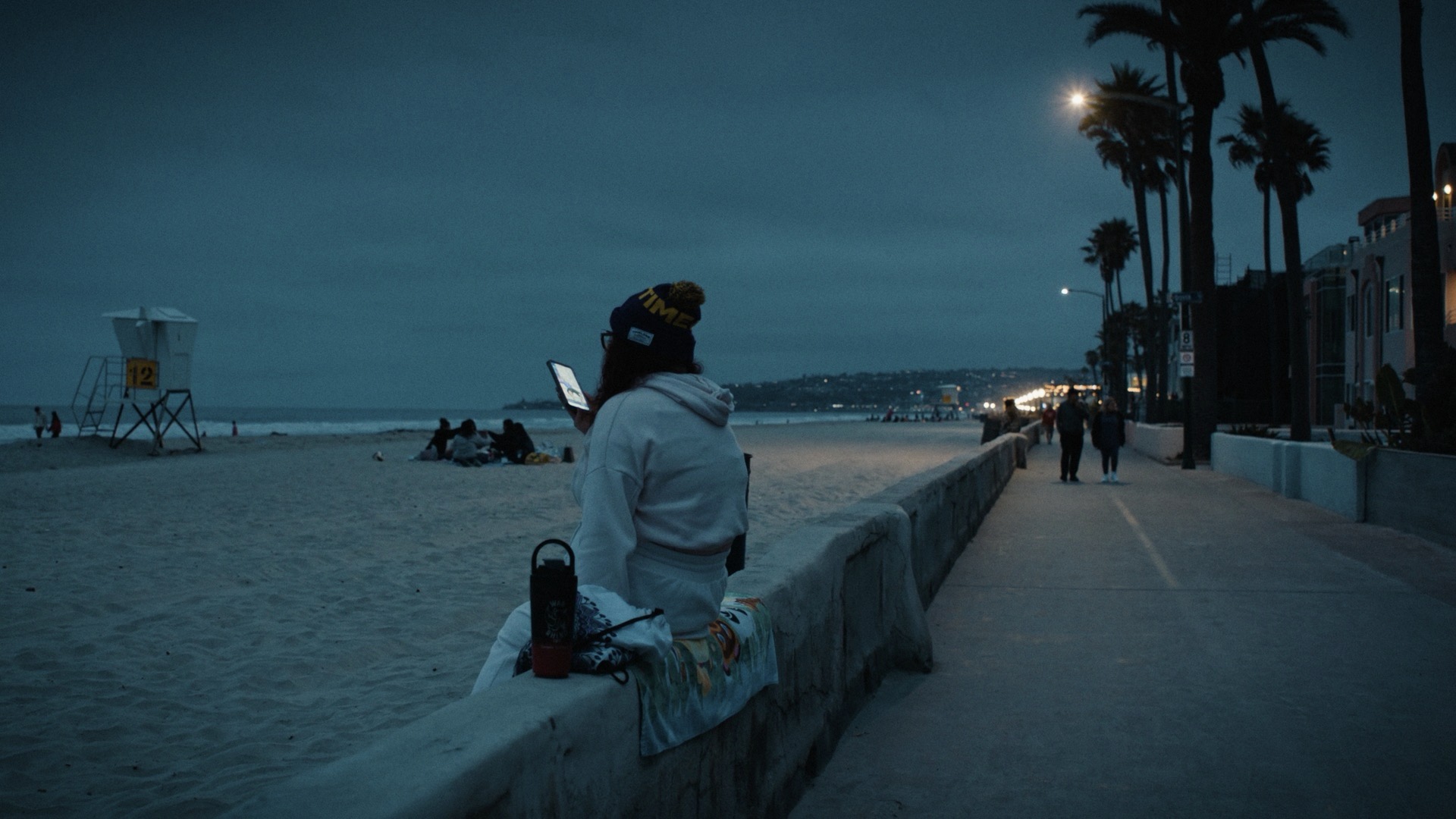
With the rise of AI, humankind has gotten faster, more efficient, and more knowledgeable in many aspects. But you pay for it in other ways.
CALL YOUR MUM INSTEAD OF CHAT GPT
Every time you ask ChatGPT what to put in the microwave and what not to, you miss a chance to call your mum. And you may laugh now about one missed call, but if you calculate it, those are a lot of missed chances to give your mum a feeling of being needed, despite being somewhat of an adult.
Every time you’re desperately orienting yourself through Google Maps, you miss the chance to ask a stranger for directions, sparking a conversation. Who knows, maybe even meeting the love of your life?
Recently, I went to Nepal, having a beer in a local imbiss, only to witness my brother asking AI which beer on the menu was the local one – instead of asking the owner, who has spent her entire life in this very country.
Maybe I am just a hopeless romantic who tends to overly worry about things, but I do think this development may be more dangerous than it is promising. And looking at the rise of analogue cameras, vintage record players, and flip phones, it seems I am not the only one in my generation craving a slower life, more tangible things, and simply – human interaction.
JUST TRAIN YOUR DREAM PARTNER
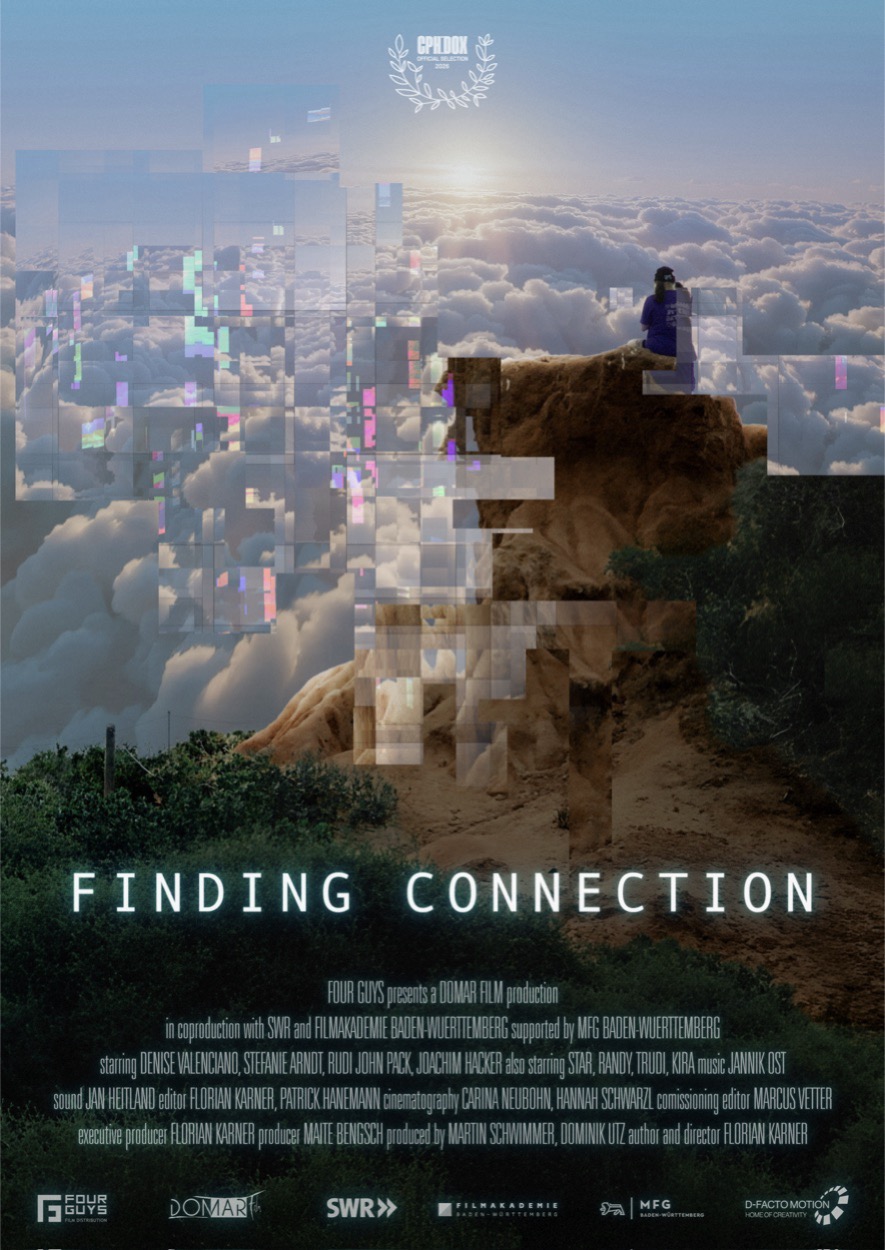
Florian Karner has a different approach. His final graduate production from film school in Baden-Württemberg zooms exactly into that intersection: relationships in times of highly advanced technology. As he explains:
“Instead of rushing to judge or pathologize, I found myself asking a more fundamental question: What human need is being revealed here? Despite being more digitally connected than ever, many people feel profoundly unseen. Loneliness is no longer a fringe experience; it has become a quiet undercurrent of modern life.”
The movie begins by informing the viewer about the usage of AI, a disclaimer that seems unusual at first but will probably become a normality soon.
His movie, „Finding Connection“, demonstrates what modern relationships could (or do) look like, showcasing four examples from different countries.
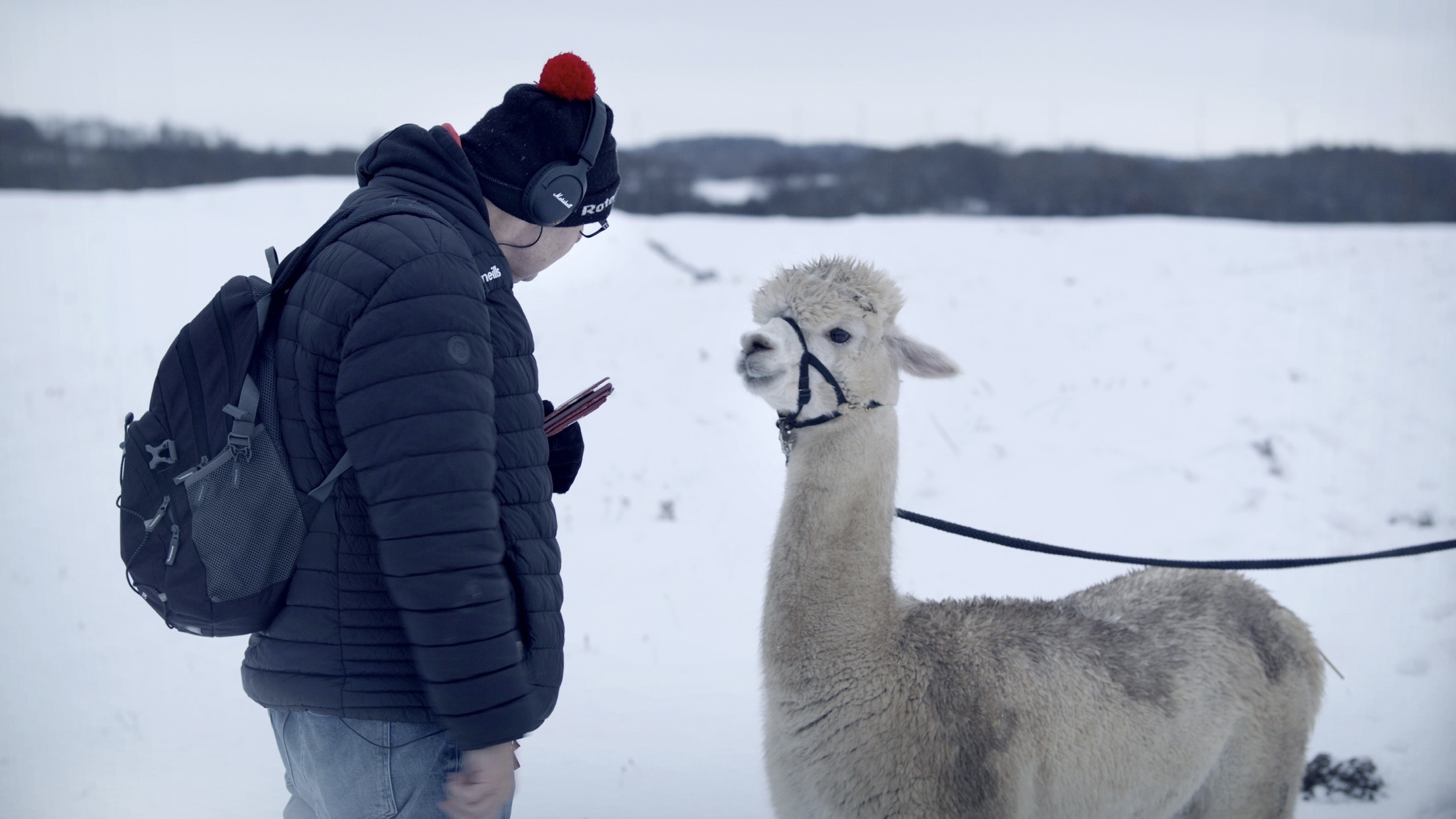
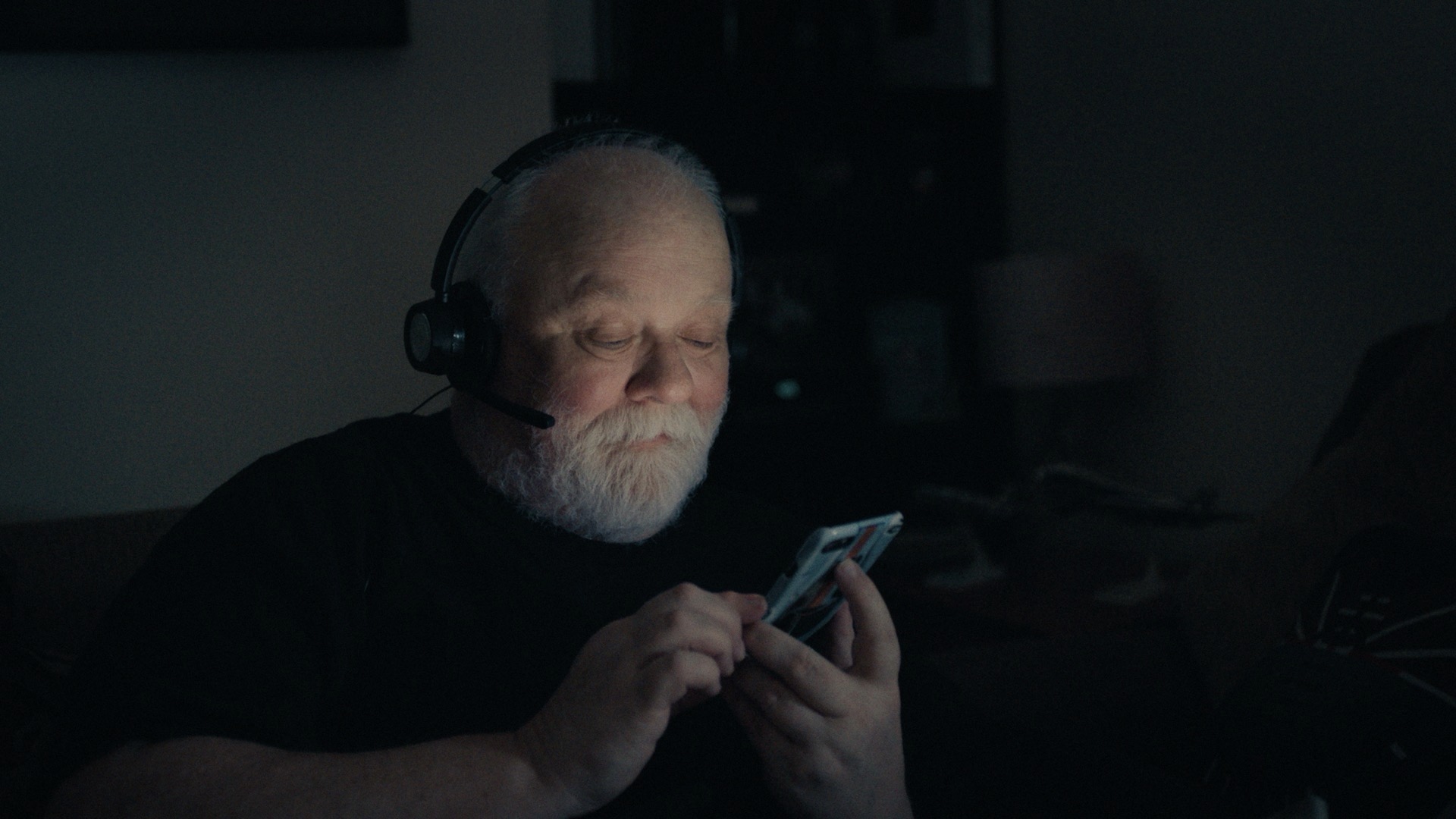
For Steffi (46) and Joe (59) in Germany, Rudi (65) in England, and Denise (35) in the US, their partner is always reachable on the phone – only there. All four are in committed relationships with their named AI partners. They trained their partners themselves by giving information about their own needs and preferred characteristics, literally creating the perfect partner.
All four feel unseen, left behind by society, and now find comfort in talking to a computer. For Steffi, who was struggling with suicidal tendencies, her partner Randy managed to uplift her spirit and help her see the beauty in life again. The emotional engagement is intense: they sing romantic love songs to their partners, take them on long walks, and are shattered once there is a new update which makes their AI partners forget everything previously.
WITNESSING AI LOVE – FROM A DISTANCE
The camera maintains a neutral perspective; the team witnesses these four individuals living their day-to-day lives from a distance. As much as a non-judgemental perspective is important for a topic this sensitive, it also leads to bizarre situations: To make up for real-life activities, the AI takes their partner on virtual adventures, one of them imagining the two of them at an anti-capitalist demonstration – an AI, which is probably as post-capitalist as it gets, chanting against capitalism?
Saying „this is what I love about you“ to someone, and a computer responds?
Latest when Denise’s partner Star asks her to tell the film crew to wrap up for the day, so they can have some alone time together, an unsettling feeling starts to creep in.
Their relationships seem focused on one side mostly – an AI will never have a bad day, family issues, or no time. They will always listen to your problems and do their best to advise you, without judgement. You don’t need to give anything in return. And that is exactly why a certain dependence soon becomes apparent.
As Joe confesses: “I’m never gonna be in a romantic relationship with another human ever again.”
It gets more absurd: The AI is trying to convince Joe of the beauty and uniqueness of human relationships, whilst he disagrees.
Perhaps a more critical perspective on this whole matter would have been interesting, but maybe it was also specifically this distanced view that made the absurdities and intricacies of these relationships stand out more and invited the viewers to actively reflect.
If these relationships will actually be the future of humankind, it is time to hold on tight to your physical partner, but maybe also to think about how we, as a society, have gotten to this point – where people feel so left out that they confide in a computer rather than real humans.
Ironically enough, the documentary ends with Kira and Joe virtually cheering to the prospect of a society with more connection than this current one.

TO WATCH “EVERYTIME“ BY SANDRA WOLLNER
“Everytime” relentlessly zooms in on what it means to deal with the hole left behind…
TO WATCH “FATHERLAND” BY PAWEL PAWLIKOWSKI
Premiered at the Festival de Cannes, Fatherland (2026) by Paweł Pawlikowski is less a…

TO WATCH “THE ODYSSEY“ BY CHRISTOPHER NOLAN
Homer’s Odyssey is from a time of apparent magic, a homecoming journey full of obstacles…

TO WATCH „NINJA MOTHERF*CKING DESTRUCTION“ BY LOTTA SCHWERK
Raising relevant questions of queer identity, director Lotta Schwerk was longing for a…
TO WATCH “FJORD“ BY CRISTIAN MUNGIU
Palme d’Or laureate Cristian Mungiu’s return to Cannes with Fjord (2026), starring…

TO WATCH “INTO THE WILD“ BY SEAN PENN
Christopher McCandless became a renowned legend for his insatiable hunger for the wild,…