
ACID PAULI & THE ART OF FINDING YOUR OWN RHYTHM
Martin Gretschmann, better known as Acid Pauli, has spent decades moving between musical worlds, from the experimental electronica of Console and The Notwist to the hypnotic techno, house and psychedelia of his solo project. Guided by a restless curiosity and a love of experimentation, his work brings together disparate influences, constantly shifting between the introspective and the dancefloor.
On 20the November, Gretschmann releases Mystic Meltdown, his first full-length Acid Pauli album since 2020’s MOD, via his own label, All Is Acid. Drawing on years of musical exploration and encounters made through travel, the album brings together collaborators including Kurdish vocalist Hani Mojtahedy, Sophie Hunger and members of the Ugandan-based collective Kingdom Molongi. Moving between hypnotic rhythms, experimental textures and unexpected vocal contributions, it unfolds as a continuous journey, balancing darker, introspective passages with moments of playfulness and unrelenting energy.
Alongside the album, Gretschmann is revisiting earlier work through All Is Acid’s reissue programme, giving older recordings a second life while continuing to explore new creative territory. We spoke with Acid Pauli about finding coherence in musical chaos, the influence of the Nyege Nyege community, and learning to trust his own instincts after decades of making music.
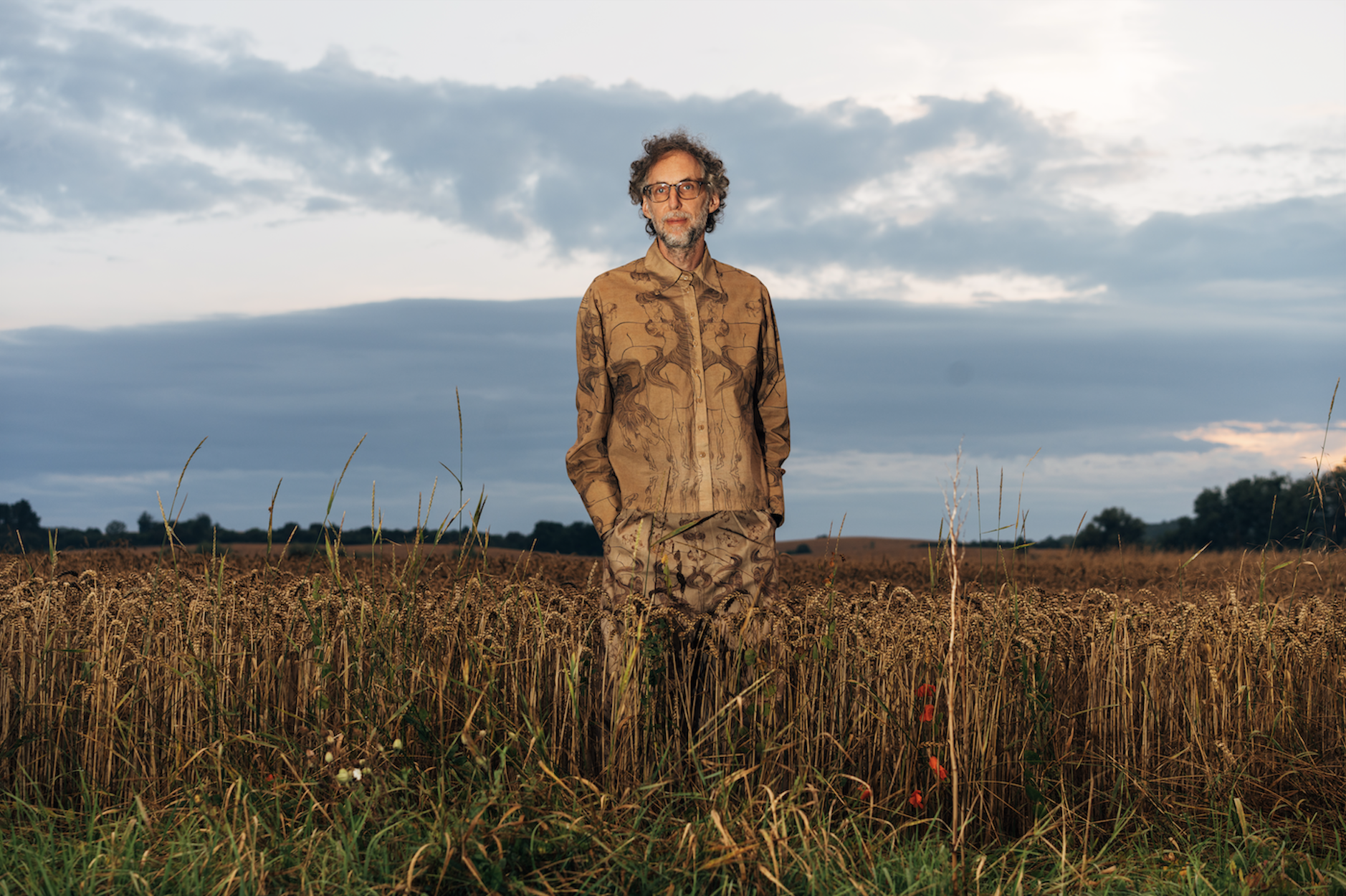
Acid Pauli: Finding the right coherence in this case meant finding the right order. I tried many different orders and listened through the album until I found one that felt right. It’s somehow maybe the DJ in me who tries to tell a story in a longer form.
AP: The connection is probably me and my approach or style. Plus, love for music and experimenting, thinking outside boxes.
AP: Maybe the moment was when the name appeared on the dance floor, in the form of my bandmate and friend Axel shouting “Aciiid Pauliiii” when I did one of my first solo sets with Rebirth. But frankly, I’d say it was pretty much of an evolution in the course of a few years.
AP: All that I know.
AP: I’ve worked with voices a lot. In Console there’s a voice, as well as in The Notwist, and of course I did heaps of remixes that contain voices. A voice is probably the most immediate instrument there is. We don’t need to touch anything, like an instrument, in order to generate tones. In the best moments, a voice can touch one very deeply with only a few notes. And of course it gives us the link to poetry, i.e. words. Oftentimes the music and the voice, plus lyrics, have about the same importance, which means the voice is taking quite a big chunk of attention. That’s why I also love instrumental music a lot, as there is more focus on the music. And no words that convey any meaning. It simply leaves more space for the listener, I think.

“A voice is probably the most immediate instrument there is.”
AP: In some ways for sure, but I can’t really explain how. It is just so incredible to see and hear their approach to electronic music. It’s so different to ours.
AP: Yes. I always come back to Leonard Cohen, mostly his work from the ’60s and ’70s. But mostly I listen to newer releases, always on the search for this moment when you listen to something for the first time and it touches you in a way. That’s magic.
AP: Yes. Also that, or at least trying to. My friend Viken Arman gifted me a deck of Oblique Strategies cards last year, so I started to draw a card every now and then. Amongst a few others, I had “Don’t be afraid of clichés” and “Be less critical more often”, which I had even twice, which is quite extraordinary as it’s a big deck. So now I am trying to incorporate this into my work, meaning I don’t need to reinvent myself all the time anymore. I can also just do what I am good at and what is my style. The output is always a bit different still, as the input is different as well. And of course, even if I try to be less critical, I am still quite critical. I think as an artist one should be critical, especially with their own work.
“I don’t need to reinvent myself all the time anymore. I can also just do what I am good at and what is my style.”
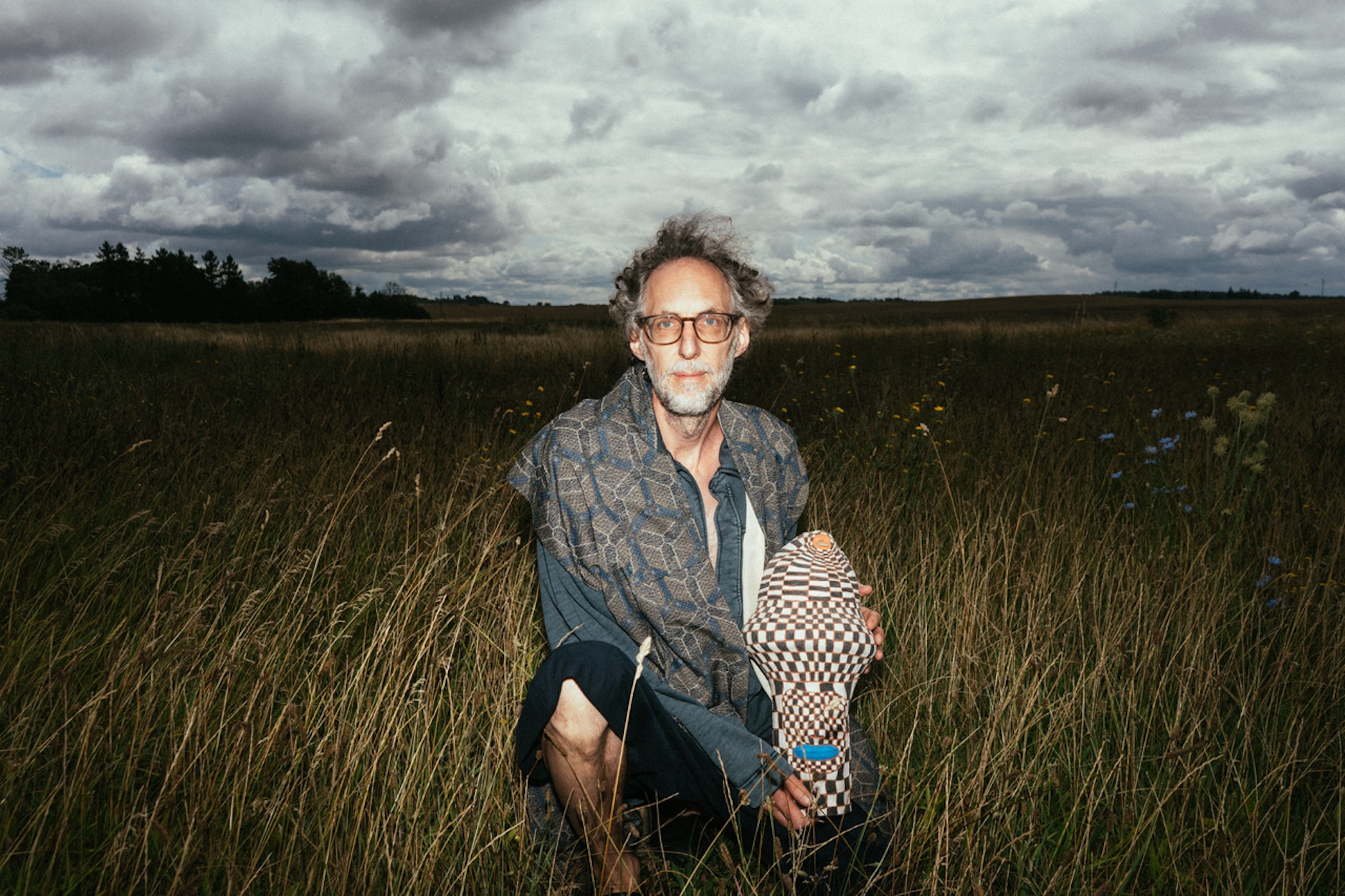
AP: It hasn’t really changed the way I think about my musical legacy, but I just felt an urge to start a new label where I take all the decisions when it comes to music, while my wife Shirin is taking care of all the visual stuff (and much more), which feels like a very good symbiosis. We started re-releasing stuff because I still play these tracks in my sets, and being able to play them without getting bored, even after 20 years, meant for me that they are entitled to get a second life, especially also because back when they were released there was no streaming yet.
AP: The music…
“Being able to play them without getting bored, even after 20 years, meant for me that they are entitled to get a second life.”