
TO WATCH “POSSIBLE LOVE” BY LEE CHANG-DONG
In "Possible Love", Lee Chang-dong explores the distance between social classes and the…


Trigger Warning: The following TO WATCH addresses child abuse
„My mom. Just once, she came close to believing me.“
A world in which children are expected to remain silent. Abandoned by their own families and by a society that prefers to look away rather than admit its failures. Family patriarchs who claim the right to tyranny in order to preserve their status — at any cost.
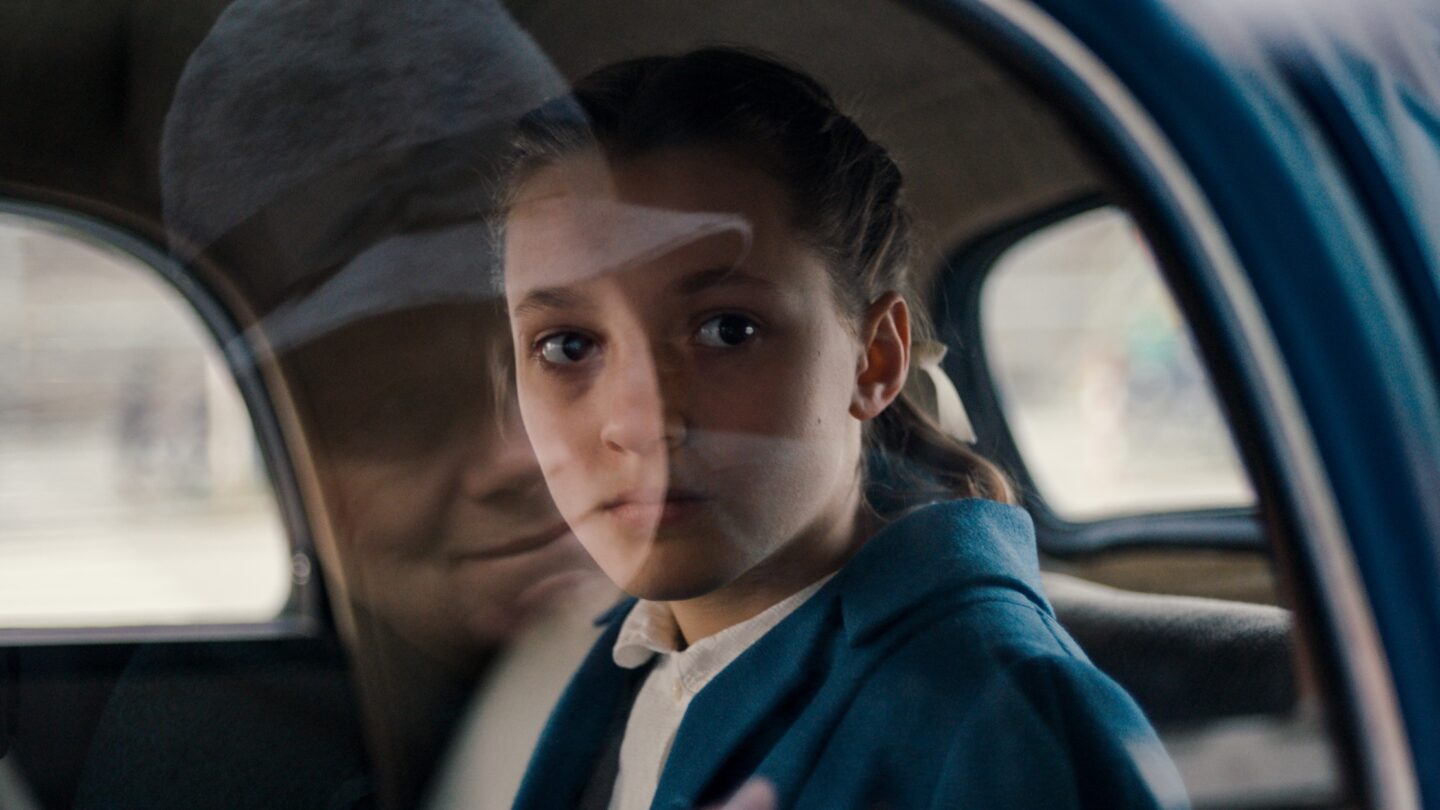
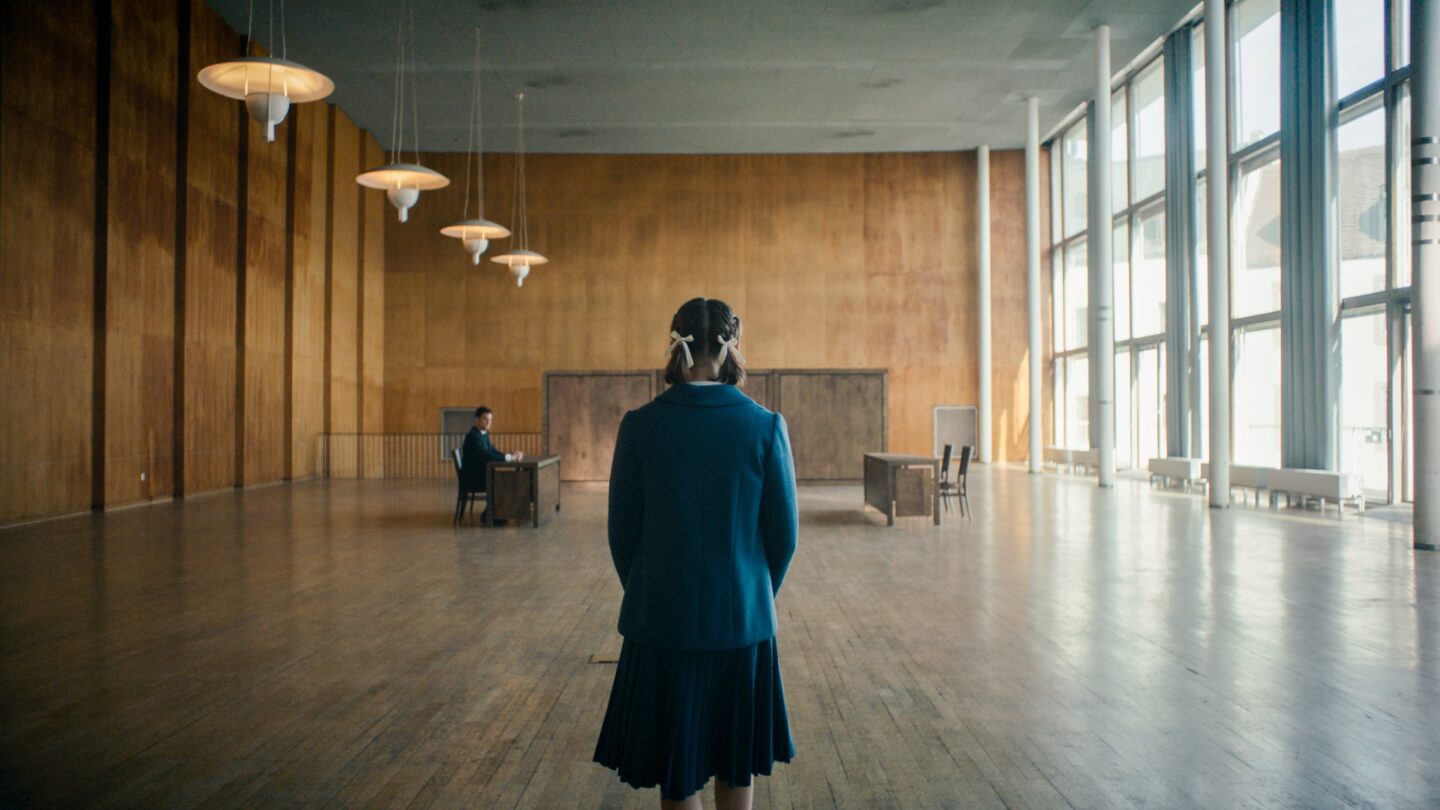
Karla is twelve years old. In 1962, she lives in Bavaria with her mother, her two brothers, and her abuser. In a time when a child’s voice seems to hold little weight, Karla wants only one thing: to be heard.
The film “Karla” by Christina Tournatzés speaks about child abuse without ever showing or explicitly depicting the act itself. Instead, it focuses on the credibility of a child whose entire world appears to be against her. At that time, sexual abuse was primarily treated as a taboo, swept under the rug. And when it was addressed, it was mostly behind closed doors — without consequence.
Yet through her immeasurable courage, Karla sparked an upheaval that compelled people to face the reality of child abuse. And more than that: despite a childhood marked by trauma, she found the strength to stand up for herself and for those who could not.
Based on true events, the film tells the story of a twelve-year-old girl who fights with all her might to reclaim her voice in a sea of silence.
In "Possible Love", Lee Chang-dong explores the distance between social classes and the…

In conversation with Numéro Berlin, Conroy Chan and Iman Taheri discuss creative…
In Sebastian Brameshuber’s "London", a series of seemingly incidental car rides becomes…