

At Ogata, Glass Cypress held its first fashion show in Paris with its Fall Winter 2026 collection titled “A Quiet Frontier.” Founded in 2016 by brothers Saber Ahmed and Samee Ahmed, the Texas-based menswear label has evolved outside the traditional fashion capitals. Raised by Bangladeshi parents, the brothers grew up with a sensitivity to craft and material that continues to inform the brand’s contemporary language in quiet, deliberate ways.
The rooms were spare yet quietly striking, light settling gently across wood and stone. There was a sense of stillness before anything began. On every chair lay an envelope containing a letter and a pen, waiting.
The note opened simply: “Dear friends, thank you for being here. My name, Saber, means patience, a value I did not naturally possess and one I have learned through time and work.” What followed reflected on discipline and reduction, on removing excess so that form could surface through repetition. The garments, it explained, were constructed without added effect, designed to sit with the body and reveal themselves gradually through wear.
When the show ended, the invitation remained. Guests were asked to respond, leaving behind a word of their own.
Glass Cypress continues to work closely with artisans, employing techniques such as dyeing, quilting, gathering, bridging, and washing. In Paris, the space, the letter, and the work itself seemed to move at the same tempo, unhurried and deliberate, leaving an impression that lingered long after the room had emptied.

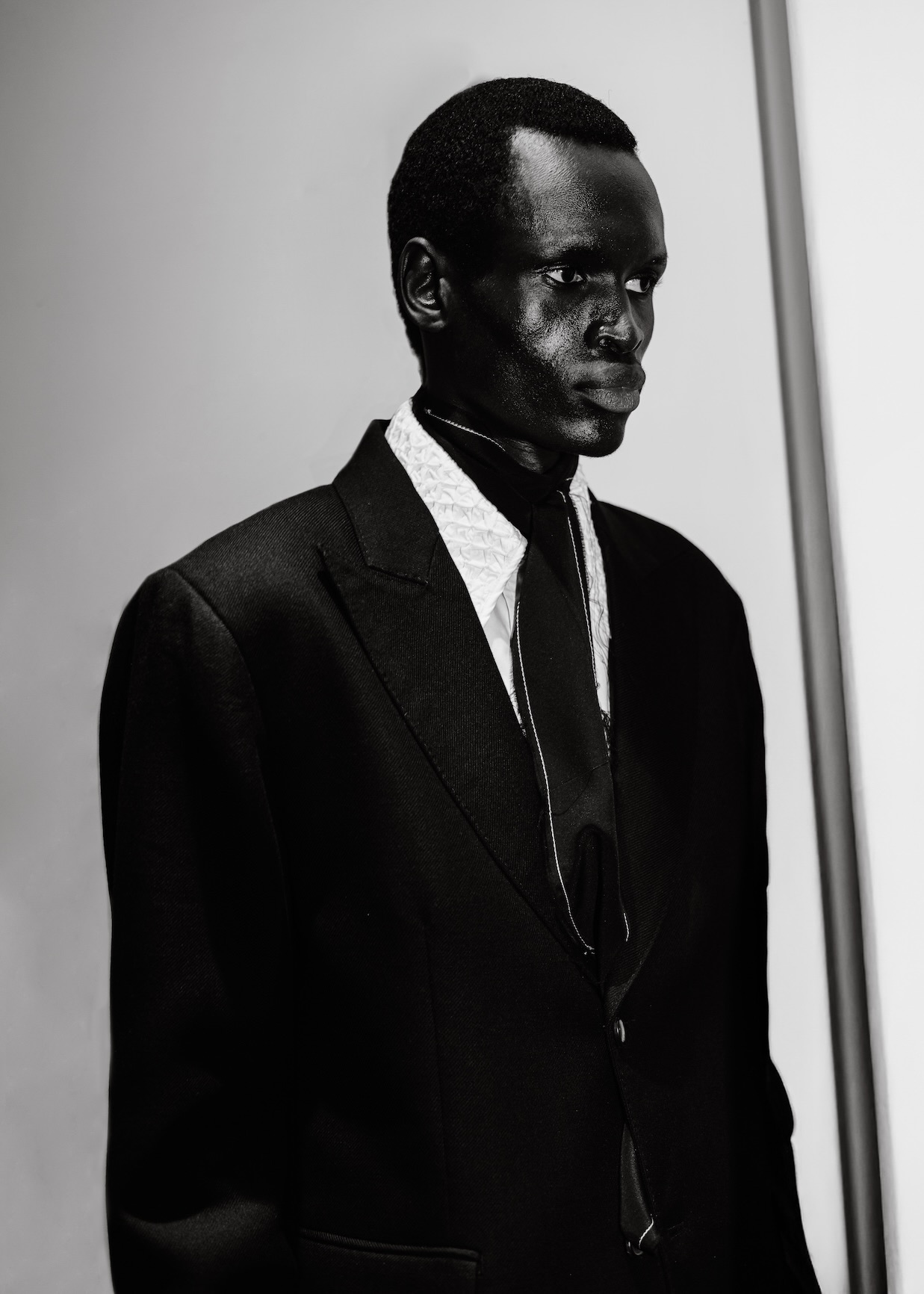

Saber Ahmed: Everything I do is a continuation of a body of work. Showing in Paris felt less like an arrival and more like
a moment of alignment, when the clarity of the brand and the reason for making the work felt fully formed
and ready to be shared. Personally, it confirmed that the intuition guiding the process could hold up under
scrutiny.
I try to avoid working from fixed references. The collection began with a feeling I experienced while
walking in Jackson Hole, watching my niece move freely through an open landscape. That sense of scale,
movement, and quiet tension became the foundation.
“I was interested in the beauty that emerges from tension.”
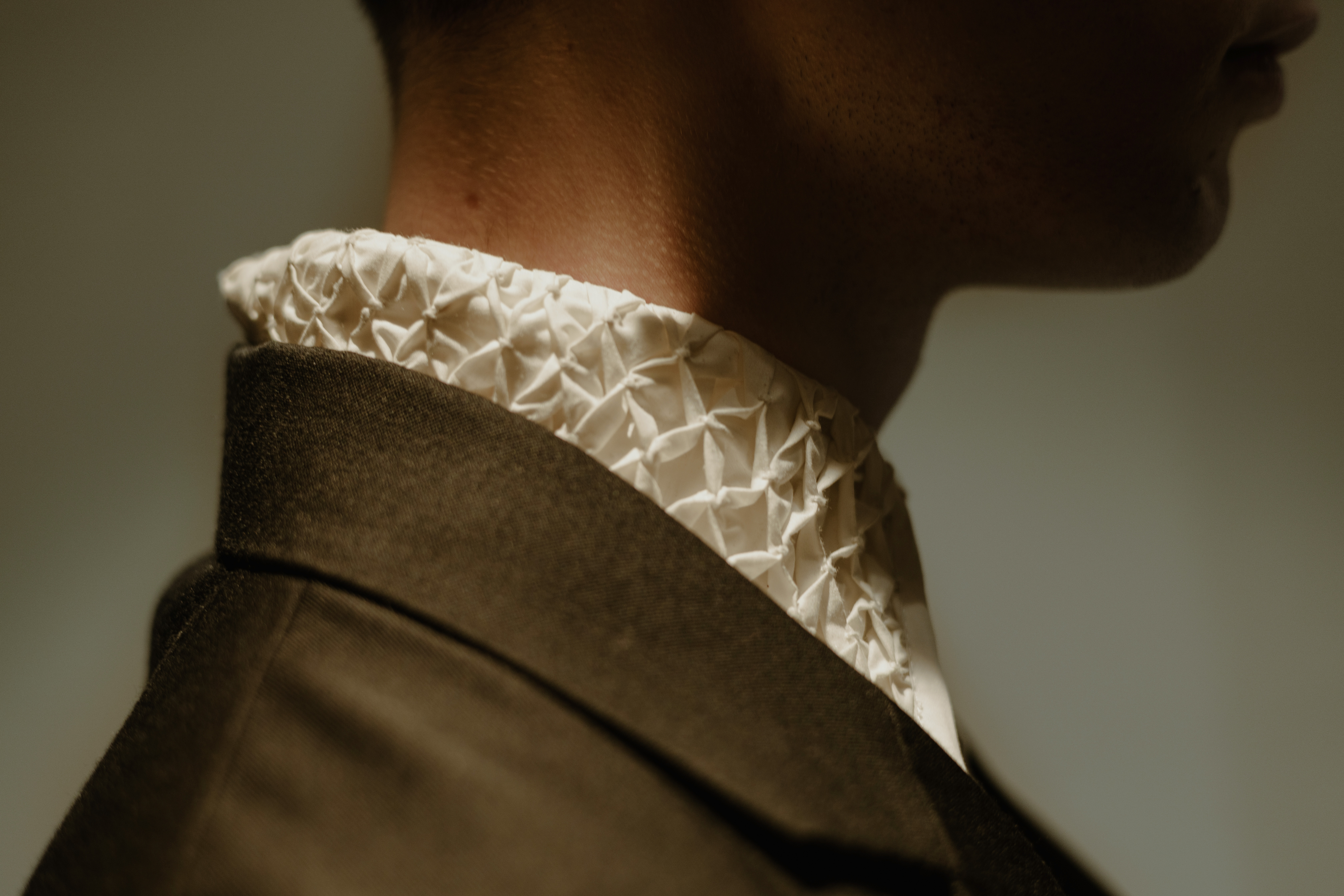
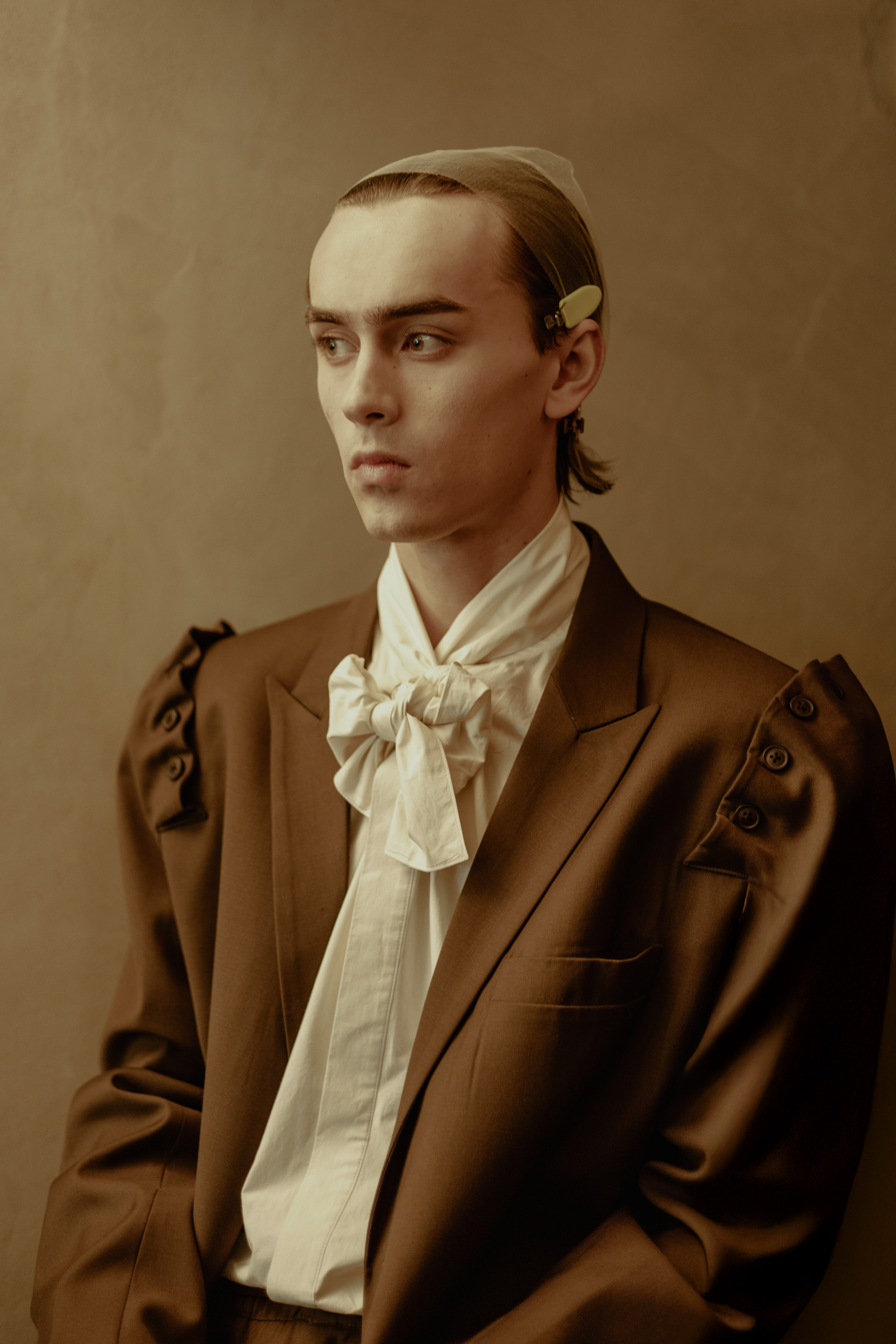
It translated through construction rather than imagery. I was interested in the beauty that emerges from tension, in how landscapes are worn in and shaped over time. Techniques such as gathering, bridging, and washing were used to test gravity and use, allowing garments to collaborate with time rather than resist it.
Restraint. It is easy to over-design, and learning when to stop, to trust repetition and editing, was the most demanding part of the process.
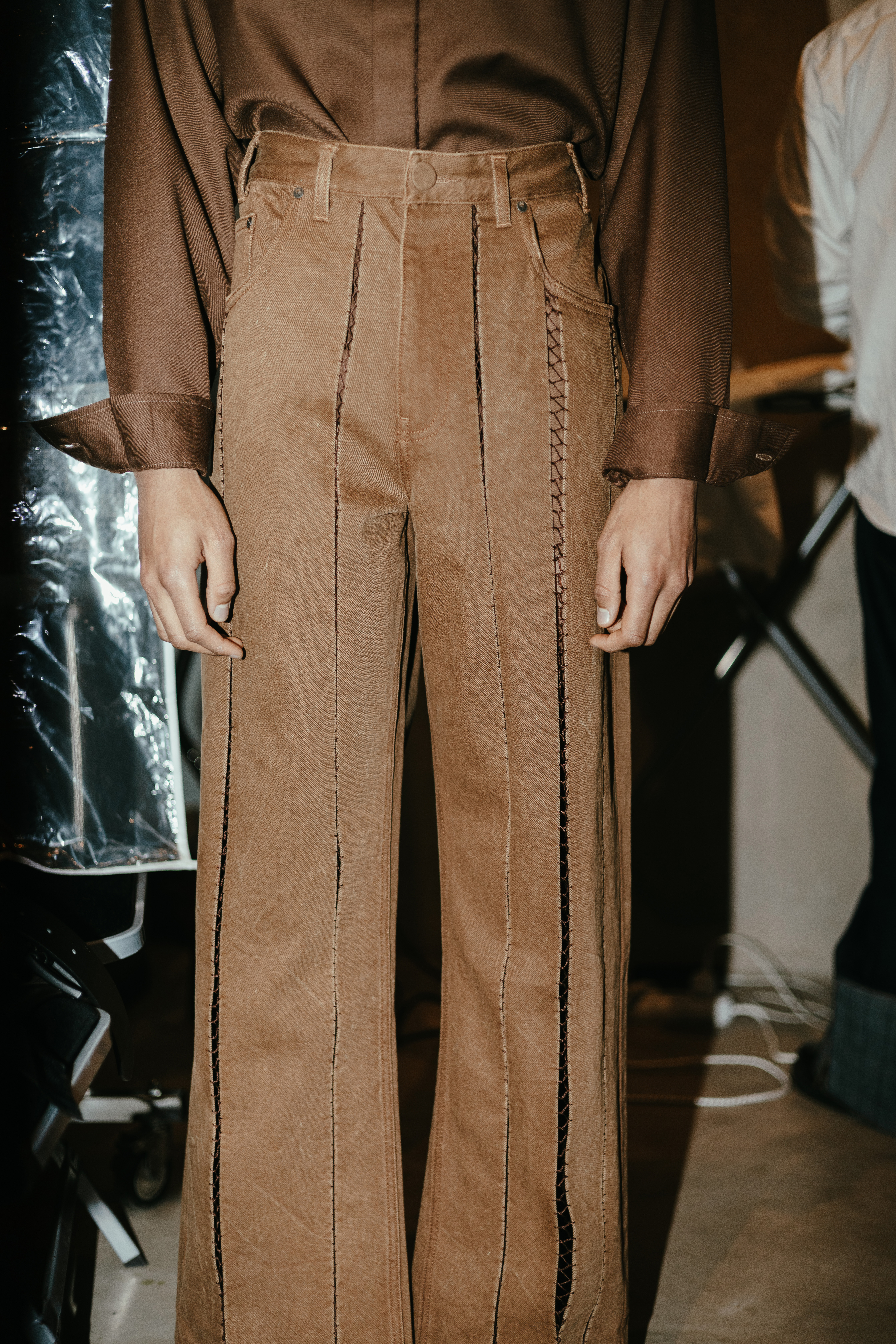
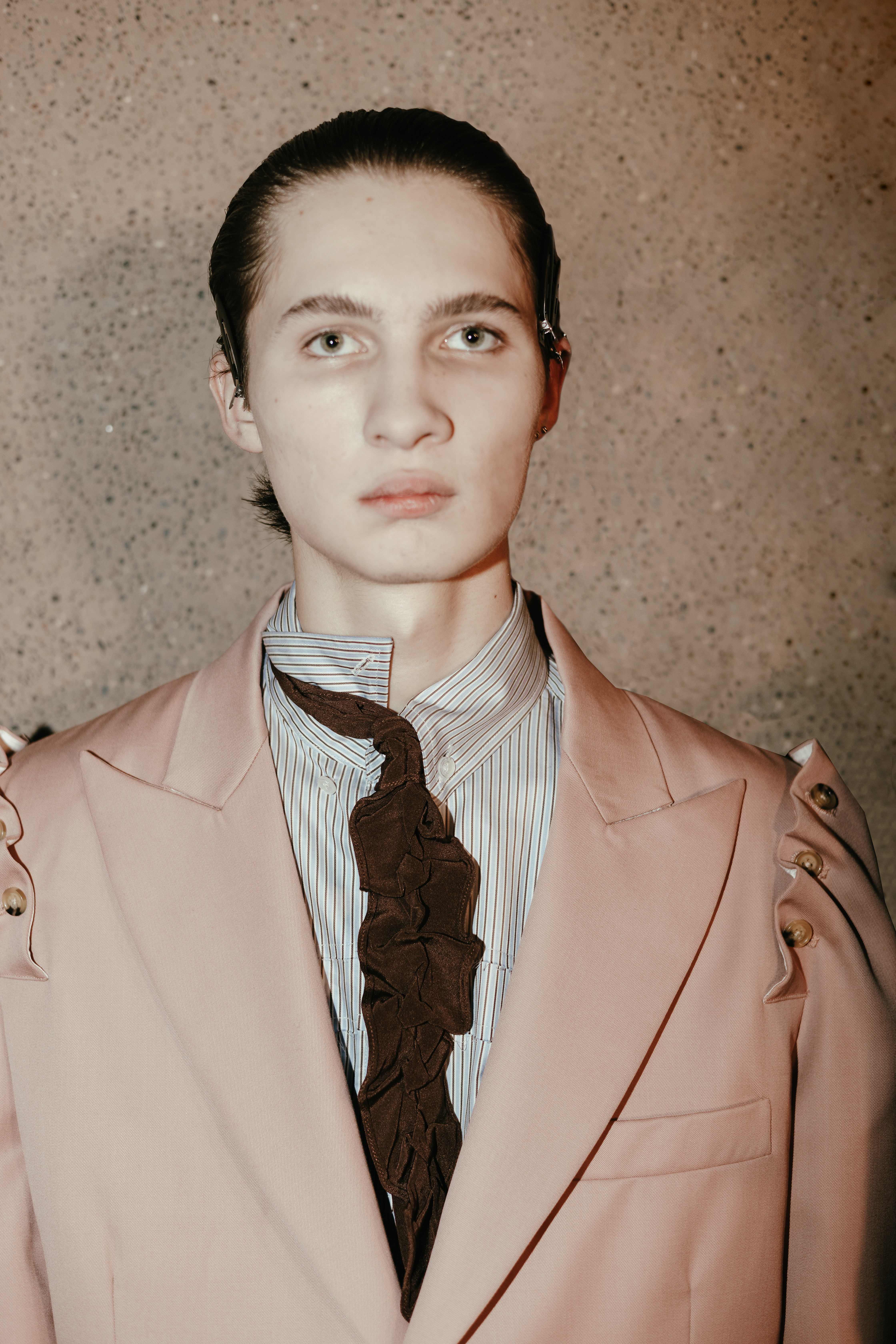

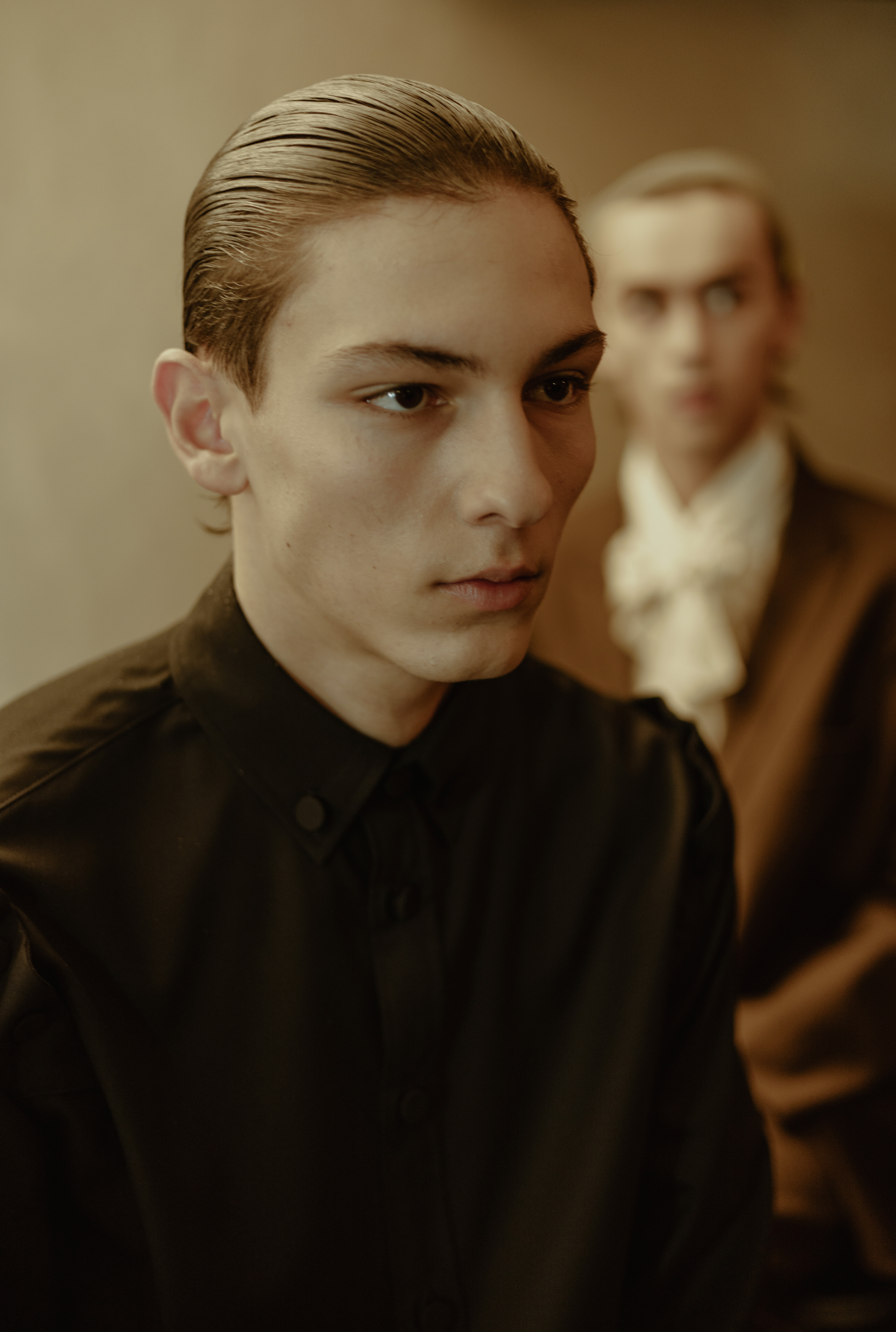
I wanted models who could carry tension and human presence without projecting personality or attitude.
The intention was for the garments to speak first, without any performance or narrative attached.
Texas is not a fashion reference point, and that distance is important. It allows me to work without
constant visual noise or immediate comparison, which keeps the process grounded and personal.
It provides distance from trends, urgency, and general overexposure. That separation gives ideas time to
mature and cultivate internally and quietly before they are shared.
The work is informed by context but not tied to one place. I am more interested in conditions such as time,
movement, pressure, and of course texture, than geography.
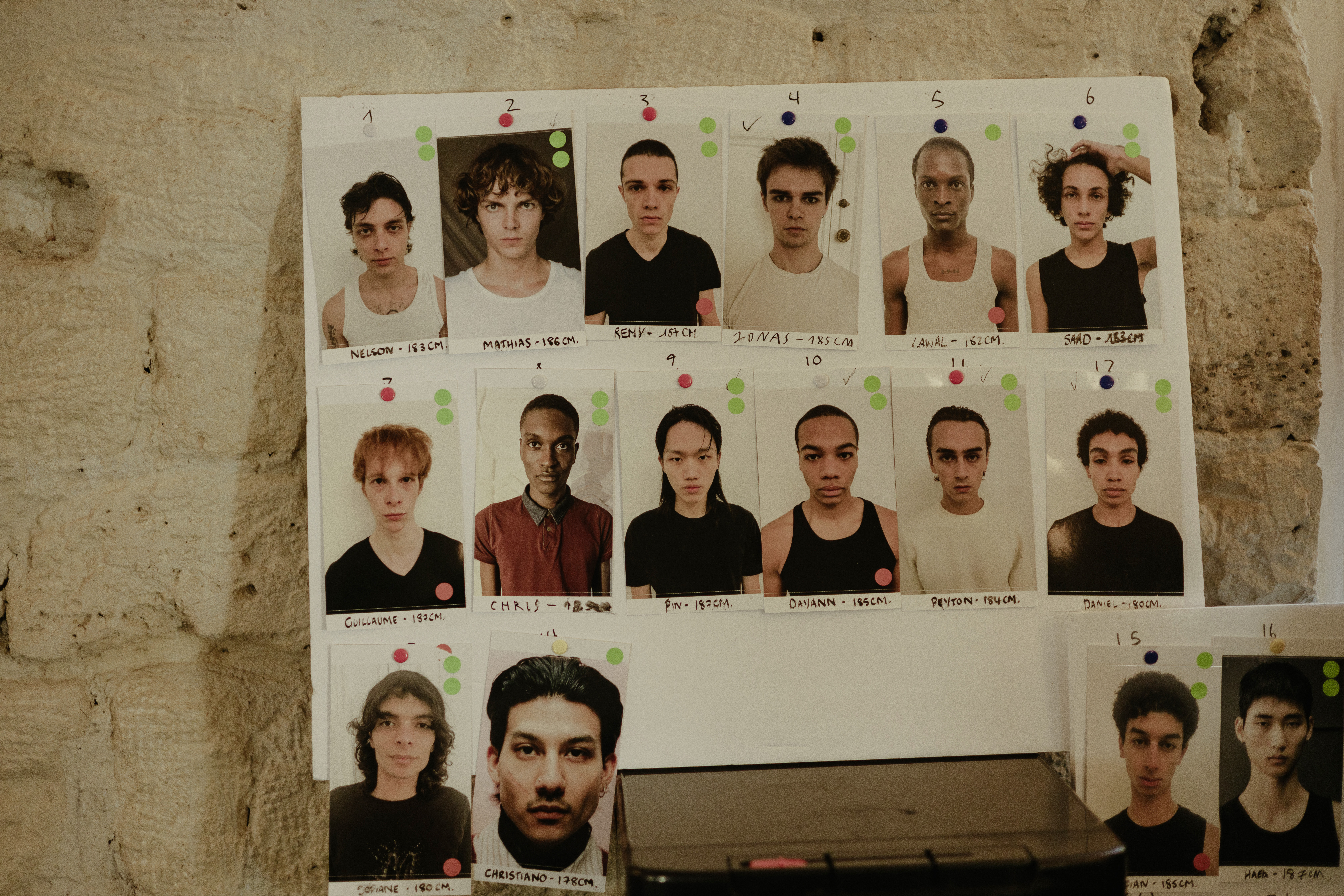
“The intention was for the garments to speak first.”
Menswear today moves very quickly. Glass Cypress exists intentionally outside that pace. I am less
interested in novelty and more focused on continuity, building a language that can be returned to and
refined over time.
Classic pieces are forms that have already proven their longevity. Working within familiar structures forces
discipline and leaves little room to hide behind novelty.
“Glass Cypress exists intentionally outside that pace.”
Classic pieces are forms that have already proven their longevity. Working within familiar structures forces
discipline and leaves little room to hide behind novelty.
I don’t think classic is a refusal of change. Fashion exists because of the impulse to leave what is familiar
and move toward something new. At the same time, moving too far from the idea or too quickly risks
isolation. For me, classic lives in the tension between novelty and sameness. It is a balance, introducing
subtle difference without abandoning the idea, allowing garments to evolve while still remaining legible
and usable over time.
The name reflects the same tension that runs through the work. Glass Cypress is about balancing
opposing forces i.e. fragility and strength, novelty and sameness. The clothes are meant to introduce
subtle differences without removing familiarity, allowing forms to adapt and erode without losing their
structure. That balance gives the work durability, both physically and conceptually.
The space was integral. Ogata is quiet, precise, and built around attention rather than spectacle. It
allowed the collection to exist without distraction, which was important to me.
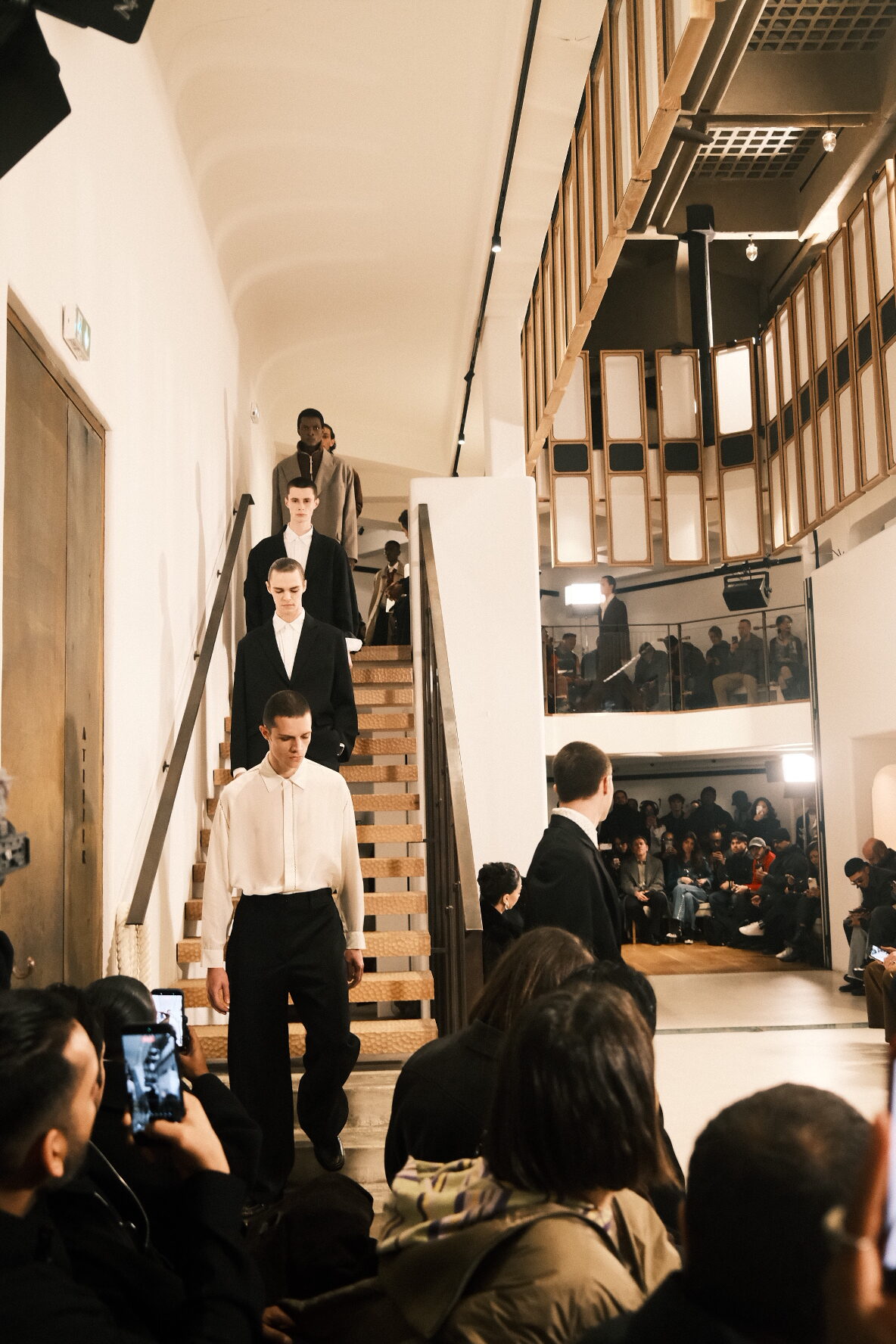

“For me, classic lives in the tension between novelty and sameness.”
I am designing for someone who understands balance. Someone who values familiarity but is not
confined by it, and who is open to change without chasing novelty for its own sake. It is less about
masculinity and more about conviction and presence, where the clothes adapt to the wearer and
confidence remains intact, even as the garments change.
Continuity and balance. I am focused on refining the language rather than expanding it. I’ll try to make
sure the work holds up quietly, over time, without needing constant explanation.

ON OUR RADAR
Numéro Berlin’s weekly collection of the most exciting news about fashion, music, and…
THE BLIZZARD- BY BRITT LLOYD AND CARRUPT LOUIS
Photography BRITT LOYD Styling CARRUPT LOUIS
VISIONARY ISSUE VOL. A – DAVID LINDERT
Photography DAVID LINDERT
In conversation with Jonathan Saunders, the new creative director of & OTHER STORIES
VISIONARY ISSUE VOL. A – RONALD DICK
Photography RONALD DICK
VISIONARY ISSUE VOL. A – MAXIM BALLESTEROS
Photography MAXIM BALLESTEROS