
W COSTA NAVARINO: A PLACE BETWEEN MYTH AND MODERNITY
Numéro Berlin explored the luxury resort that became one of the filming locations for Christopher Nolan’s newly released film, The Odyssey.
Following Odysseus’ legendary ten-year journey home after the Trojan War, Nolan brought the epic tale back to its Mediterranean origins, filming amid the dramatic cliffs, caves and shores of the Peloponnese. Celebrating the film’s release with screenings at its open-air cinema, while also offering specially curated excursions, artisanal workshops and activities inspired by the enduring story of Odysseus, the landscape continues to invite a different kind of voyage: one defined by design, wellness, cultural curiosity and the art of slow luxury.
Let’s be honest: it is difficult not to fall deeply in love with Greece — whether for the beauty and diversity of its landscapes, the layers of history that merge with the present in a way found almost nowhere else, its spirit of philoxenia, which goes far beyond hospitality and expresses a genuine love for strangers, or its profound joy of living and instinct for celebrating life at any moment. And, last but certainly not least, its food.
As part of an exclusive series of artworks, Greek curator and visual artist Poka-Yio raises compelling questions about the symbolic identity of hotels and their ability to serve as bridges into another space, allowing us to experience the spirit of a country in a more intimate way. He sees hotels as timeless entities: “They are certainly out of place and out of time. They are portals.” Some have the rare privilege of being built on land that carries deep, collective memories of the past.
W COSTA NAVARINO: A PLACE BETWEEN MYTH AND MODERNITY
W Costa Navarino is undoubtedly one of those portals. Opened in 2022, it is nestled in one of Greece’s best-kept secrets: the region of Messinia in the southwestern Peloponnese, a landscape shaped by more than 4,500 years of history. It forms part of an expansive luxury destination comprising premium hotels, private residences and one of the Mediterranean’s most diverse offerings for exploration, sport and wellbeing.
Driven by a philosophy of protecting and preserving Messinia while thoughtfully contributing to its development, Costa Navarino places sustainability and its relationship with the local community at the centre of its vision. Messinia is home to one of Europe’s richest regions for biodiversity — the Gialova Lagoon alone provides a habitat for 271 bird species — while also preserving an extraordinary cultural legacy, from Mycenaean palaces and vaulted tombs to Classical temples, Byzantine churches and medieval castles.
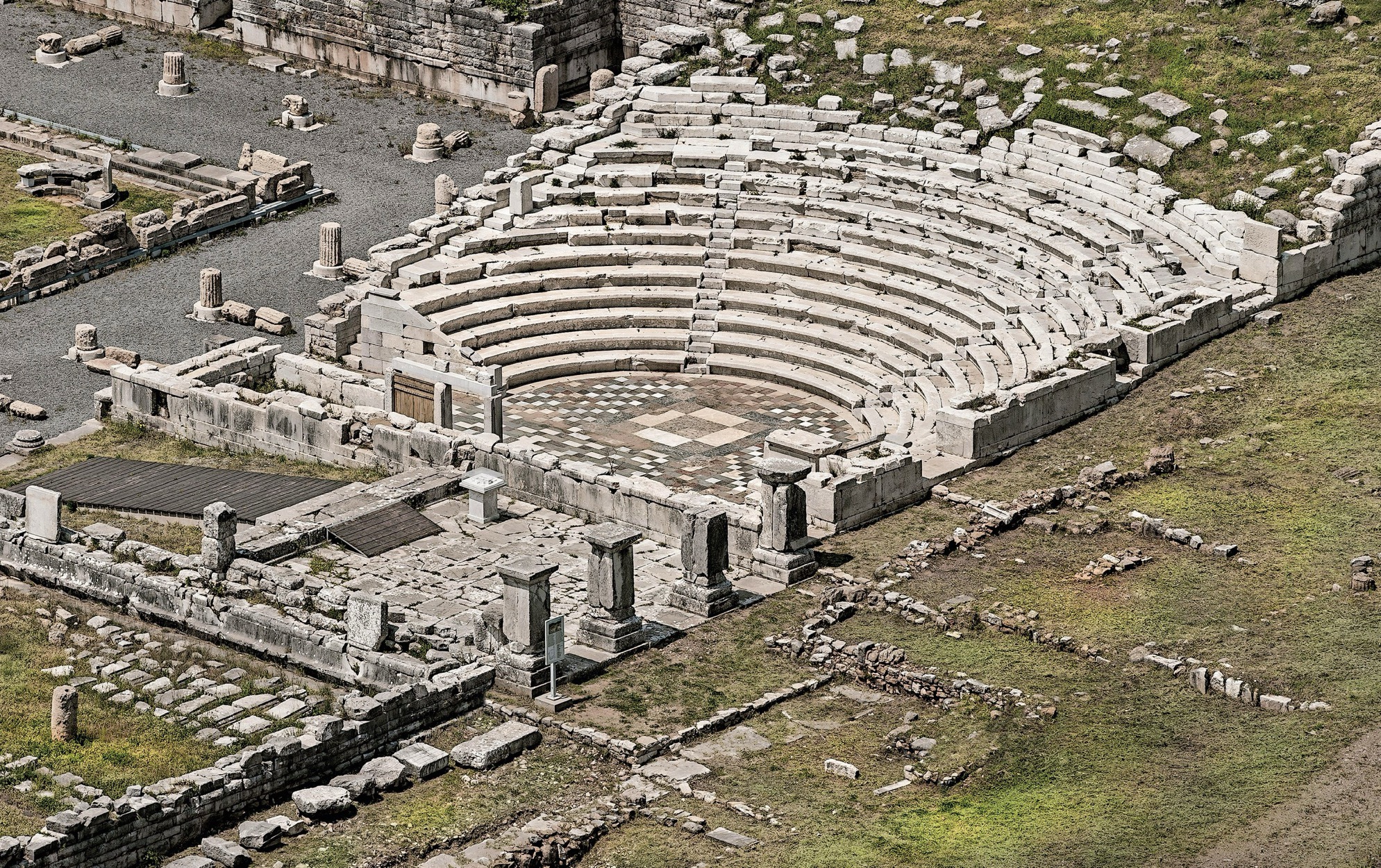
The region is further enriched by several UNESCO World Heritage Sites, including Ancient Olympia, Mystras and the Temple of Apollo Epicurius. It is also home to Ancient Messene, the Palace of Nestor and Nestor’s Cave— believed to have served as one of the filming locations for the Cyclops Polyphemus sequence in Nolan’s The Odyssey — the iconic omega-shaped Voidokilia Beach.
A VILLAGE REIMAGINED
Costa Navarino is made up of three distinct destinations, each with its own character: Navarino Dunes, Navarino Bay and Navarino Hills.
Together, they comprise four luxury hotels. At Navarino Dunes are The Romanos, a luxury Collection Resort and The Westin Resort Costa Navarino, alongside private residences, two golf courses and a Mouratoglou Tennis Centre, the NBA Basketball School and a collection of villas available through Costa Navarino’s villa rentals programme. It is also home to the 4,000-square-metre Anazoe Spa, a renowned wellness and thalassotherapy centre.
Navarino Bay is home to Mandarin Oriental, Costa Navarino and W Costa Navarino, as well as Navarino Agora -a hub for gastronomy, culture and entertaintment open to all guests and residents of Messinia. While Navarino Hills features an additional two signature 18-hole golf courses.
My destination, however, is the vibrant W Costa Navarino.
After a three-and-a-half-hour drive from Athens Airport, the changing landscape gradually reveals what makes this corner of Greece so special. Rolling hills, olive groves and the sea create a quiet sense of anticipation long before reaching the hotel. “This is the Hamptons of Greece — just without the crowds,” someone tells me on the way.
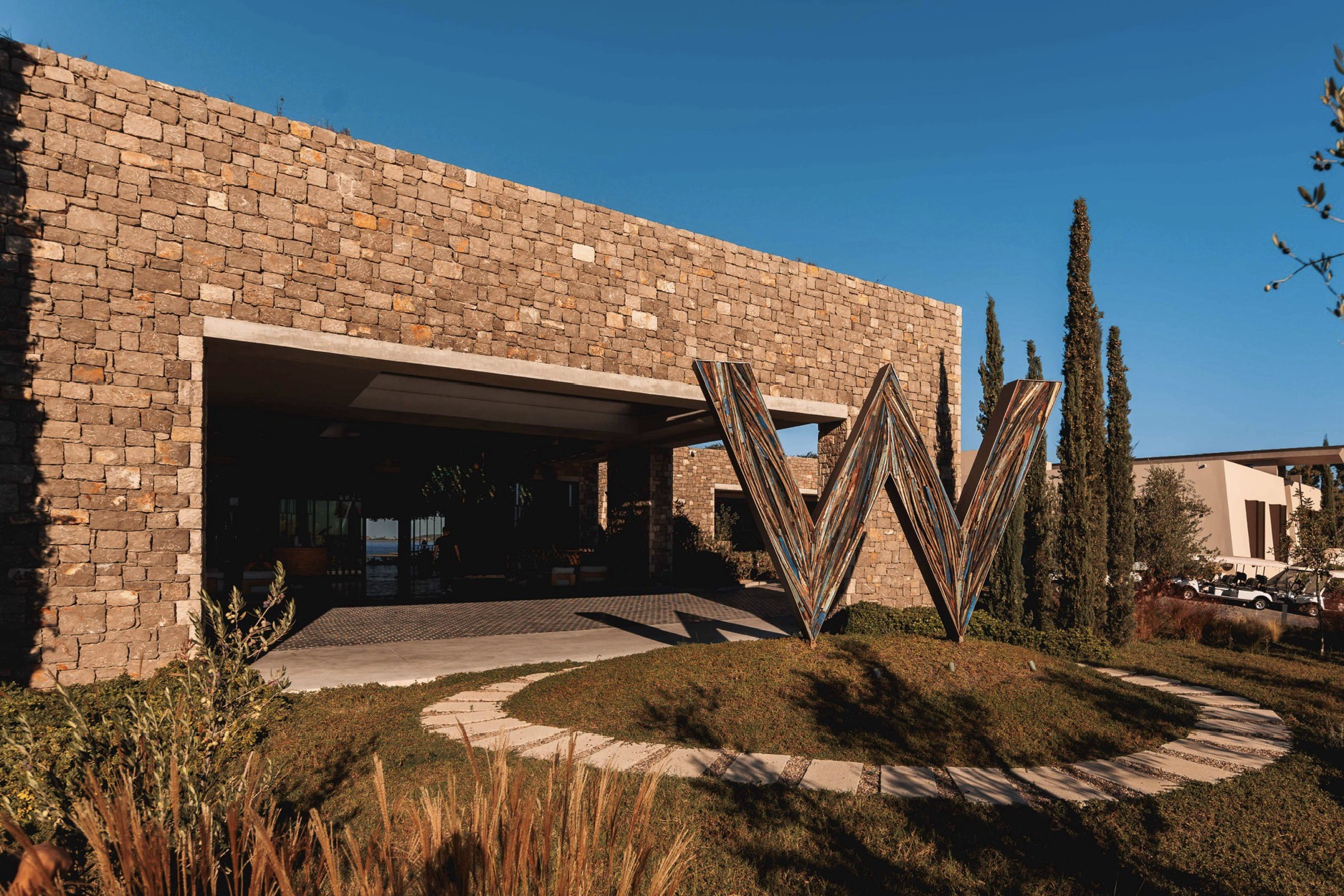
The first thing that catches my eye upon arrival is the monumental W sculpture, rising almost four metres above the entrance. I later learn that it forms part of the hotel’s permanent art collection by Greek artist Poka-Yio, whose fascination with creating works for public spaces reflects one of the resort’s central ideas: bringing together culture, place and contemporary hospitality.
The sculpture is also a tribute to the Constantakopoulos family and their deep connection to the sea. Constructed from fragments of traditional wooden fishing boats, it preserves disappearing pieces of Greece’s maritime heritage, turning them into something entirely new.
“I turned to the old-fashioned fishing boats and trawlers that are quickly disappearing from Greece’s seas. We visited boatyards and marinas, collecting wood from abandoned boats and using it to fill the metal frame of the hotel’s sign. In a way, we connected the Constantakopoulos family’s history with the sea, creating a dialogue between memory, landscape and the present,” the artist explains.
Rather than functioning as decoration, the artworks throughout the hotel quietly anchor the property in the history of its surroundings. Alongside Poka-Yio’s own works, sculptures, photography and installations by emerging artists create a subtle conversation between antiquity and contemporary Greece.
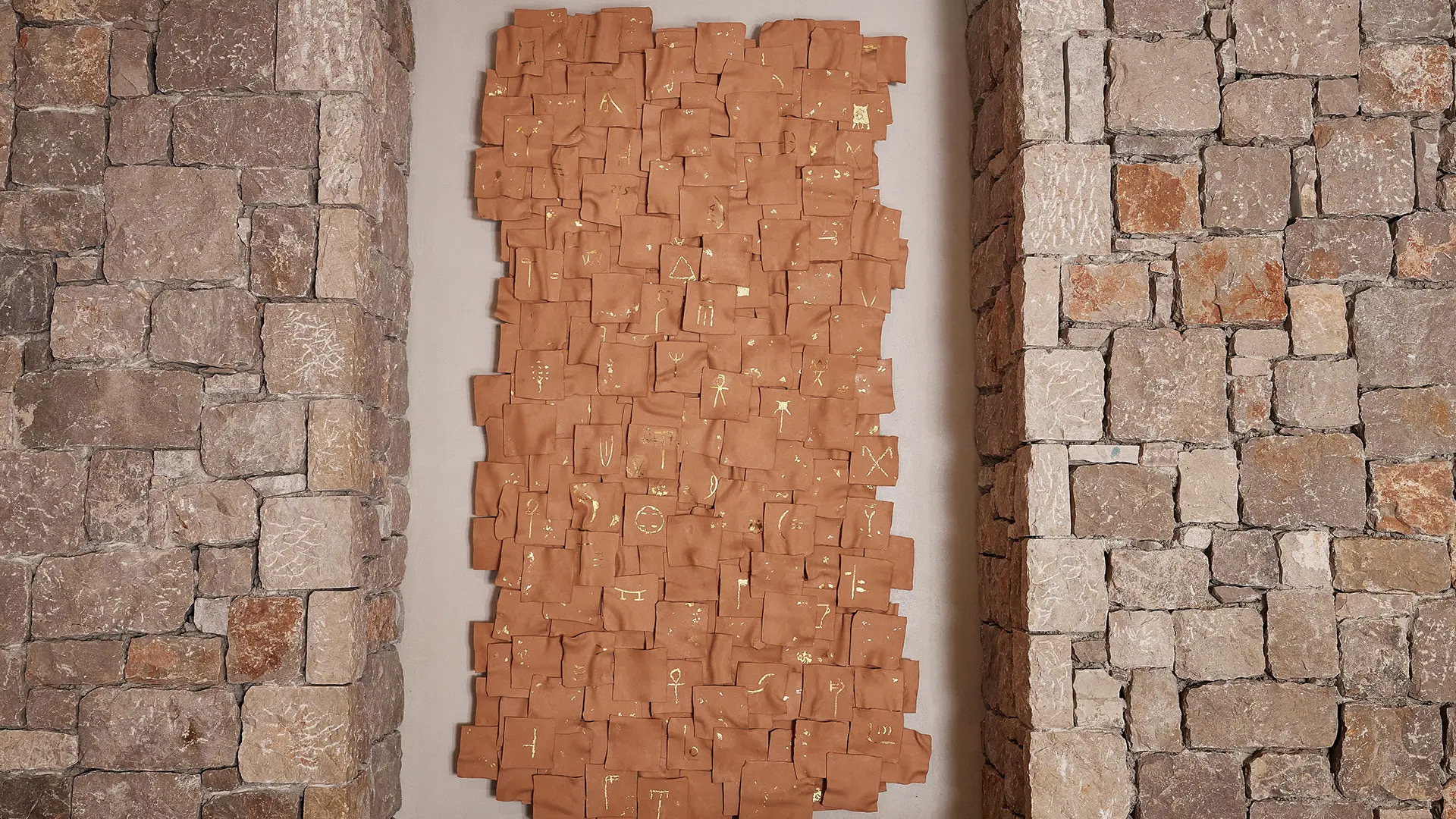
One of my favourite discoveries appears in the reception area: clay tablets inscribed with Linear B. Their markings resemble prehistoric text messages or emojis, inviting guests to imagine one of Europe’s earliest written languages through a distinctly contemporary lens. Elsewhere, fragmented ceramic vessels evoke archaeological finds freshly lifted from beneath the sea.
THE W, REIMAGINED
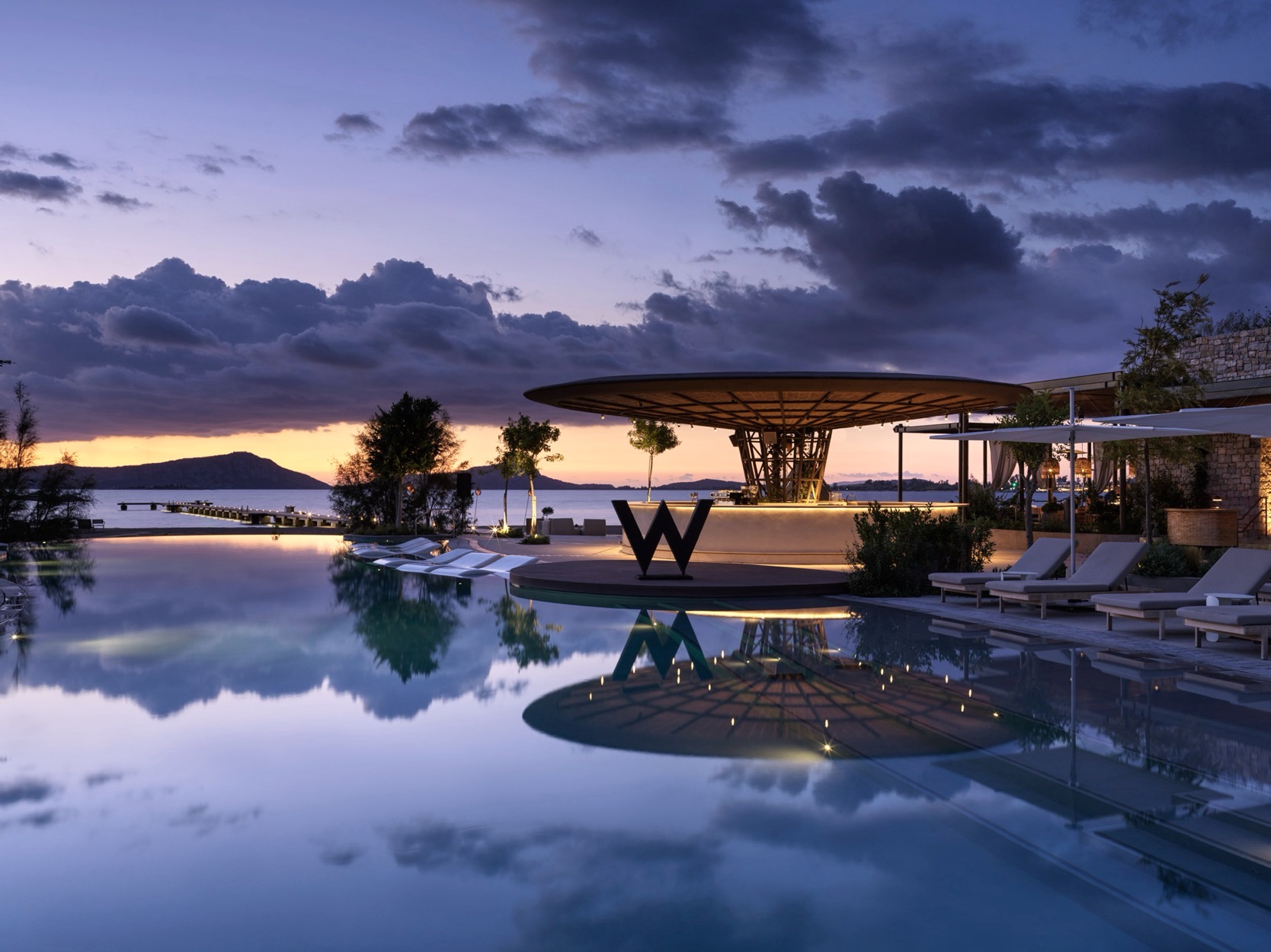
For those familiar with the W brand, W Costa Navarino offers a noticeably different experience from its sister properties around the world. Overlooking the historic Bay of Navarino, the adults-only resort feels more rooted in its surroundings, balancing contemporary design with the slower rhythm of the Peloponnese.
Set along a peaceful 450-metre stretch of sandy coastline, the property features 226 rooms, including beachfront three-bedroom villas and two-bedroom suites with private rooftop pools. Throughout the season, a changing programme of events and collaborations connects guests with the surrounding landscape, offering everything from mountain biking, hiking and road cycling to rock climbing, windsurfing, waterskiing, kayaking and stand-up paddleboarding.
Wellbeing is woven just as naturally into the experience. Alongside fitness classes and yoga, the resort offers regenerative programmes inspired by Hippocratic philosophy and contemporary medical research, encouraging a more holistic approach to longevity, recovery and mental balance.
ARCHITECTURE IN CONVERSATION: LIVING WITH THE LANDSCAPE
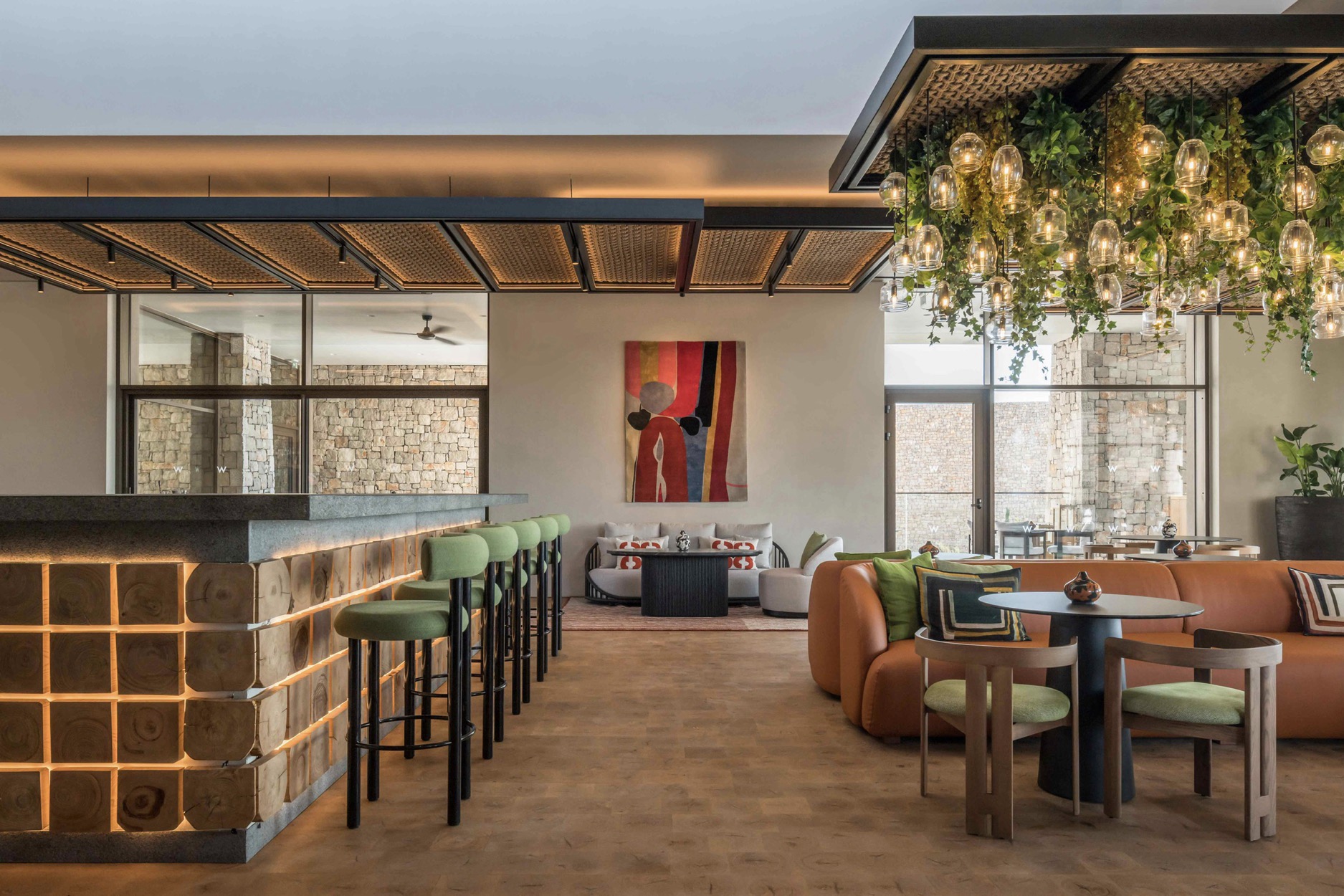
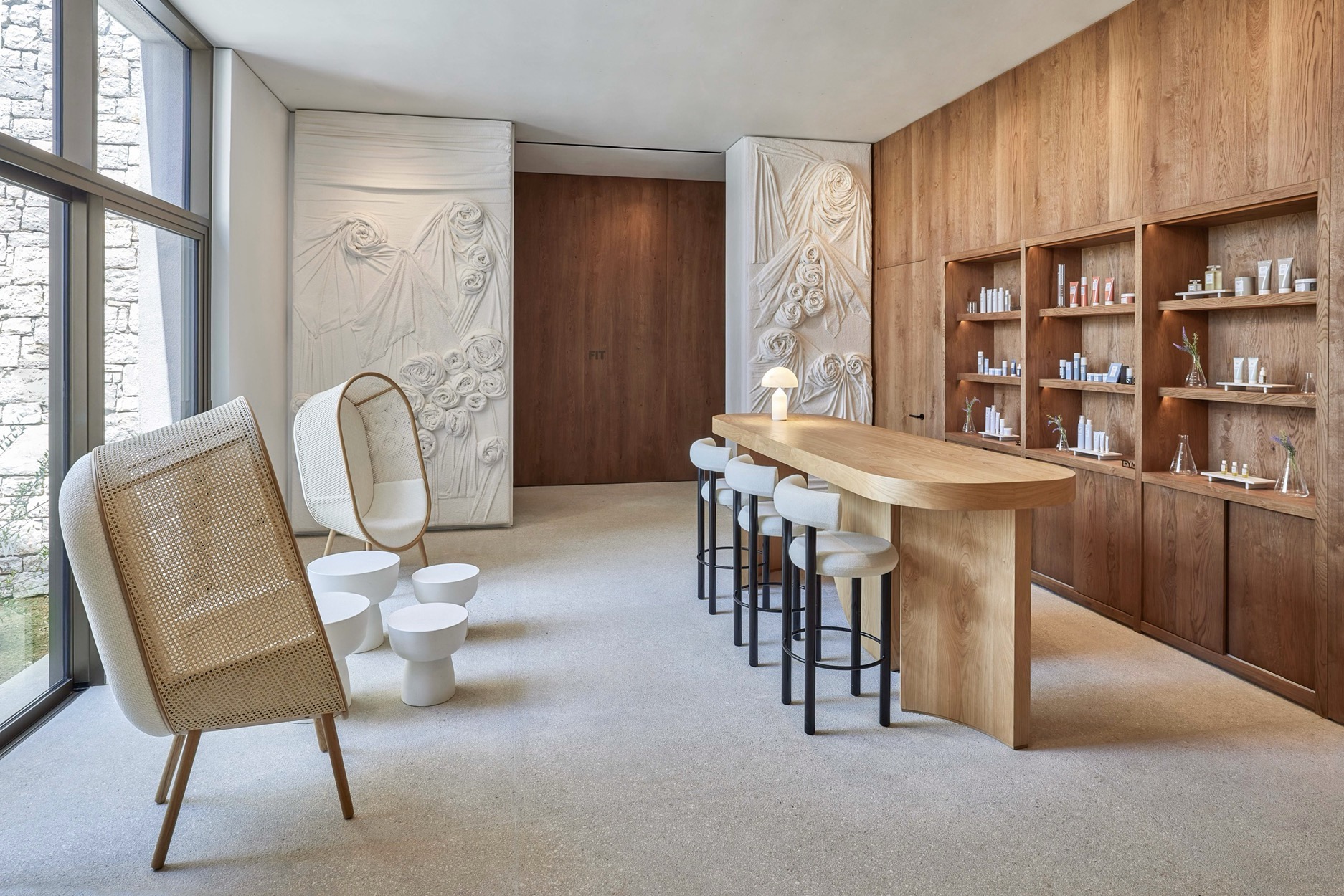
Designed as an ongoing dialogue between the raw beauty of Messinia and a contemporary vision of Mediterranean living, W Costa Navarino blends naturally into its surroundings rather than competing with them. Greek architectural studioAlexandros N. Tombazis & Associates reinterpret the spirit of the Peloponnese through natural materials, organic forms and a seamless transition between interior and exterior spaces, while MKV Design brings warmth, texture and a distinctly contemporary sensibility to the interiors.
Stone, water, vegetation and natural light constantly interact, allowing the architecture to almost disappear into the landscape. From certain viewpoints around the main pool, the horizon, the sea and the hotel seem to merge into a single uninterrupted panorama.
My favourite part of the property, however, was the Fabulous Infinity Swim-Up Guest Room. With direct access to the shared pool from each private terrace, the rooms quietly blur the boundary between private retreat and communal living — another subtle expression of how W Costa Navarino encourages guests to experience the resort not in isolation, but as part of a shared landscape.
COMMUNITY IS THE HEARTBEAT
Breakfast at W Costa Navarino unfolds like a walk through a contemporary Greek village square. Inspired by the traditional platia — the heart of every Messinian village, where people meet, talk and spend time together — the space transforms the morning ritual into something far more relaxed than a conventional hotel buffet.
Instead of one large dining hall, breakfast is spread across a series of individual “houses”: a bakery filled with freshly baked bread and pastries, a coffee shop, a deli celebrating local produce, and live cooking stations where dishes are prepared to order. Surrounded by pergolas, natural materials and Mediterranean planting, Platia captures something that Greece has always understood particularly well: that food is as much about gathering as it is about eating.
Just a few steps away lies Navarino Agora, a contemporary marketplace built around the same idea. Conceived as a meeting place for both visitors and locals, it brings together independent boutiques, restaurants, street-food concepts, an open-air cinema, immersive entertainment and a richprogramme of music, dance and cultural events. It feels less like an extension of the resort than a small neighbourhood that has grown naturally around it.
The Agora is also home to several of the resort’s 46 restaurants. One of the standouts located in the W is Parelia —stemming from the Greek words Parea, Elia and Paralia, which mean Friends, Olive and Beach— where Executive Chef Nikos Billis reinterprets the flavours of Messinia through a contemporary lens. Rooted in locality and seasonality, the menu remains unmistakably Greek while allowing familiar dishes to evolve and inspire.
BEYOND SUSTAINABILITY
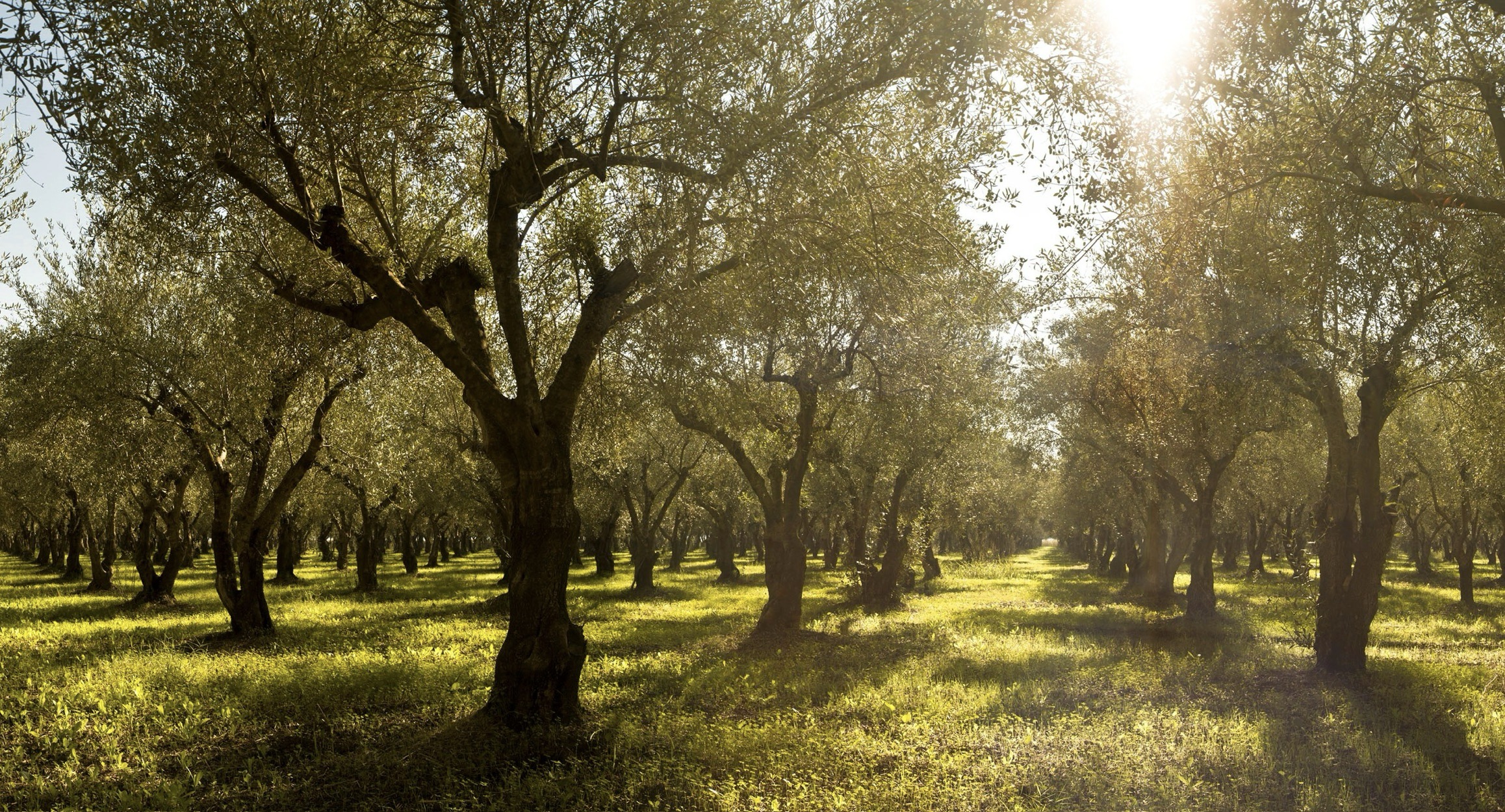
No story about this part of Greece would be complete without its olive trees. Kalamata has become synonymous with some of the world’s finest olives, and throughout Costa Navarino the centuries-old groves are treated not as landscape decoration but as part of the region’s cultural identity.
That philosophy extends well beyond symbolism. During construction, nearly 7,000 olive trees were carefully transplanted and protected before being replanted across the estate —the largest olive tree relocation programmes ever undertaken in Europe. Since then, more than 9,900 native trees and over 1.2 million endemic shrubs have been introduced across the destination.
The environmental initiatives continue in less visible ways, from significantly reducing single-use plastics and investing in responsible water management to sourcing electricity from renewable energy and designing buildings that work with the landscape rather than against it. Sustainability here feels less like a marketing statement than a long-term commitment to preserving the character of Messinia while supporting the local economy.
There is even an unexpected final chapter to that story. Through the Navarino Pet Community, volunteers have already helped find homes for more than 270 stray dogs and cats. Together with the Captain Vassilis & Carmen Constantakopoulos Foundation and local organisations, the initiative “Messinia Without Strays” reflects another, quieter expression of hospitality — one that extends beyond guests to the place itself.
Since 2025, Costa Navarino has also been supported by a long-term biodiversity monitoring programme. Conducted by a team of 13 researchers from Nature Conservation Consultants, the ongoing survey documents the region’s wildlife and plant life, contributing valuable data while helping protect one of Greece’s richest natural landscapes.
What makes all of this even more meaningful is understanding how Costa Navarino came to exist in the first place.
The destination was born from the vision of Captain Vassilis C. Constantakopoulos, one of Greece’s most respected shipping entrepreneurs, who imagined a place that would celebrate rather than reinvent his native Messinia. More than creating another luxury destination, his ambition was to build a model in which hospitality, local heritage and the landscape could exist in balance — allowing the region’s cultural identity to remain intact while creating new opportunities for future generations.
DESIGNED FOR PLAY
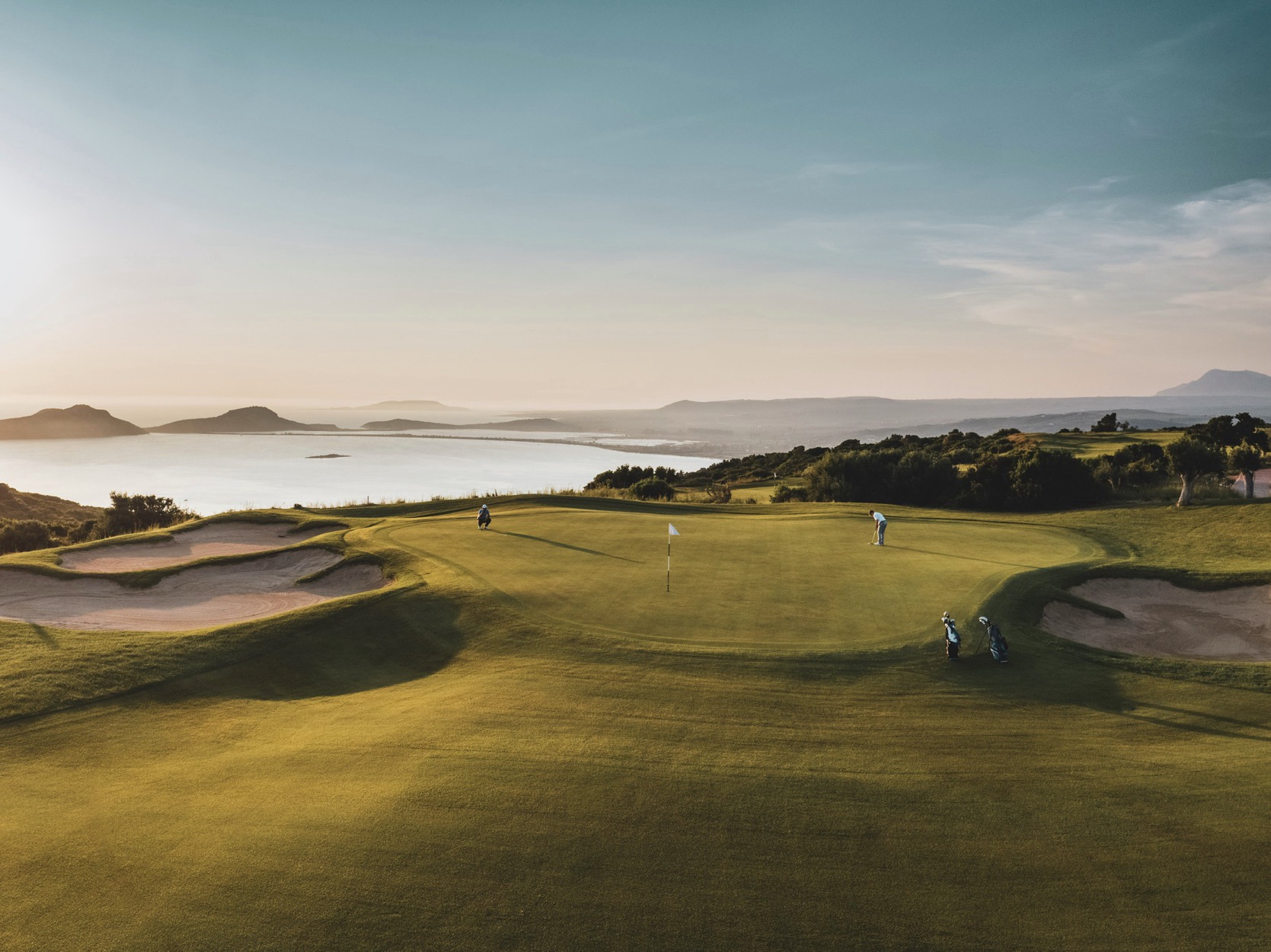
Costa Navarino has become one of Europe’s leading golf destinations, with four signature courses spread across the estate. Among them are The Dunes Course, designed by former Masters champion and Ryder Cup captain Bernhard Langer in collaboration with European Golf Design, and The Bay Course by Robert Trent Jones Jr., whose route follows rolling hills, olive groves and uninterrupted views across the Ionian Sea. Both combine world-class sporting facilities with a landscape that remains unmistakably Greek.
Equally impressive is the Mouratoglou Tennis Center at Navarino Dunes, one of Europe’s leading tennis training facilities. Founded by Patrick Mouratoglou, the
academy combines elite coaching with a global network that includes the French Riviera, Italy, Malaysia and the United States. The Costa Navarino centre features twelve tennis courts, three padel courts and two pickleball courts, with a second Mouratoglou Tennis Center scheduled to open at Navarino Bay next spring.
The destination is also home to the NBA Basketball School, the first collaboration between the NBA and a privately operated hospitality and sports destination in Europe — another example of Costa Navarino’s ambition to position itself as more than a traditional resort.
Yet perhaps the most memorable journey begins just beyond the resort itself.
FOLLOWING ODYSSEUS
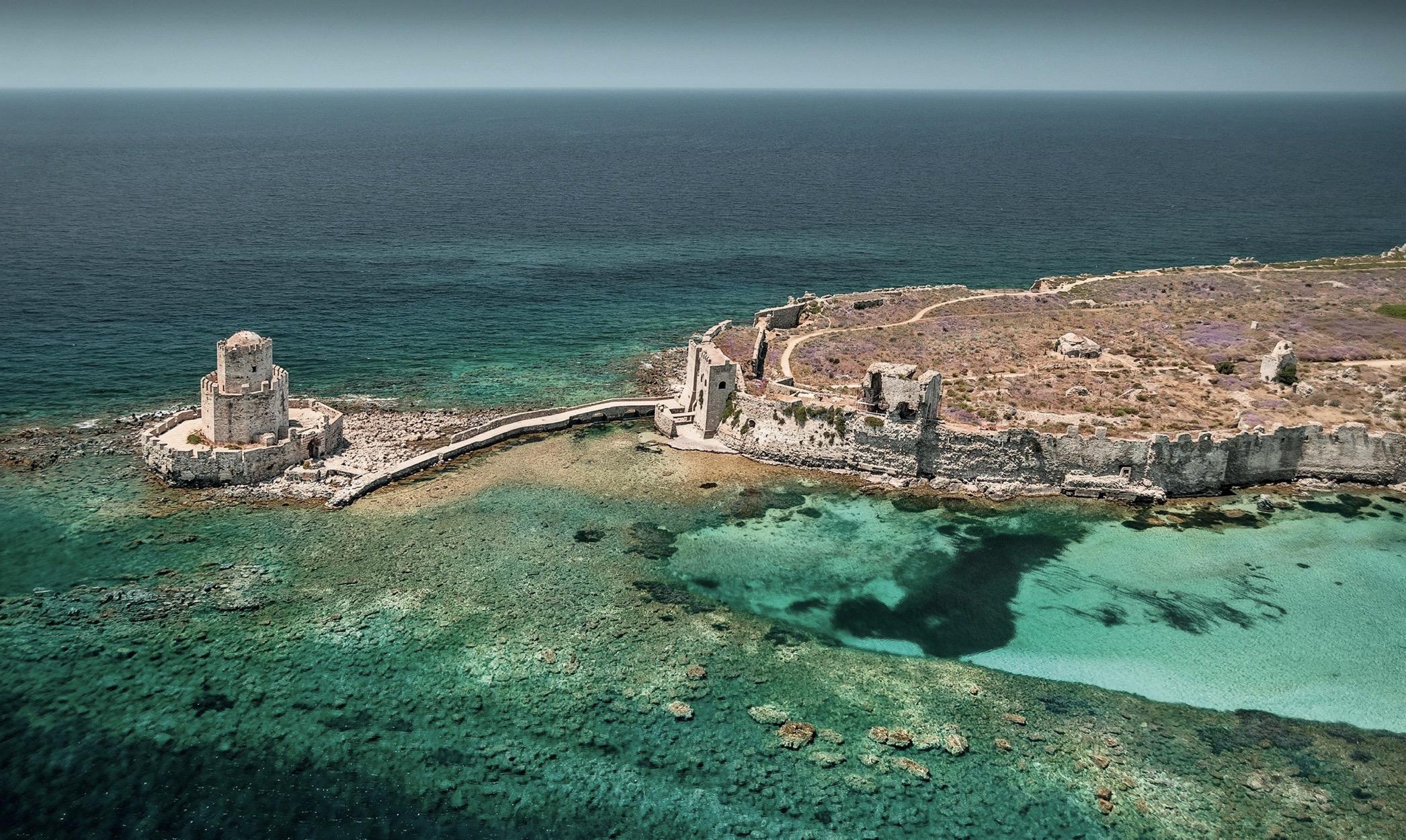
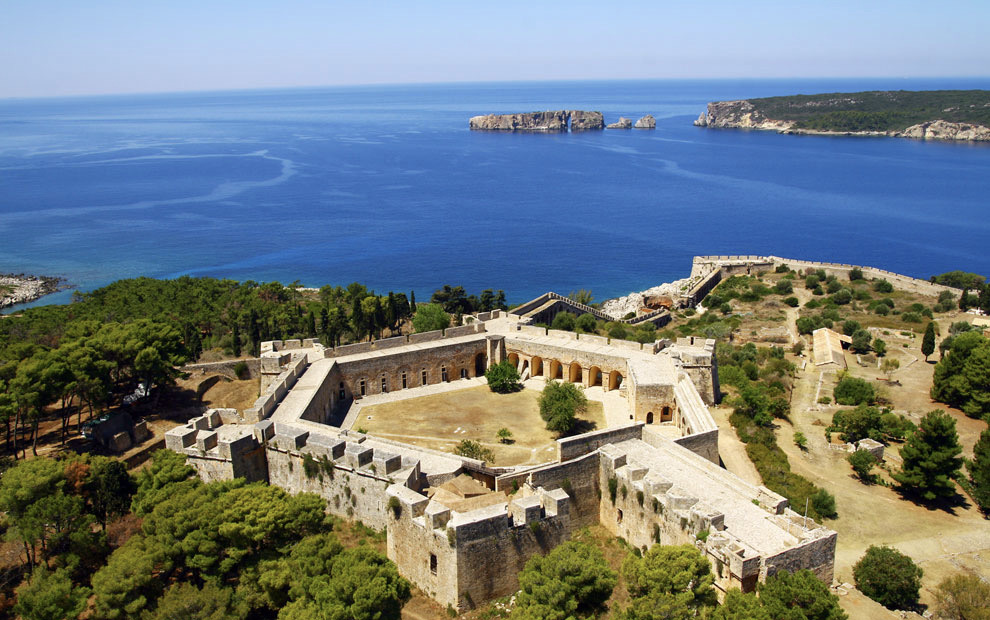
Only a short drive away lies the Palace of Nestor, one of the best-preserved Mycenaean palaces in Greece and one of the places where Homer’s Odyssey still feels remarkably present. Nearby, the fortress of Niokastro in Pylos and the Archaeological Museum of Pylos trace the many civilizations that have shaped this coastline, from the Mycenaean world to Venetian and Ottoman rule.
It is here that the story comes full circle.
Long before Christopher Nolan returned to Messinia to film The Odyssey, these landscapes had already carried the memory of one of the world’s greatest journeys. Today they continue to do so — not as a backdrop for mythology, but as a place where history, culture and contemporary Greece quietly exist side by side.
WESTWING | VICTORIA BECKHAM “DINING COLLECTION”
Victoria Beckham makes her homeware debut with Westwing, bringing her signature minimalism…

TO WATCH “POSSIBLE LOVE” BY LEE CHANG-DONG
In "Possible Love", Lee Chang-dong explores the distance between social classes and the…

IN CONVERSATION WITH IMAN TAHERI & CONROY CHAN
In conversation with Numéro Berlin, Conroy Chan and Iman Taheri discuss creative…

TO WATCH “LONDON” BY SEBASTIAN BRAMESHUBER
In Sebastian Brameshuber’s "London", a series of seemingly incidental car rides becomes…

TO WATCH “LÜGEN ÜBER MEINE MUTTER” BY ARON LEHMANN
Through seven-year-old Ela’s eyes, Aron Lehmann’s "Lies About My Mother" explores…

IN CONVERSATION WITH ADRIANO SACK
Adriano Sack’s "In die Sonne fliegen" explores the glamour, ambition and darker sides of…