
TO WATCH “IDENTITTI” BY RANDA CHAHOUD
Who am I, and if so, what race? When a celebrated professor turns out to have built her…


THE LIVES WE NEVER GOT TO LIVE
“This country has too many love stories buried in the fields. We have to scratch the earth so they can emerge. So more of them can exist.”
It is a line that feels particularly fitting for „La Bola Negra“, a film about stories that were never told, lives that could not be lived openly, and the traces they nevertheless leave behind. Rather than looking at queer history through what is already known, directors Javier Calvo and Javier Ambrossi, known together as Los Javis, turn their attention to what has been lost, imagining the lives that might otherwise have disappeared entirely.
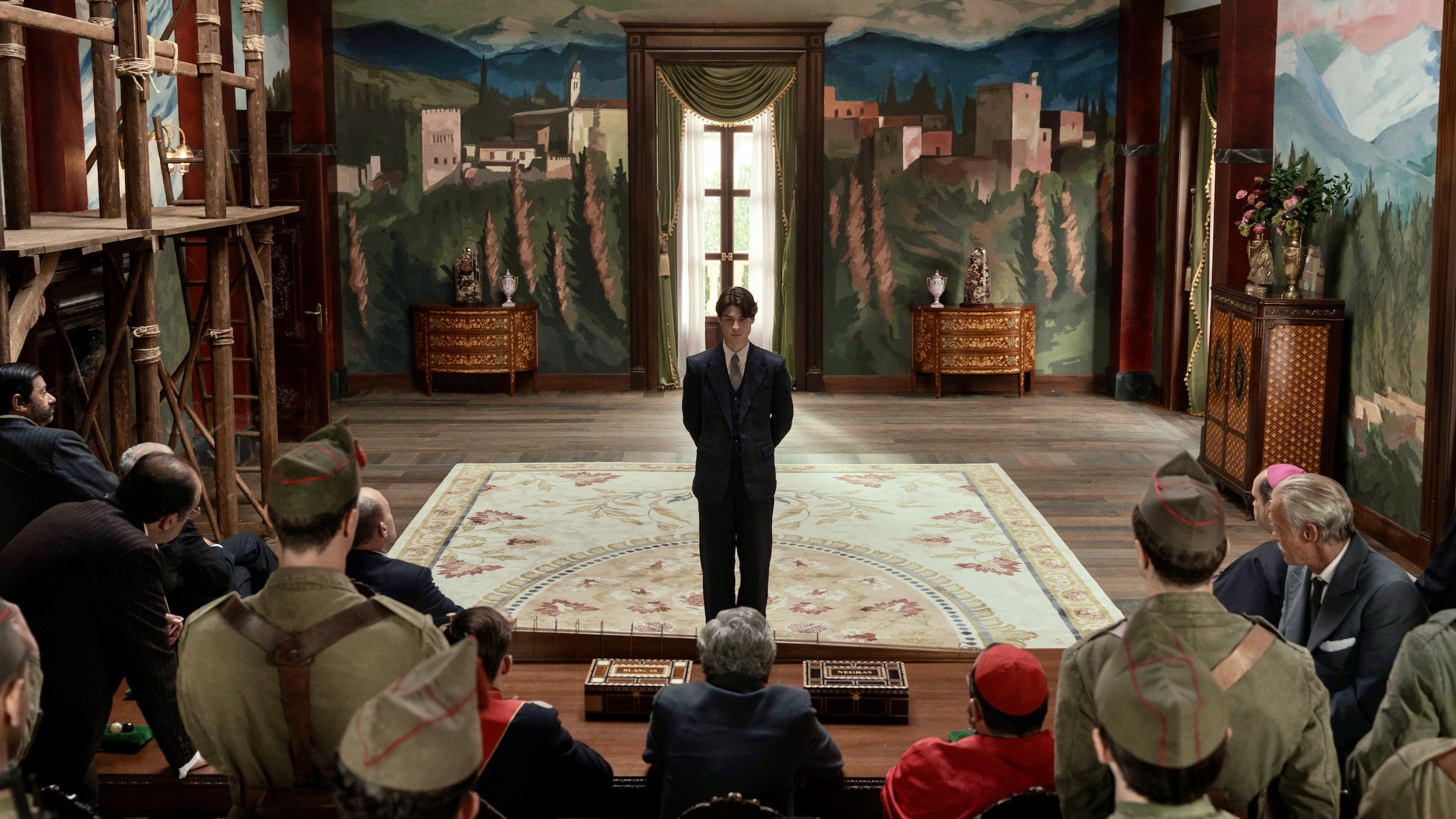
Spanning three periods in Spanish history, the film brings together the stories of Carlos (Milo Quifes), Sebastián (Guitarricadelafuente) and Alberto (Carlos González). Carlos’s storyline takes place in Granada in 1932 and is based on „La Bola Negra“, an unfinished play by Federico García Lorca, of which only four pages survive. The title refers to the black ball cast by members of a social club when voting on whether to admit Carlos, rejecting him because of rumors surrounding his sexuality. Sebastián’s story unfolds during the Spanish Civil War, where a young soldier finds himself growing close to a wounded Republican prisoner, while in 2017, historian Alberto discovers a manuscript that leads him to uncover a hidden chapter of his own family’s past. Though separated by decades, their stories gradually come together, weaving into one another to reveal how much of a life, and of an entire history, can remain hidden from those who come after.
There is something particularly moving about the way the film treats Carlos’s story, knowing that it is built around a fragment of something Federico García Lorca never got to finish. His fate feels less like a story belonging to the past than a reminder of all the lives that were cut short before they could ever take shape. This sentiment carries through the film as a whole, without making its three storylines feel like illustrations of the same idea. Each has its own emotional weight, yet they remain connected by something that reaches beyond their individual characters.
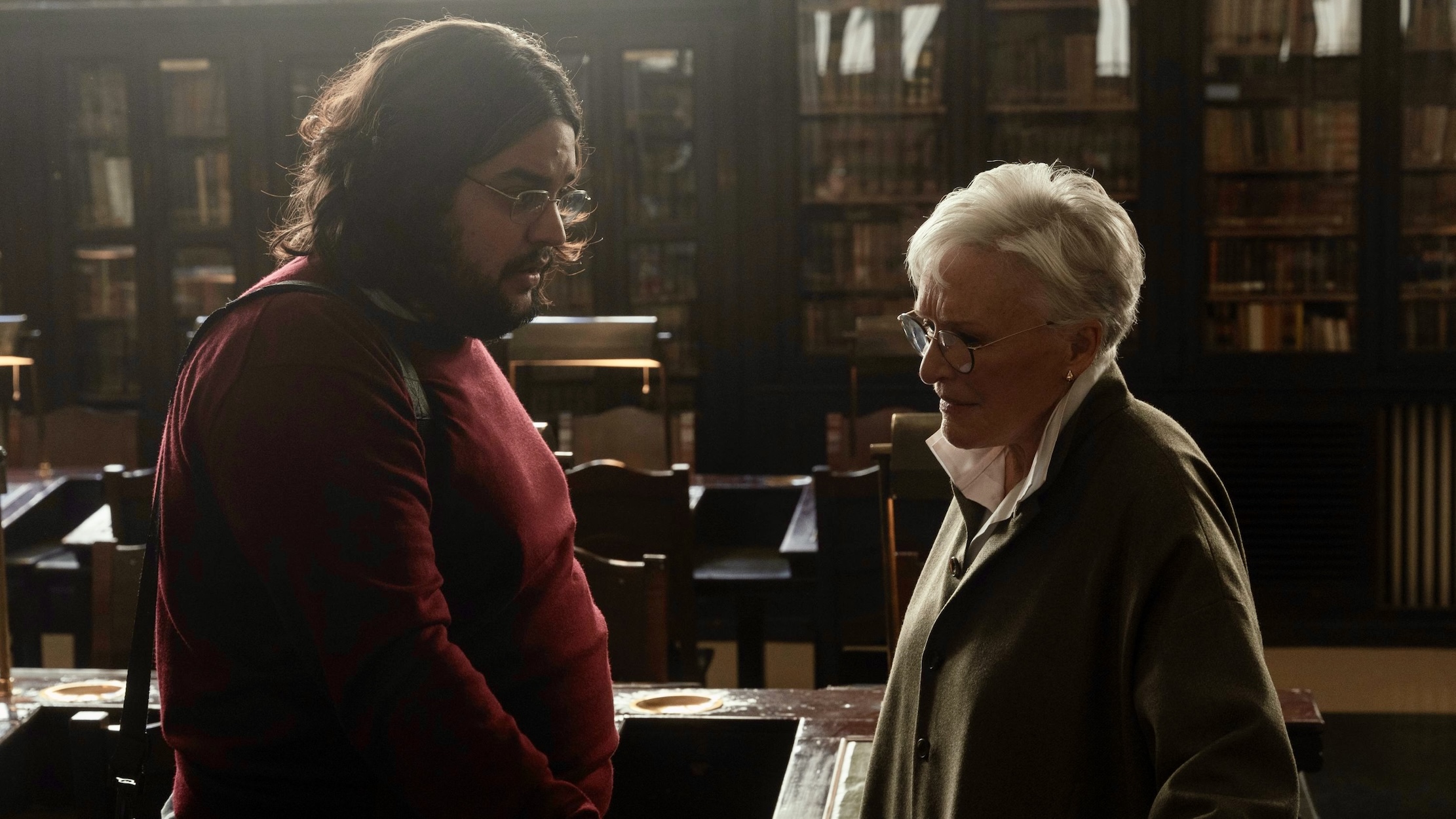
Visually and sonically, „La Bola Negra“ is equally remarkable. The three periods never feel interchangeable, but neither are they separated through obvious changes in color or image processing. Instead, the film finds its distinctions in the way scenes are staged, how the camera moves, and the atmosphere created through sound. This gives each storyline its own rhythm and sense of place, while allowing the film to move between them in a way that feels almost dreamlike. Raül Refree’s score is a particularly integral part of that experience. The film opens with music that immediately sets the tone, and later, „La nieve“, performed by lead actor Guitarricadelafuente and co-written with Refree, accompanies one of Carlos’s most devastating moments, as he comes to realize that he is dead. There is something about the song, the scene and the sudden weight of that realization that makes the moment almost unbearable. It was one of those scenes that stayed with me long after, and genuinely brought me to tears.
By the time „La Bola Negra“ comes to an end, what was once buried has begun to resurface, not only through the manuscript Alberto inherits, but through the lives it brings back into view. The film gives these stories a space they were never afforded in the first place, allowing them to exist beyond the people who lived them and the circumstances that kept them hidden. What was denied to them in life was never a reflection of their worth. They were no less deserving of lives in which they could love openly, be loved and be remembered for who they truly were.
Who am I, and if so, what race? When a celebrated professor turns out to have built her…

What happens when personal memories collide with public narratives? In "3 Kameradinnen",…
Few things test our convictions like a choice we cannot understand. "Los Domingos"…