
TADASHI KAWAMATA AND HIS ONGOING CONVERSATION WITH NATURE
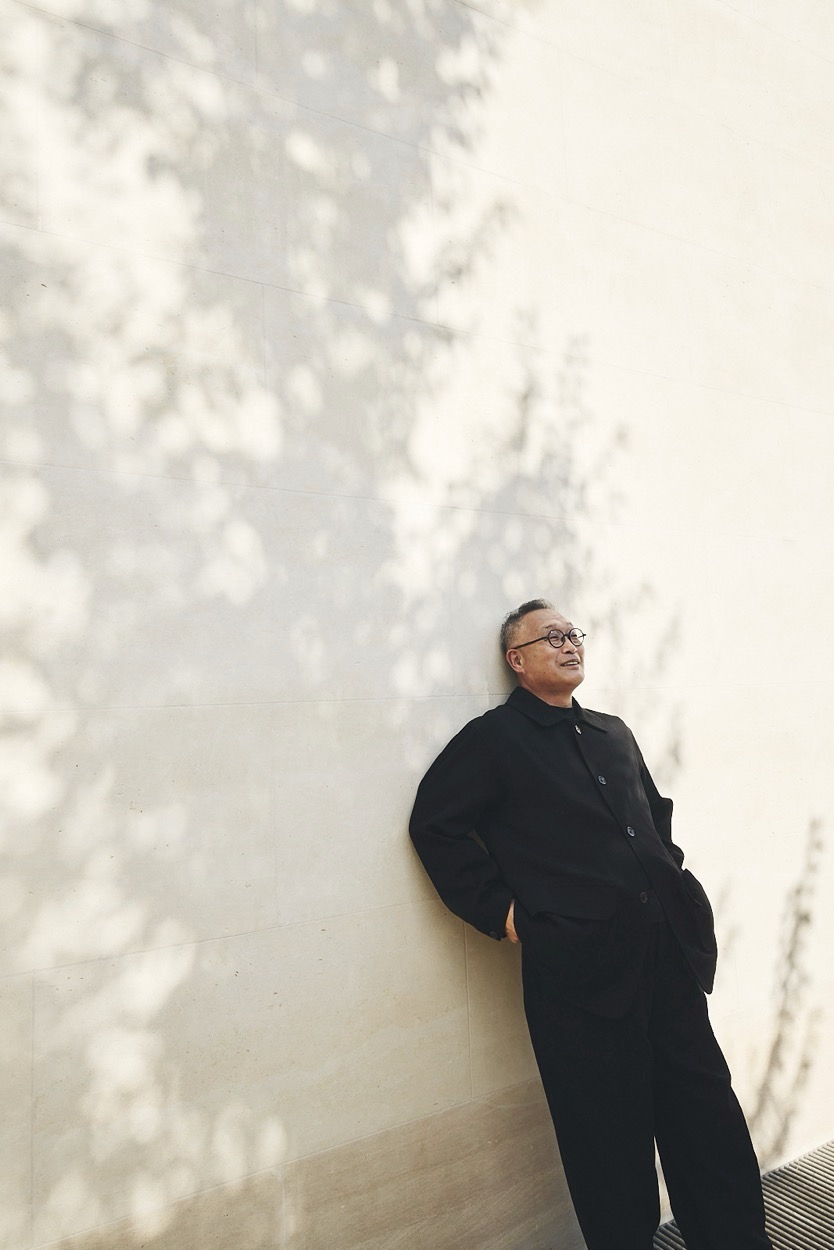
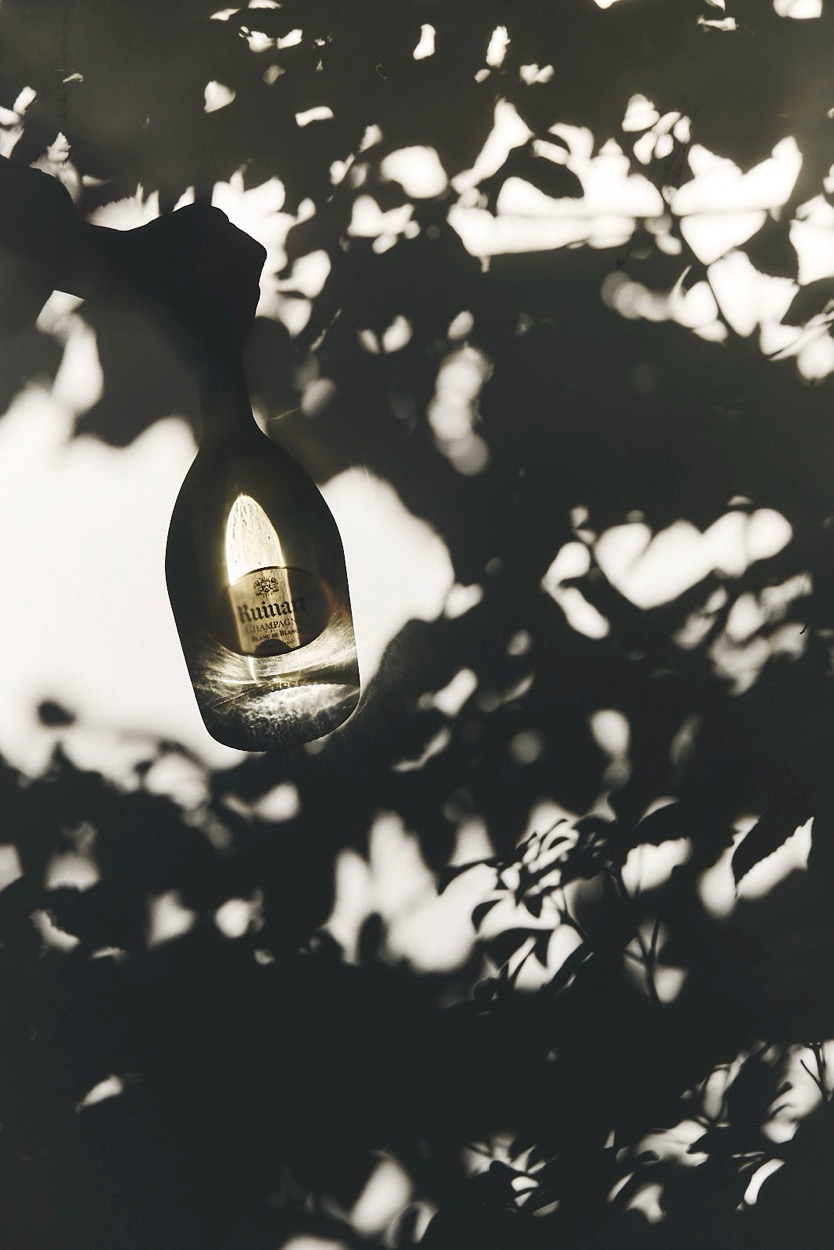
Champagne house Ruinart invites annually changing artists to reinterpret the maison, all under the motto “Conversations with Nature.”
And who could be more suitable for that than Tadashi Kawamata? The contemporary artist and sculptor is known for his in-situ installations using wood as his signature material. Born in 1953, he has developed an international practice that explores how temporary structures can reshape the perception of space and environment. Through a skillful play with scale and form, the Japanese artist reveals subtle interactions and the vitality of nature, a focus he has maintained since 1979.
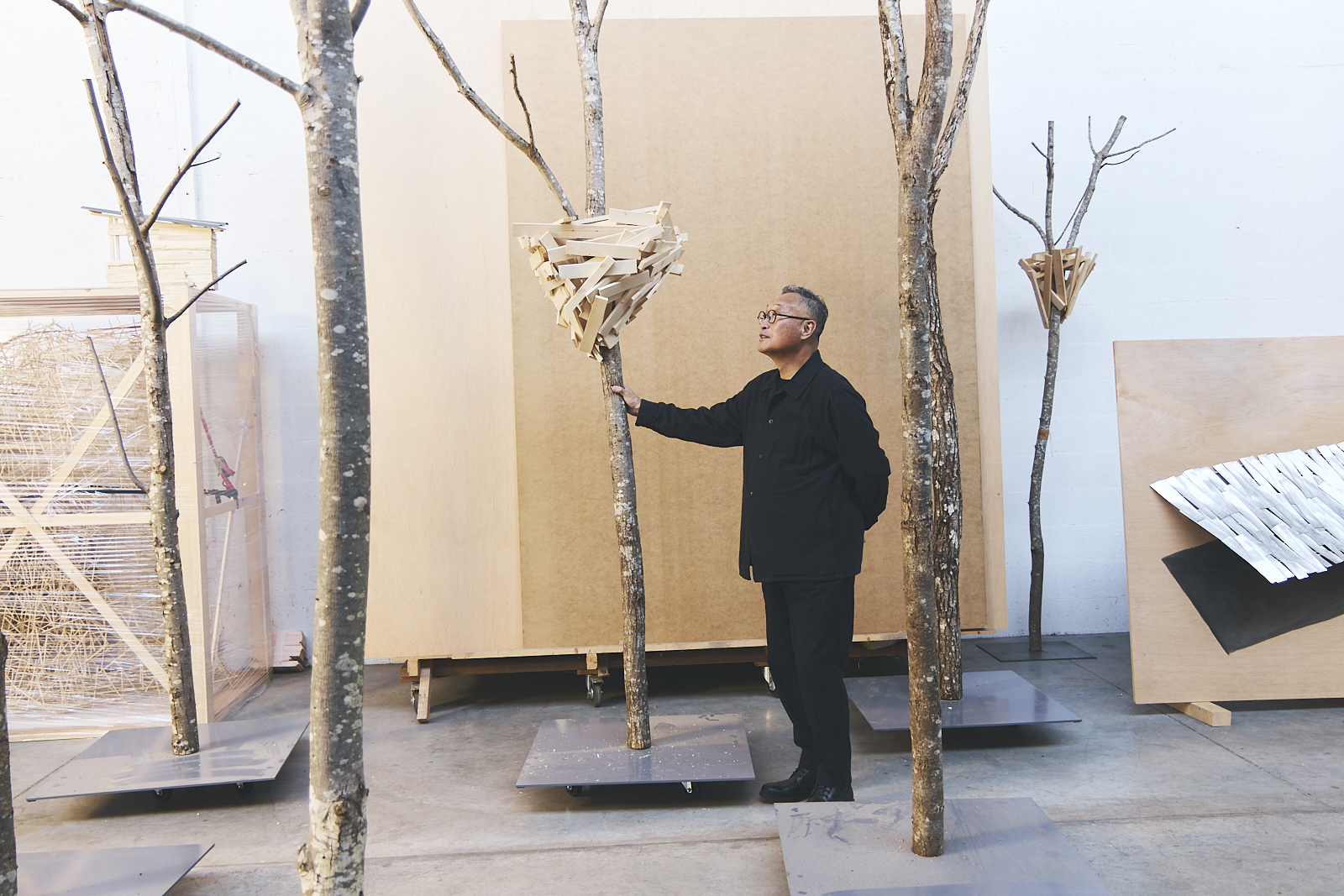
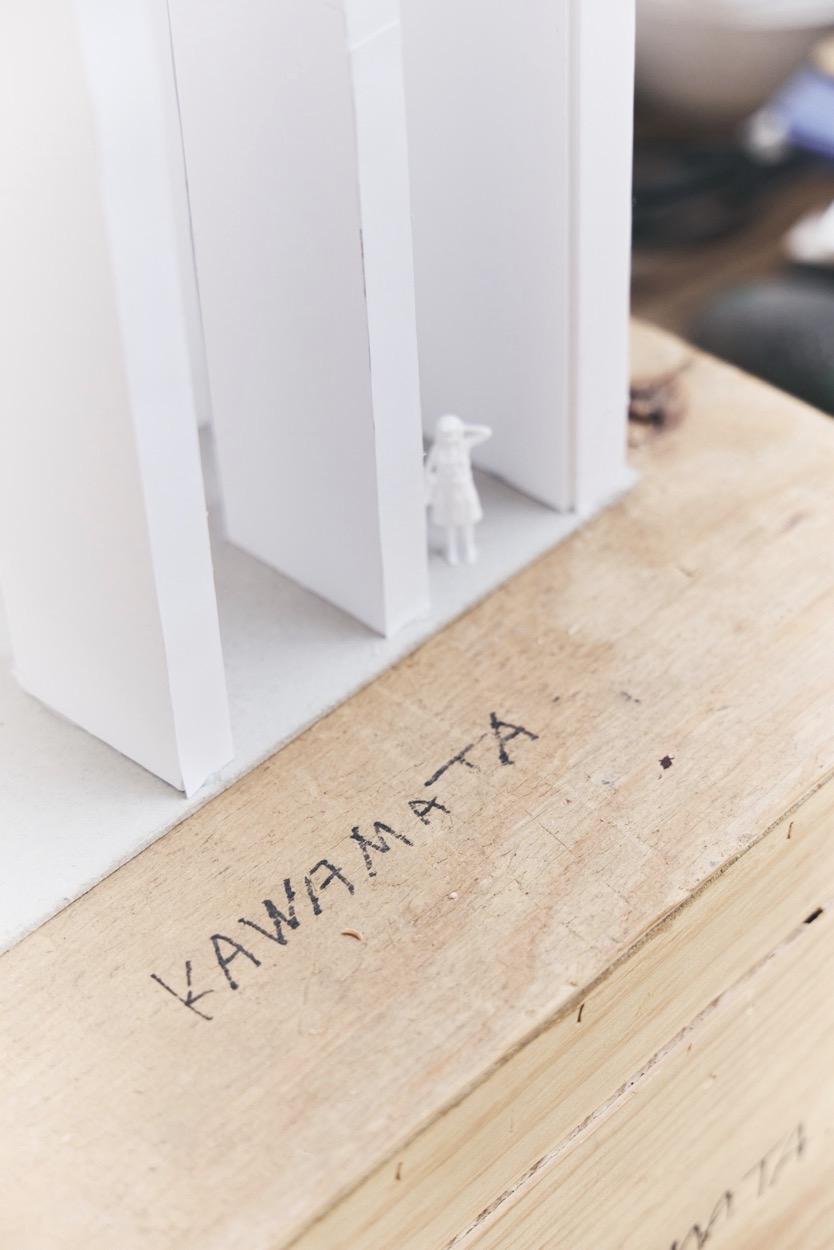
His installations made of wooden frames and beams occupy empty spaces, corners, and building facades.
The collaboration between Tadashi Kawamata and Maison Ruinart culminates in three of his renowned in-situ installations in the Champagne region – Tree Hut, Nest, and Observatory– concluding to form a cohesive whole. Visitors are invited to attentively observe the vibrations of nature, essential to the harmony of champagne, from weather and climate to biodiversity.
Tadashi Kawamata: Nature, for me, is a continuous state of flux, a process of growth, decay, and renewal. It is not something fixed, but an ever-evolving entity that profoundly influences our existence. I converse with nature through my installations by highlighting subtle shifts in light, the movement of wind, and the presence of other living creatures. It’s about recognizing the interconnectedness of all things and our place within that delicate balance. My interventions are not intended to dominate or disrupt a space, but rather to engage in a dialogue with it, offering a new perspective and subtly shifting how one perceives their surroundings. By creating structures that blend with the environment, or that are built from natural and often reused materials, I emphasize that nature persists and reclaims spaces, even in man-made settings.


TK: Nature plays a central and fundamental role in my art. My work, with its focus on ephemeral structures and natural materials, inherently speaks to the impermanence that pervades both the natural world and human experience. My installations are designed to evolve and transform with time and the elements, reflecting the vulnerability of ecosystems and reminding us that nothing is fixed in nature. This continuous transformation, the subtle integration with the environment, and the dialogue it creates between human activity and nature are all paramount to my artistic philosophy. I aim to re-connect visitors to nature, inviting them to observe, reflect, and recognize the interconnectedness of all things, without imposing a permanent, unyielding presence.
TK: My experience working with Maison Ruinart was profound. The collaboration presented a unique opportunity to engage directly with a very specific, cultivated natural environment – the Champagne region. Ruinart’s deep dependence on the terroir, the vines, and the climate, and their commitment to sustainability, resonated deeply with my artistic approach.
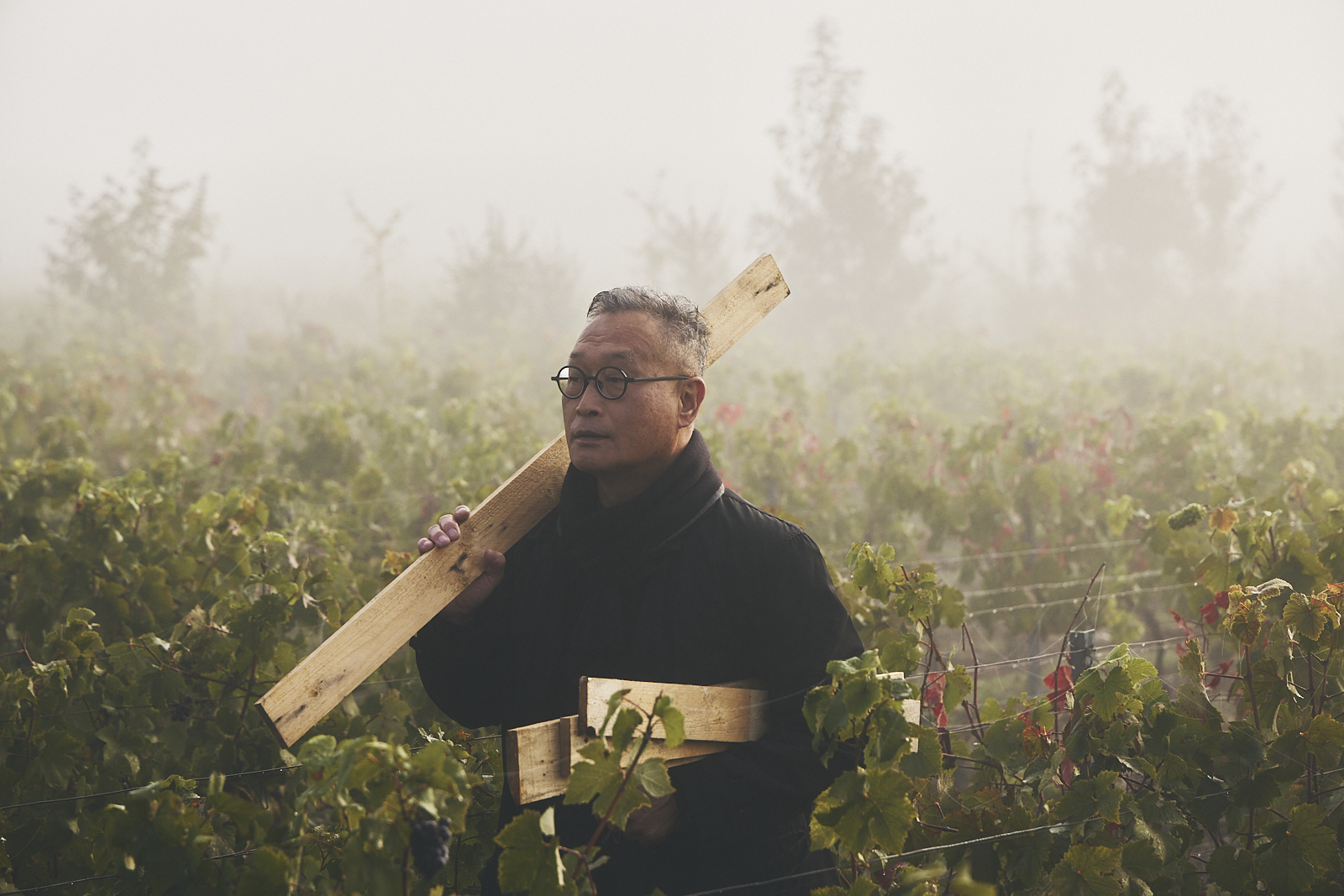
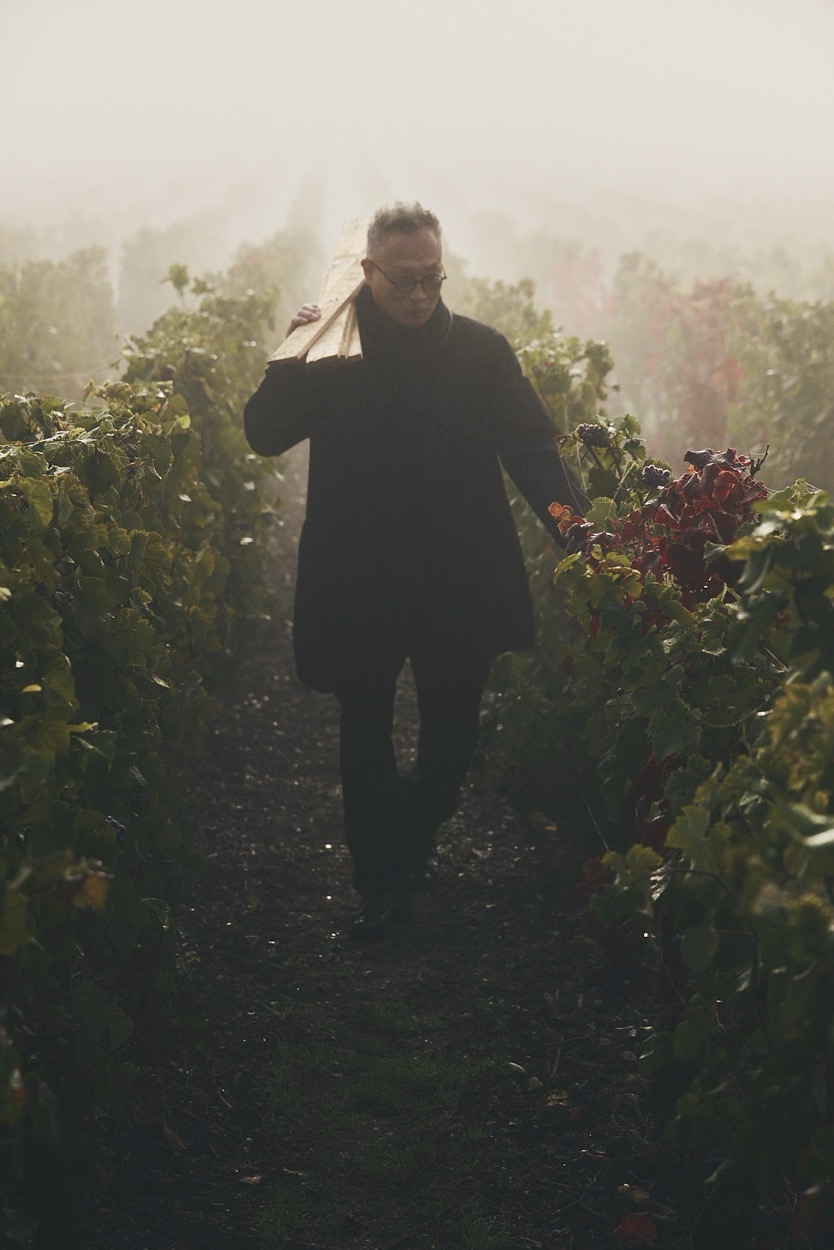
My first encounter with the Ruinart vineyards was particularly evocative; it was a very foggy and quiet day, with only the sounds of birds passing, and I felt a very natural connection, smelling the air and feeling the wind. This impression of the field of vines, which eventually becomes champagne, was profound. It underscored for me the idea that champagne is synonymous with lightness, patience, and precision – a long, invisible process that resonates deeply with the ephemeral nature I explore in my own work.
My installations there, like the “Tree Hut,” “Nest,” and “Observatory,” were designed to explore how a centuries-old institution must adapt and innovate in the face of ecological shifts, highlighting the intricate dialogue between human activity and natural cycles.
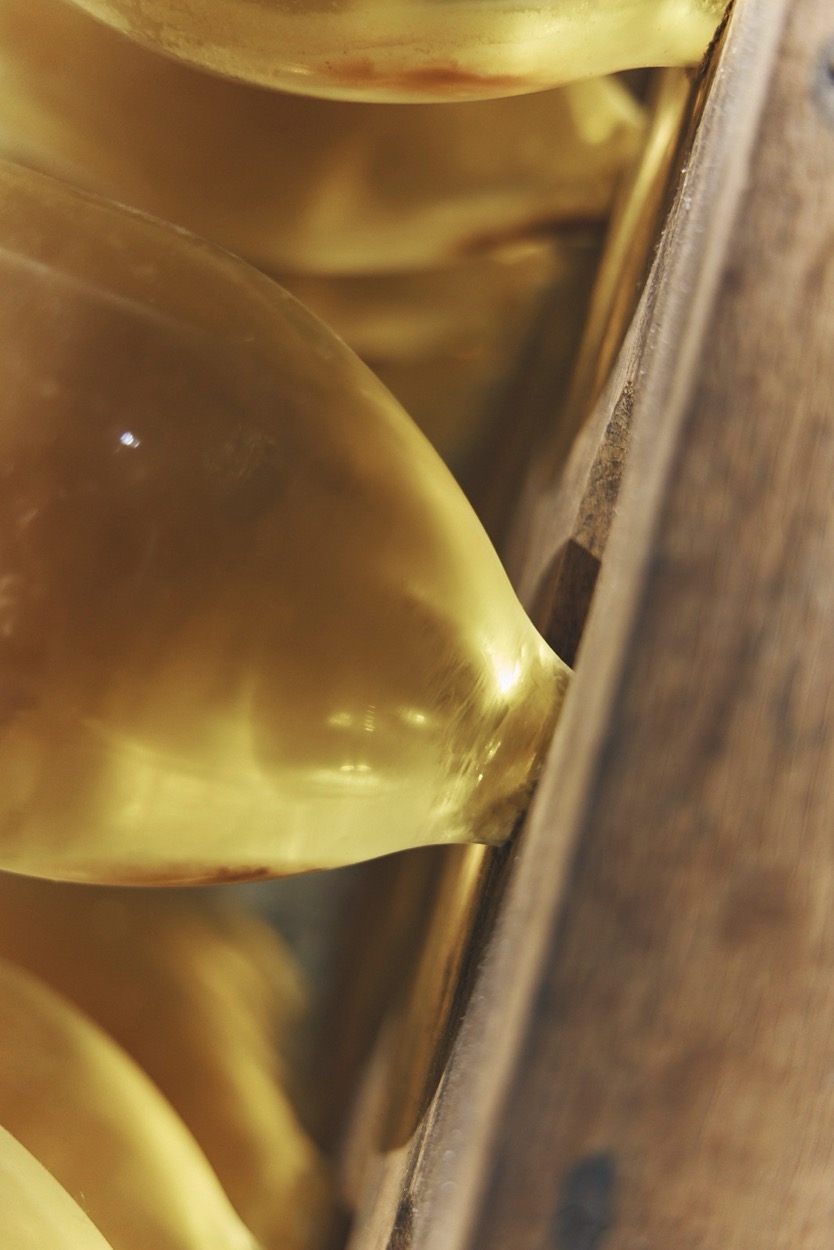
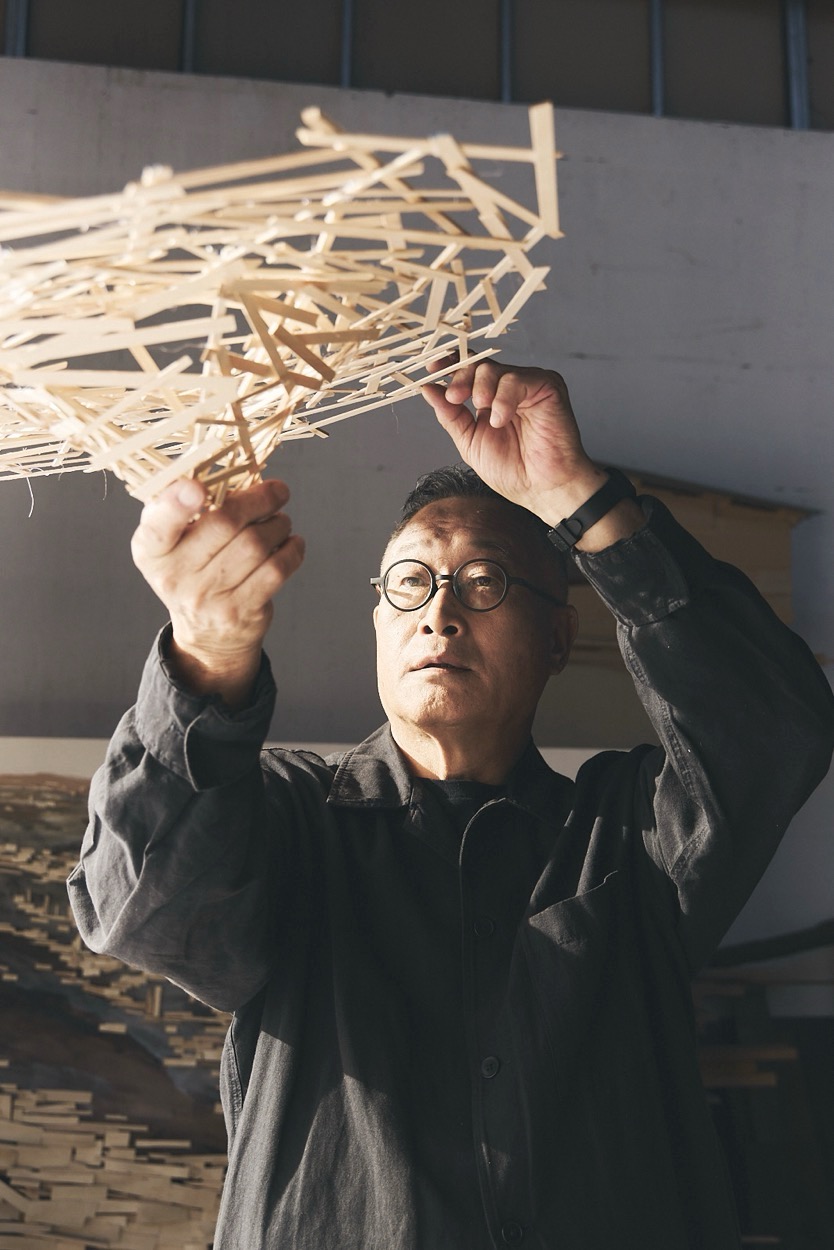
TK: I am drawn to wood because it is a living material. It retains the memory of its different uses – nails, blows, and grooves. Each plank tells a unique story. Wood is like skin: it breathes, changes color, and transforms. Over time, it will age and transform, becoming grey and cracking, and moss may start to grow. This process of aging is an integral phase in the life of the artwork. This continuous transformation, this inherent quality of life, and its connection to natural processes of growth and decay, are what I deeply appreciate about working with wood.
TK: Working with wood allows for a certain simplicity and artisanal dimension. It is a material that anyone can cut or assemble, which makes it accessible for creating my structures. The ease comes from its natural adaptability and its inherent narrative; it carries its own history and transforms organically, which aligns with my artistic philosophy of impermanence. The challenge, if one can call it that, is less about the material itself and more about ensuring that the ephemeral nature of my installations is understood. I don’t seek to achieve static perfection, but rather to create works that will age, evolve, and ultimately transform with time and the elements. This means accepting and embracing its natural processes, rather than forcing it into a fixed state.
TK: Beyond wood, I am intrigued by materials and elements that speak to similar themes of temporality, transformation, and a connection to the environment. I often use simple, reused materials in my work, as they inherently carry a history and reflect cycles of usage and decay. The broader elements of a landscape – light, wind, sounds, textures – and how they interact with my structures are also crucial. I am constantly observing how nature persists and reclaims spaces, even in man-made settings, and how these elements can collectively form a powerful statement about our relationship with the environment.
TK: When I consider the pace and expectations, particularly in artistic contexts, I find that Paris, while a vibrant cultural center, offers a different dynamic than what I experienced in New York. My installations are not about perpetual novelty but rather about creating a dialogue with existing spaces and natural processes. In Paris, as in other European cities, there is often a deep appreciation for the historical context and the subtle interactions of art within its surroundings.
This allows for a focus on the transformative journey of the artwork and the contemplation it evokes, rather than a constant demand for the next “new thing.” My work emphasizes the ephemeral, the ongoing conversation with a place, and this resonates well within a European context where history and continuity are often valued alongside innovation.
TK: My artistic journey has always involved a process of discovery and self-expression that extends beyond any single geographical location. Leaving Tokyo was part of a larger exploration to engage with diverse environments and architectural philosophies, seeking new contexts where my artistic vision could evolve. While there is a Japanese aesthetic of harmony with nature that my work often aligns with, my aim is to bridge perceived divides between architectural traditions and highlight the porosity between art and landscape, wherever I am.
Moving allowed me to engage with various urban and natural settings, fostering new dialogues and expanding the reach of my artistic conversation about nature, time, and human interaction.
TK: It is difficult to point to a single work as the “proudest.” My artistic philosophy is fundamentally rooted in the ephemeral nature of installations. My works are in-situ installations designed to exist for a specific period, with their disappearance or transformation being an integral part of their creation.
Therefore, my emotional connection is not to a static object, but to the ongoing process itself. Each project, in its dialogue with the specific site and context, is a part of a larger, continuous evolution of my exploration into the vulnerability of ecosystems and our relationship with time. What I value most is the ability of these works to provoke thought, to shift perspective, and to create a connection with the environment.
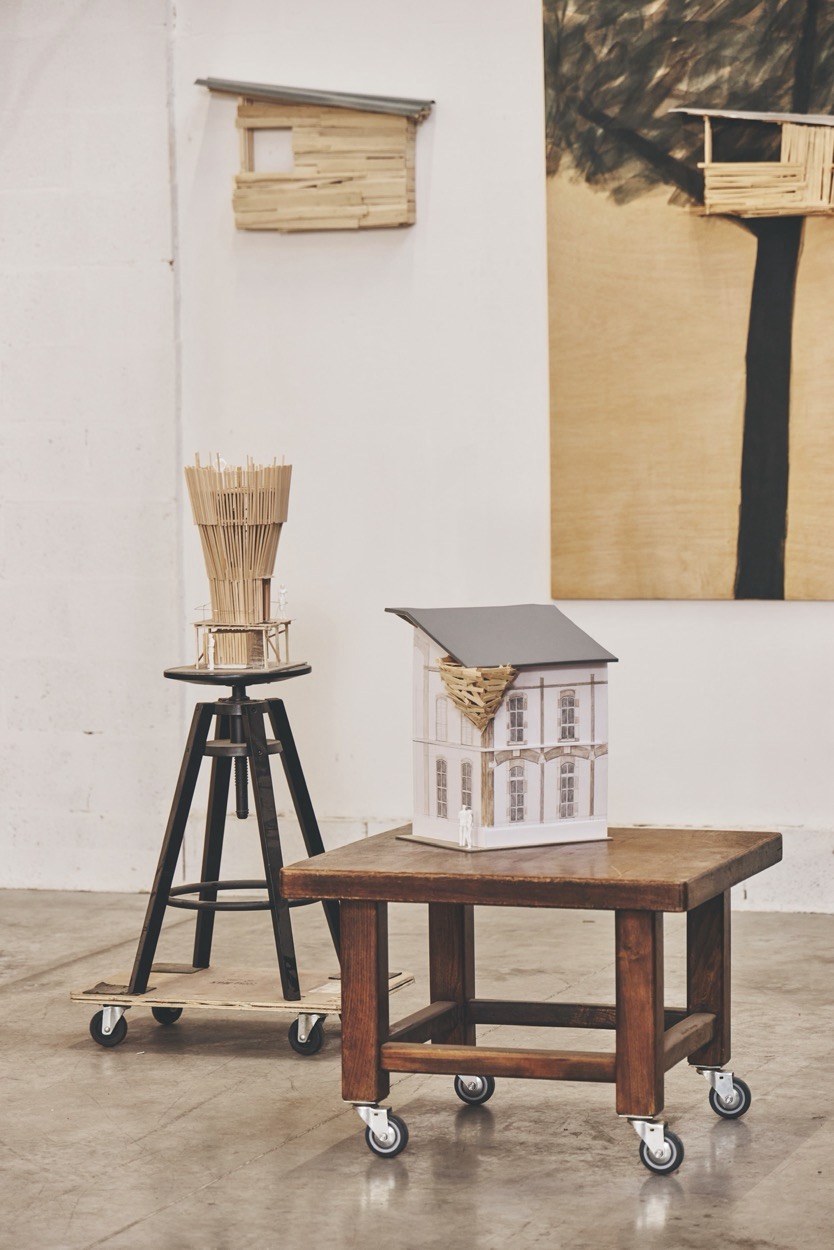
TK: No, it is not getting hard to think of “new things” because my artistic process is not primarily about seeking novelty for its own sake. I like to work, I always need to think of another project, another idea. I also draw sketches, a lot of sketches and I get bored if I don’t work on new installations.
When inspiration feels distant, I often return to the fundamental act of drawing. For me, drawing is like breathing; I do it every day, often without any specific objective. Some drawings serve as studies, others are simply traces of a moment, and sometimes, they evolve into artworks themselves. More than anything, these drawings are traces of my thoughts, a way to connect with my inner landscape and allow new ideas to emerge naturally.
TK: Beyond the art itself, my greatest achievement, I believe, lies in the connections and collaborations that art has opened up for me. Art has allowed me to connect with diverse individuals, explore places, cities, and countries I wouldn’t otherwise encounter. It has enabled me to engage in meaningful dialogues about our environment and societal values, fostering a deeper understanding and respect for the Earth. This ability to facilitate connection, to invite contemplation, and to subtly shift perceptions through interaction with my installations, particularly regarding our relationship with nature, is perhaps my most significant achievement beyond the physical artworks themselves.
TK: I am always excited by the potential for new dialogues between human activity and nature, and the continuous opportunity to engage with different landscapes and communities. Right now, I am very excited by the installations of my artworks in Reims for Ruinart, it is quite something to see my work on this incredible environment. And of course, I’m excited when it comes to a glass of Ruinart Blanc de Blancs champagne!
IN CONVERSATION WITH SOFIE ROYER
With her new album before/after, Sofie Royer looks at the conflict of you versus you: the…
IN CONVERSATION WITH JOEL EVEY & NICK FROSST
What happens when AI steps out of the tech world and into Berlin’s creative scene? At…
IN CONVERSATION WITH LEON EMANUEL BLANCK
His work is defined by an inherently asymmetrical approach, working directly from the…

WEEKEND MUSIC TIP PT 109 DAHI
He produced some of the most recognizable hip hop tracks of this century, from Kendrick…

IN CONVERSATION WITH AARON PIERRE
There is a certain inevitability to Aaron Pierre’s relationship with BOSS. His career…
WESTSTERN CELEBRATES: NRW´S ART ASSOCIATIONS
The WESTSTERN Förderpreis 2026 recognises the work of art associations across North…