

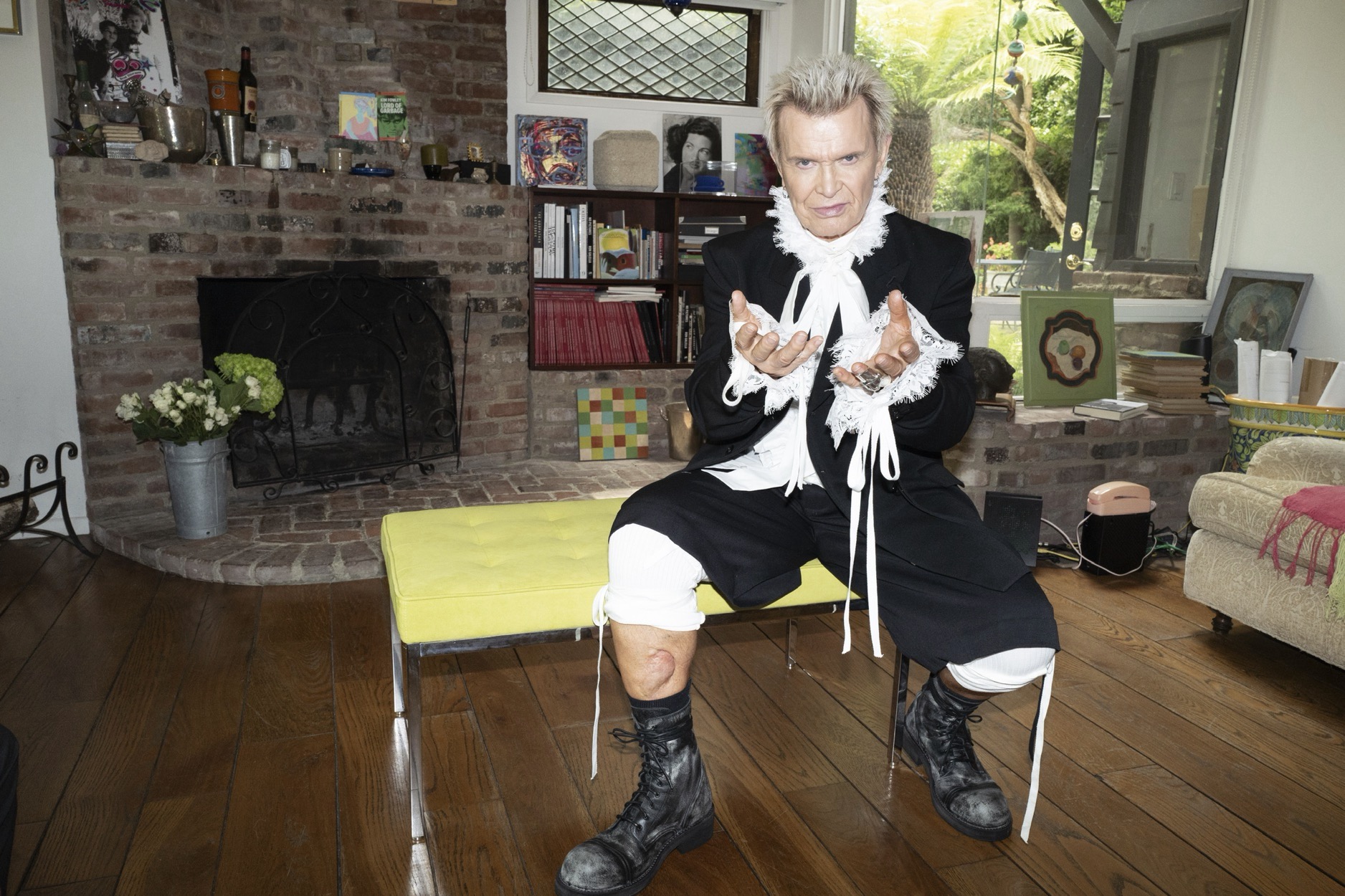
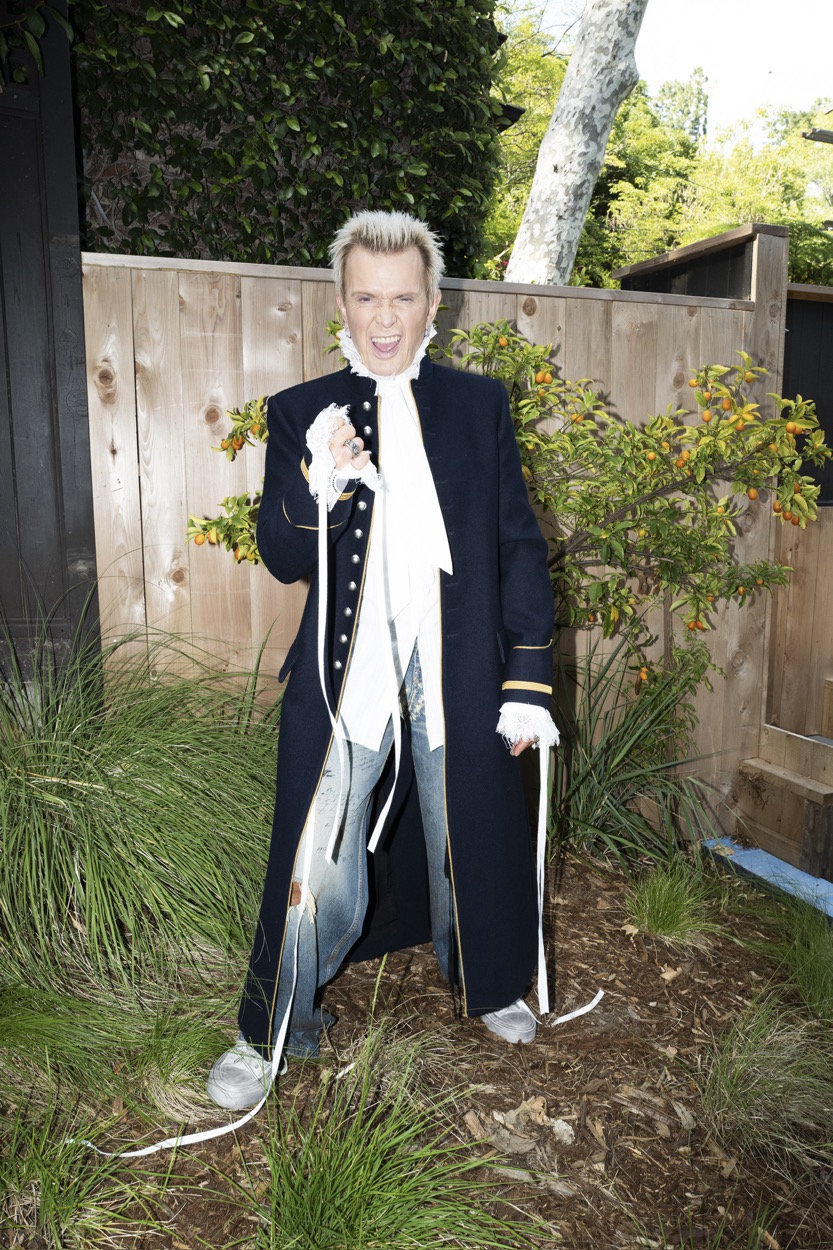
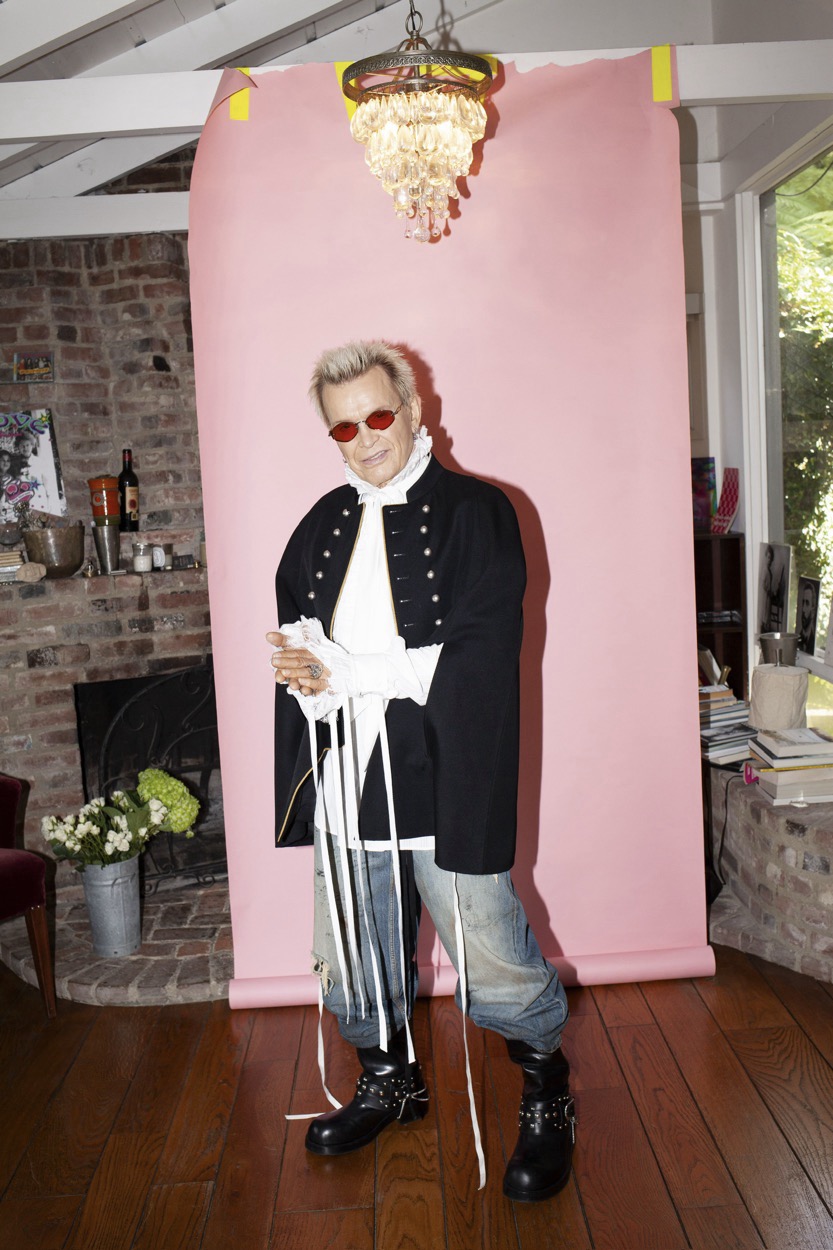
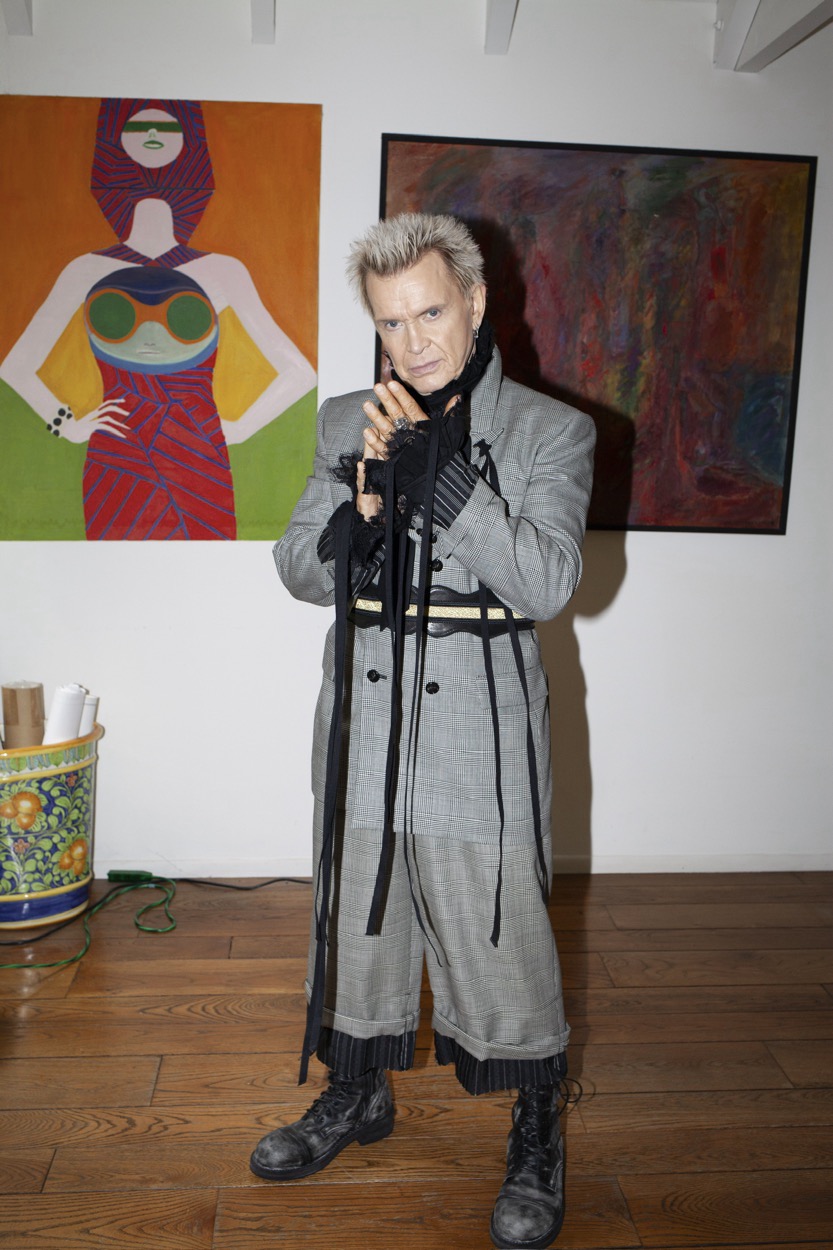

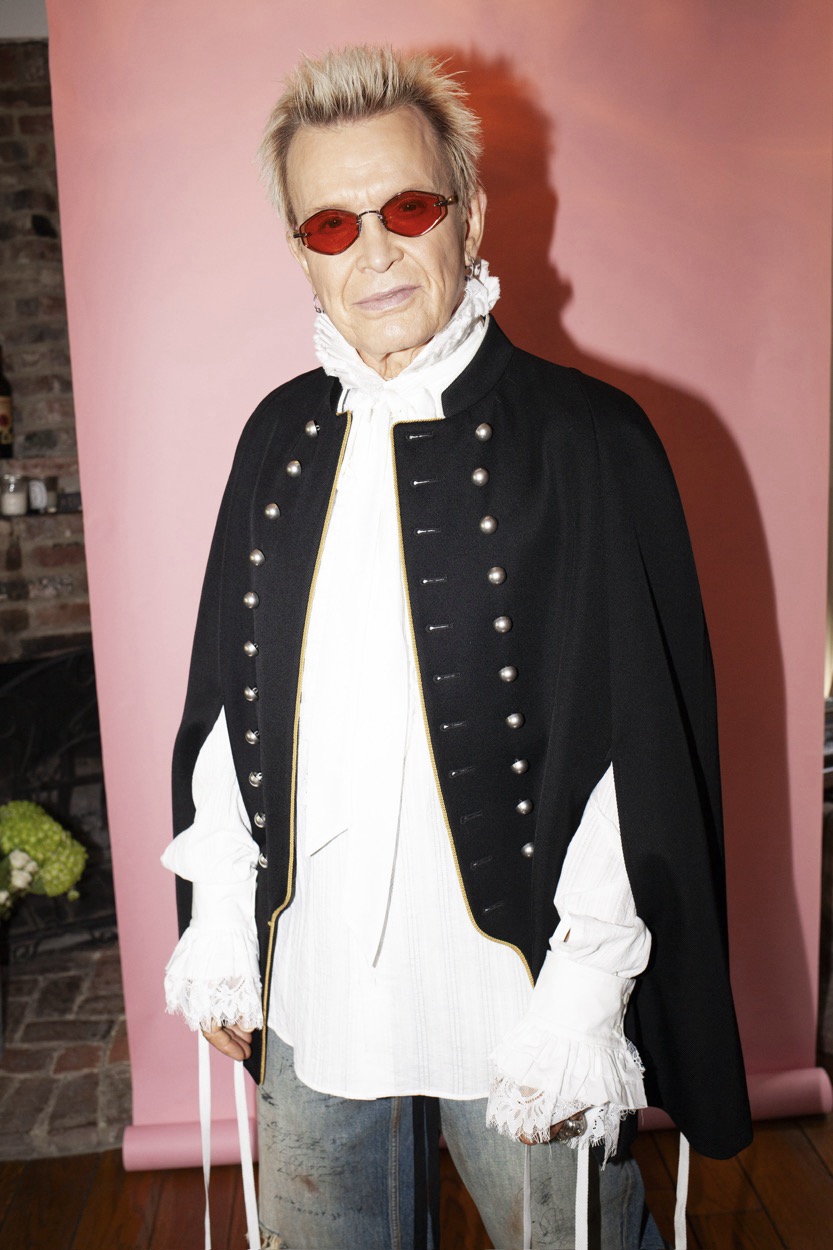
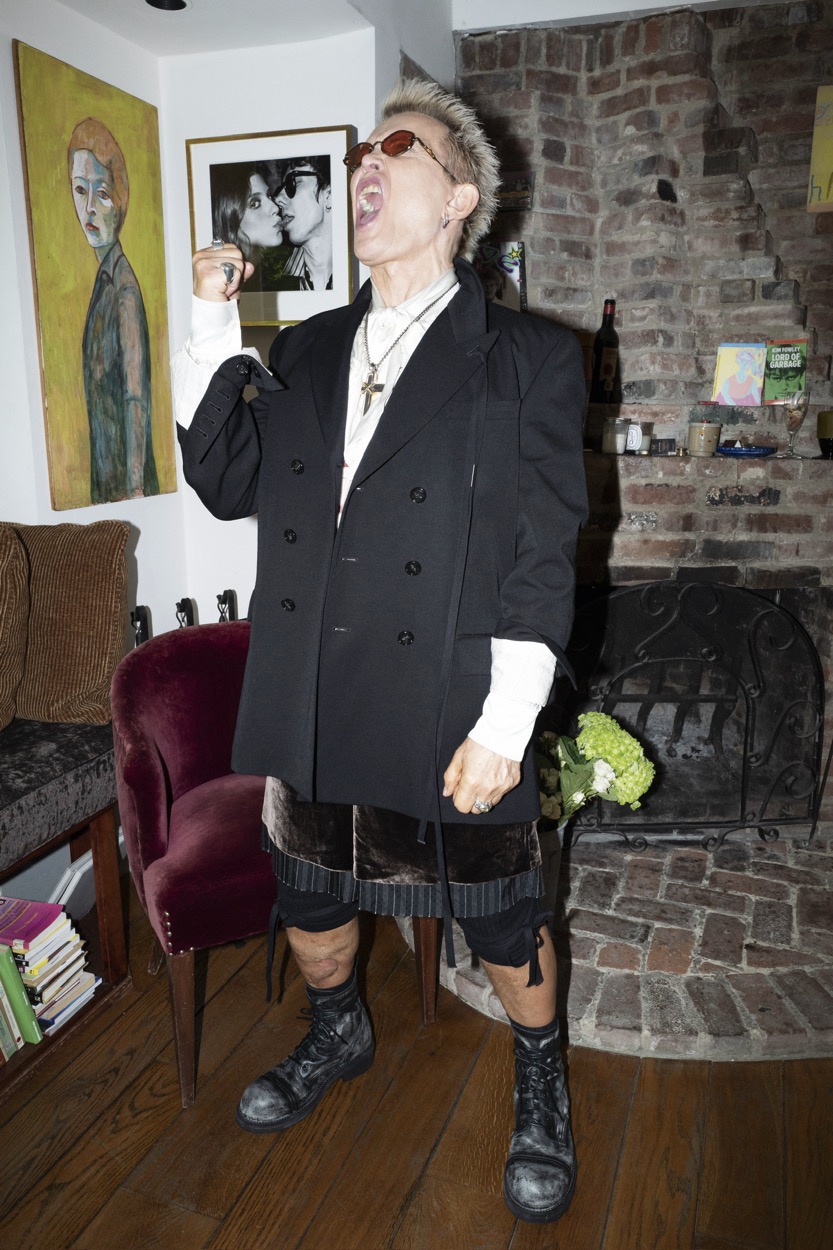
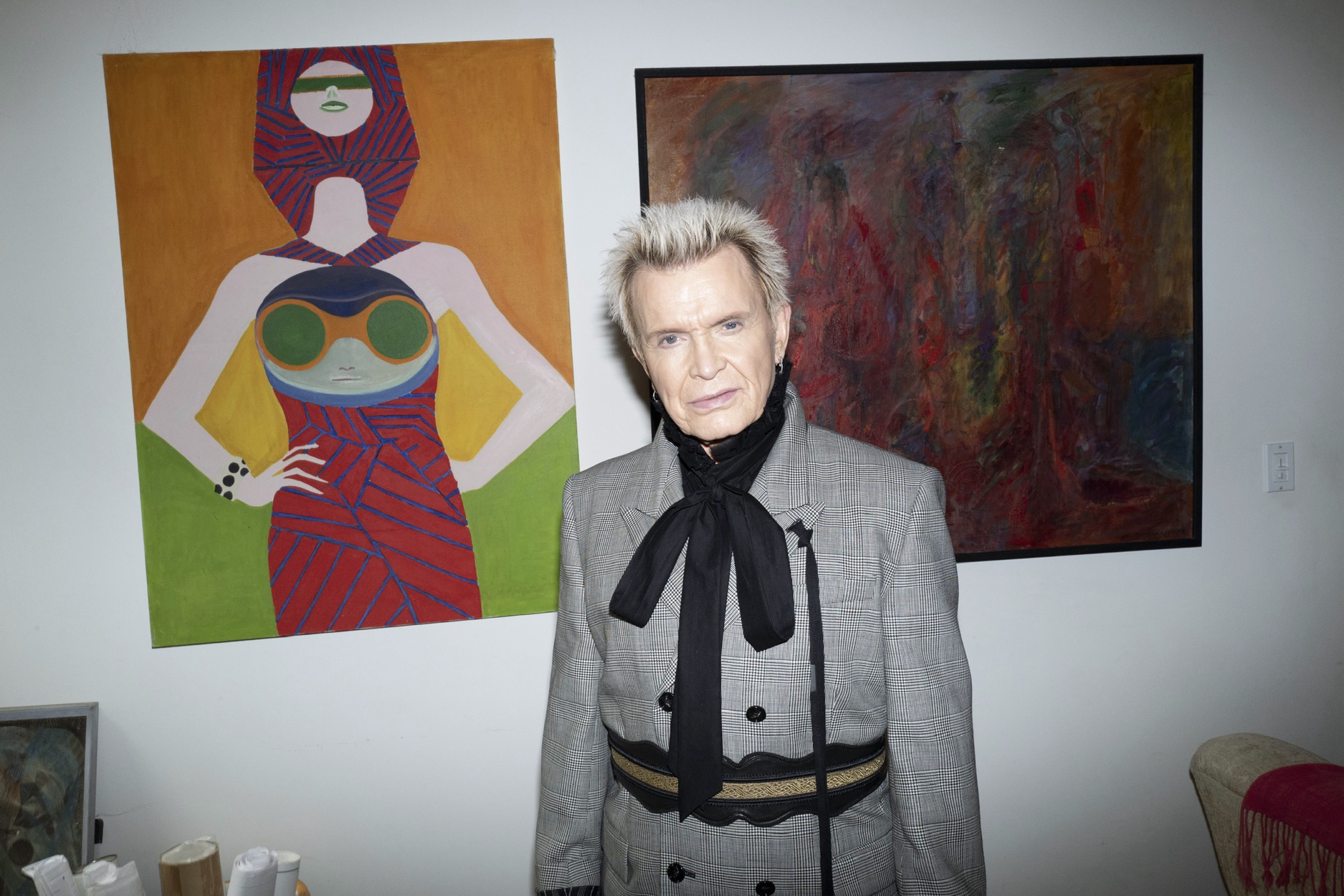

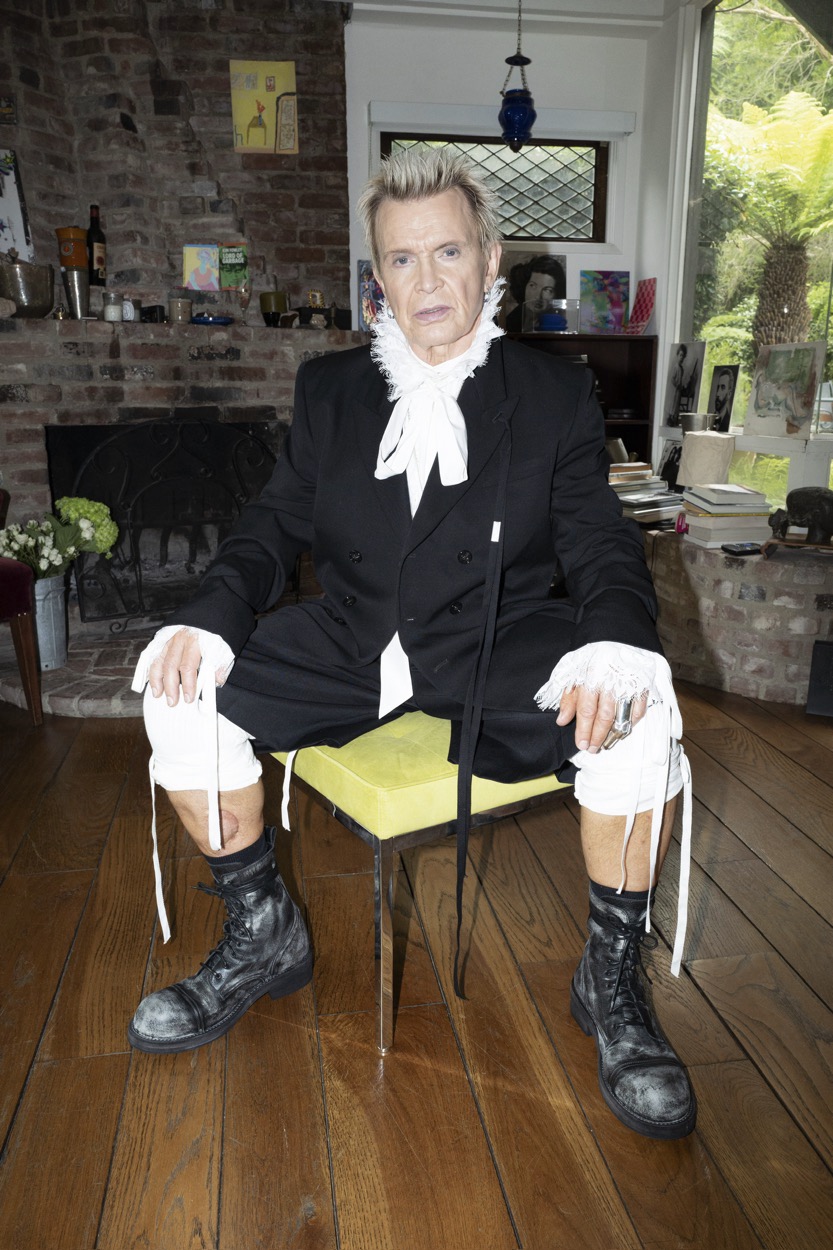

“I did it out of love” Why punk icon Billy Idol remained future facing
There are artists who belong to an era — and artists who somehow survive several of
them: Billy Idol emerged from the wreckage of seventies England, when punk was less a
style than a reaction to a deep economic recession, social apathy, and political crisis.
Long before he became one of MTV’s defining faces, he was part of London’s original
punk underground: a scene shaped by economic crisis, youth frustration, radical self-
invention and figures like Malcolm McLaren, who understood earlier than most that pop
culture itself could become theater, provocation and strategy. But Billy Idol was never a
purist. Where many punk contemporaries rejected image, he embraced it. Where others
feared pop, he understood its power. Across the decades, he continuously mutated:
from London punk outsider and frontman of the iconically named band Generation X to
global rock icon, from leather-clad MTV antihero to the futuristic digital dreamscape of
Cyberpunk — an album once dismissed as excessive but, which, in retrospect, feels
strangely prophetic in an age of online identities, curated selves and algorithmic culture.
His latest album, Dream Into It, released in 2025, feels less like a comeback than a
reflection. Structured almost autobiographically, the record revisits the chaos and
seduction of punk, the excesses of fame, addiction, survival, reinvention and rebirth —
while still remaining strangely future-facing. Collaborations with younger artists like Avril
Lavigne underline something that has always separated Idol from many of his
contemporaries: an instinct to move with the times but staying true to a core idea: a
playful disruption of the status quo. Now more than four decades after punk first
announced “no future,” Billy Idol remains culturally legible in a way that many of his
peers do not. Perhaps because his career was never really about nostalgia. It was about self-invention: how rebellion changes shape across generations, technologies and
culture. In conversation with Numéro Berlin, Billy Idol reflects on coolness, charisma,
masculinity, digital identity, punk as liberation, and why the future he imagined in the
nineties no longer feels fictional at all.
Billy Idol: All of those things. England was in a certain place where the economy had fallen apart completely. There were constant strikes and people protesting. As kids, we were told there was really no future for us. For us, it was liberating, in a way. It was being forced into doing what we truly wanted to do with our lives because there was no other option. But that was great because you really had to do what you loved, and in my case it was music. We were really doing it just for the sheer love of it. We didn’t think it was gonna go mega or anything like that. We were just trying to do something we found exciting for the few other people who are into it.
BI: David Bowie, Lou Reed, John Lennon or Iggy were telling you “find out who you are and be it.” We were looking for people who went out on a limb and tried something that wasn’t necessarily commercial. We were looking for substance more than commerciality. Funny enough, now you will hear some of this music in adverts, but at the time, if I played you Iggy’s Raw Power in my dorm room at University, people couldn’t understand why you were listening to that “terrible sound.” We liked putting people off, in a way, not doing something that was trying to placate people or pander at all. What’s cooler than that?
BI: When I was in Generation X, we were doing punk rock music, and while it was relatively diverse for the genre, it was mostly short, succinct songs. Our records became more eclectic as we moved forward, even though they were still punk rock records. Then, later in my own career, musically I did start to go all over the map because that’s what I’d grown up with as a fan – artists who didn’t just stick to one style of music. So once I started my solo career, I started to do music that reflected what I personally liked – rock music, dance music, ballads – and that led to my performance style gradually changing. I also started to put sex into my music, and I deliberately developed my image with that aspect because I wasn’t seeing that in many other groups in the 70s. The 80s became all about sex, and that’s what I was already doing. So over time, my performance did change because the music I made was changing, and you could hopefully feel confidence but also vulnerability in what I was doing.
BI: In the 70s and 80s, you had to be there. You had to be there in person or see the little grainy black and white pictures in the English magazines that came out weekly. Today, you can participate at arm’s length and still feel that you’re part of it, but back then, a big factor was knowing what was going on by going out and finding it. You had to be cool enough to seek things out and experience them for yourself.
BI: Many of the things that I was thinking about on Cyberpunk have come true. It was really a science fact album, not a science fiction album. The internet was already going, it was called the World Wide Web, and there was already a dark side to the internet at the time, as there is now. Prior to making Cyberpunk, I think I thought I would be dead by the time many of the things going on today materialized, but once I started making the record, I realized much of this stuff is going to happen in my lifetime. And it has.
I did what I did out of love. I loved the music, I loved rock’n’roll, I loved being part of this music revolution we were growing up alongside.
It was all purely for the love. Maybe that comes through to the audience and inspires them as much as it has inspired me all these years.
BI: There are touchstones in punk rock music that reach across the generations, across that divide. I think that’s what Avril and I can see in each other. We’re turned on by the same things, whether it be sounds, clothes or attitudes. I think aspects of what’s going on today in America are very similar to what was happening in England in the 70s. On the song “77” I did with Avril, I’m singing about what I remembered and she’s singing about today, but we’re both identifying a similar polarization in society that unfortunately still remains.

ON OUR RADAR
Numéro Berlin’s weekly collection of the most exciting news about fashion, music, and…

EDITORIAL: BECOMING DANDELION BY TIM SONNTAG
Editorial: Becoming Dandelion by Tim Sonntag

SEXY ISSUE VOL A – RONALD DICK
There’s a particular kind of confidence that doesn’t announce itself, it simply…

ON OUR RADAR
Numéro Berlin’s weekly collection of the most exciting news about fashion, music, and…

SEXY ISSUE VOL A – ANNA LENA KRAUSE
Photography ANNA LENA KRAUSE

SEXY ISSUE VOL A – RICHARD KERN
Valentina Hites on desire, self-surveillance, and what gets lost when everything becomes…