
TWO SHELL: OPTIMISM IN EXCESS
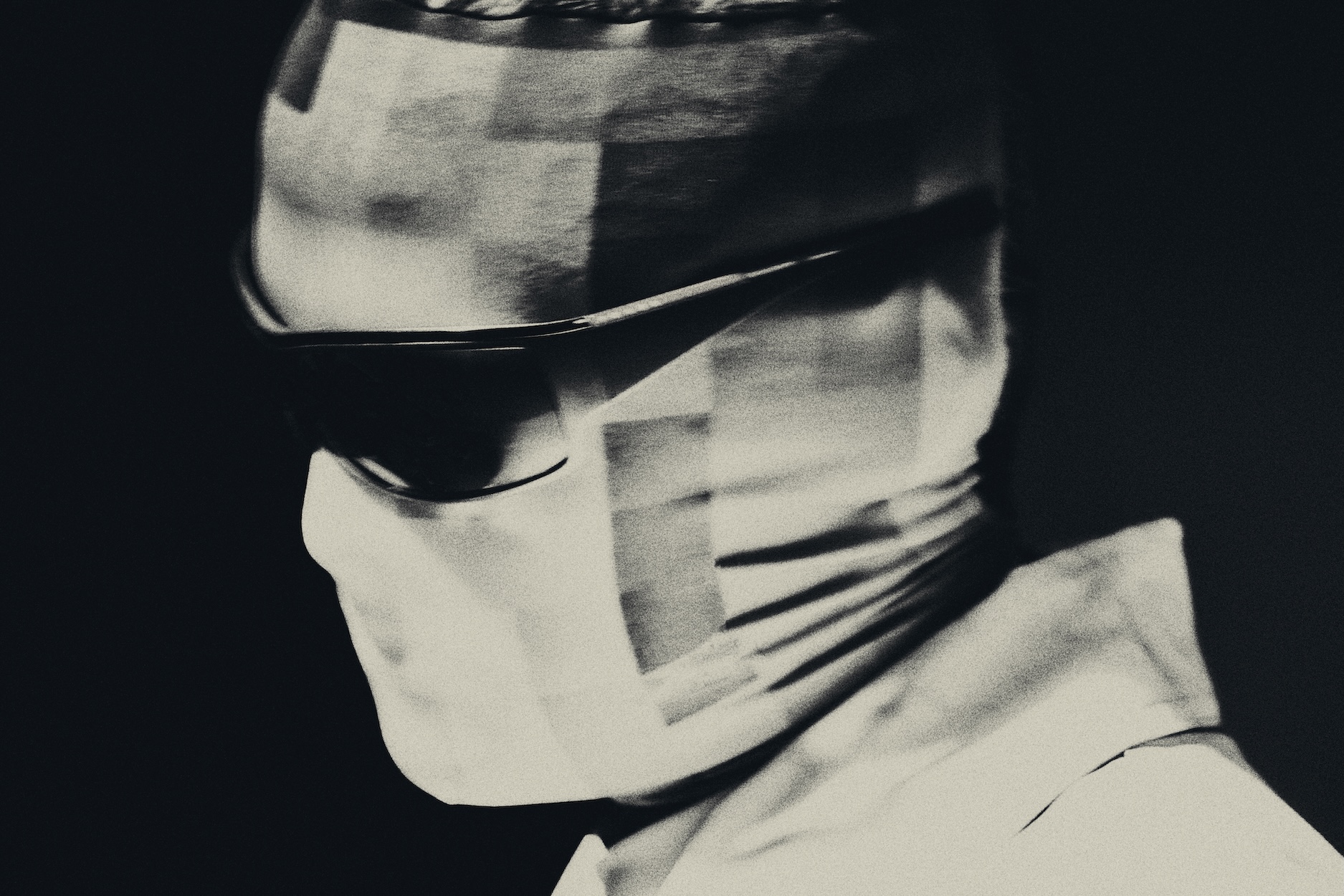
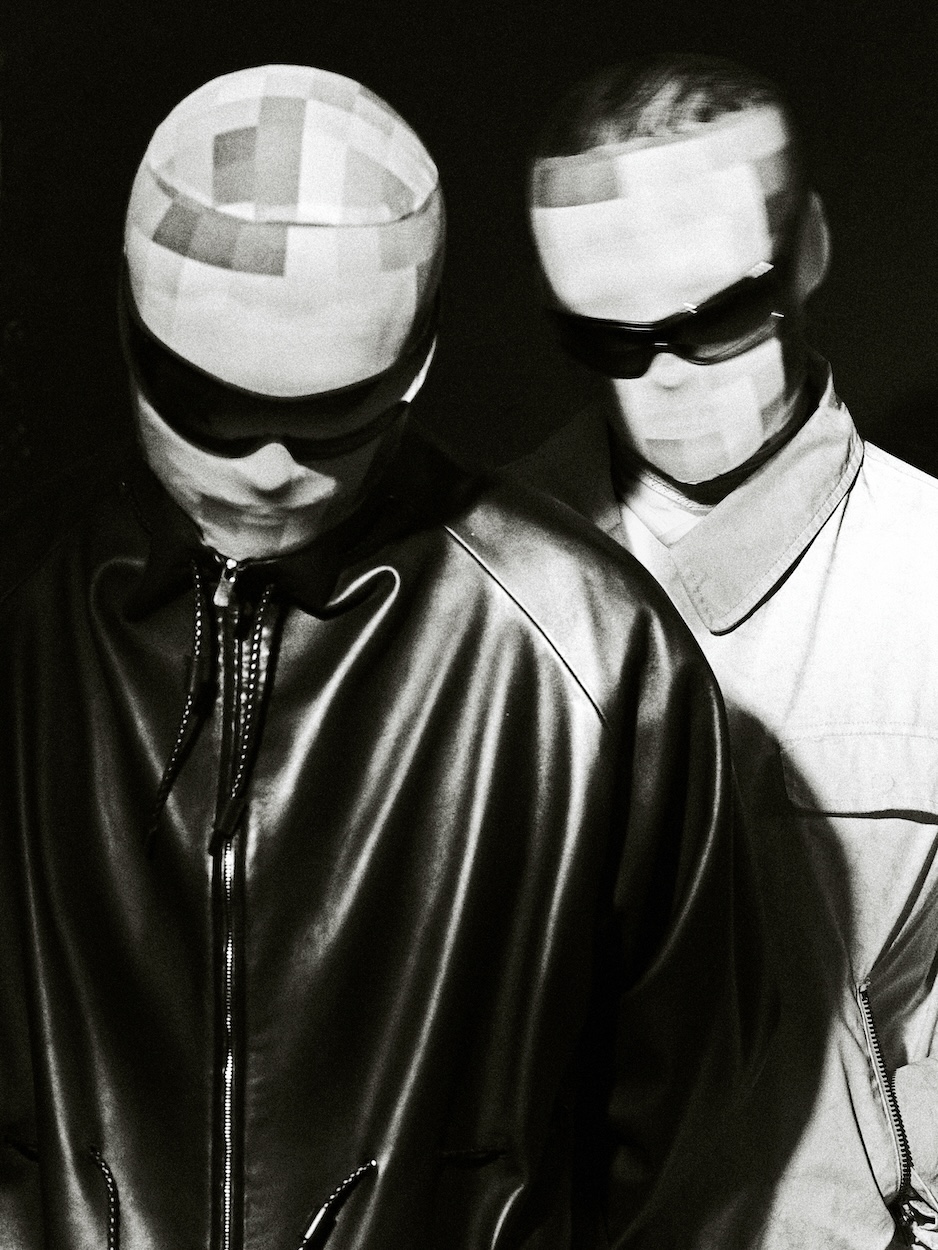
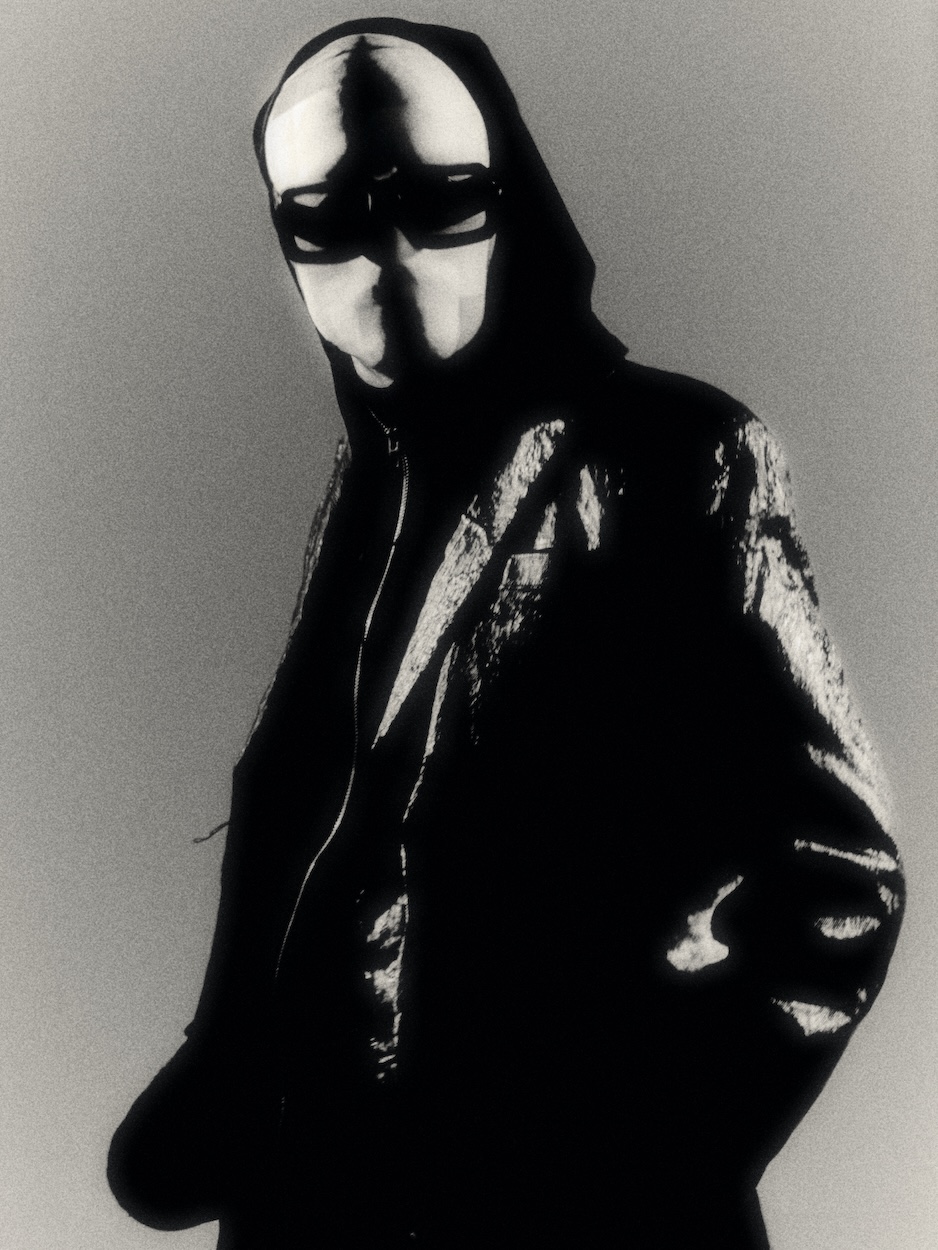
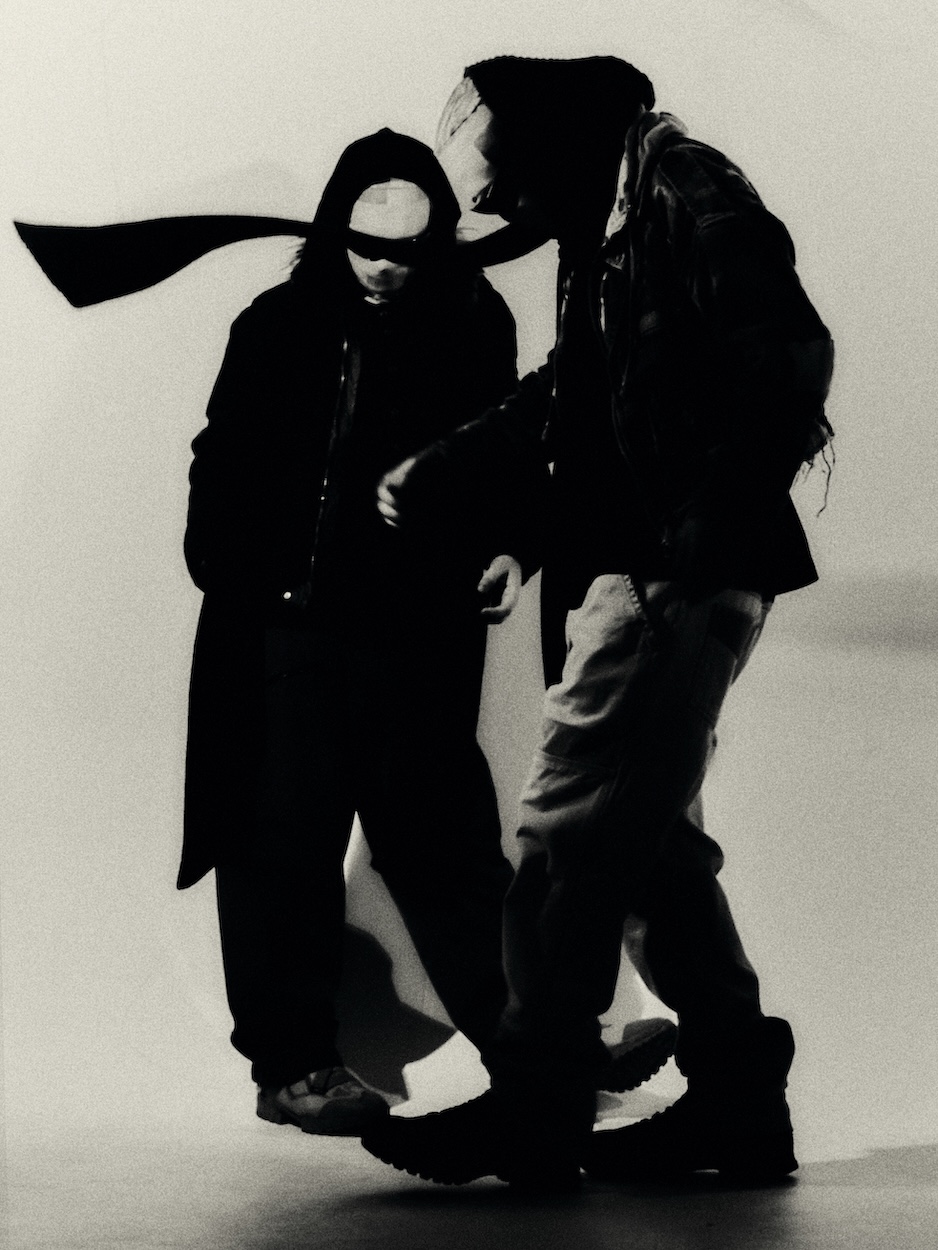
The world we find ourselves living in is increasingly concerned with identity, visibility and the need to understand everything. However, Two Shell have always followed their own path, finding freedom in the unknown. The duo have built a universe somewhere between reality and fiction, putting their music before the personalities behind it.
This is also something that can really be felt in their new album, Infinite Now, which is very much about the feeling of being present. Moving between nostalgia and what they call “screwed up futurism”, the record remains rooted in digital experimentation, but this time places a greater focus on physical connection. There is something deliberately excessive about it, an almost exaggerated sense of optimism that pushes us to explore the possibility of finding genuine joy, especially within the increasingly complicated reality we face.
In conversation with Elisabeth Kiko, Two Shell reflect on the emotional truth found in fiction, the collective experience of the dance floor and, perhaps most importantly, why optimism is more necessary than ever.

Elisabeth Kiko: First of all, congratulations on the new album. How are you feeling now that it’s finally coming out?
Two Shell: It’s been quite a journey. A year and a half of making a lot of music, experimenting and taking risks. It hasn’t always felt amazing. making the music initially did. then testing it was hard both insanely amazing and also hard as fuck. but right now it does. And the physical release feels particularly meaningful.
EK: You’ve always existed somewhere between reality and fiction. Do you think we’re sometimes too obsessed with figuring everything out rather than simply experiencing something?
TS: Definitely. We’ve even resisted physical formats in the past, trying to be hyper-digital. But I think we’ve sometimes got lost in that, because the digital is infinite, isn’t it? Going through this process has made the physical feel reassuring again.
EK: Infinite Now seems to be about being fully present, especially in a world where we’re constantly documenting and contextualising everything. What does that mean to you?
TS: Feeling and not thinking. it’s really easy to overanalyse everything now. There’s so much context online about who people are and where they’re from. You can get lost in it, and if you’re empathetic or impressionable, it’s easy to lose touch with your own feelings. A lot of the intention was to get away from that and focus on what’s happening internally, especially using modern technology.
EK: Your work explores the space between the human and the artificial. What does authenticity mean to you in such a digital world?
TS: I think it’s about capturing a genuine emotional feeling in something, whether that’s music, a painting or a piece of text. It’s not really about whether something’s physical or digital, but whether there’s a pure expression within it.
We’ve always been interested in chasing that impulse, that kind of magic. Sometimes making things quickly, sometimes spending ages on them. With Infinite Now, we’ve been exploring different processes and seeing what it takes to capture that feeling.
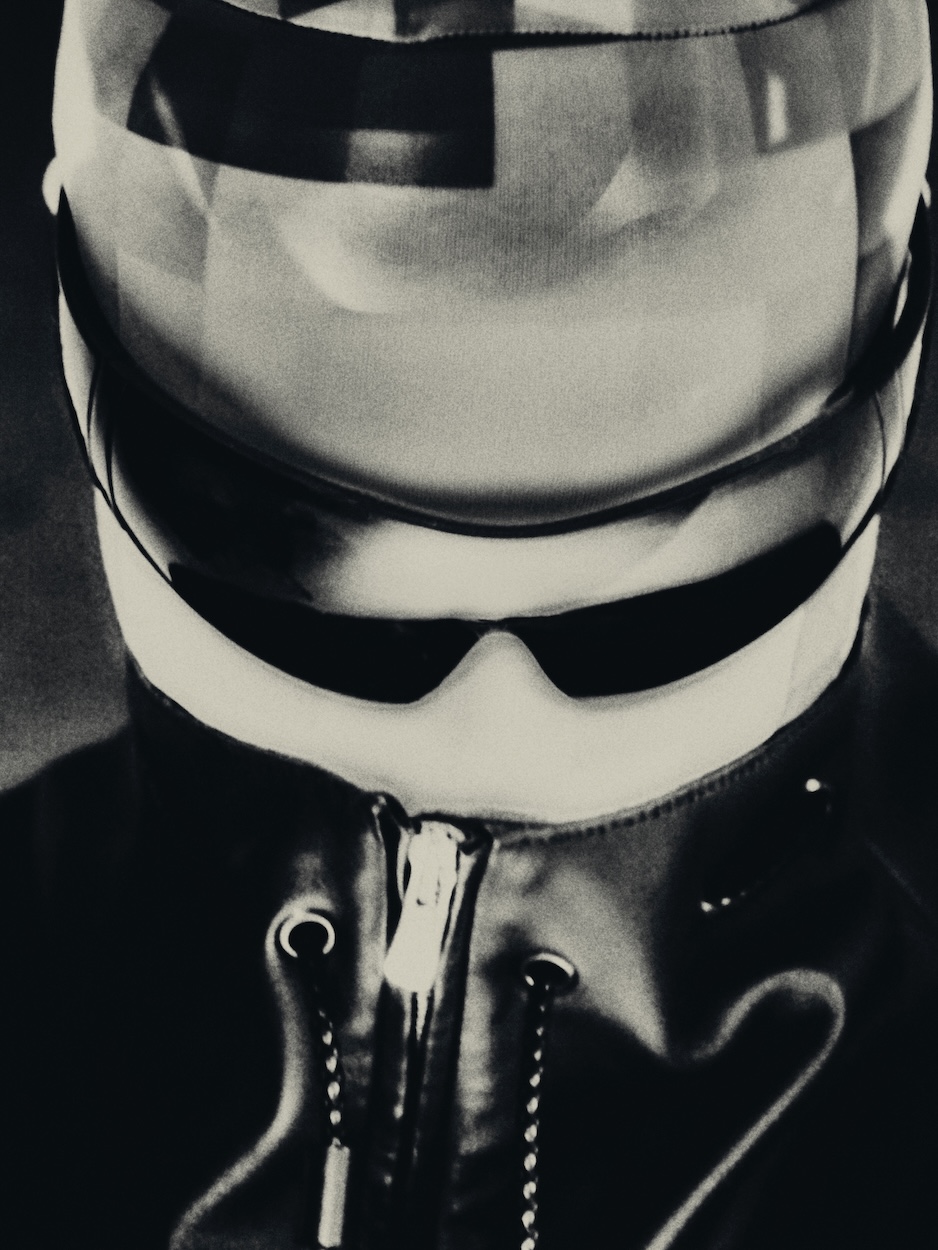
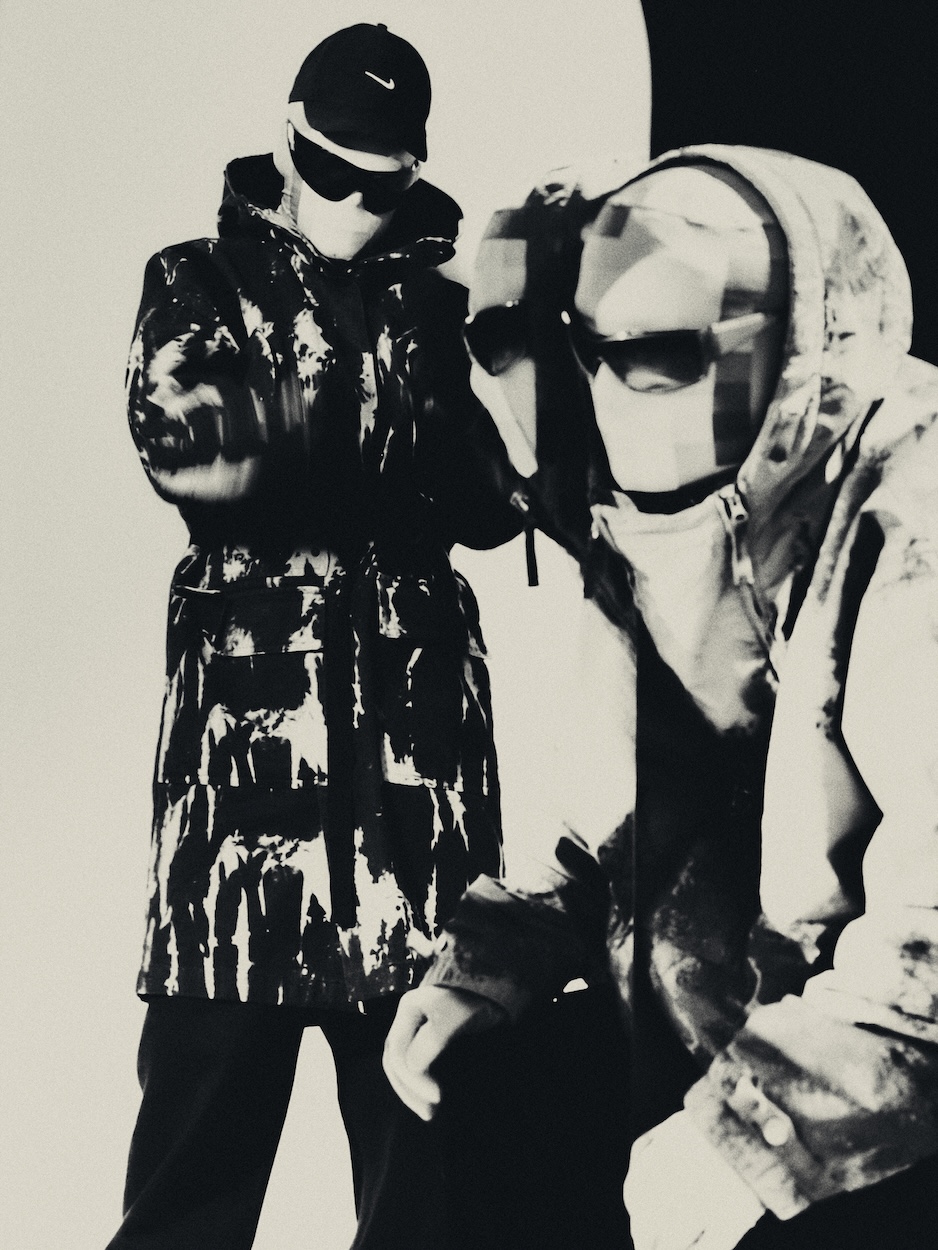
EK: You’ve also spoken about putting music before personality. Do you think music today has become too dependent on the identity of the artist?
TS: A lot of the music we come from, particularly techno, wasn’t really about the person behind it. It was about switching off and experiencing something collectively. But I understand why people want someone to connect with, especially with so much uncertainty about what’s real online. Seeing that there’s a human behind something can help people trust it.
EK: And yet you’ve created such a distinct visual universe, one that partly exists within fiction. Can fiction actually allow you to express something more authentic?
TS: I think fiction can access deeper, more abstract parts of human experience. There are emotional truths that are difficult to communicate literally.
Metaphor, symbolism and imagination can sometimes express those feelings more honestly. And there’s something about building your own world, a space you can escape into yourself and then invite other people into. Those feelings aren’t objective, but they’re still very real.
EK: What role has nostalgia played in Infinite Now? Can looking backwards help us create something new?
TS: Initially we were quite cynical about nostalgia. It felt a bit too easy, maybe unoriginal. But I started to understand it more as a kind of safety. Especially now, people want that familiarity and stability. We became interested in combining nostalgia with something genuinely new. I feel like Infinite Now is half nostalgia, half screwed up futurism.
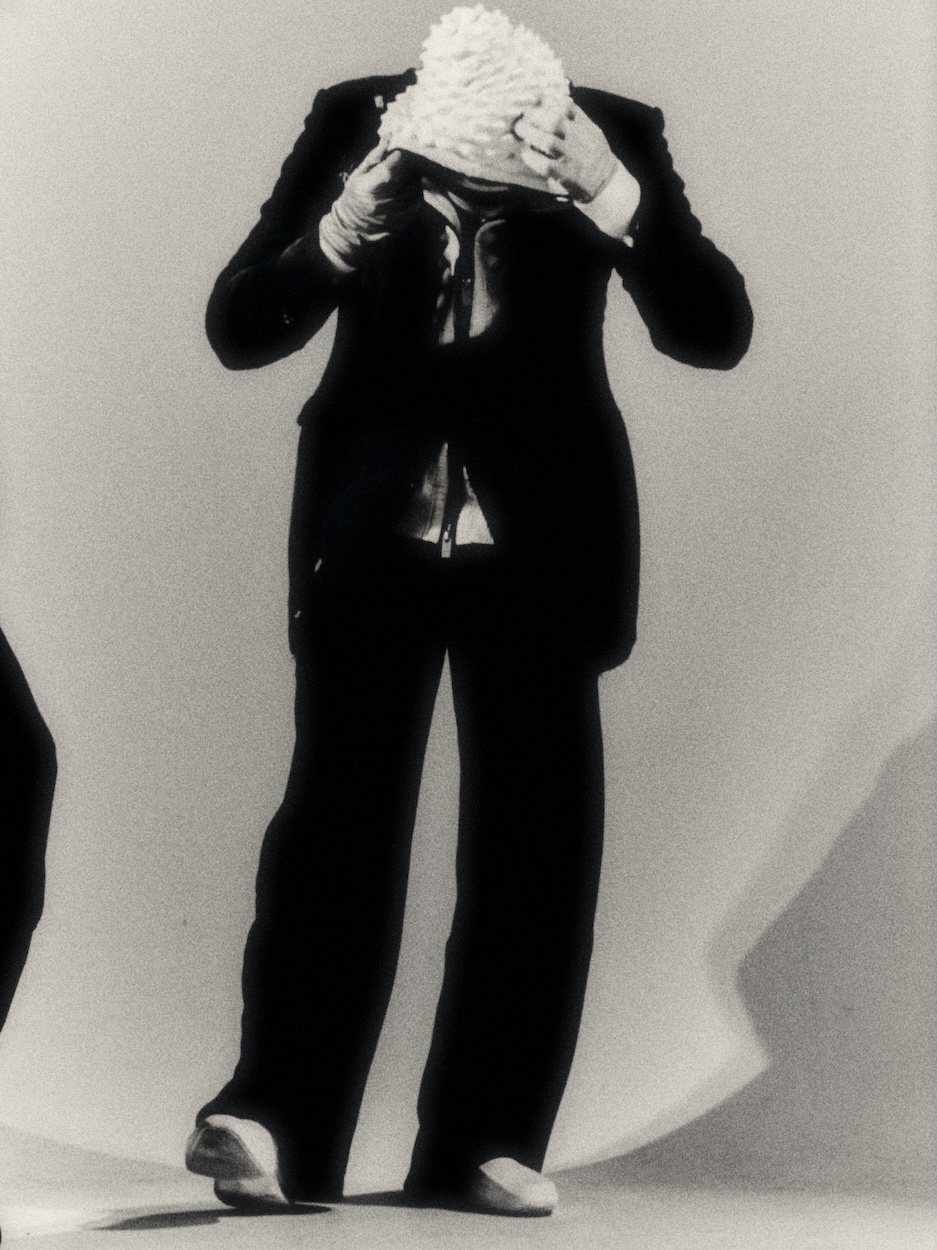
EK: Do you think we sometimes underestimate the importance of fun and pleasure in music and art?
TS: It’s easy to overthink the context around something and disconnect from the emotion within it. I’ve definitely struggled with mainstream music or really obvious hooks and melodies in the past. This record plays with that a bit. There’s something quite powerful about simple pleasure, especially when it’s experienced collectively.
EK: Is the dancefloor still a space for that kind of connection and freedom?
TS: Oh, 100%. Although I think those spaces have become harder to access. Things have become more big-city focused, and some of those smaller, local scenes aren’t there in the same way anymore.
But I think the dancefloor is where our music is understood most. There’s something about experiencing it physically, together. You find your community in those spaces. I’d almost thought we were moving away from that, but I don’t think we ever really will.
EK: With Infinite Now, there’s a strong sense of optimism. Was that a conscious reaction to the world around you?
TS: Definitely. We’d been making a lot of quite dark, almost abyssal music before this. It reflected how we were feeling, but at some point we wondered whether that was really what we wanted to keep putting out into the world.
Infinite Now came from a kind of blind, pure optimism. Almost exaggerated, purposefully unrealistic. With everything going on, we were asking whether it’s still possible to experience pure joy, and whether we could give some of that to other people.
I think from here we’ll try to bring that optimism together with more realism, finding ways to communicate those little packets of love so people can really feel them. You’ve got to be optimistic though, haven’t you? It’s the only thing we’ve got left, really.
In a world increasingly preoccupied with identity and visibility, Two Shell have always found freedom in the unknown. With Infinite Now, the duo turn their digital universe into an exploration of presence, human connection and an almost excessive optimism in the face of an increasingly complicated reality. x
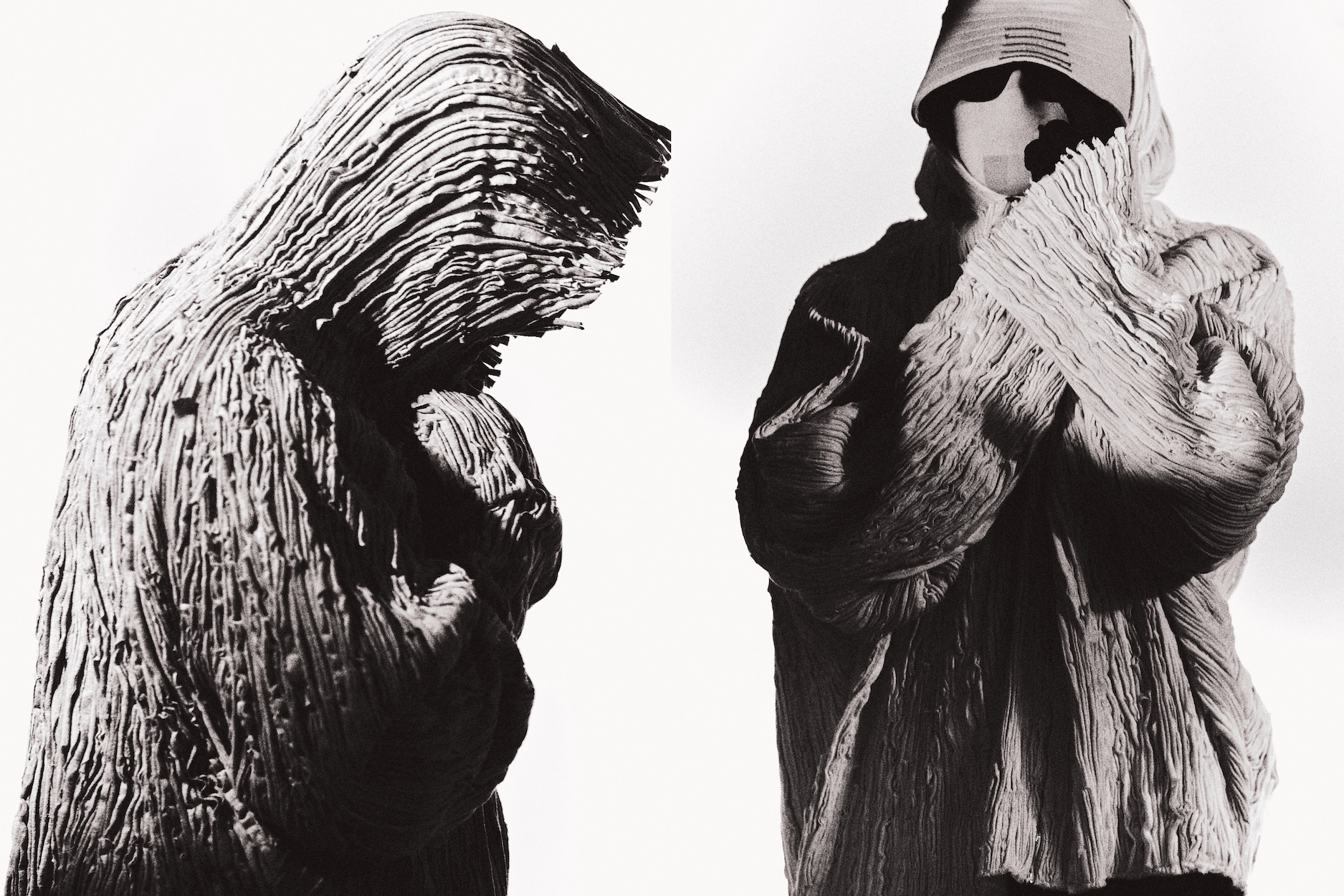

Photographer: Holly McCandless-Desmond at Dust Bunnies Agency
Stylist: Sam Thompson
Movement Director: Liam John at Dust Bunnies Agency
Digi: Noya Meyohas
1st Assist: Francesca Albarosa
2nd Assist: Charlotte Cullen
Studio: Studio Endura
EQ: Community EQ Hire
IN CONVERSATION WITH JANINE GROSCHE
Sitting in her daylight-flooded atelier, Janine Grosche tells us about her work with…
WEEKEND MUSIC TIP PT 116 JAY PARK AND LNGSHOT
From shaping the K-pop scene to mentoring the next generation, Jay Park is taking LNGSHOT…

WEEKEND MUSIC TIP PT 115 ACID PAULI
Martin Gretschmann, better known as Acid Pauli, has spent decades moving between musical…

IN CONVERSATION WITH IMAN TAHERI & CONROY CHAN
In conversation with Numéro Berlin, Conroy Chan and Iman Taheri discuss creative…

WEEKEND MUSIC TIP PT 114 BRUNO KAWELKE
What if you could travel through time without ever leaving the present? On his debut album…
WEEKEND MUSIC TIP PT 113 VERSACER
Since 2020, VERSACER has been shaping a sound somewhere between indie pop, ’80s jangle…