
Inside the Machine: Pol Chamorro on Building Lío’s Halftime Show
Pol Chamorro joined Lío Ibiza in 2011 as a singer and dancer, on the show’s very first night. Sixteen years, several roles and one Mykonos outpost later, he now sits at the top of the creative structure as Artistic Director, steering Lío’s latest chapter: Halftime Show, a production that trades the language of classic cabaret for the scale and spectacle of major televised live events. Ahead of the season’s final stretch, Chamorro spoke about what’s changed at Lío since that first uncertain season, what he fought to keep in this year’s show, and how a screen in Mykonos ended up reshaping what happens on stage in Ibiza.
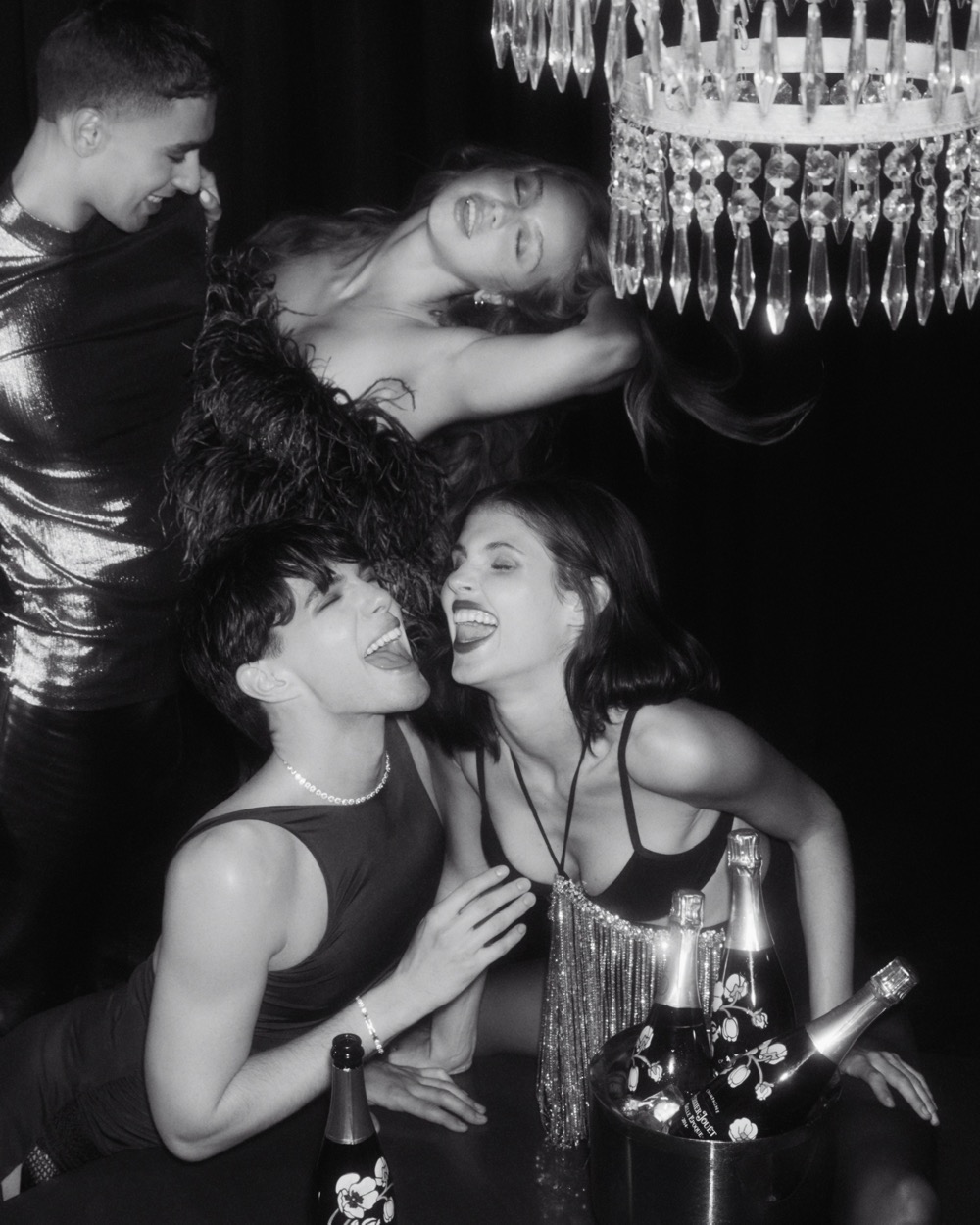
Pol Chamorro: I remember arriving in Ibiza with a real sense of uncertainty. We all knew we were about to build a project from the ground up, and that kind of creative process always comes with a lot of unknowns.
I also remember being surrounded by incredibly talented people. Some of them I already knew, while others I had the chance to meet for the first time. Looking back, what stands out most is how genuinely we embraced everything that was happening around us. There was a genuine sense of excitement and discovery.
That first season, we were completely open to listening to the audience. We listened closely to their reactions and refined the show almost night after night, experimenting with songs, choreography, characters and different moments throughout the experience. Very naturally, those ideas evolved into what would eventually become the Lío concept.
Sixteen years later, Lío, the island itself and the audience that comes to experience it have all grown and evolved. Times have changed and so have expectations. Yet I truly believe the essence of Lío remains the same. Everything we create is still driven by one simple objective: to give our guests an unforgettable experience where entertainment and joy always come first.
Over the years, we’ve preserved everything that truly resonated with our audience while continually refining and elevating every element of the experience. That constant evolution, without losing sight of our original spirit, is what has shaped the Lío people know today.
PC: I’ve always believed that the best way to learn something is by doing it. Over the past sixteen years, I’ve had the opportunity to work across many different roles, which has given me a genuine understanding of how each department operates.
Having that perspective is an invaluable asset in the position I’m in today. Every creative idea is naturally filtered through a sense of reality. When I’m developing a concept, I’m not only thinking about what would be exciting or inspiring. I instinctively understand how it can be executed, what challenges it may involve, and whether it can realistically be brought to life.
I believe that balance between creativity and practicality is essential. Great ideas only become meaningful when they can be transformed into real experiences, and having worked across so many different areas has given me the tools to bridge that gap.
PC: We feel very comfortable with the direction we’ve built over the years, and we had no intention of changing the essence of what we’ve created. However, with Halftime Show, we wanted to inject a fresh energy and a new dynamic into this season’s production.
Choosing a theme that is instantly recognisable around the world worked in our favour. Simply announcing that the new show would be called Halftime Show immediately captured people’s imagination and created certain expectations before guests even arrived.
The halftime show has become one of the most iconic references in contemporary live entertainment. It’s associated with spectacle, ambition, innovation and unforgettable performances. By drawing inspiration from that cultural phenomenon, we were able to connect with audiences from the very beginning while interpreting the concept through the creative language that defines Lío.
PC: I think the creative universe of Halftime Show has a very distinctive identity. It moves us away from a more traditional cabaret aesthetic and the conventions of a classic dinner show, establishing a visual language that feels bold, contemporary and instantly recognisable.
From the beginning, we deliberately moved away from more conceptual, intimate or theatrical pieces, focusing instead on ambitious, large-scale performances inspired by the energy and impact of the world’s biggest live events.
That vision is reflected throughout the show, from mashups of globally recognised artists to performances built around iconic visual references such as American football players, cheerleaders and even the mascot. These are universal images that audiences immediately understand, allowing us to create a shared visual language while reinterpreting them through Lío’s own creative identity.
PC: Although Halftime Show is a large-scale production, we’ve always believed the most memorable experiences come from breaking away from the conventions of traditional live shows. One of the principles that has always defined Lío is our desire to break the fourth wall and blur the line between performers and the audience.
This season, we embraced that philosophy more than ever. We created moments that encouraged audience participation and introduced new technical elements, including live screen direction that allowed guests to become part of the show in real time. Moments such as the Kiss Cam, inviting guests onto the stage and other spontaneous interactions transformed spectators into participants.
At the same time, we stayed true to one of Lío’s defining characteristics: when our artists aren’t performing, they’re out in the room celebrating alongside the guests. That constant interaction dissolves the boundaries between stage and audience, turning the entire venue into one continuous celebration. Rather than simply watching the show, our guests become part of it, and that’s what makes the Lío experience so unique.
PC: In many ways, everyone involved in creating the Lío experience works towards the same goal. We aren’t building separate departments, we’re creating one seamless experience.
Every team plays a role in making the night flow naturally. Without even realising it, guests move effortlessly between different moments: the show unfolds, dinner is served, desserts arrive, and every operational element is woven into the rhythm of the performance. Entertainment and hospitality are never treated as separate experiences. They exist as one.
Achieving that level of fluidity requires an extraordinary amount of coordination behind the scenes. Over the years, we’ve developed our own creative processes to make everything feel effortless. Of course, some of those remain part of the secret behind what makes Lío unique, but every artistic, technical and operational decision is made with the same goal in mind: creating a magical experience where guests never see the mechanics, only the emotion.
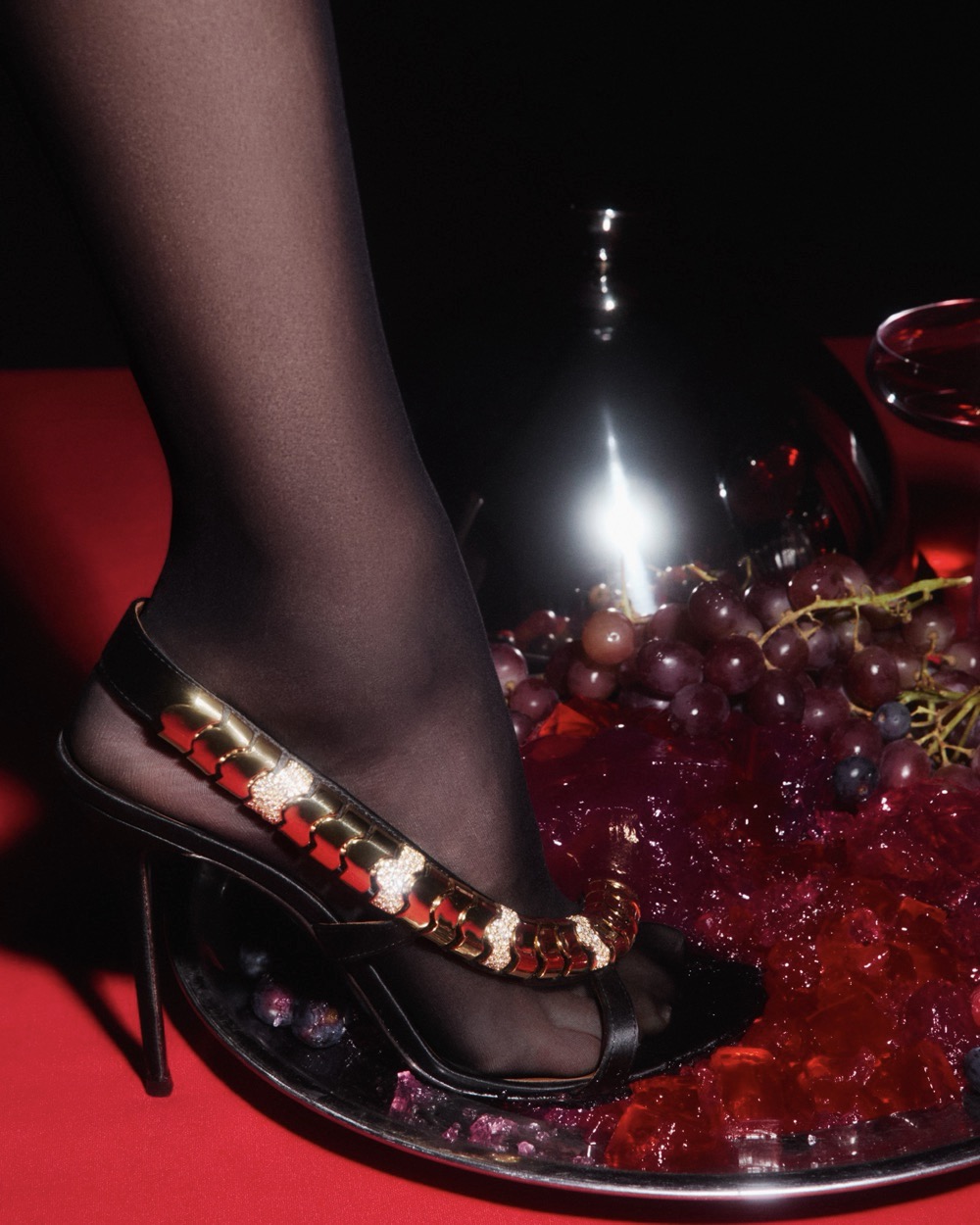
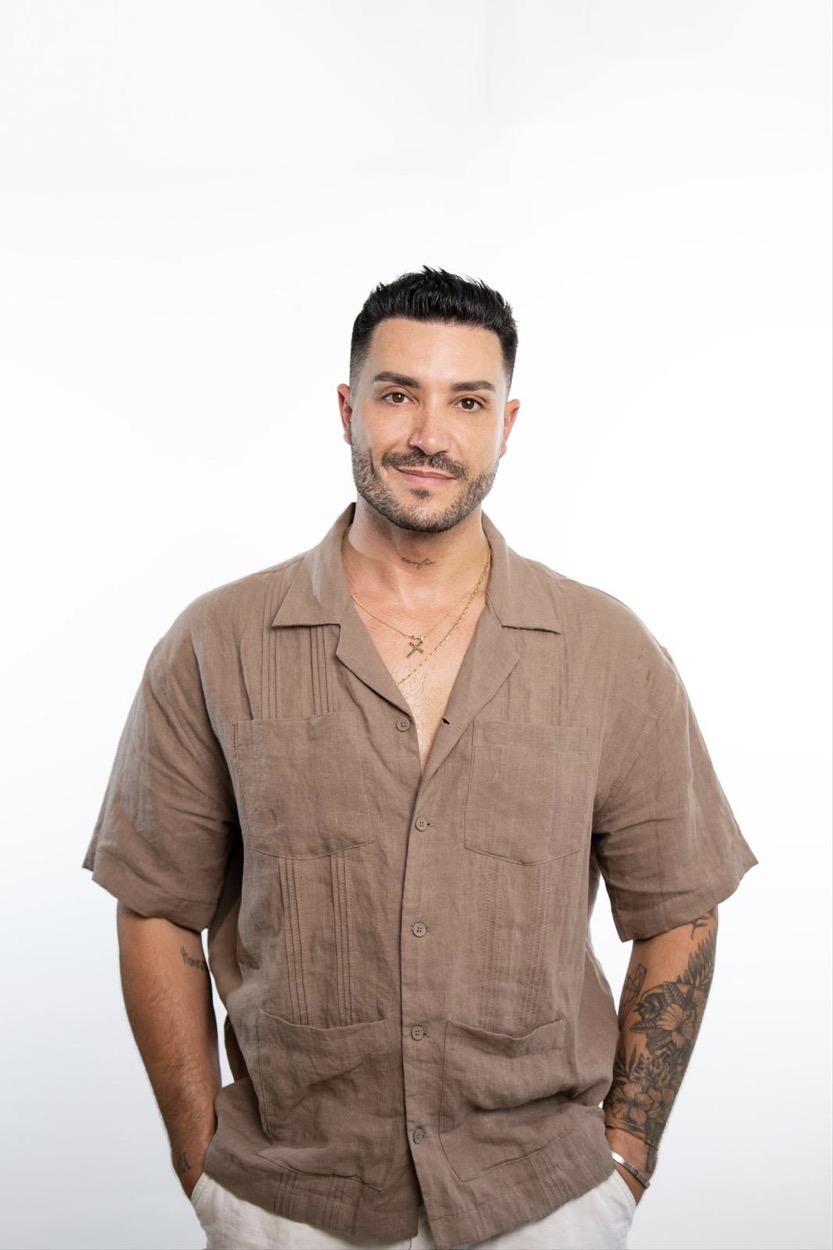
PC: I’ve always believed we’re the sum of everything we’ve experienced and learned. I feel incredibly fortunate to have worked on so many different projects throughout my career and, above all, to have shared that journey with exceptionally talented people who have taught me so much.
Every collaboration and every challenge has shaped the way I think about creative direction today. When I begin developing a new show, I’m never starting from a blank page. I’m drawing on years of experiences, lessons and inspirations gathered along the way.
Every project has left something behind, and every person I’ve worked with has influenced my perspective in one way or another. That’s what allows creativity to keep evolving, not by repeating the past, but by building on everything you’ve learned to create something new.
PC: That’s absolutely true. As you mentioned, I see Lío as a contemporary creative platform, a space where artists are free to express themselves without being confined by traditional formats or expectations.
I’ve always believed that art should challenge boundaries rather than accept them. It should explore new ideas, blur conventions and constantly evolve. That mindset sits at the heart of every new show we create.
At the same time, we never lose sight of who we are and where we come from. Lío is a Spanish company born in Ibiza, a place unlike any other. Ibiza has always represented freedom, self-expression and the idea that people can simply be themselves without judgement. That spirit is deeply embedded in the island’s identity, and it’s something we consciously try to capture in our productions.
Every show we create is an opportunity to celebrate that philosophy. We want audiences to feel a sense of freedom, openness and possibility, to experience a world where creativity has no limits and everyone is invited to embrace the moment exactly as they are. That’s not just part of our artistic vision, it’s part of Lío’s DNA.
PC: I’d really like to highlight Mar Canadell’s performance, as it represents a very special moment within the show. It comes during the final part of the evening, which naturally has both advantages and challenges. By that point, the audience has experienced an entire night of building energy, emotion and celebration. At the same time, that atmosphere can sometimes make it harder to fully appreciate the technical complexity and discipline behind what they’re seeing.
Mar took the initiative to incorporate a musical instrument into her performance and dedicated many months to developing that new skill. Finding an artist willing to step outside her comfort zone, commit so deeply to the creative process and build a performance with its own identity, embracing a discipline beyond her usual language of dance, is something truly remarkable.
The audience may not always realise how much work sits behind that moment, but from an artistic perspective it represents immense value. It reflects the curiosity, commitment and desire to evolve that we always look for in the artists who are part of Lío.
PC: Ibiza is attracting a younger audience with a stronger connection to nightlife and club culture, and that has had a significant influence on this year’s show.
From the beginning of the creative process, we wanted the energy to remain consistently high from start to finish. That was reflected in the dance styles we incorporated, but even more so in the musical direction and production.
We focused on creating a sound that feels current, vibrant and connected to today’s audience, developing musical arrangements that embrace the energy of club culture while maintaining the identity of Lío. The goal was to create a show that feels contemporary, festive and immersive, bringing the intensity and emotion of nightlife into a large-scale performance environment.
PC: Ibiza and Mykonos have a lot in common, but they’re ultimately very different destinations, and that’s something we have to acknowledge when creating or adapting our shows for each location.
With Halftime Show and its adaptation for Mykonos, one element works particularly in our favour: the venue itself. Mykonos has a huge screen as its scenic backdrop, and because Halftime Show was conceived using the language of television production, with extensive live direction and real-time screen content, it connects perfectly with the space.
This allows the show to evolve naturally for Mykonos, using the venue’s technology and visual possibilities to enhance the concept even further. The screen becomes much more than a backdrop. It becomes an active part of the storytelling, helping us create a more dynamic, immersive and contemporary experience while preserving the essence of the original production.
PC: Following on from the previous question, I think Lío Mykonos has changed the way we think about using screens as part of the creative experience.
Imagining, designing and developing the visuals, while exploring the relationship between the screen and the audience in Mykonos, has given me a new perspective on how technology can enhance storytelling and audience engagement.
That experience has also helped us rethink how we use the banners and screens in Ibiza. It’s opened up new creative possibilities and allowed us to see these elements as an active part of the show rather than simply visual support.
WEEKEND MUSIC TIP PT 103 CHARLIZE
It takes a good amount of self-reflection and emotional intelligence to recognize your own…

ON TOP OF THE WORLD: HOW YE’S CONCERT REFRAMED ALBANIA’S CULTURAL FUTURE
Few artists have shaped 21st-century culture as profoundly as Ye. The Tirana performance…

WEEKEND MUSIC TIP PT 102 LAVENDER
He has quietly worked his way up through Germany’s underground rap scene, but recently…
Poetic Narratives: Franka Marlene Foth on Dance, Creation and Authorship
For Franka Marlene Foth, dance was never a decision – it was a condition. In…
WEEKEND MUSIC PT 101 BASHKKA
BASHKKA on WHOLE Festival, Queer Joy and the Power of the Dancefloor

WEEKEND MUSIC TIP PT 100 LOLLAPALOOZA
Lollapalooza Berlin is back next weekend for another celebration of music, culture and…