
THE CULTURE WE CARRY: INSIDE MS. LAURYN HILL’S DIASPORA CALLING!
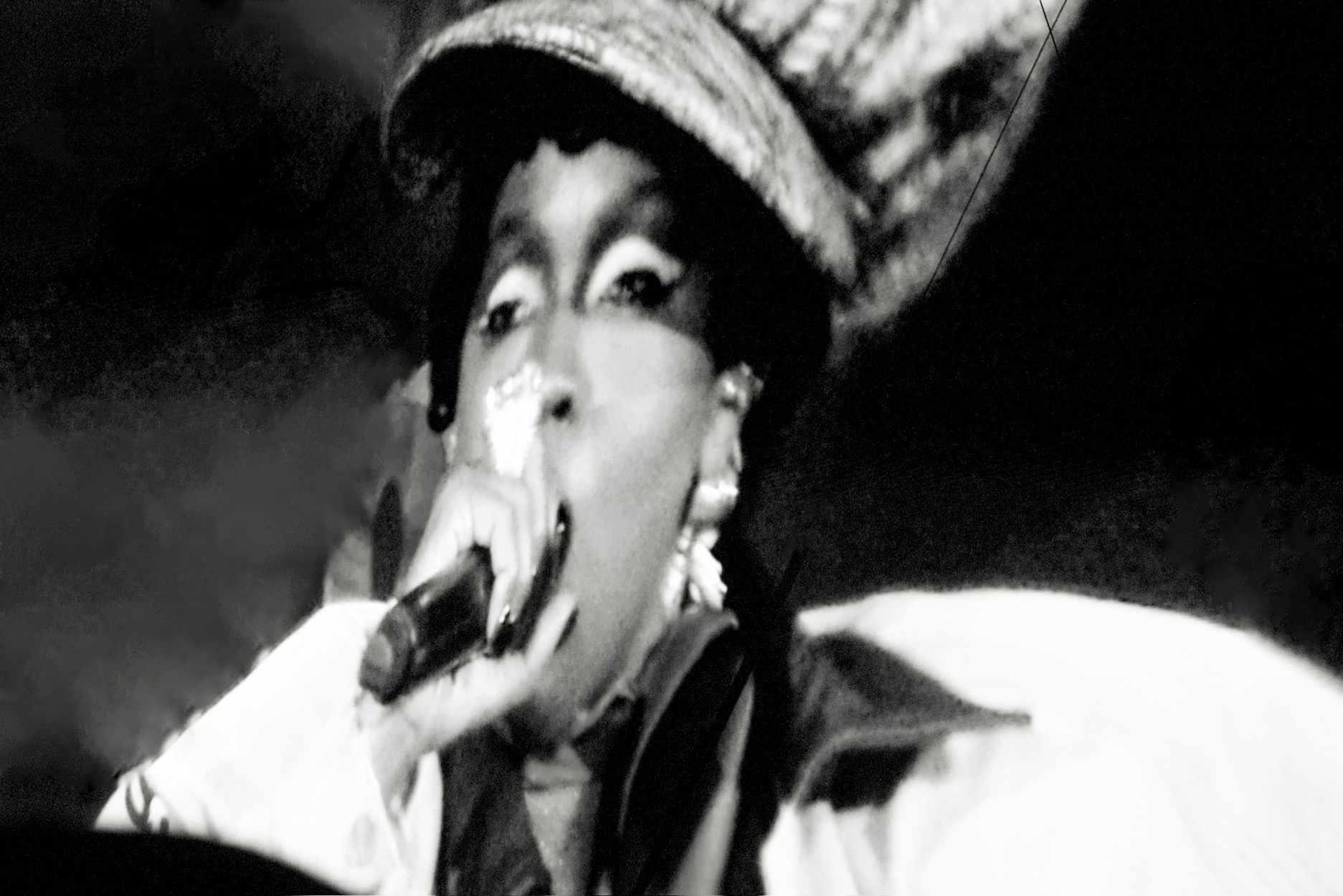
Last friday, Ms. Lauryn Hill brought to live Diaspora Calling! for its first UK edition, ten years after she first conceived the project in Brooklyn. Artists, musicians, families, collaborators and audiences from different generations and geographies came together, connected by something that has always sat at the centre of Hill’s work: the understanding that culture can function simultaneously as memory, resistance, communication and healing. For one day, diaspora became physical.
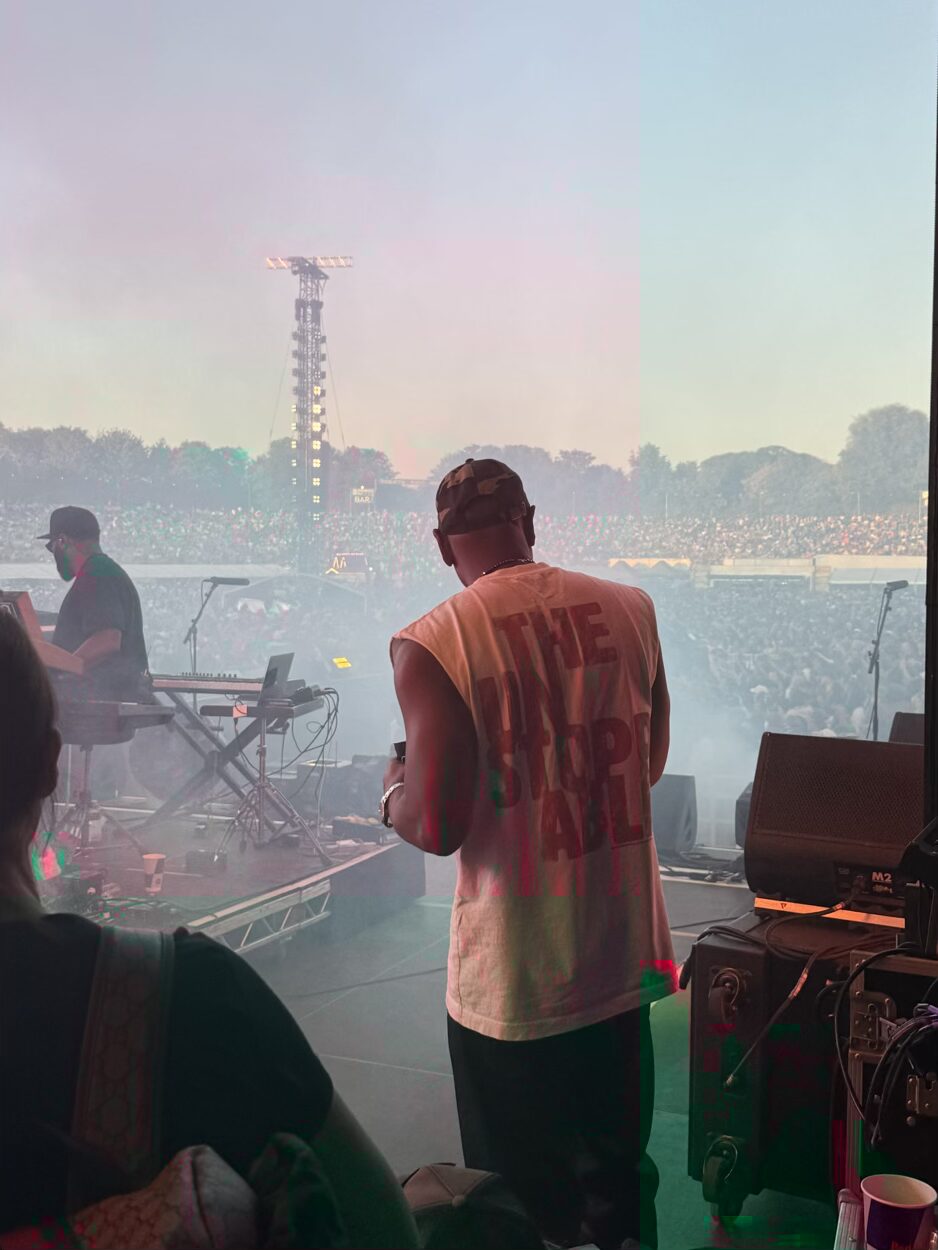
The scale of the gathering was immense, yet the energy surrounding the event remained intimate. Backstage, between artists, musicians, friends and extended creative communities, the borders between performance and gathering dissolved. Gunna, Common, Rapsody, Tiwa Savage, Little Simz, Stonebwoy, Victony, Tolu Coker, Foday Dumbuya, Sabrina Elba, Zeze Millz and Derek Chisora were among those moving through a space that increasingly felt like a cultural convergence in its own right. Many of the people present belonged to an interconnected conversation that had been developing across countries and generations for years. Diaspora Calling! made that network visible.
The project was first conceived by Hill in 2016 as a combination of music, visual art and cultural exchange, but its roots reach further. Hill has spoken about an earlier trip to Ghana and a conversation there that made her recognise the communities she and Wyclef Jean had independently built throughout the African diaspora. The question became what might happen if those networks were deliberately brought into contact with one another.
A decade later, Milton Keynes offered one possible answer. Ms. Lauryn Hill was mapping relationships.
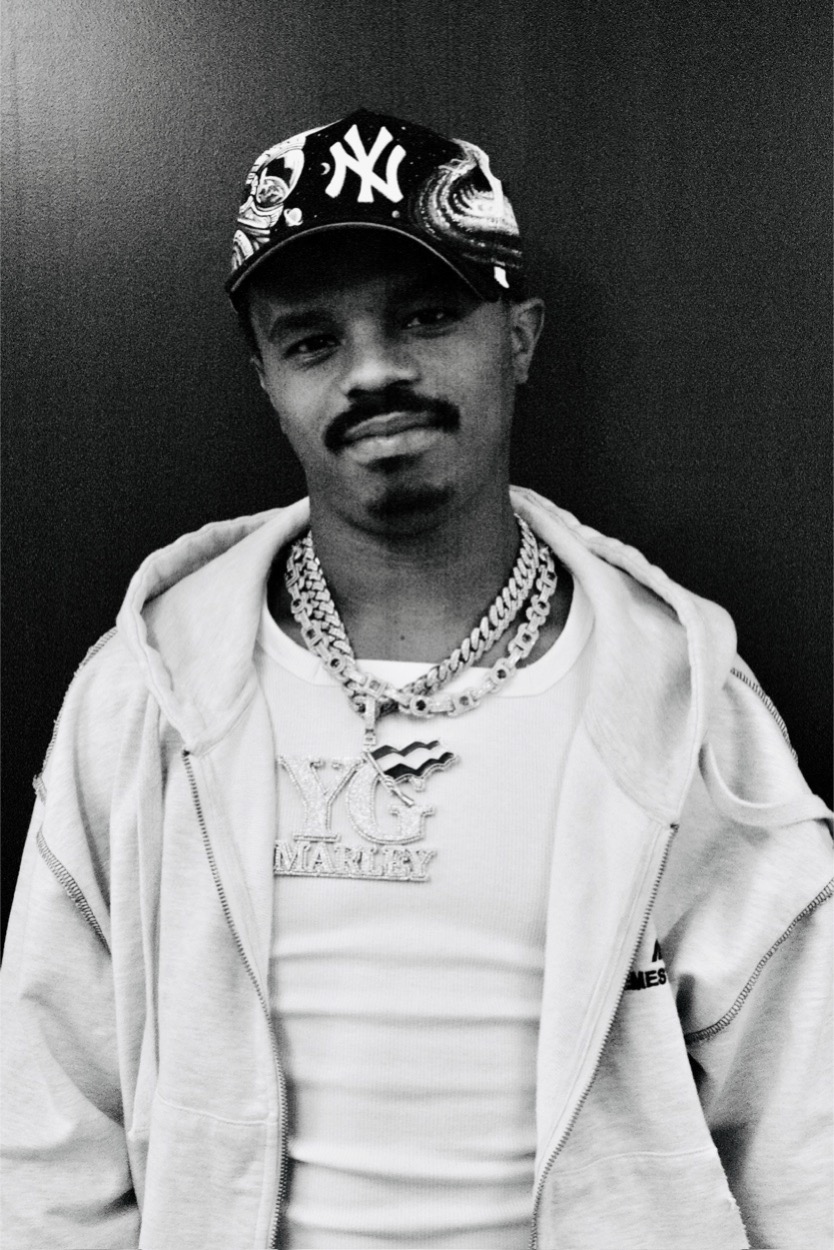
The programme moved geographically as much as musically: from the radical lineage of American soul represented by Erykah Badu, to Nigerian artist Fireboy DML, London rap through Giggs, and the continuing Jamaican lineage represented by Hill’s sons YG Marley and Zion Marley, grandsons of Bob Marley. Dave Chappelle, whose comedy has long occupied the intersection between entertainment, politics, race and cultural criticism, hosted the day.
The map expanded further through Nigerian DJ DJ OBI and Haitian-Guyanese producer and DJ Michael Brun, while British-Ghanaian live band The Compozers brought another bridge between West Africa, Britain and the wider diaspora. Later, The Compozers would join Hill during the closing performance, adding to the expansive live-musician architecture surrounding her onstage. During Giggs’ set, Kano appeared unexpectedly for “P’s & Q’s” and “Rudeboy” — a meeting between two defining voices of British rap and another reminder that the cultural geography of the day was continuously being redrawn in real time.
Africa, the Caribbean, Black Britain and Black America existed as points along a cultural continuum. Hip-hop moved into reggae; reggae into soul; soul into Afrobeats. Contemporary voices stood beside artists whose work helped construct the cultural languages from which newer generations continue to draw. This ability to connect histories while preserving their individual identities has long defined Hill’s position. For more than three decades, she has expanded the role an artist can occupy. Her work continuously engages with identity, spirituality, race, womanhood, love, exploitation, faith and self-determination. At a moment when culture increasingly moves through accelerated cycles of consumption, Hill continues to insist upon something slower and more demanding. She puts the message first. Diaspora Calling! takes that principle out of the record and turns it into a cultural space.
THE SCORE, THIRTY YEARS LATER
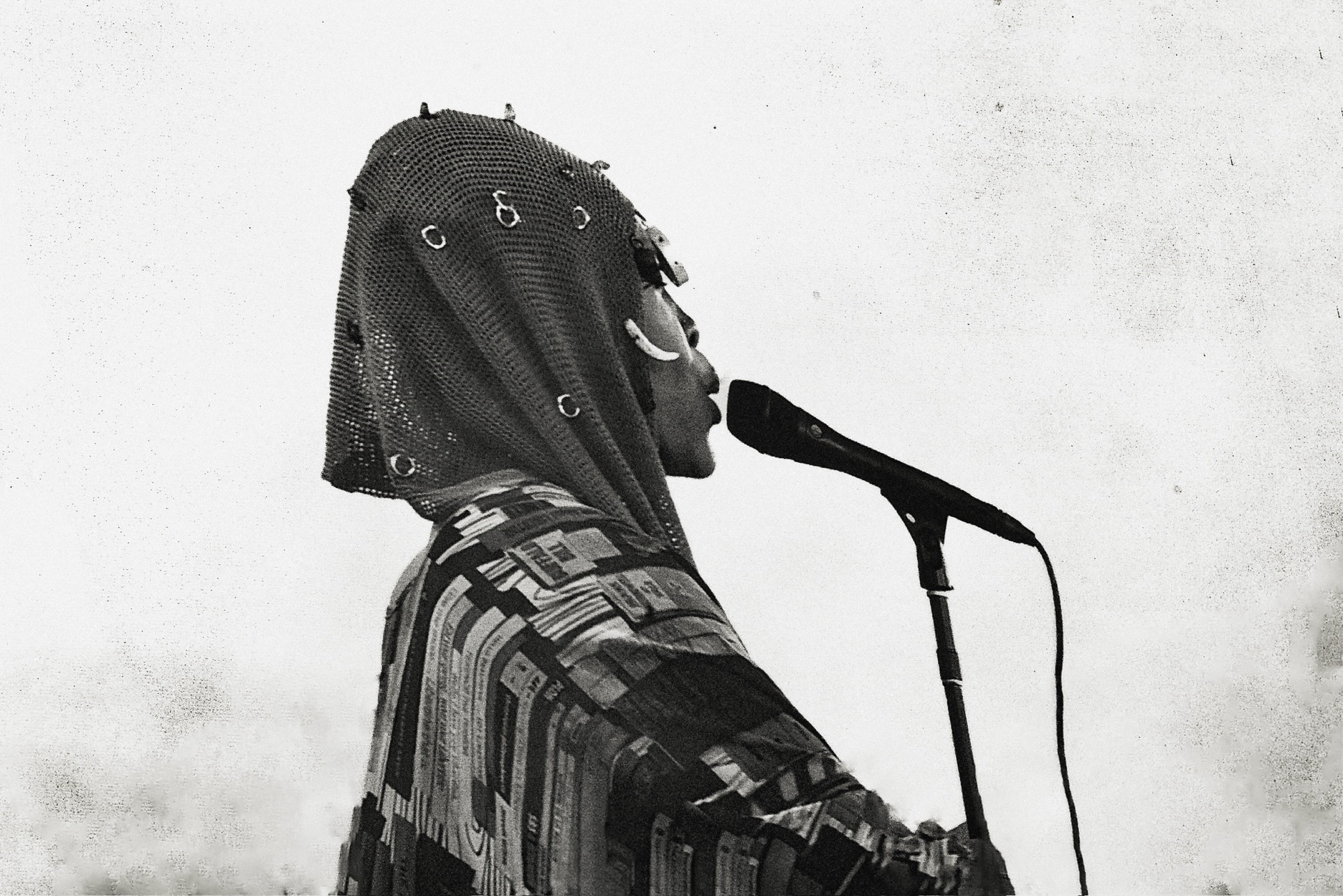
At the centre of the evening stood another reunion: Ms. Lauryn Hill and Wyclef Jean marking thirty years since the release of the Fugees’ The Score. Released in 1996, the album achieved something increasingly rare: enormous commercial reach alongside extraordinary cultural complexity. Hip-hop, reggae, soul, Caribbean musical memory and political consciousness coexisted inside a record capable of reaching audiences far beyond any one of those communities.
The Fugees themselves embodied diaspora. Their music carried Haiti, the United States, the Caribbean and the experience of migration into the centre of global popular culture. Even their name — derived from “refugees” — placed displacement and belonging inside the identity of one of the most commercially successful groups of their era.
Thirty years later, those questions have become even more urgent. Migration remains one of the defining political subjects of the present. Questions of borders, belonging and cultural ownership have intensified. Simultaneously, musical traditions across the African diaspora are more globally interconnected than ever: Afrobeats travels through Lagos, Accra, London and New York; dancehall continues to shape global pop; hip-hop has become an international language; younger artists inherit sounds whose histories stretch across continents. Returning to The Score in 2026 reveals how far ahead the record already was.
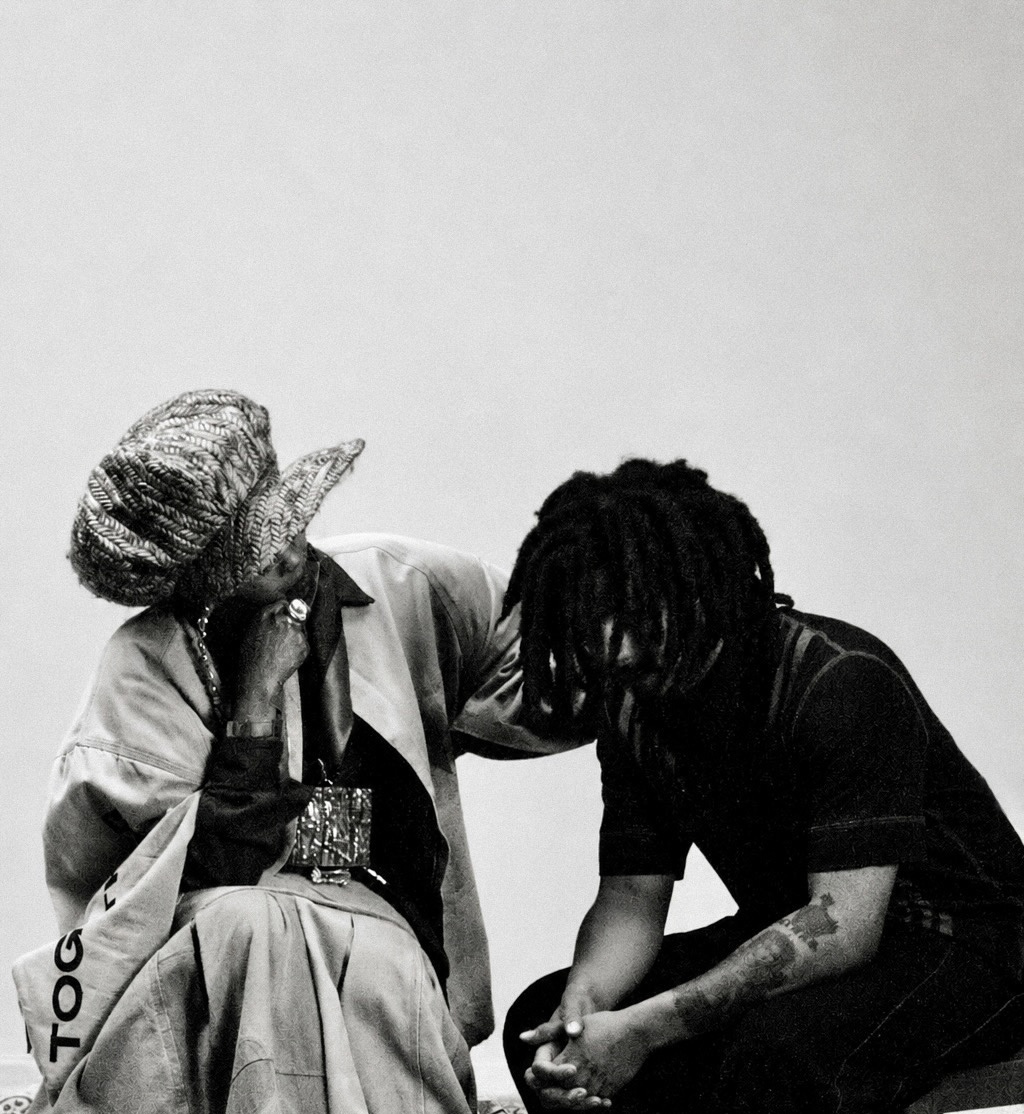
Hill has described revisiting this history through the language of reclaiming and healing timelines. During an intimate conversation surrounding the Milton Keynes gathering, she speaks about the idea of returning to the path. Relationships fracture, people separate and lives move in unexpected directions. Sometimes, as Hill explained that evening, we move away from the path we were supposed to be walking. Healing begins with recognising that distance and finding a way back — reclaiming the path.
In the context of her relationship with Wyclef Jean, the idea carries particular weight. Their reunion contains a history of extraordinary creative intimacy, global success, separation, conflict and reconnection. Seeing them together now allows those chapters to coexist. The distance itself gives the return its meaning.
Healing becomes the decision to move through history rather than remain trapped inside it. Thirty years were precisely the point.
A FAMILY TREE IN MOTION
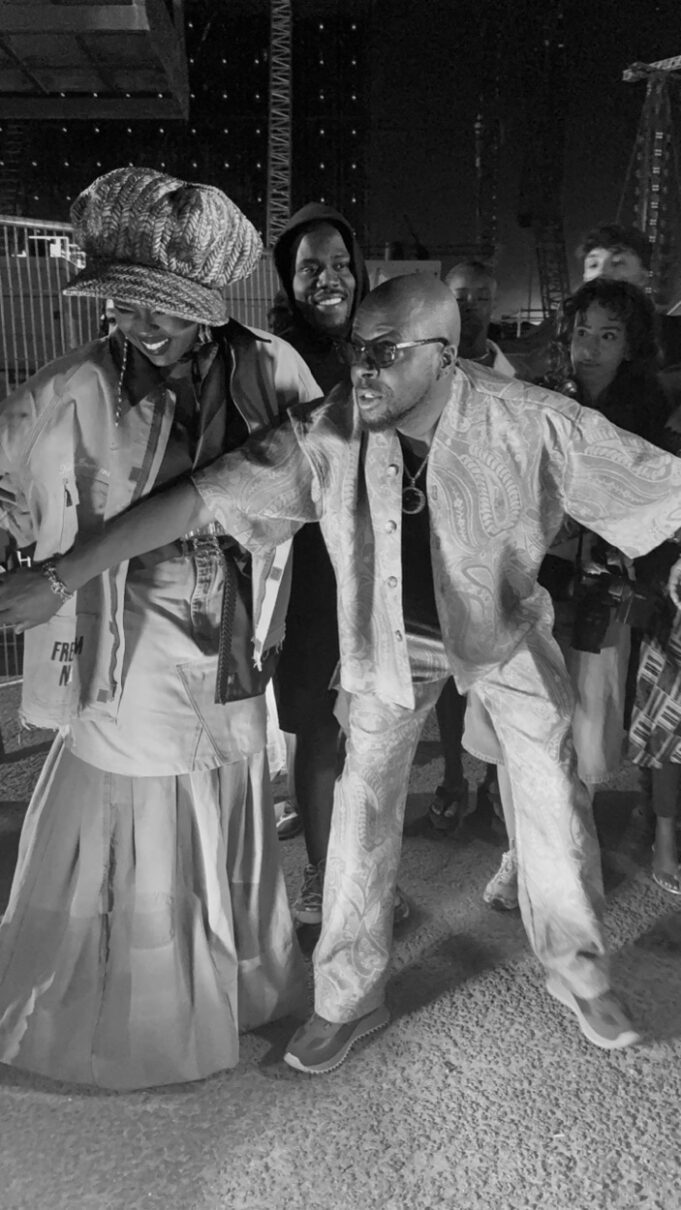
One of the most compelling qualities of Diaspora Calling! was the way cultural legacy remained in motion.
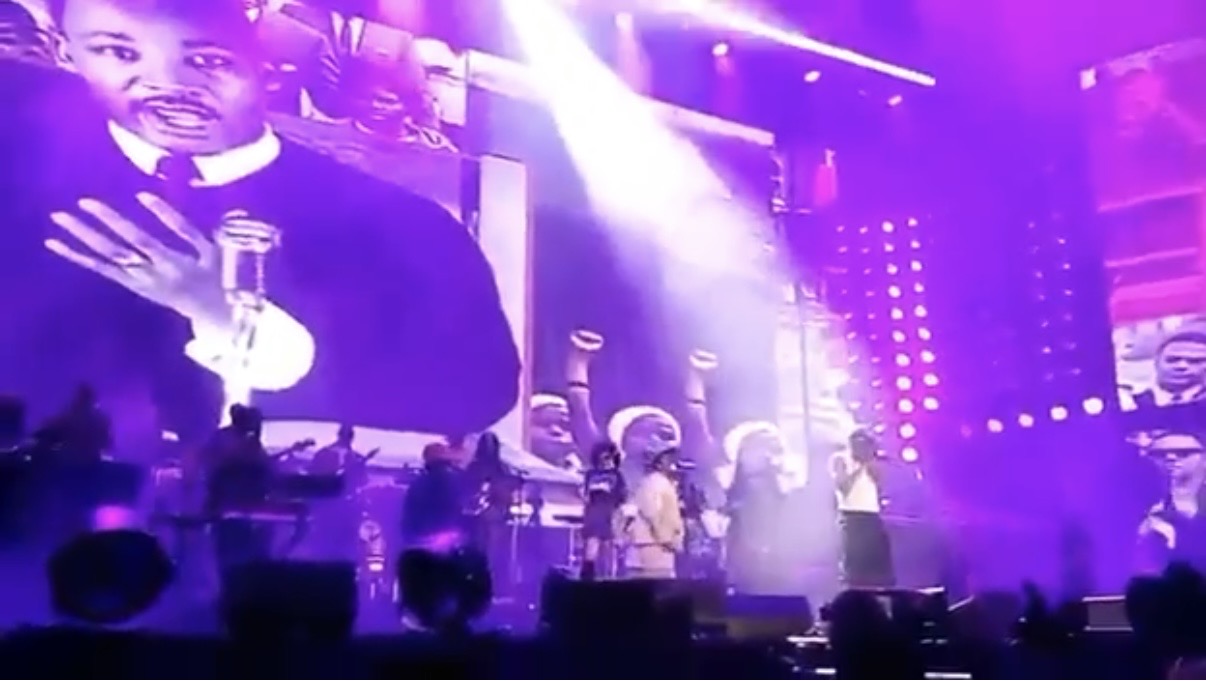
The presence of YG Marley and Zion Marley made that particularly visible. Bob Marley’s cultural impact has long exceeded music itself; his work became part of a global vocabulary around liberation, spirituality, Africa and resistance. His grandsons standing within a programme alongside Hill and Jean created another generational line — Jamaica speaking to the United States, the Caribbean speaking to Africa, one musical inheritance being reinterpreted by another generation. YG Marley performed “Praise Jah in the Moonlight,” while Zion reached directly into that family archive with Bob Marley’s “Three Little Birds” before moving into his own music. Legacy here became something active and this is where the curatorial intelligence of Diaspora Calling! becomes clear: diaspora really is a living network. And that network extended beyond sound.
Before the Milton Keynes gathering even began, Hill had translated the idea into something powerfully visual. In central London, she curated the presentation of a short film created by Los Angeles artist Lauren Halsey across the monumental screens of Piccadilly Lights. Halsey’s animated collage of heroes and symbols of the global African diaspora transformed one of London’s most commercial public spaces into a temporary site of diasporic memory.
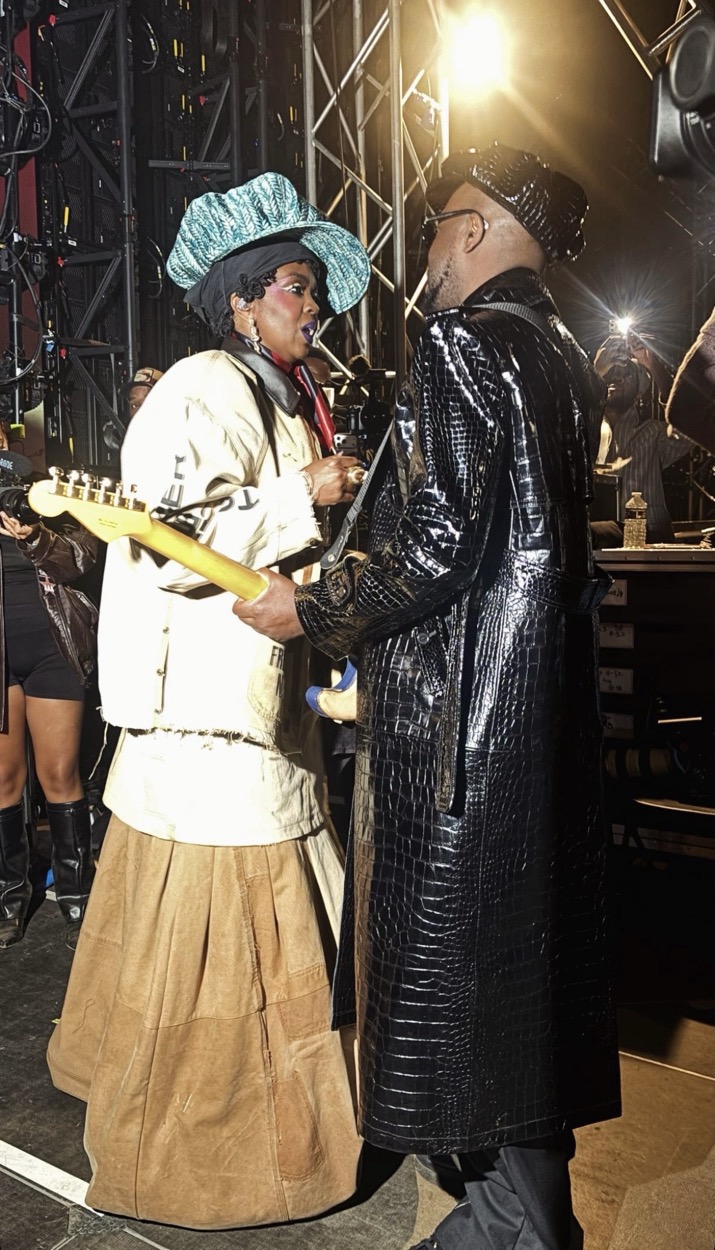
At Milton Keynes, visual art, fashion, film and community programming continued alongside the music. Halsey’s visual language reappeared within the festival, while Denim Tears, Kids of Immigrants and Topicals participated through cultural and fashion activations. A curated marketplace brought diasporic artists, designers and entrepreneurs into the same ecosystem. Weleh Dennis, co-founder of Kids of Immigrants, also designed Ms. Hill’s stage look, inspired by workforce garment designs, whereas the powerful background singers wore custom-designed, cropped LOVE hoodies.
The distinction matters. Music remained the gravitational centre, but the vision surrounding it was interdisciplinary. Culture was being allowed to speak to culture, fashion to music, art to politics, history to a younger generation. Commerce to community, Africa to its diaspora and the diaspora back to Africa.
Community is a word culture uses excessively and practices far less often. At Milton Keynes it felt unusually close.
Perhaps that is also why Hill appears so instinctive in this role. When speaking about bringing these artists and communities together, she described the impulse as something natural. Artists and cultural figures before her had already demonstrated what it meant to become a voice, to open doors, create language for others and understand the responsibility that can accompany influence. Among the figures Hill mentioned Bob Marley, Nelson Mandela, Bobby Seale, Harry Belafonte, Kwame Nkrumah and Sister Souljah — people operating across radically different disciplines and histories, connected by the understanding that visibility can carry responsibility. Diaspora Calling! becomes part of that inheritance and vision: Someone created space before her, she creates space for others, others will carry it forward.
TWO VOICES, ONE CONTINUUM
Few encounters captured the spirit of Diaspora Calling! as powerfully as Erykah Badu and Lauryn Hill sharing the same space.
Their connection carries decades of cultural history. Hill and Badu emerged at a moment when Black women were radically expanding the language of contemporary music — its sound, politics, spirituality and image. Both established uncompromising artistic identities that moved freely across genre and challenged established ideas of femininity, success and creative autonomy.Their individual paths have remained singular, yet a deep artistic vision connects them: an understanding of music as a space for consciousness, self-determination and transformation.
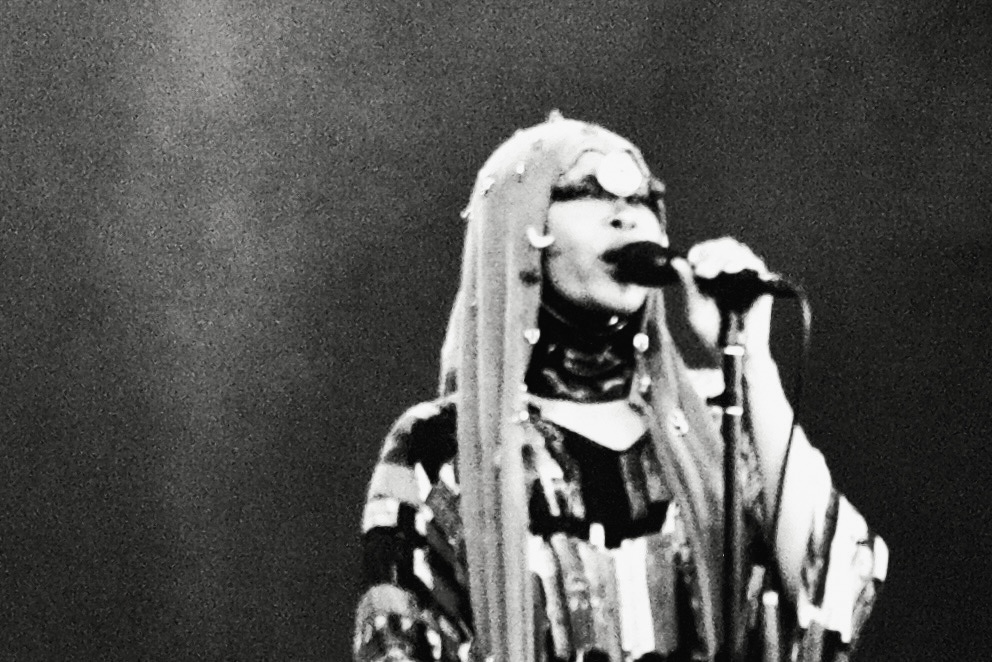
Badu’s performance carried the magnetic presence that has defined her live work for decades. “On & On,” “Window Seat,” “Apple Tree” and “Back in the Day” moved through the Bowl with the freedom of music still evolving in the moment. Badu has always understood performance as something alive — responsive to the room, the musicians and the energy passing between stage and audience.
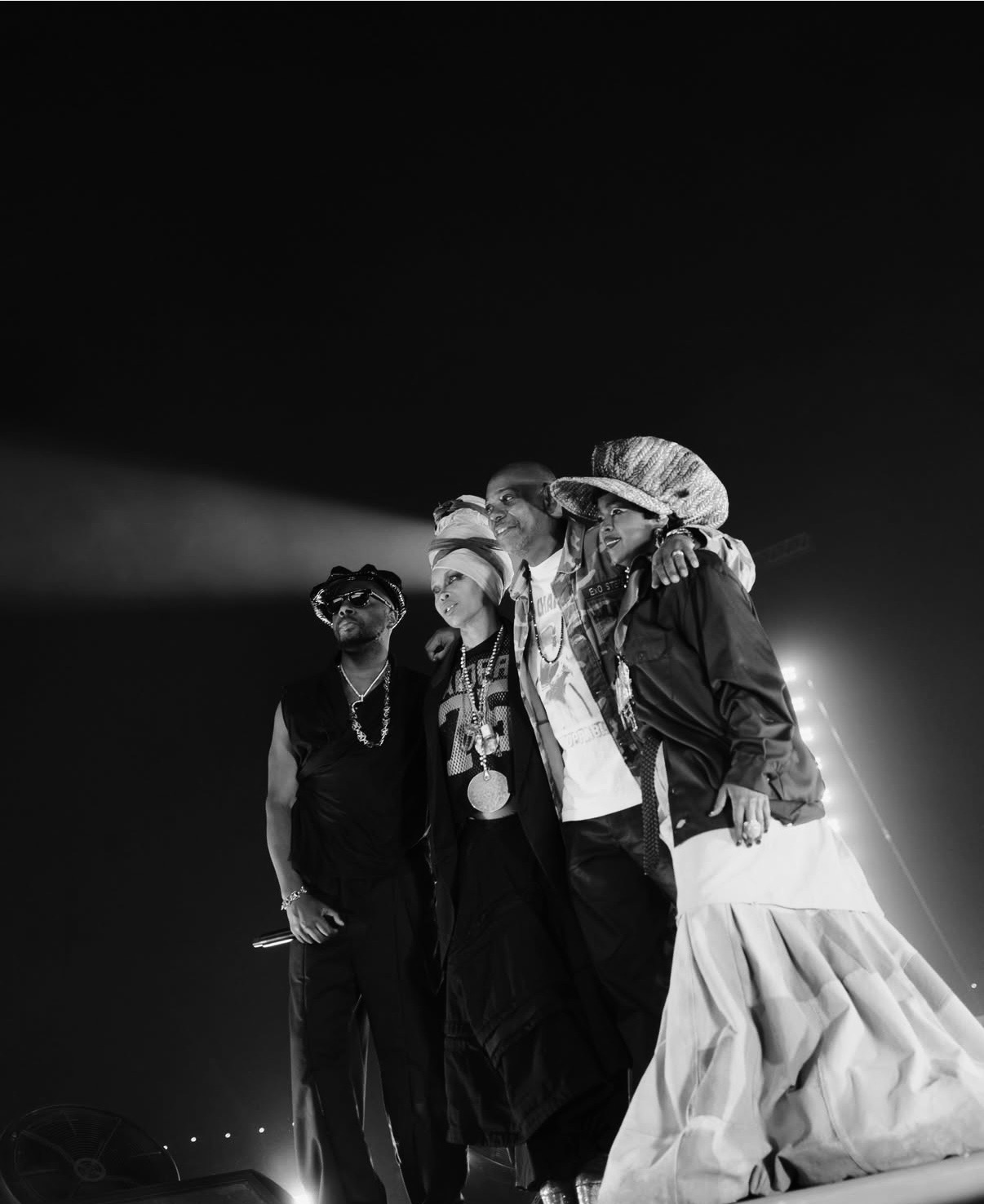
Later, Badu joined Hill onstage for “Doo Wop (That Thing)”, creating one of the evening’s defining images. A song released in 1998 suddenly held several histories at once: the era that produced it, the women who helped transform the cultural landscape around it, and a new generation experiencing that legacy in real time.
Hill and Badu have each built bodies of work around depth and independence. Their voices gave space to interiority, spirituality, sensuality, social consciousness and the complexities of Black womanhood. Decades later, both remain cultural reference points because they have protected that independence. Their friendship and artistic relationship reflected the wider architecture of Diaspora Calling!: artists connected through shared histories, mutual respect and a responsibility towards the generations coming after them.
MS. LAURYN HILL’S LEGACY CONTINUES
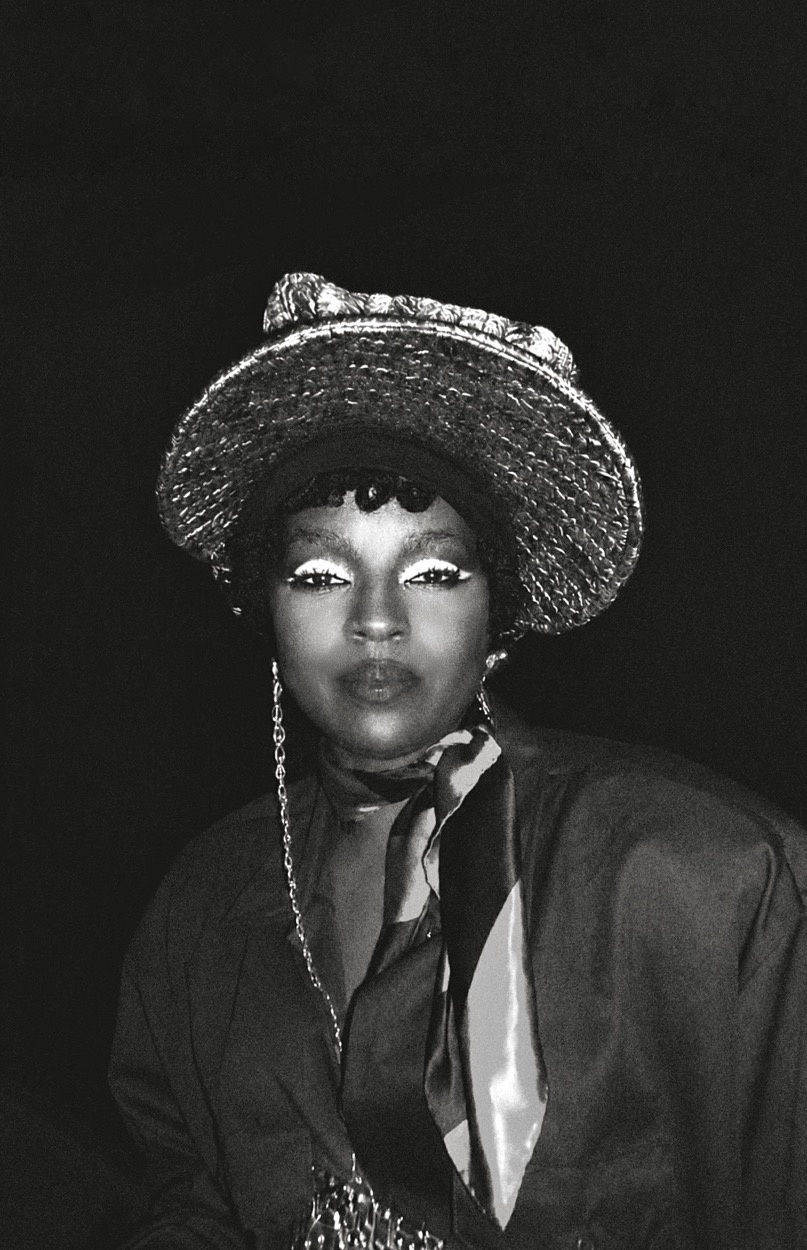
Hill’s cultural position remains difficult to categorise because her influence exists far beyond the size of her discography.
There is the rapper whose phrasing helped dismantle assumptions about gender within hip-hop. The vocalist capable of moving between rap, soul and reggae with complete fluency. The songwriter who made emotional vulnerability coexist with political consciousness. The Black woman who achieved extraordinary commercial visibility while remaining openly critical of the machinery surrounding that success. And then there is the cultural figure who emerged from all of those things.
Perhaps the most remarkable measure of Hill’s cultural impact is how little material it has required to sustain itself. Her solo studio catalogue essentially rests on one album.
In an industry built around constant output, accelerated release cycles and the pressure to remain permanently visible, The Miseducation of Lauryn Hill has travelled across almost three decades without losing its urgency. Artists can spend entire careers producing extensive catalogues without reaching as deeply across generations as Hill has with a single solo studio album. That longevity lies in what Hill chose to address in the first place: love, faith and self-worth; motherhood, power, injustice and identity; the tension between belonging and remaining yourself; the struggle to stay truthful inside systems designed to reshape you. These questions do not belong to one era. Hill articulated them through a language in which the personal, political, spiritual and social could exist simultaneously. A record made in 1998 can therefore still feel immediate to someone encountering it for the first time in 2026. Her legacy challenges one of contemporary culture’s most persistent assumptions: that relevance requires constant production.
Cultural permanence is built through depth.
THE BUILDING OF AN INFRASTRUCTURE
The Miseducation of Lauryn Hill remains foundational because generations of artists have inherited its permission: to be intellectually rigorous and emotionally exposed; spiritual and political; feminine and self-defined; commercially visible while retaining ownership over the meaning of the work.That influence now runs through multiple generations.
Diaspora Calling! reveals another dimension of Hill’s work: She is building infrastructure. Who shares a stage? Who meets backstage? Which histories are placed beside one another? Which younger artists gain proximity to their predecessors? What happens when African, Caribbean, American and British creative communities encounter one another in a physical place? And who, having once been given that space themselves, assumes the responsibility of creating it for somebody else? That final question feels central to Hill’s understanding of her own position. Cultural influence becomes something to circulate.
And this is where Diaspora Calling! begins to move beyond the continuation of Hill’s own legacy. It proposes a model for what cultural spaces might become. For all the language of global connectivity surrounding contemporary culture, meaningful physical spaces for exchange have become increasingly precious. Digital culture moves music across continents in seconds, yet the deeper histories connecting those sounds can easily disappear in the process. Diaspora Calling! restores those relationships to the foreground: The past becomes active material for the future. Healing, in this context, means creating the conditions in which difference, fracture and history can exist alongside the possibility of connection.
Hill has described this moment as one for growth, healing and pushing forward. At Milton Keynes, those ideas became a methodology.
CREATING NEW VALUE SYSTEMS
There were histories on that stage and throughout the Bowl of migration, of diasporic musical traditions travelling and transforming, of families carrying cultural legacies forward, of friendships fractured and repaired, of artists navigating industries that profit from their creativity while frequently failing to protect the people producing it.
Even the abrupt ending of the night became an expression of that relationship. As the National Bowl reached its licensing curfew and the Fugees’ performance could no longer continue as planned, Hill refused to let the energy disappear with the stage lights. She moved down towards the crowd, extending the connection beyond the formal boundaries of the performance. The gesture felt almost like a final articulation of the day itself: proximity over distance.
Diaspora contains the routes through which people continually find one another again, like a living network — constantly moving, constantly being redrawn.
And this is where Diaspora Calling! points beyond the legacy of one artist, one album or one generation. It proposes a different cultural model.
An industry built around algorithms, accelerated release cycles, individual visibility and constant consumption has taught us to understand culture through what comes next. The next record, the next artist, the next image., the next moment. It recalls a thought FKA twigs has raised around the need for a different value system in music — one capable of recognising what numbers cannot measure. Streams, sales and visibility can quantify reach, but they cannot fully account for cultural impact: the ideas an artist leaves behind, the communities they create, the doors they open, or the way a piece of work continues to shape people decades after its release.
Diaspora Calling! asks powerful questions: what happens when culture moves through connection rather than succession? When an elder does not disappear as a younger voice emerges. When legacy becomes responsibility rather than status. When influence circulates instead of being owned. When community becomes infrastructure rather than branding. In this model, history and innovation do not compete. Africa and its diaspora are not separated into centre and periphery. The past does not sit behind the future but they move through one another.
The future of music will inevitably be global. The more urgent question is whether it can remain connected to the histories, communities and human relationships that gave it its language in the first place. At Milton Keynes, Lauryn Hill offered one possible answer.
Perhaps the future of music also depends on learning how to value what cannot be counted. It shapes a vision of culture as circulation rather than consumption, legacy as responsibility rather than status and community as infrastructure rather than branding.
Thirty years after The Score, Hill is still drawing the routes. And making space for others to follow them home.
IN CONVERSATION WITH NEUSWANSTEIN
Neuswanstein brings together indie rock, hip-hop and electronic production in a sound…
IN CONVERSATION WITH ARNAUD FRISCH
As Silencio celebrates 15 years in Paris, founder Arnaud Frisch brings the club’s blend…
ON TOUR WITH ENNIO
Singer and songwriter Ennio gives us a thoughtful and personal insight into a day on his…
WEEKEND MUSIC TIP PT 112 EAU DE COLOGNE
Four years after it began as a queer party series at Tbilisi’s Bassiani club, housed in…

WEEKEND MUSIC TIP PT 111 KUKO
Catharsis describes the process of suddenly releasing inner conflicts, emotions, and…

IN CONVERSATION WITH SOFIE ROYER
With her new album before/after, Sofie Royer looks at the conflict of you versus you: the…