
COHERE: REIMAGINING AI THROUGH CULTURE
As artificial intelligence becomes increasingly embedded in everyday life, Cohere is asking a more human question: what might technology make possible when it gives people more freedom to create, experiment and pursue what matters to them? That vision came to life at Kraftwerk, where the company premiered its new short film and global campaign in collaboration with Reference Studios during Berlin Art Week. The evening also featured live performances by Actress, whose experimental electronic sound moves between club music and avant-garde composition, and Sega Bodega, whose genre-defying work spans music, fashion and visual art. For Joel Evey, Cohere’s VP of Brand, the connection between technology and creativity is instinctive. A Brooklyn-based creative director, artist and educator, Evey has previously worked at Meta, Grailed and Gap. At Cohere, he is helping shape a more human, culturally connected vision of AI. Nick Frosst, Cohere co-founder and former Google Brain researcher, has witnessed the evolution of AI from an emerging field into a defining technology. Today, he is focused on how AI can be developed and used in ways that give organisations greater control while keeping human creativity and judgment at the centre. We spoke to Evey and Frosst about creativity, culture, Berlin and the possibility of making AI a tool that gives people more freedom to pursue what they love.
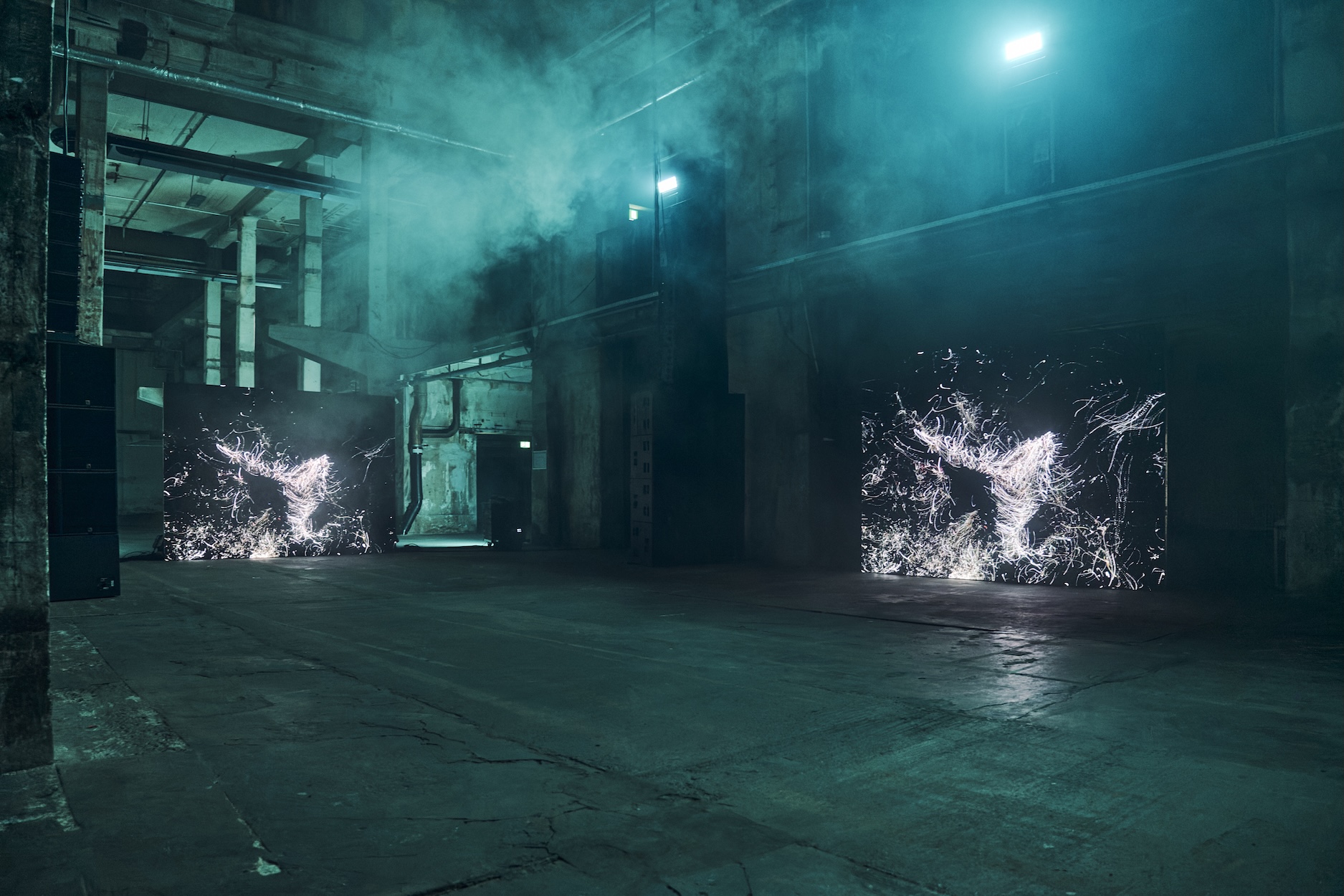
Billy Burrell: Cohere’s ‘Convergence’ event at Berlin’s Kraftwerk brought AI into one of the city’s most iconic cultural spaces, with live performances from Actress and Sega Bodega. Why was it important for you to introduce Cohere through music and creative culture, rather than a conventional tech setting?
Joel Evey: I grew up with the early internet, when technology and creativity were the same scene. That’s the version I still believe in. Kraftwerk felt like the perfect place to bring that spirit to life. Cohere is deeply pro-human, and Convergence reflected our belief that when AI takes care of the tedious work, people have more freedom to focus on what they love. We think AI is only useful if it empowers people, that’s why we are focused on building models that automate boring work, and allow people to be more creative, not less
“When AI takes care of the tedious work, people have more freedom to focus on what they love.”
BB: Berlin is a hedonistic city where subcultures collide and new ideas emerge. What does it represent to Cohere, and what did you want ‘Convergence’ to say about the company?
JE: We are growing in Germany and we really respect the culture and art scene here. At Cohere, we believe there’s enormous value in bringing people with different perspectives together. It creates conversations that challenge assumptions and open up new ideas. Berlin felt like a natural place for that. It has always embraced experimentation, different cultures and subcultures which is exactly the kind of environment where new ideas can emerge.
BB: Nick, what’s different about today’s AI conversation from what you imagined when you joined Geoffrey Hinton as his first hire at Google Brain? Has the reality of where AI has ended up surprised you?
Nick Frosst: When I started with Geoffrey, AI was still a small research field. The big question was simply whether these techniques would work at all. What’s changed is that AI has moved from a research challenge to critical infrastructure. The conversation is now much bigger, about trust, security, economic impact and, importantly, who controls the technology. That shift has made the role of places like Europe much more important. Europe has world-class talent, industries and institutions, and should have a meaningful role in shaping how AI is built and deployed rather than simply relying on technology developed elsewhere.
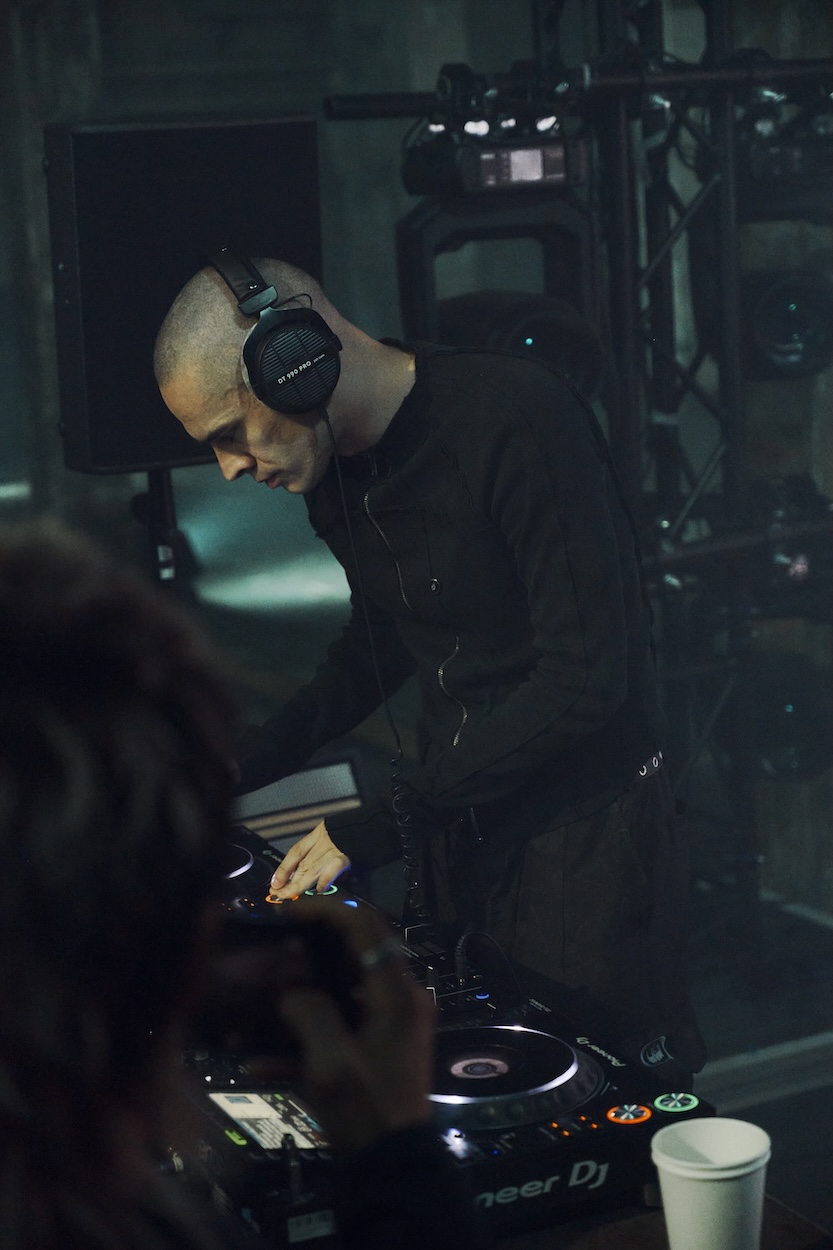
BB: You’ve spoken about a future where AI becomes “boring” infrastructure, something that simply works in the background. Does a culturally charged event like ‘Convergence’ sit in tension with that idea, or are the two actually connected?
NF: They’re actually connected. When I talk about AI becoming “boring” infrastructure, I mean it should simply work, for example taking care of repetitive, time-consuming tasks so people can focus on doing what they enjoy. That applies to culture too. AI should be another tool for artists and creators to use, challenge and reinterpret and definitely not something that replaces human creativity and talent.
“AI should be another tool for artists and creators to use, challenge and reinterpret.”
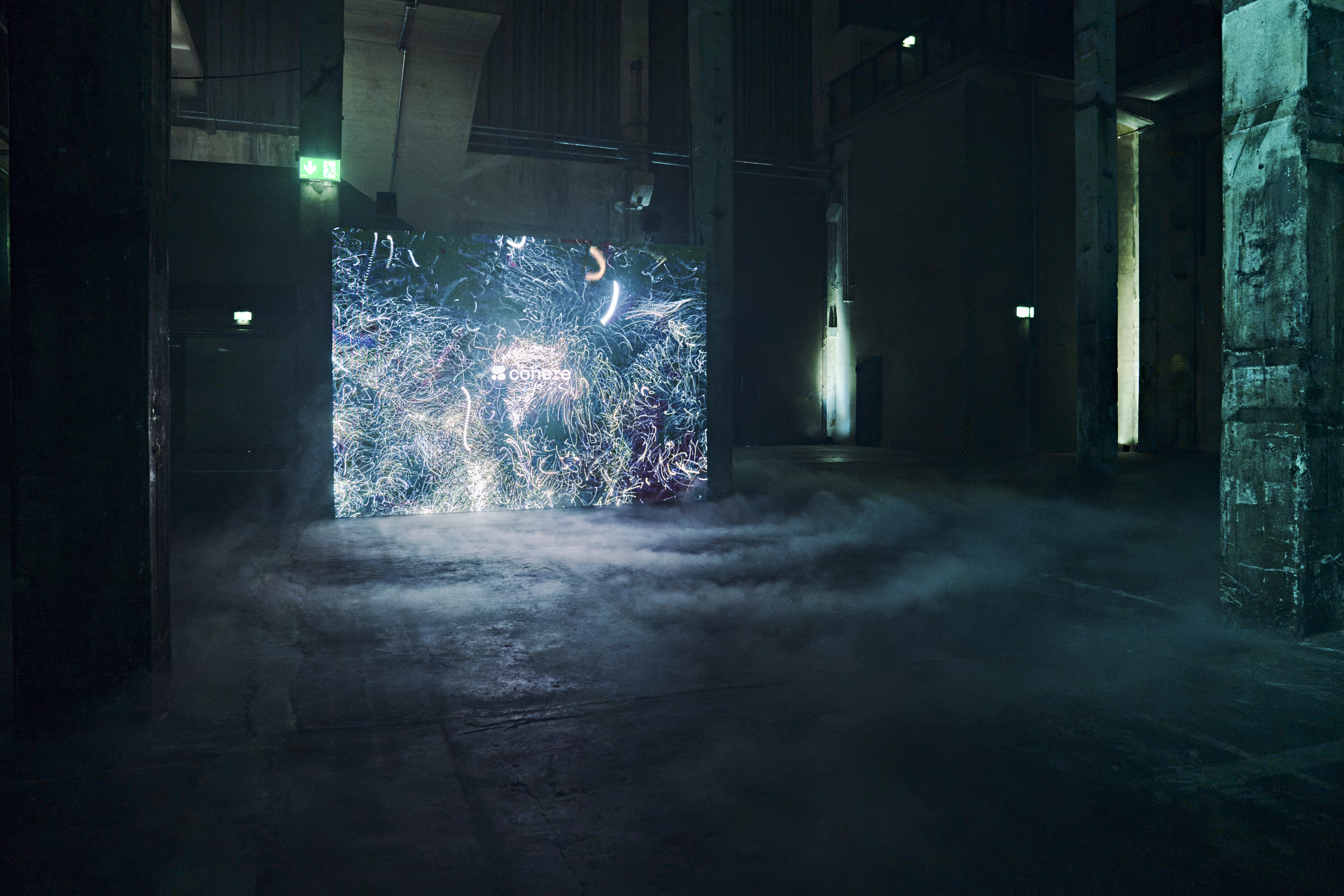
BB: Cohere has positioned itself differently from some of the dominant Silicon Valley AI companies. What do you think Cohere sees differently?
NF: We started from a different premise. Rather than simply making bigger models, we’ve focused on making AI useful, open, and relevant to organisations and the people they serve. That means giving organisations choice and control over how AI is deployed and where their data goes. We don’t think such an important technology should be controlled by a handful of companies or a single geography.
BB: Joel, Cohere’s visual identity feels quite different from the way we usually see AI represented. How important was it to create a brand that feels human and connected to culture, rather than futuristic or overly technical?
JE: Very. We’re operating at the frontier of technology, but we also want to engage with the frontier of creativity and culture, where many new ideas emerge. We never wanted Cohere to look like a stereotypical AI company. The technology we build is ultimately about people and organisations solving real problems in the real world.
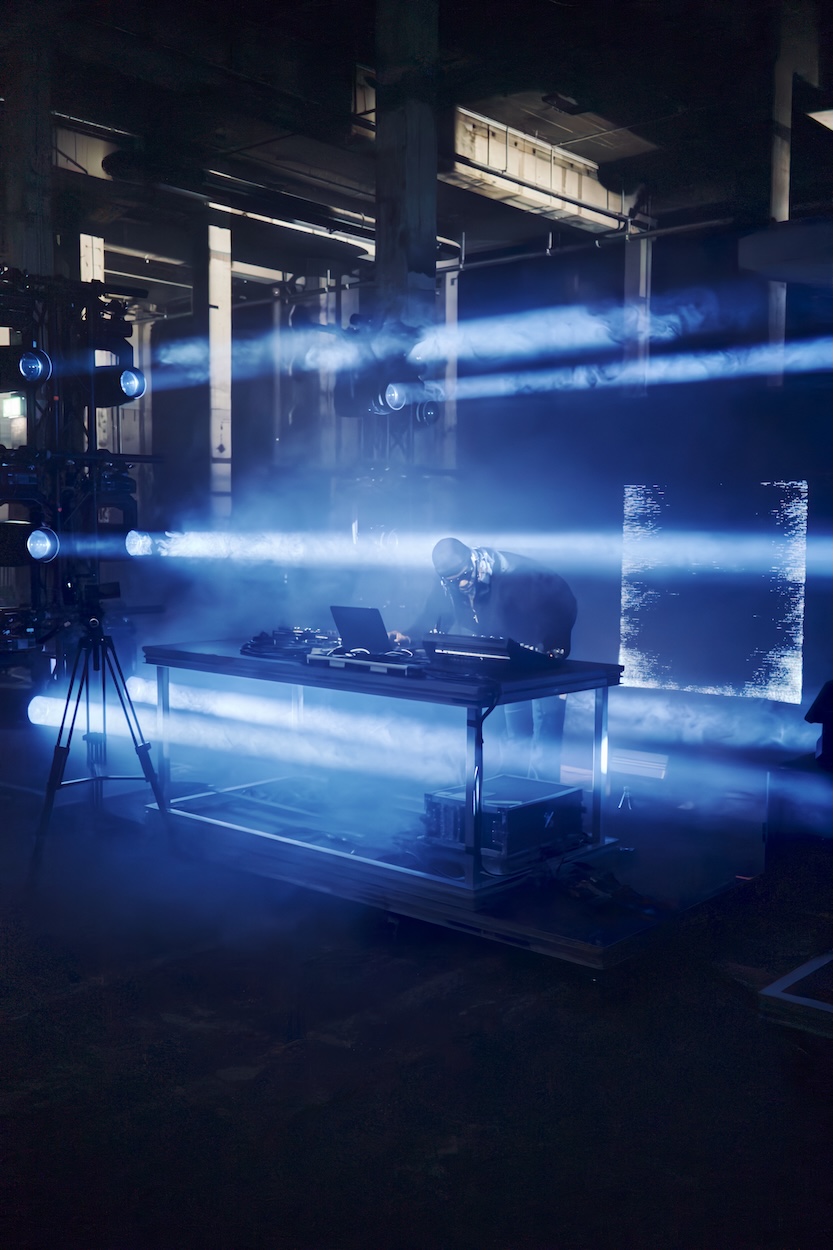
BB: AI is already changing the way we work, create and communicate. What do you think we’re still getting wrong about its impact on culture, and what are you most curious to see humans do with it?
JE: I think we often see AI as subtractive, rather than additive. We’ve seen this before with tools like Adobe. Lowering the barrier to creation didn’t kill creativity; it gave more people the ability to create. I’m excited to see AI become another tool in the creative toolbox, helping people explore ideas, experiment faster and bring things to life.
“Lowering the barrier to creation didn’t kill creativity; it gave more people the ability to create.”
IN CONVERSATION WITH LEON EMANUEL BLANCK
His work is defined by an inherently asymmetrical approach, working directly from the…

WEEKEND MUSIC TIP PT 109 DAHI
He produced some of the most recognizable hip hop tracks of this century, from Kendrick…

IN CONVERSATION WITH AARON PIERRE
There is a certain inevitability to Aaron Pierre’s relationship with BOSS. His career…

THERAPY THROUGH ALTER EGOS
The artist who contributed the Czech half of this year's “Czecho-Slovakian” Pavilion…

WHERE CLASS, POWER AND ABSURDITY COLLIDE
In Subterraneans, Czech artist Jakub Jansa brings his surreal world of human-vegetable…

IN CONVERSATION WITH JULEZ SMITH
Julez Smith - despite coming from a truly musical family, the 21-year-old tried his hand…