
IN CONVERSATION WITH SOFIE ROYER
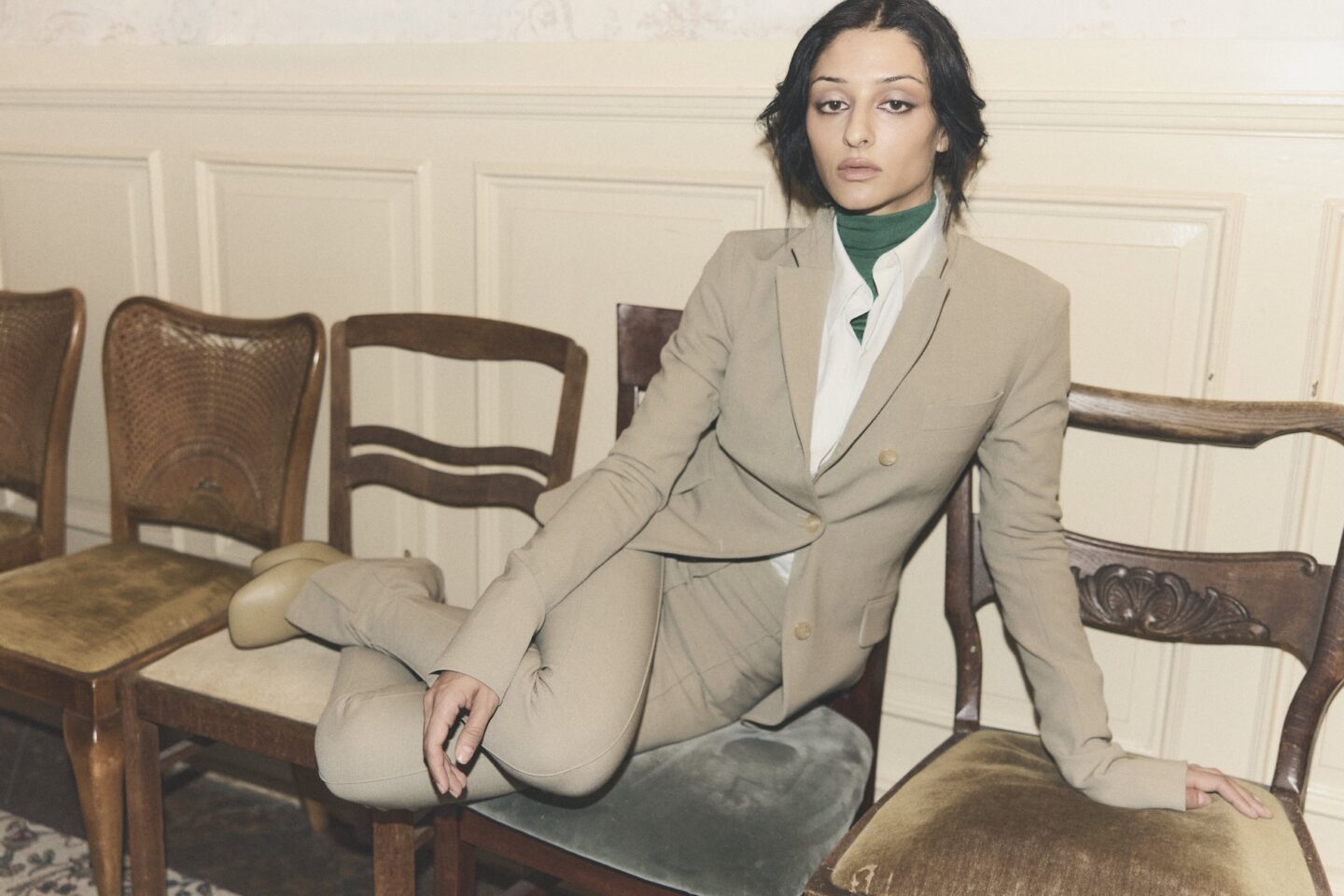
THE IN BETWEEN BEFORE AND AFTER WITH SOFIE ROYER
INTERVIEW & WORDS BY ELISABETH KIKO
IMAGES BY EMIL DIETRICH
Sometimes I wonder if we just want to believe there is this clear moment where something changes, where we leave one version of ourselves behind and become someone new, just to move on quicker. Choose someone new. But in reality I don’t think it ever really works like that. I am glad it does not work like that, perhaps growth doesn’t require defeating the person you were before, but accepting and growing together.
We repeat ourselves. We change our minds. We return to things we thought we had most definitely moved on from. The parts of ourselves we so dearly judge and are most critical of and want to escape are also the reason we keep pushing into new territory. It is a space Sofie Royer seems comfortable occupying. There is no great desire to arrive at a final version of herself, nor to completely leave an old one behind.
Simply, pure curiosity: towards the things we repeat, the things we are drawn to without knowing why, and the possibility of finding something new within what already exists. Perhaps becoming isn’t about constantly reinventing ourselves. Thinking it might just be about learning how to keep moving and at the same time keeping an open mind to all the parts of ourselves we have not been able to understand.
Sofie Royer’s new album before/after begins with that conflict: you versus you. The person you were, the person you are becoming, and the patterns that somehow keep following you back and forth between the two.
Having this conversation with Sofie made me understand that the curiosity within her work is simply an extension of the way her mind moves: instinctive, observant and always searching beyond the obvious. Intuition becomes more important than having everything figured out, and creating something can come from joy rather than the pressure to constantly improve yourself.
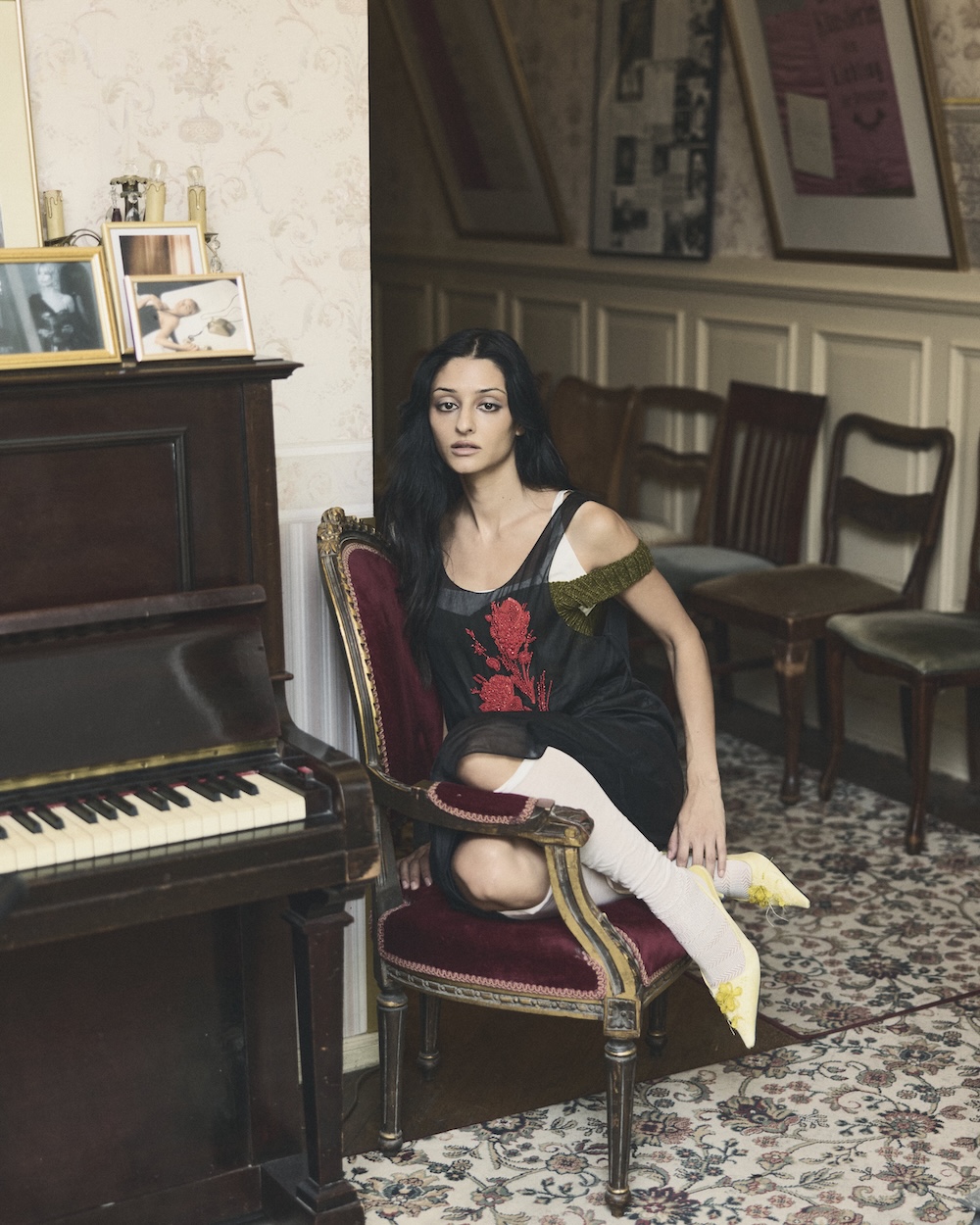
Elisabeth Kiko: On your new album before/after, you become the main target of your own satire and critique. Why do you think you turned that critical gaze towards yourself?
Sofie Royer: I’m most comfortable and entrusted to speak on myself as the subject matter, my own experiences, my perception. This is generally a theme throughout every record I’ve put out. Maybe it’s the most on the nose this time round!
EK: Do you think being hard on yourself has also been part of what has pushed you forward?
SR: Perhaps, but it can just as easily become an obstacle.
EK: Definitely can be an obstacle, what motivates you from a place of joy rather than pressure?
SR: Inspiration! Also the making of something is really fun, the journey rather than the destination. I absolutely love writing and producing music, I love finding new sounds, learning new techniques…
EK: You left Vienna to return to California when you were 19. What were you looking for at that point in your life? And where are you based now?
SR: I only left the US when I was 12, and I’d spent a few summers out of high school back at my cousins in Torrance, so there were elements of my life that I missed. I applied for an internship at Stones Throw Records and when I received it, I originally was only supposed to do a two month stint and come back home when the internship ended. However, I was subsequently offered a full time job, and getting to work for the label played the biggest role in me choosing to make the move permanent. I moved back to Vienna around 2019, after my mother was diagnosed with cancer, and I couldn’t really imagine leaving again; though I’m happy to enjoy and be afforded the ability to travel frequently for work.
EK: Where is home for you?
SR: Places that feel like home and I spend the most time in are Vienna, Paris, Los Angeles!
EK: You went from being a conservatory-trained violinist to DJing, working at Boiler Room and Stones Throw, and now choosing to only create and live as the artist. Did becoming an artist feel inevitable to you or did you have to give yourself permission to take up that space?
SR: I’ve been a musician since as long as I can remember— I’ve played the violin for 31 years now. I don’t really remember a life without playing music. I think if you make art you’re an artist, regardless of what your day job is or where you’re currently working!
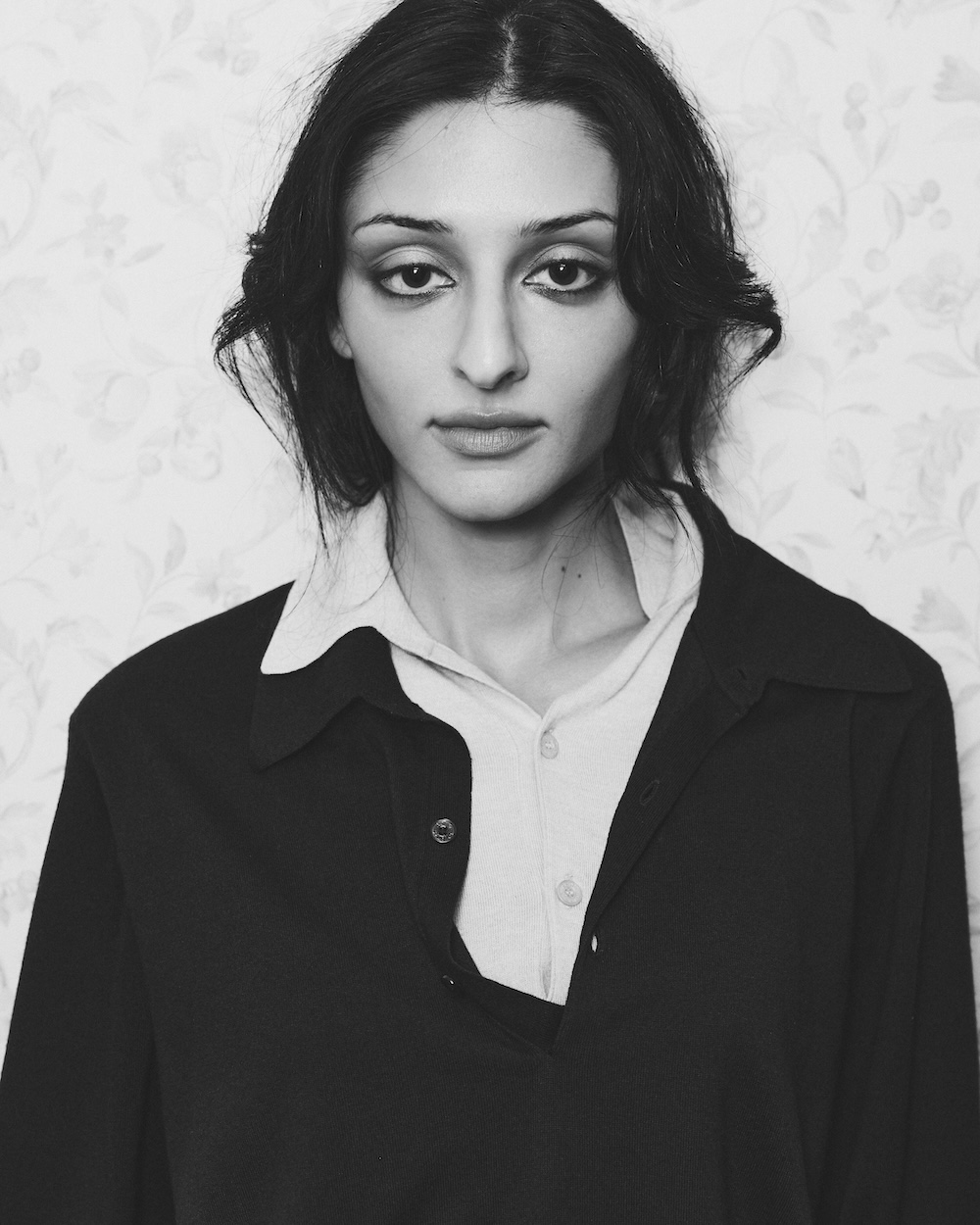
I enjoy the surreal, trying to find the horizon of things beyond the imaginable.
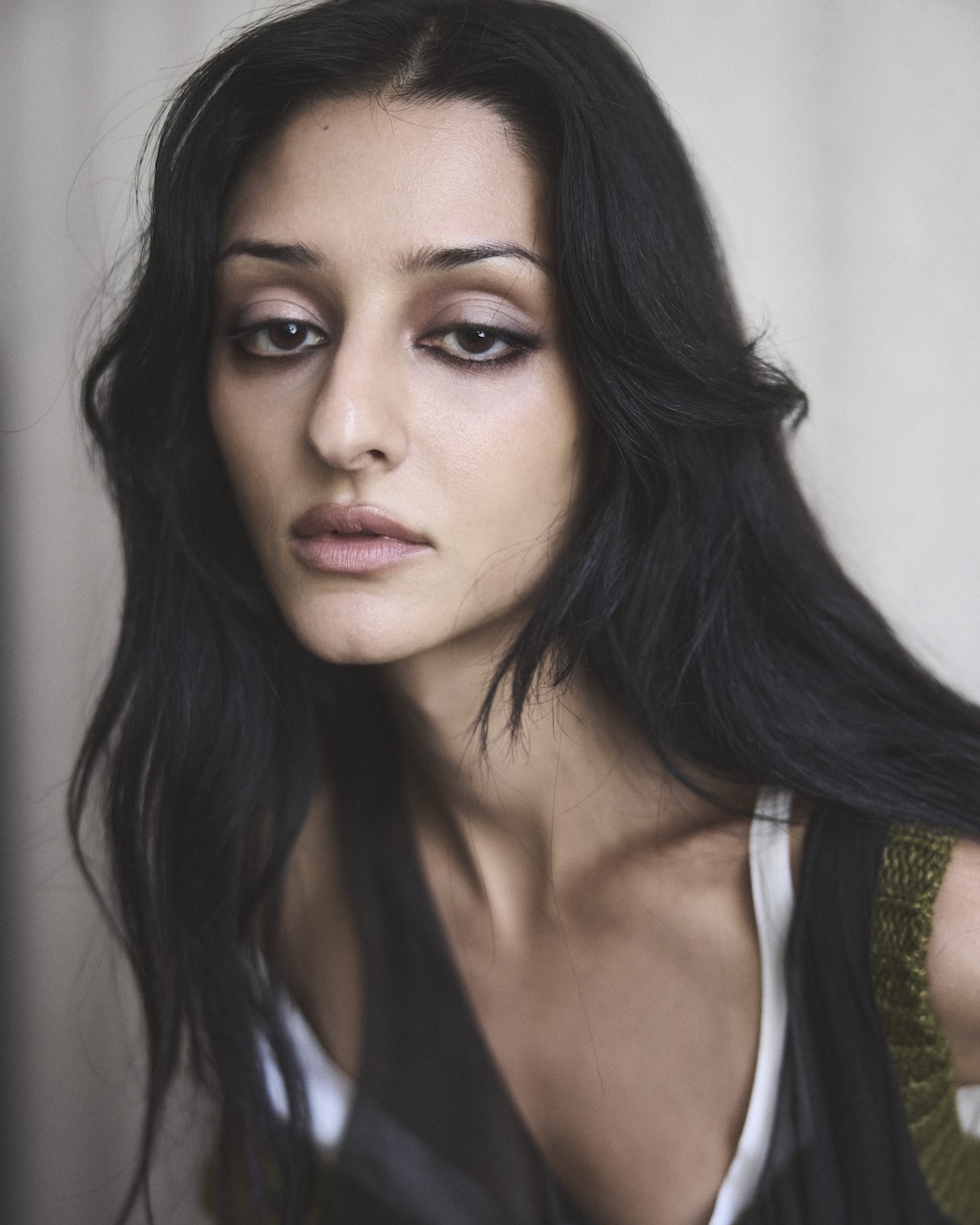
EK: Most definitely. What is music to you? Does it feel like an extension to your existence, an extra set of vocabulary to be able to vocalise yourself?
SR: You phrased it well in terms of extension! Yes it’s like an inherent part of me that I couldn’t imagine living without.
EK: You’ve often referenced figures like Fassbinder, David Lynch and Falco in relation to your work. They’re very different, but all play with character, artifice and performance in their own ways. Are you interested in the idea that sometimes constructing a character can actually allow you to be more honest?
SR: Though they’re all very different, what I enjoy most about them collectively is their lenson life, how they view things and process them and create art around lived experience.
EK: How would you describe your own lens of life?
SR: I enjoy the surreal, trying to find the horizon of things beyond the imaginable. I think I do enjoy looking for little clues, hidden meanings, and so on.
EK: How much of “Sofie Royer” is a character?
SR: Perhaps unfortunately for myself I’m a hyperpersonal artist, so what you see is what you get, this is really me, and so on.
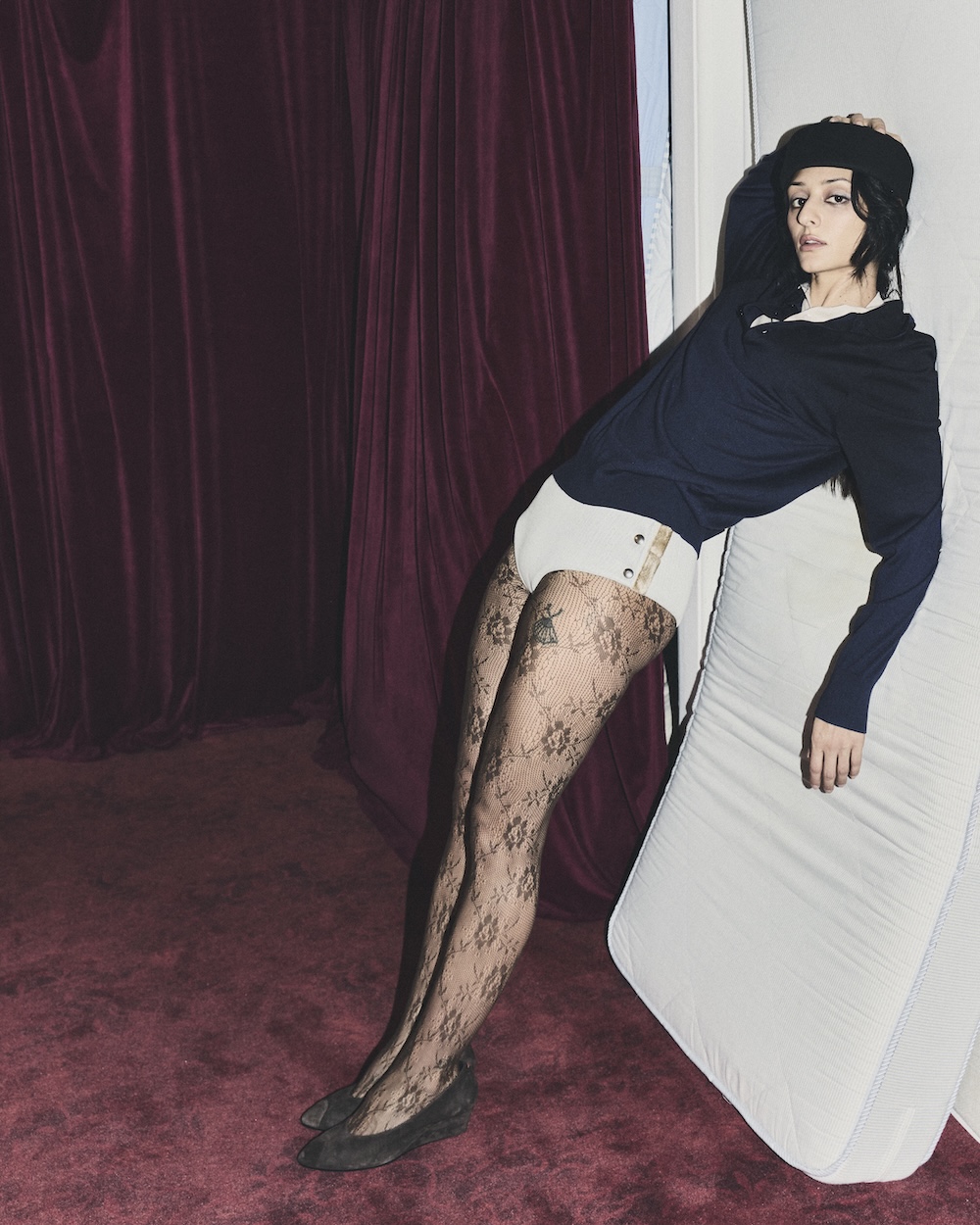
EK: There’s a real beauty in being able to express yourself that fully. At the same time, you have a very distinct visual identity. How much does clothing allow you to play with different versions of yourself?
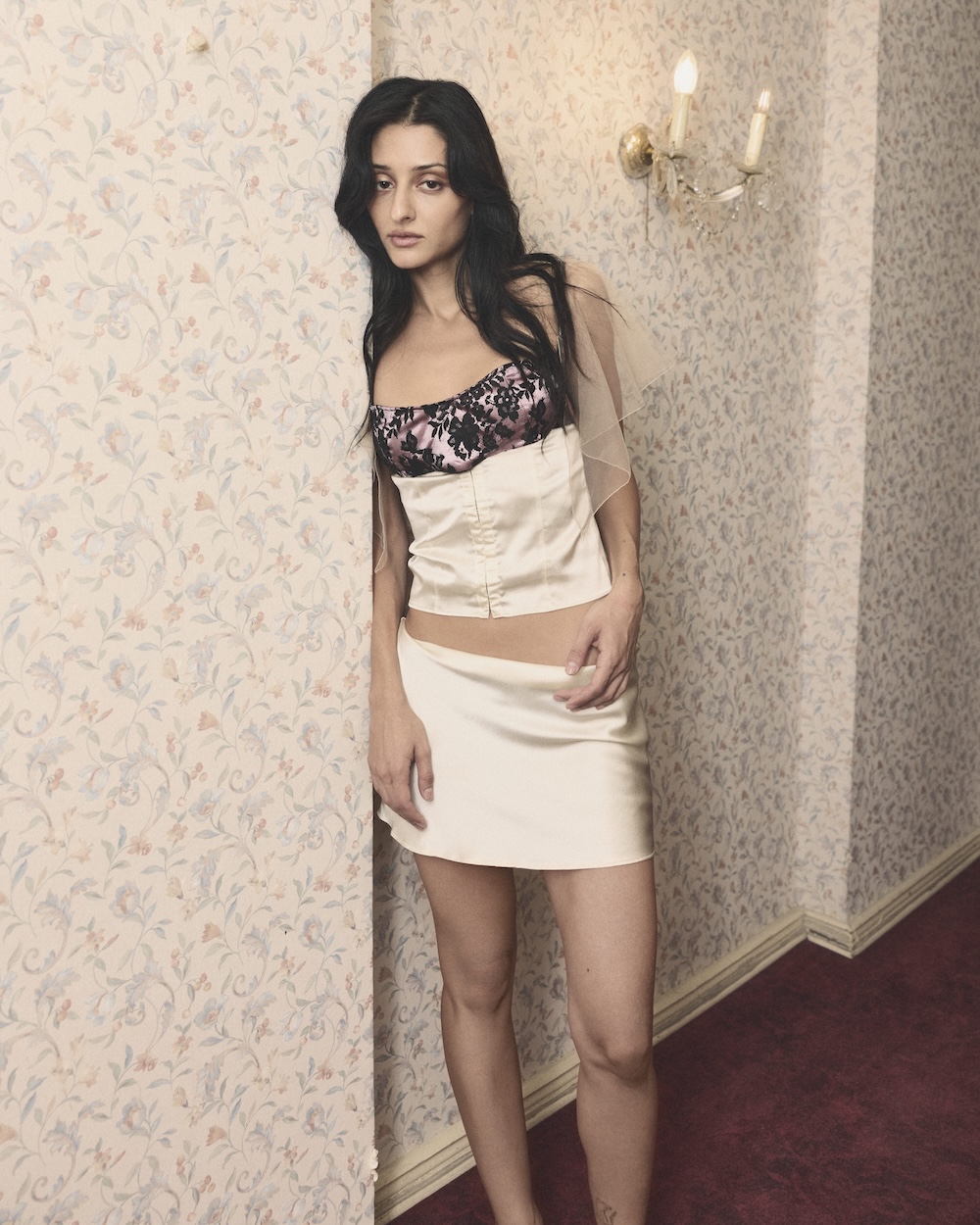
SR: I do have a real affinity for how clothing makes me feel, but it’s almost somethingunplaceable why I end up drawn to certain items. I really do end up gravitating to different iterations of things I love over and over again.
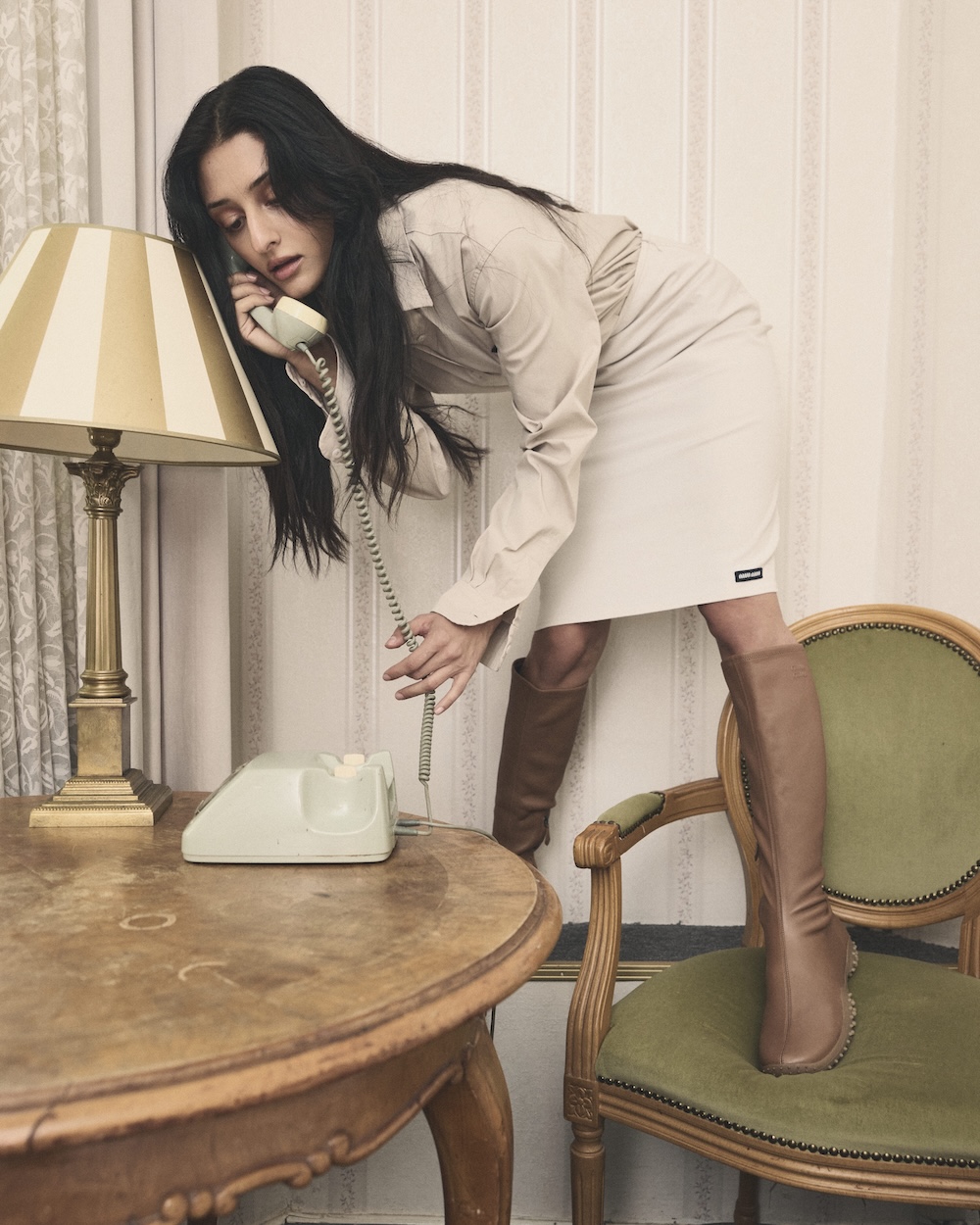
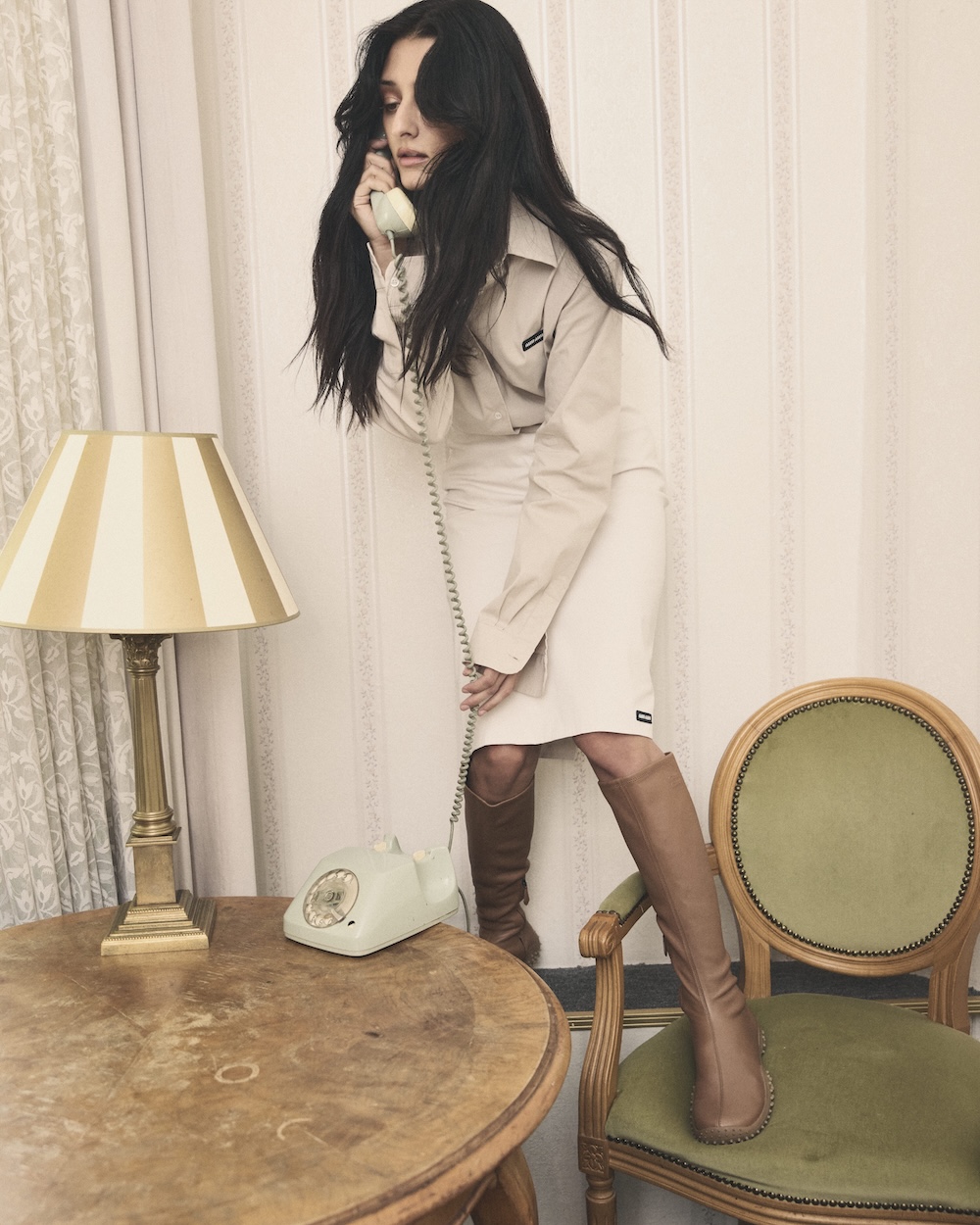
EK: You find yourself living and choosing with that intuition through all areas in your life? Also the way you create?
SR: Definitely in terms of creating music, or at least in choosing what to release.
EK: What does pop music mean to you?
SR: I’m not sure. I think good music is good music, regardless of genre.
EK: What do you feel is missing from pop right now?
SR: I don’t know, perhaps I get frustrated by the contemporary landscape of music right now sometimes, both on a musical/ production level and on a lyrical level, but maybe a lot is just not meant for me, which is also OK. I don’t need everything to be imbued with meaning or false depth; but at least your place of creation should be coming from somewhere authentic. And it’s really nice to see artists like Princess Superstar or La Roux getting recognition right now for songs they wrote years ago, for example. I’m not super nostalgic for anything, I am happy to have a wealth of different eras and genres to study about and look back upon— I enjoy leaning into the fact that I am a postmodern artist!
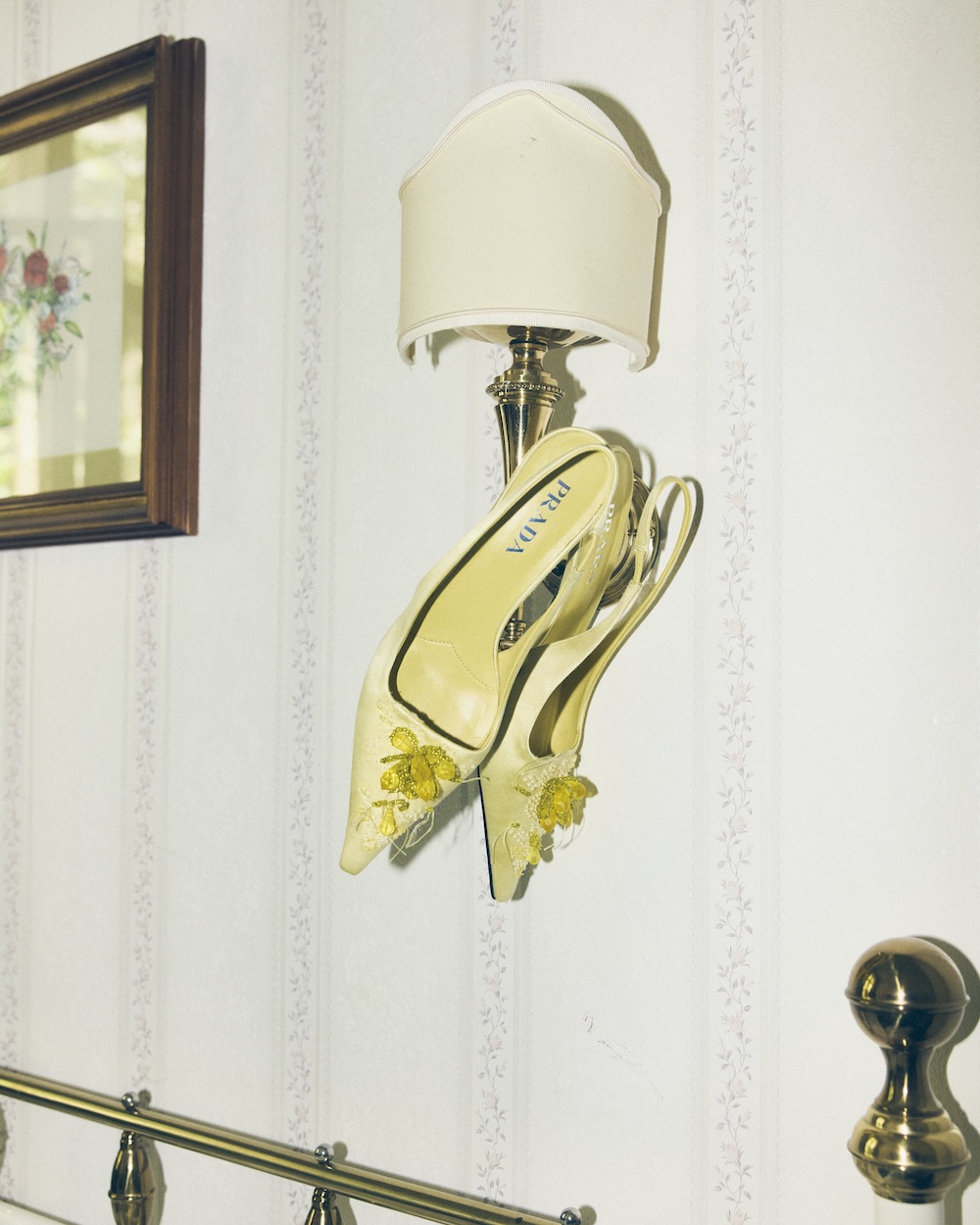
Photographer Emil Dietrich @emildietrich
Styling Elisabeth Kiko @elisabethkiko
Hair Mickael Ambrosino @Mickael_Ambrosino_hair using @davinespro
Make up Hyangsoon Lee @leehyangsoon__
Production Adam Tilicek @adamtilicek
Styling Assistant Hannah Cummins @nahlinns Helena Alge @helena.alge
Talent Sofie Royer @sofieroyer
Management Nico Helbig @nico_helbig @initial.agency
Interview Elisabeth Kiko @elisabethkiko

WEEKEND MUSIC TIP PT 110 IDER
IDER consists of Megan Markwick and Lily Somerville, who met while studying Popular Music.…

IN CONVERSATION WITH JOEL EVEY & NICK FROSST
What happens when AI steps out of the tech world and into Berlin’s creative scene? At…
IN CONVERSATION WITH LEON EMANUEL BLANCK
His work is defined by an inherently asymmetrical approach, working directly from the…

WEEKEND MUSIC TIP PT 109 DAHI
He produced some of the most recognizable hip hop tracks of this century, from Kendrick…

IN CONVERSATION WITH ANNA RINGSTAD
One of the last shows of Oslo Runway invites to Café Sara: It is here where NEXT Award…

IN CONVERSATION WITH AARON PIERRE
There is a certain inevitability to Aaron Pierre’s relationship with BOSS. His career…