
Willful Blindness: In Conversation with Paul Boche
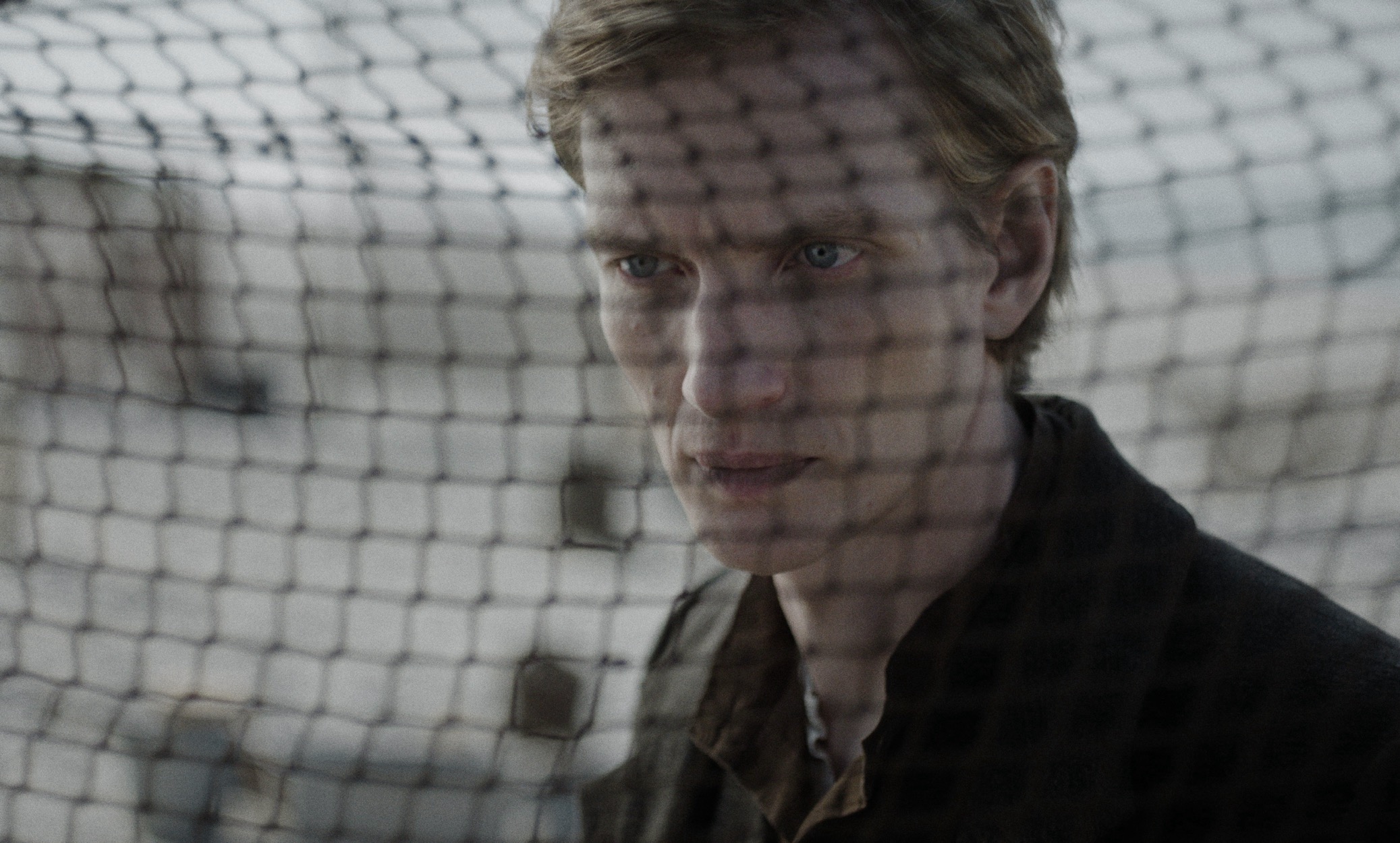
When Paul Boche talks about his role in Der Heimatlose (2025), it quickly becomes about more than just filmmaking. It is about the feeling of returning to the provinces, painful memories of growing up in the 1990s, and the question of what home actually means today. After years on international runways, the actor celebrated the premiere of his first leading role in a feature film at the Berlinale, in director Kai Stänicke’s feature debut. We spoke with him about the culture of silence, the phenomenon of “Willful Blindness” in small communities, the loss of ego under the starry sky, and the art of forgiveness.
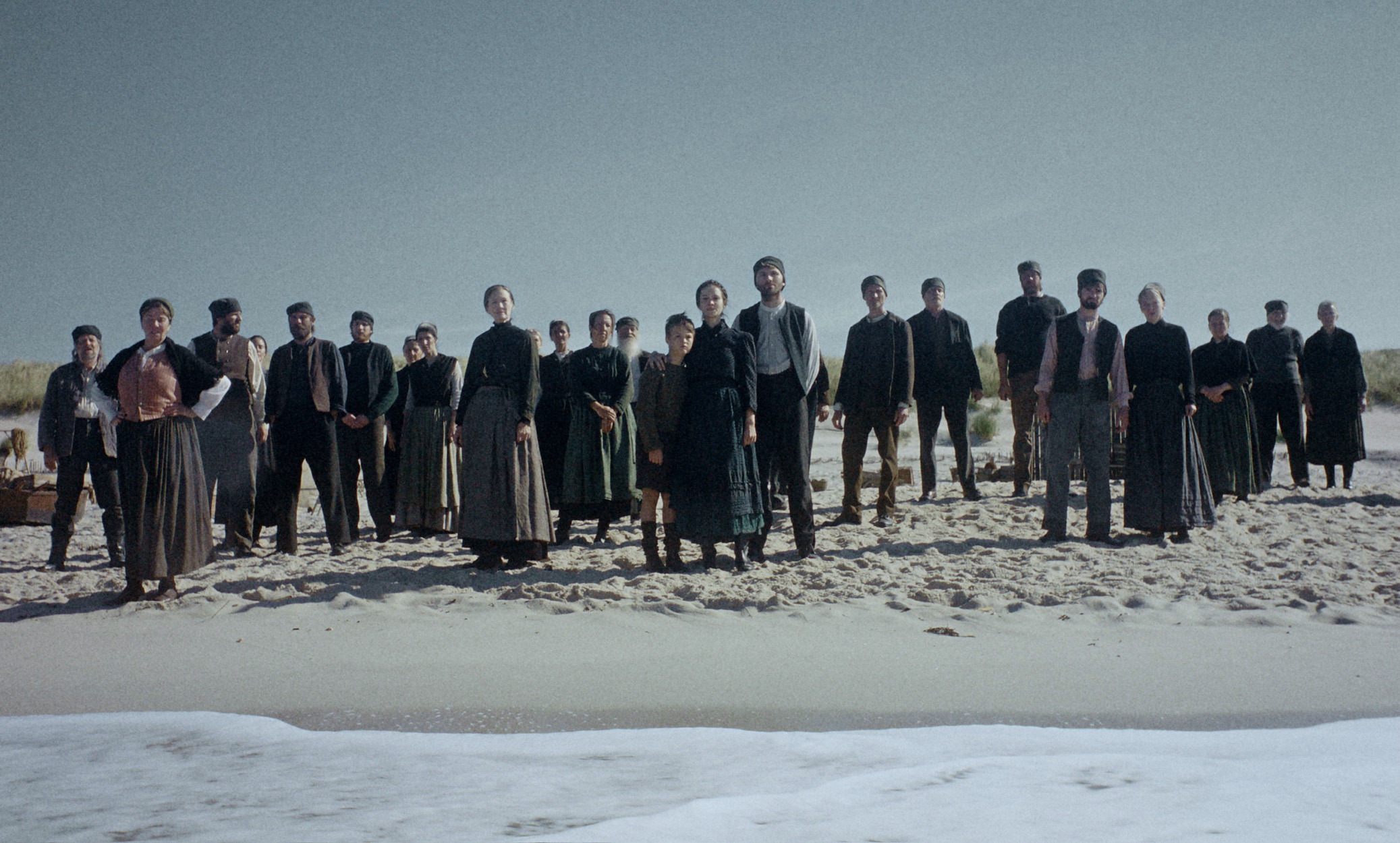
Der Heimatlose (2025), directed by Kai Stänicke, opens in cinemas on August 27, 2026. The film stars Paul Boche, Philip Froissant, Emilia Schüle and Stephanie Amarell.
Paul Boche: No, I wouldn’t say that, but it is my first leading role. And above all, it is also the first premiere of one of my films at the Berlinale. And with all this attention, I think that is what makes it so special.
PB:
The whole Berlinale was of course crazy. It was great to come into contact with so much eccentricity, so many creative people from all over the world, and art. I remember, for example, a dinner at the Feuerle Collection, where you sit among centuries-old statues that stand in the room completely without labels. You are basically eating in the middle of these art treasures. It was all very exciting and wonderful.
PB:
Yes, very well. The reviews I saw were consistently positive. Especially internationally. I also found it interesting that the film seems to strike a nerve, which really resonates internationally.
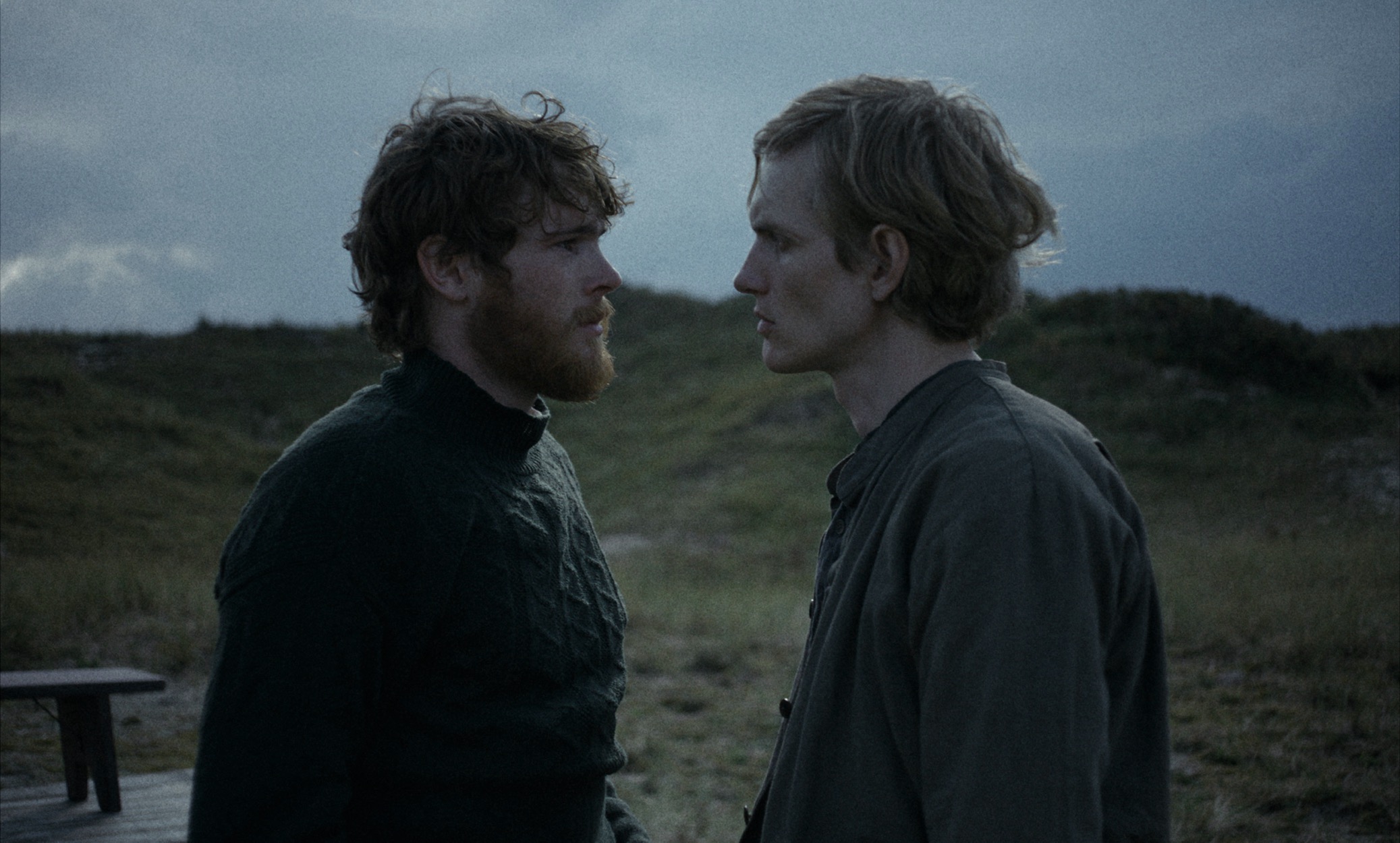
PB: I saw it beforehand in a private screening with the director, simply to know what was coming. At such a big premiere, the emotions are otherwise so overwhelming that you hardly get to actually watch the film.
PB:
Normally, when I watch something, I immediately go into analyzing my own work. But the special thing about Der Heimatlose was that at the end I turned to Kai and simply said: “He actually managed to make me forget that I was watching myself.” The story pulled me in so much that I was able to completely immerse myself, even though I was watching myself on screen for 122 minutes.
PB:
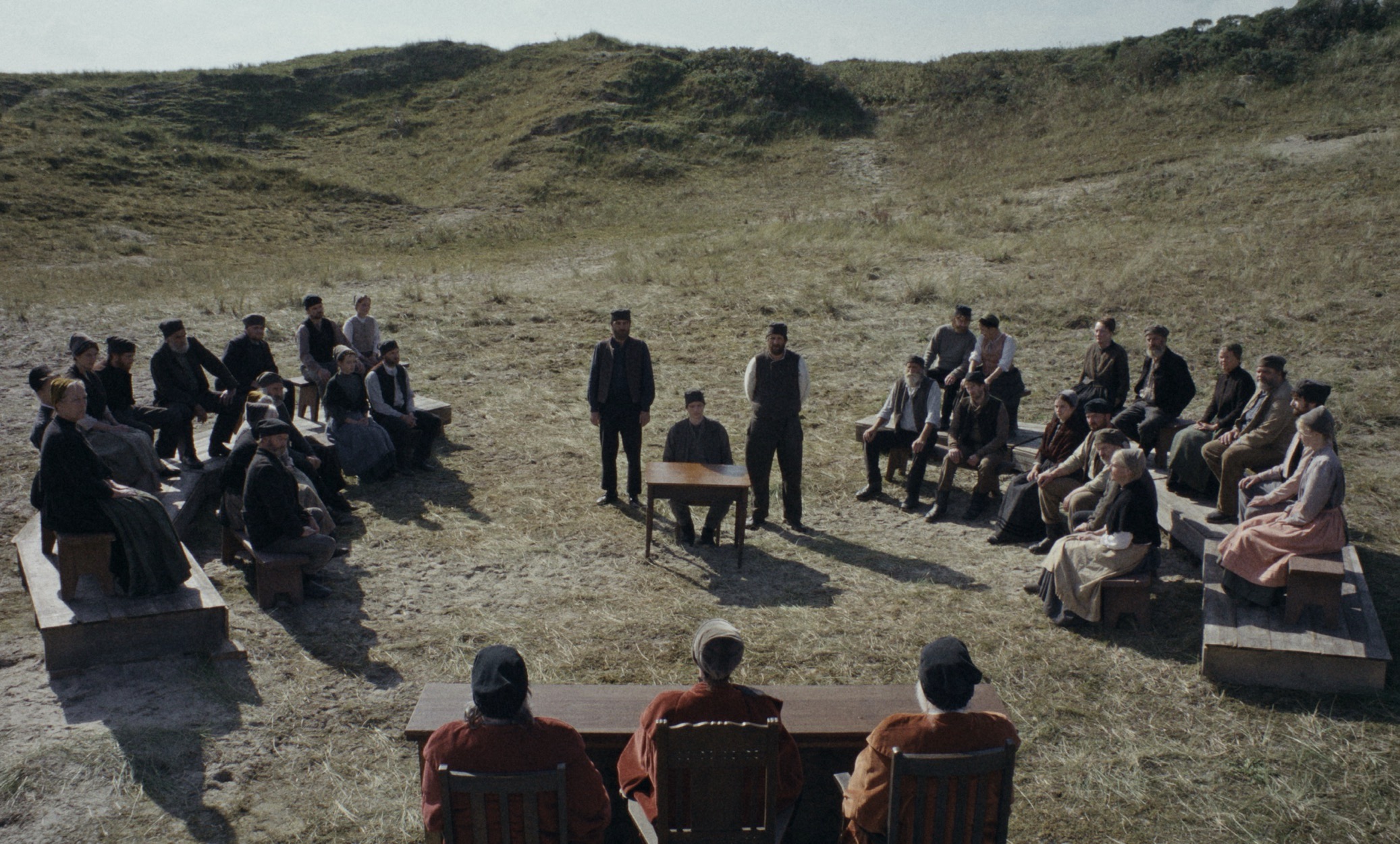
It is actually the case that this artificiality of the sets and the theatrical quality strengthen a thematic level. It is a parable, this film has something fairytale-like about it. By removing a certain realism from the production design, the themes are reinforced: In a village community, there is little space to retreat. Everyone knows everything about everyone. You are constantly subjected to observation and judgment. And when the houses have no walls and people can supposedly see right through them anyway, it reinforces the drama.
PB:
The story is based on Kai’s personal experiences. He grew up in a small town, left, came back, and realized how different their shared memories were. I know what it feels like to come back and be subjected to judgment. Questions about one’s own identity affect me deeply. But the special thing is that Kai tells a story that is so universal that many people from very different backgrounds can connect with it.
PB:
That we always shed a slightly different light on our past? I think that might even be something like an inbuilt protective mechanism, a human gift that makes life bearable. I have that too when I come home and talk to my father, for example, about growing up and say: “Sure, there were beautiful memories, but at times it was also really hard.” And they didn’t really notice that or remember it that way.
I think it has a lot to do with the fact that I didn’t adapt. For me, it is above all about issues connected to images of masculinity. I grew up as a teenager in the 90s, and the images of masculinity were brutal and toxic. There was little room for softness and sensitivity. You put on a supposedly tougher exterior so as not to stand out or be punished. I had long hair, a very androgynous appearance, and was shouted at with homophobic insults. I adapted back then because that was considered normal.
PB:
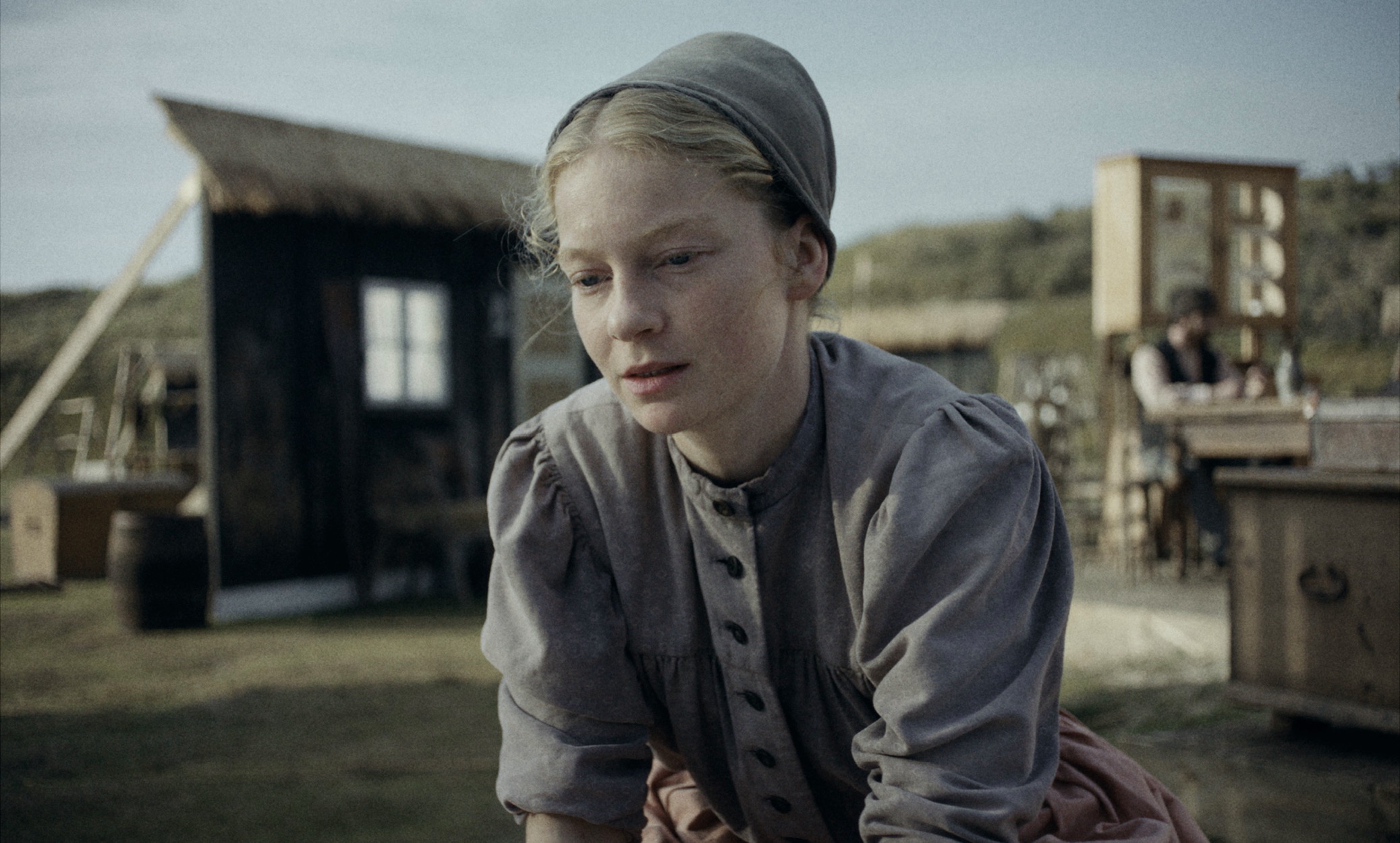
The risk of coming back is always that you hold up a mirror. People may be reminded that they once wanted to leave too and never did, or they may feel judged. With Hein and the community, there is this silence: If we don’t talk about it, it doesn’t exist.
PB:
Yes, definitely. I think a younger generation sometimes has a more immediate connection to some of the film’s themes. But the great thing is that some people instead get completely caught up in the detective story that runs through it, almost like a whodunit. That’s why it doesn’t work only for a pure arthouse audience.
PB:
My experience is that, unexpectedly, the film is especially well received at smaller film festivals in Germany, for example in the Hunsrück at the Heimat Europa Filmfest. I drove eight hours there, arrived, and first asked myself: “What am I doing here?” And then it was a great open-air screening. People come up to me afterwards and you start talking. Unfortunately, that happens far too rarely with arthouse films, that they come to the provinces, because everything is concentrated in Berlin.
PB:
Slowly, I am accepting that Berlin is my home, after almost twelve years. That is due to the fact that I started traveling very early because of my modeling job and lived out of a suitcase for many years. Thuringia, where my family is, that is where I come from. But I have realized that home is something I can give myself and that is created through my relationship and my friendships. I carry it around with me.
PB:
I think I actually feel something like an East German identity within me.
PB:
I was born in 1987, and the Wall fell in 1990. Nevertheless, I was socialized by people who came from East Germany. The people who shaped me had a strong sense of community. I grew up in a very open community, the doors were always open. There was a lot of togetherness. That is why I love film so much too, because there is something collaborative about it. When I later entered the international fashion world, I realized that it operated very differently. But that imprint connects people, you can sense it in others quite quickly.
PB:
I was in New York for seven years, lived in London, Paris and Milan, and spent a lot of time in Tokyo. In New York, from the first day I had the feeling: I am a New Yorker. As a melting pot, you don’t stand out there at all. It was always my “home away from home.” But ultimately, we carry home within us.
PB:
The desert, for example, is such a place. I know Death Valley well and the Sahara in southern Morocco. You become a little desert-crazy there, but it grounds you. It is like a small death of the ego. You simply realize how incredibly, incredibly small you actually are.
I was also recently in Westhavelland stargazing and captured the Andromeda Galaxy with my telescope at night. The light takes 2.5 million years to reach my eye. There is a galaxy there with around one trillion stars. It is a wonderful feeling to know that there is so much more than one’s own state of mind.
Absolutely. With my partner, I feel completely at home.

IN CONVERSATION WITH WISP – PHOTOGRAPHY RICHIE LEE DAVIS
Wisp’s rise happened fast. After her song “Your Face” went viral on TikTok, the San…
TO WATCH “HIDDENSEE“ BY ANNEKATRIN HENDEL
They say Hiddensee is the kind of place that stays with you: once you have been, you…
TO WATCH “THE LIGHTS, THEY FALL“ BY SAŠA VAJDA
Amidst the millions of lives unfolding daily in Berlin, a particularly painful one unfolds…
IN CONVERSATION WITH RENAUD SALMON
In conversation with Numéro Berlin, Renaud Salmon reflects on building a luxury house…
TO WATCH “FINDING CONNECTION“ BY FLORIAN KARNER
Saying „This is what I love about you“ to someone, and a computer responds? Florian…
WEEKEND MUSIC TIP PT 104 BOONDAWG
Whether it be headbangers such as “Gangsigns“, prayer-like reflections in “Ghetto…