
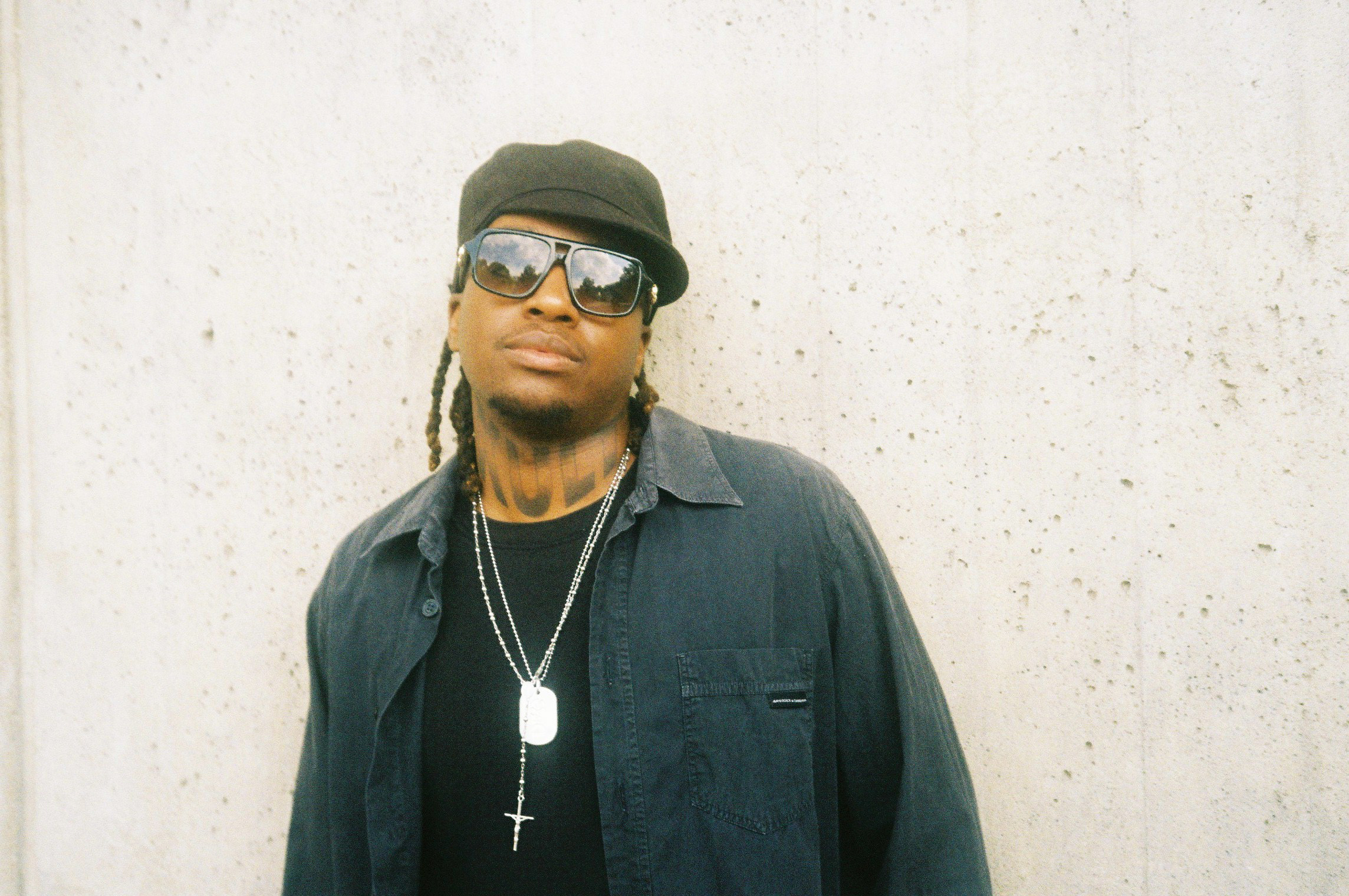
“I actually stopped using the word “dream” a long time ago.“ – In Conversation with Boondawg
Boondawg has been carving out his career for over 10 years now. Due to heavy Hip Hop influences during his childhood and youth, it came naturally to the Düsseldorf-born-and-raised artist to rap in English. Only in 2023 did he switch to German rap – and blew up. Whether it be headbangers such as „Gangsigns“, prayer-like reflections in „Ghetto Gospel“, or energetic features with Souly in „Igotthisfeeling“: Boondawg saw what Germany’s rap scene was missing and, without further ado, created it.
He keeps high standards for himself and his music. Creating for the sake of creation, rather than chasing hype or trends. In his lyrics, he is not afraid to point out political injustices or shine light on the ugly side of the industry.
For our interview, I was initially hoping to get the album release date out of him. Instead, I learned that Boondawg became a father last year. So we talked about fatherhood, hype culture versus an actual understanding of quality, the everlasting loyalty to NRW, but then, of course, also the album.
Boondawg: I can’t say yet, but definitely this year. It’s not completely finished yet, we’re probably around 70%. But this is also the time where we’re increasing the pace, doing the final touches and everything.
B: My projects are always a reflection of my life and the things I experienced during the period when they happen. This is the first time where I had a bigger overall vision for an album and a message that I want to give people.
In a very general sense, it’s about hardship, the challenges and difficulties you have in life, and the beauty that comes from them. That’s the main idea of the album.
It’s also kind of the red thread that runs through my own life. You have a goal, then a lot of challenges come your way. And when you reach that goal, or arrive at a certain point, you recognize the beauty in the path you’ve taken.
That’s what the album is about and also what I want people to take away from it. Just because you have a difficult or long journey doesn’t mean it’s automatically something negative. It can actually be something positive, depending on how you look at it. You can learn a lot from it and take a lot with you.
B: Godspeed is kind of a duality in this case. The word itself comes from Old English. It was used to say something like “may God accompany you on your journey,” especially when someone was starting a new path.
And that’s obviously also relevant because I recently started a family and became a father.
B: Last year. And that’s where everything started. The whole vision for the album also developed from that. Not in a very obvious way, like “hey guys, I had a child,” that’s not what the album is about, but it obviously changed a lot inside me.
That’s the obvious meaning behind the album title. But on the other side, when I break down the word Godspeed, I understood it as “God’s speed” before I even knew that this old term existed.
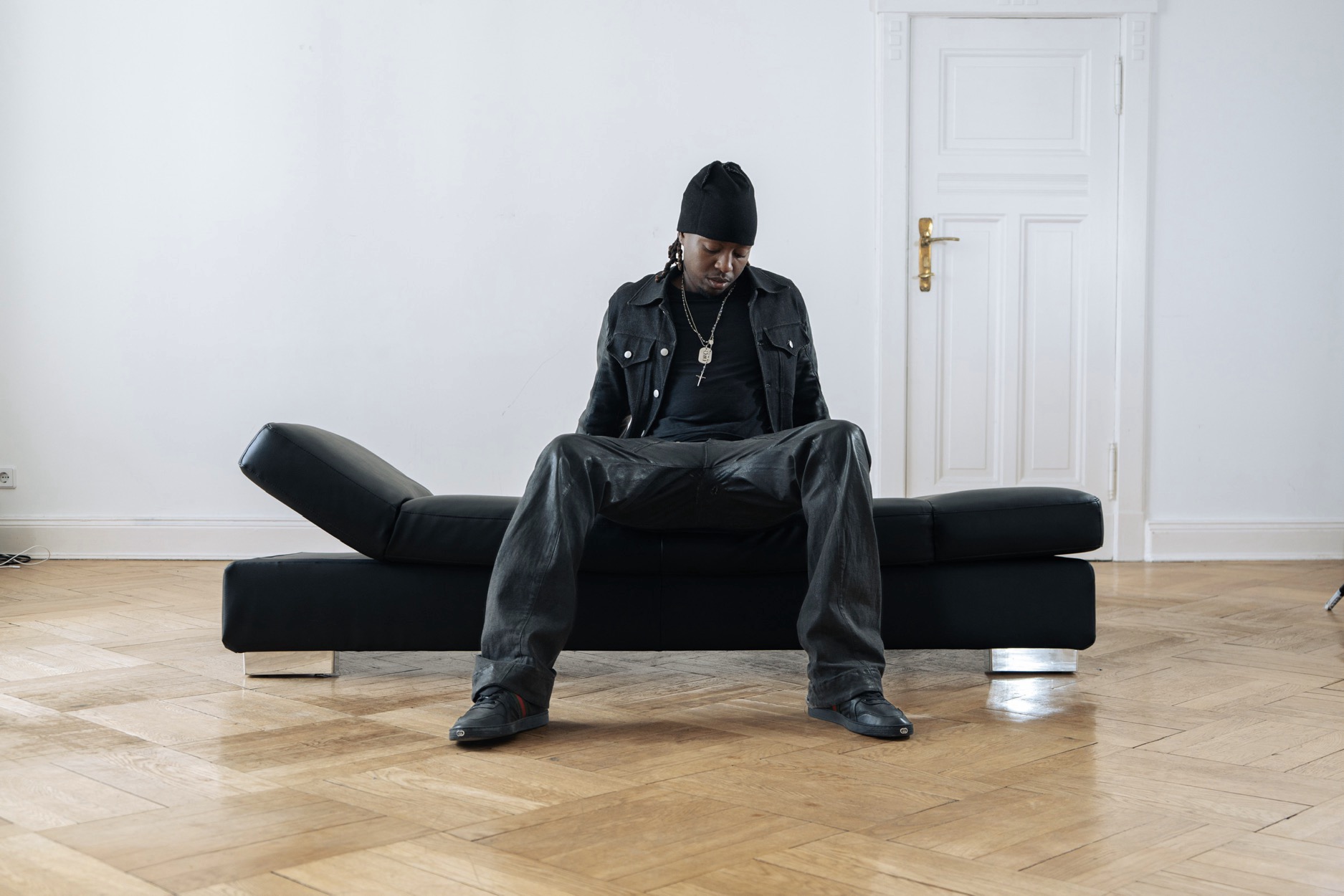
Having a child has brought my life much more to the point of understanding what I want to do and who I want to be.
For me, that means God’s timing. Not too fast, not too slow – those things don’t really exist. There is only the perfect timing. One person might reach their goal faster, another slower, but your path is always the path that is right for you.
That’s the duality that feels very present in my life right now: becoming a father and building a family, but also the career path I’ve been on for more than ten years.
B: 27.
B: Amazing. I think it’s the craziest thing I’ve ever experienced. On one hand, it’s very demanding. On the other hand, it’s extremely inspiring, motivating, and challenging.
It also keeps me grounded. It makes sure that I keep looking forward and don’t get distracted by everything happening around me, which can happen very quickly.
Especially in our scene, especially at our age and in our generation, I think it’s harder than ever to find what is actually important to you when there are so many distractions and influences.
Having a child has made that much clearer for me. It has brought my life much more to the point of understanding what I want to do and who I want to be.
B: Absolutely. A balance to everything, actually. Society is so fast-paced and constantly demanding something from you.
Then you have this child who just loves you. Unconditionally.
B: I think you can understand it best if you’ve actually been there or lived there.
B: Oh, you’re from Essen? Then you get it.
For me, what makes NRW special is that you have so many different cities. Different cultures, but also so many different perspectives.
I feel like if you grow up in NRW, you experience so many different sides of life. Of course, you haven’t seen the whole world just because you grew up there, but in a way you already get a small feeling for it because you’re exposed to so many different perspectives.
And you only have to drive 20 minutes further and you’re in a completely different reality.
I’m from Düsseldorf. If I drive 20 minutes, I’m in Mülheim or Duisburg – completely different worlds, completely different people. But you also see both the beautiful and ugly sides. You have everything there, and that shapes you a lot.
B: For me, that has always been part of hip-hop. Hip-hop is very representative. You represent your street, your city. It starts with the street and then it gets bigger.
Especially when you look at American or French artists, I think it’s just that spirit. At least for me, that was always the spirit of the artists I looked up to.
When I started listening to hip-hop seriously, whether it was Kendrick rapping about Compton, Drake about Toronto, Kanye about Chicago, Joey Bada$$ about New York, Rocky about New York and specifically Harlem – I always thought that was powerful.
You could feel how they brought their city and their people with them. That energy was crazy to me, and I wanted to do something similar.
When I was younger, there was always this BTM-Squad. They were basically a street crew, and they also made music. When we were kids, we thought they were incredible. We wanted to be like them, even though looking back they weren’t necessarily doing something positive. Their situation was actually very difficult and they were involved in a lot of criminal things.
But for us, that was our world. That was our horizon. That was what we wanted to be.
After that, there wasn’t really anything like that in our city for a long time. So when I started making music, I thought: that’s what I want to do.
B: Good question. Düsseldorf is a very superficial city.
B: But where I come from, it wasn’t really like that. Still, you experience that duality.
When you get older and you’re a teenager, you start meeting people from other parts of the city. Then you realize that for some people it’s all about who has the best designer clothes, whose parents drive the nicest car, or who lives in the biggest house.
That was always very present. Of course, that influenced you. But at the same time, at home it was never about that. Never. Not with my friends either, from where I come from. So you had this duality, and I think it shaped you. It made you ambitious.
Maybe when you’re younger, sometimes for the wrong reasons – wanting money, wanting to show off, wanting to impress people. But you definitely knew that you had to do something. You had to achieve something special.
And that spirit is still there today. The only problem is that, in my opinion, people often do it for the wrong reasons. They do it to impress others. It’s important that somewhere along the way you change your perspective and understand what it’s really about, because that’s actually not the reason you should be doing it.
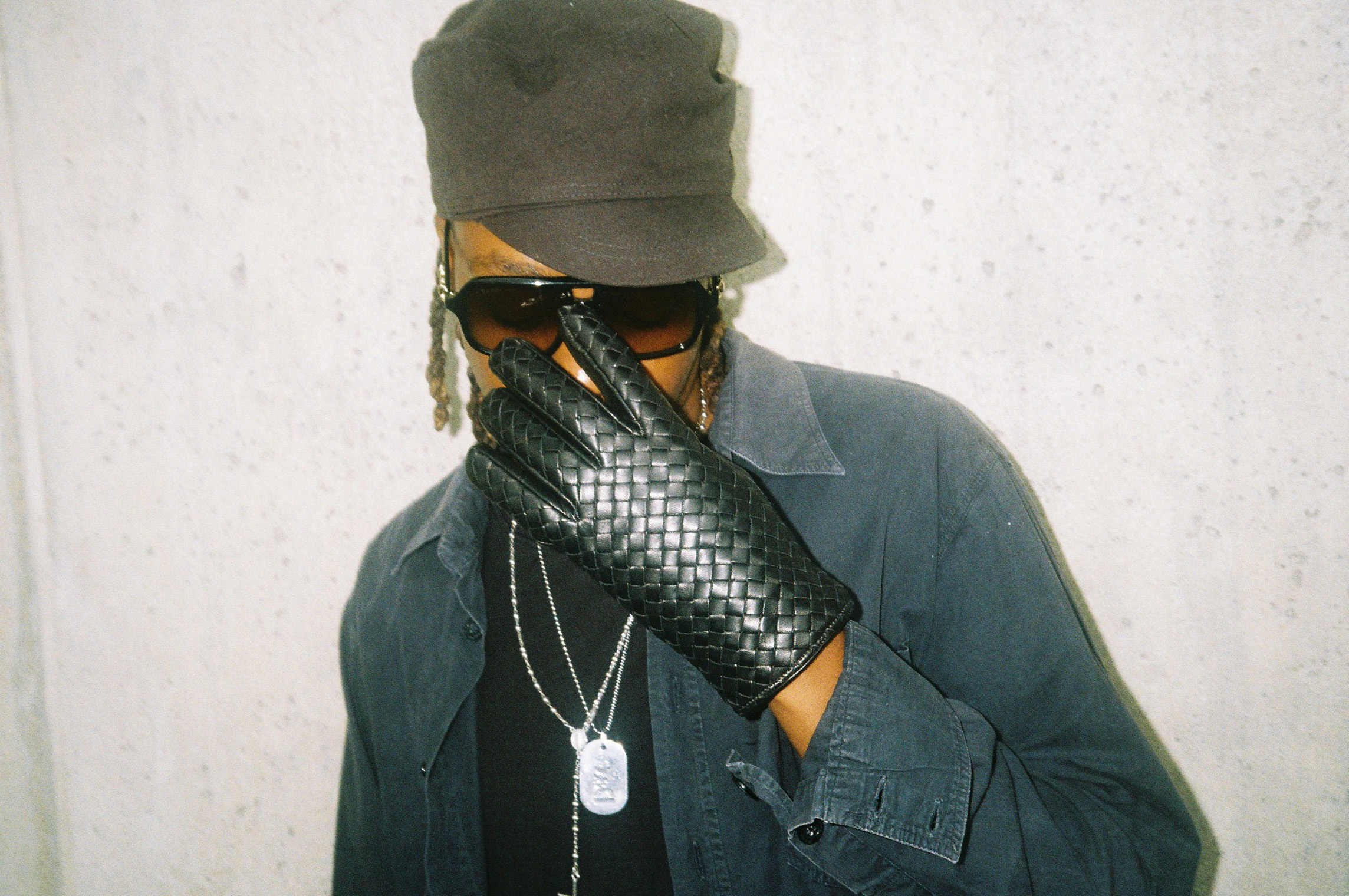
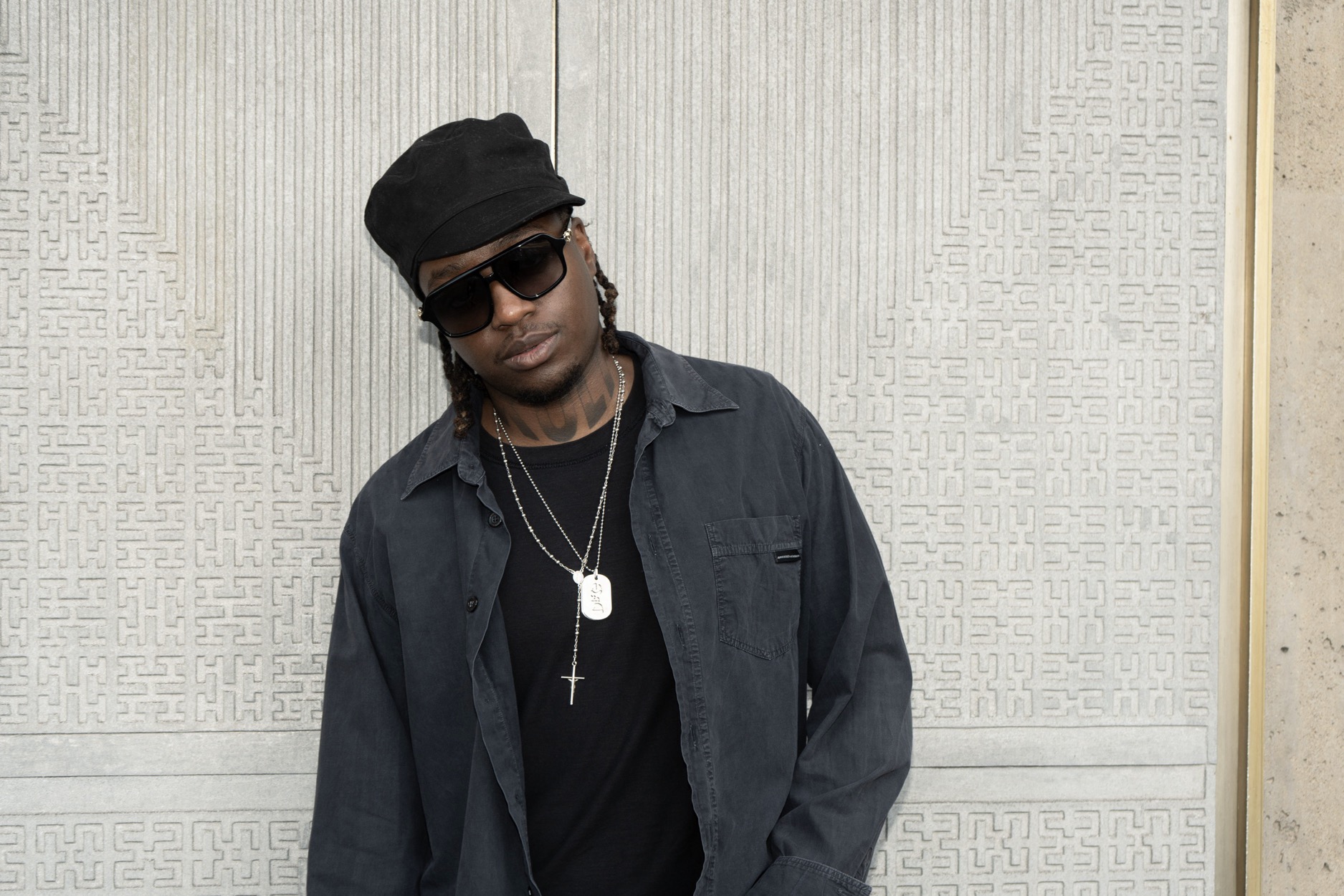
B: Yeah.
B: A lot. I’m already very settled. But that’s mostly because of where my people are, where my friends are. My day-one homie, who I also work with, is there. My family is still there. So permanently moving away isn’t really an option for me. But I love travelling. I love being away for longer periods of time. Now that I have a child, though, it’s definitely time to settle down a bit.
B: I would say taste. Even though, from the outside, we are obviously different artistic personas. We actually work with the exact same producers, and that was intentional. It’s not because we don’t have other options. We’re both in the same management, but we could both work with whoever we wanted. We’ve been working with the same producers for years because I think we have a similar taste when it comes to picking beats and things like that.
So I would say our taste level is very similar. That’s also something I really appreciate about him. He has an incredible sense of taste, and everything he does fits him 100%. That’s what it’s about. That’s also the standard I have for myself. It’s not about everyone liking what I do. It’s about everything I make fitting me 100% and being completely uncompromising. I think that’s something we have in common: being uncompromising with our lives and our art.
B: That American influence is actually a difficult topic for me because, over time, I’ve tried to separate myself from it a bit. It was just so present in my life because I was such a huge hip-hop fan. I listened to rap all the time and really immersed myself in it. That started when I was around 14 or 15. So naturally, the influence was very big.
But it was always important to me to develop my own identity and understand that it’s not about copying people. Especially because that’s something that happens a lot and is very present in Germany – just taking the American sound.
At some point, it stopped being about being inspired by the American sound itself. It’s simply that there are artists from America who I love and who inspire me. But it’s not about adopting a personality that doesn’t fit me, pretending to be someone I’m not, copying how they act, or rapping about the same topics they rap about. It’s about taking the musical influences, the sounds, the phonetic elements, and then creating my own thing from that. Bringing in my own experiences and my own personality. That has always been and still is very important to me.
B: I think it’s just a process. In the beginning, it wasn’t like that. Back then, you did a lot of things and said a lot of things that were just nonsense. But when you listen to something constantly, all day, every day, it stays in your head. Then you write something and think, “Wow, this line is crazy,” but actually it’s just exactly what another artist said. It doesn’t fit your life at all or it’s not something you would actually do. At some point, it becomes about asking yourself: Who do you want to be? Who do you want to speak to? Especially because I’m someone who thinks a lot about purpose and my own purpose. What is my purpose?
What is my contribution to the fans who listen to my music and support me? What do I want to give them in the end?
What do I want to stand for? That’s really the main thing.
B: I can definitely imagine it, but my full focus is on Germany right now. I always feel like Germany hasn’t really found its own taste yet. And I include myself in that – I’m not excluding myself. I think the German audience still doesn’t have this strong awareness for art within society.
And I’m not talking about my own bubble or the people who listen to me. I mean the wider public. It’s about having an understanding of art.
If you look at France, the UK, or America, and this is not supposed to be Germany-bashing, there are just so many unique artists that people are trained to differentiate. Here, sometimes I feel like people can’t really distinguish things. For example, if someone has a similar look, or if one person uses Auto-Tune and another person uses Auto-Tune, people immediately think it’s the same thing.
Everything gets put into categories. There’s also this follower mentality: “Everyone likes this, so we all like this.” instead of people really forming their own opinions. And that only happens when artists actually develop their own identities. The more unique artists we have, the more variety there is. And the more variety there is, the more society learns to recognize and appreciate different things. Sometimes I feel like really complex and impressive art isn’t always fully appreciated or understood, even when it’s successful. But maybe that’s just my perspective because I take it very seriously.
B: No, not at all. That’s exactly what I mean. It’s about art in general. Whether it’s fashion, for example. I feel like things are often just consumed. Let’s say you have a brand and your brand becomes overhyped. Whether you drop a tracksuit or whether you spend two years working on one piece with hundreds of details – in the end, people only care about whether it sells out or not. If the brand is hyped, people will buy it anyway. But it’s not about the consumer being able to say: “This is my taste, this is not my taste.”It’s just buying, buying, wearing, wearing – regardless of whether it actually fits the person. There isn’t always that deeper, more individual perspective.
B: Dream or goal… I actually stopped using the word “dream” a long time ago.
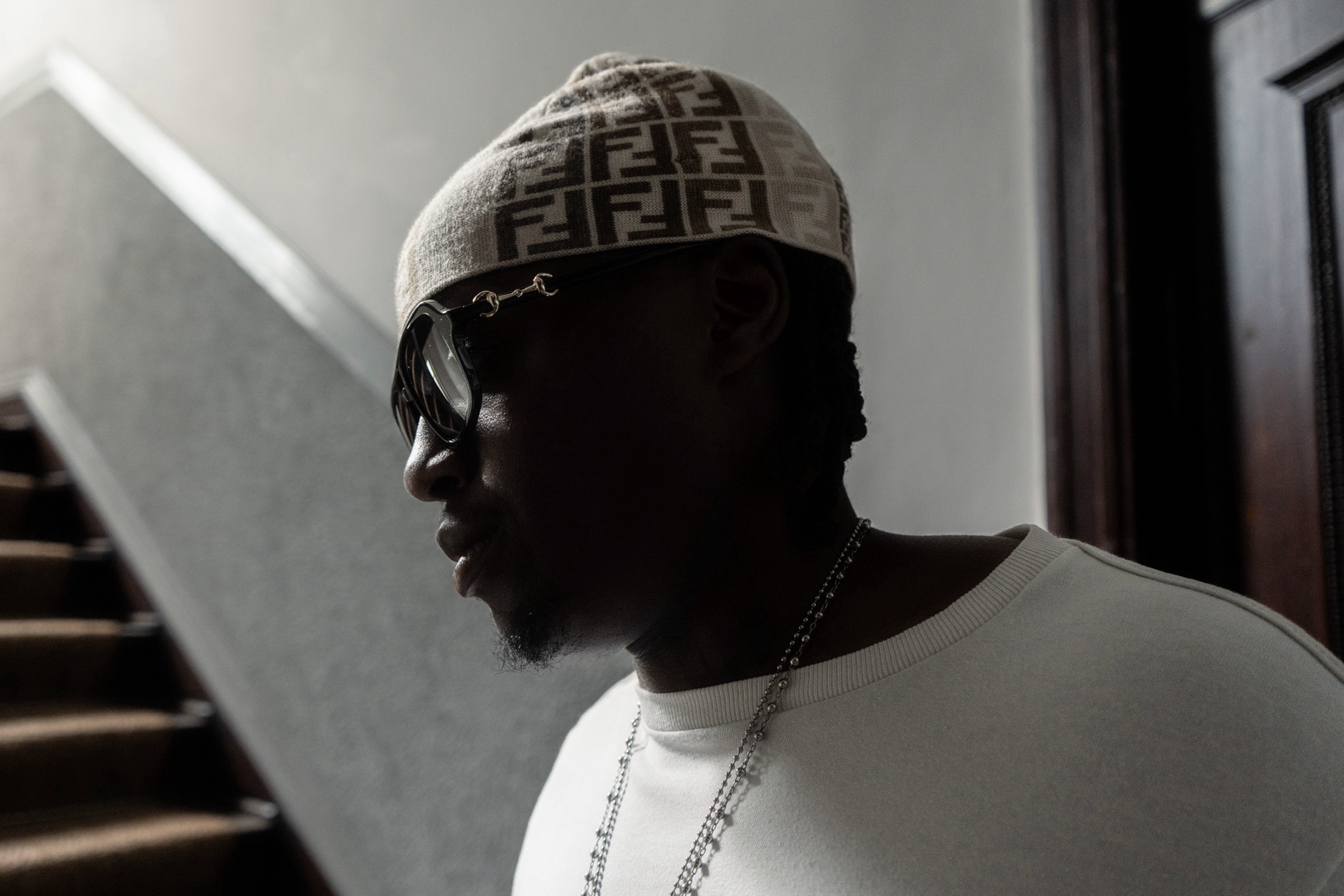
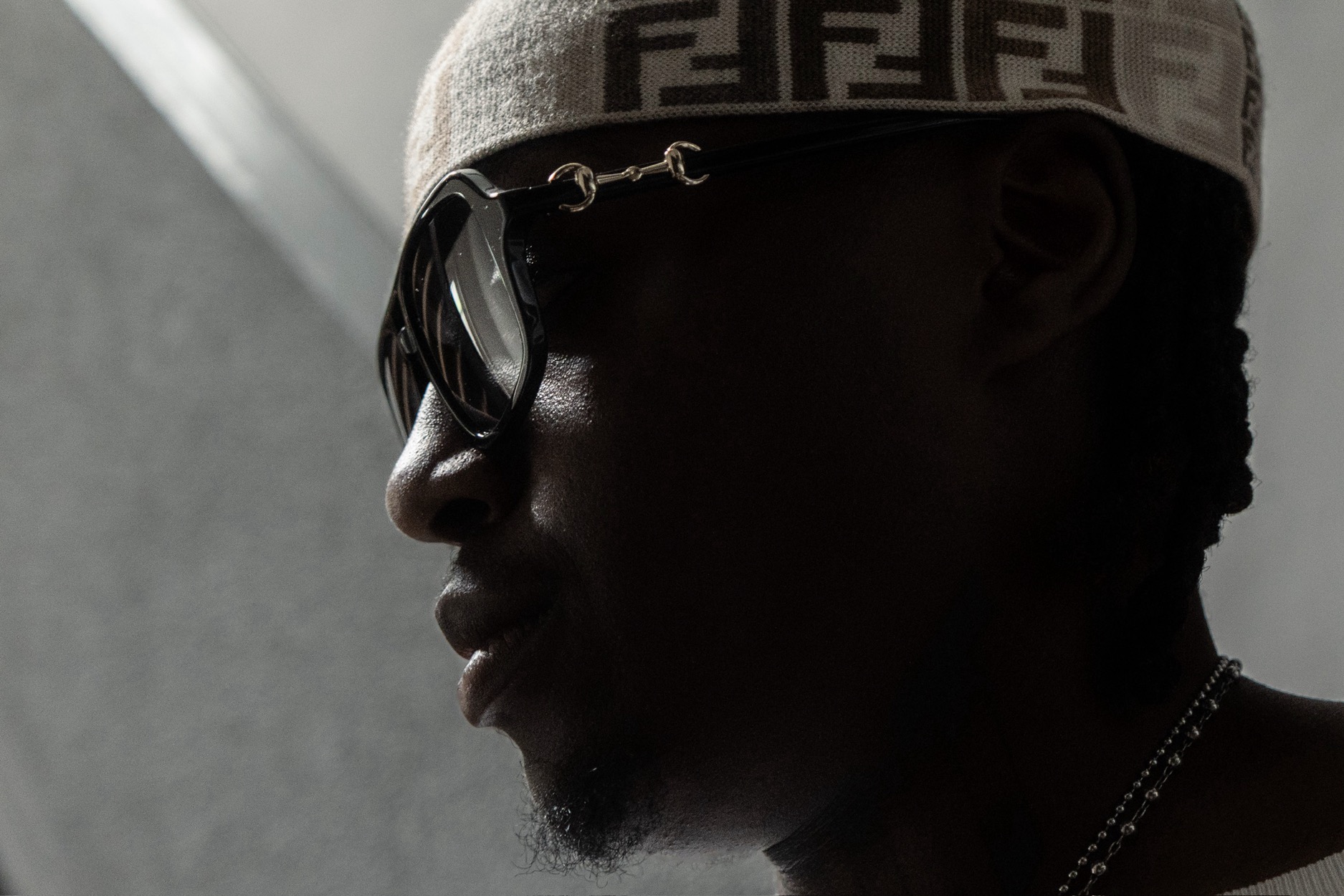
B: Yeah. If anything, I only have goals. I don’t really have dreams anymore. I think when you call something a dream, it immediately feels like something unrealistic or far away. For me, there is nothing that feels impossible – at least when it comes to myself. If I imagine something, I think: I can definitely achieve that. But at the end of the day, they are just words. I feel like the word “dream” always makes something sound like it’s very far away. Parents always talk about dreams, like: “Yeah, I had dreams too,” you know what I mean?That’s why I definitely have goals. But nowadays, I let most things happen naturally. I always give 100%, and for me it’s more about what I’m saying and making really high-quality music. That’s the most important thing. But one thing that is always in my head is that I want to play the Mitsubishi Electric Hall in Düsseldorf. That is definitely a goal of mine. But it’s also kind of the only one because it’s my childhood dream, going back to dreams.
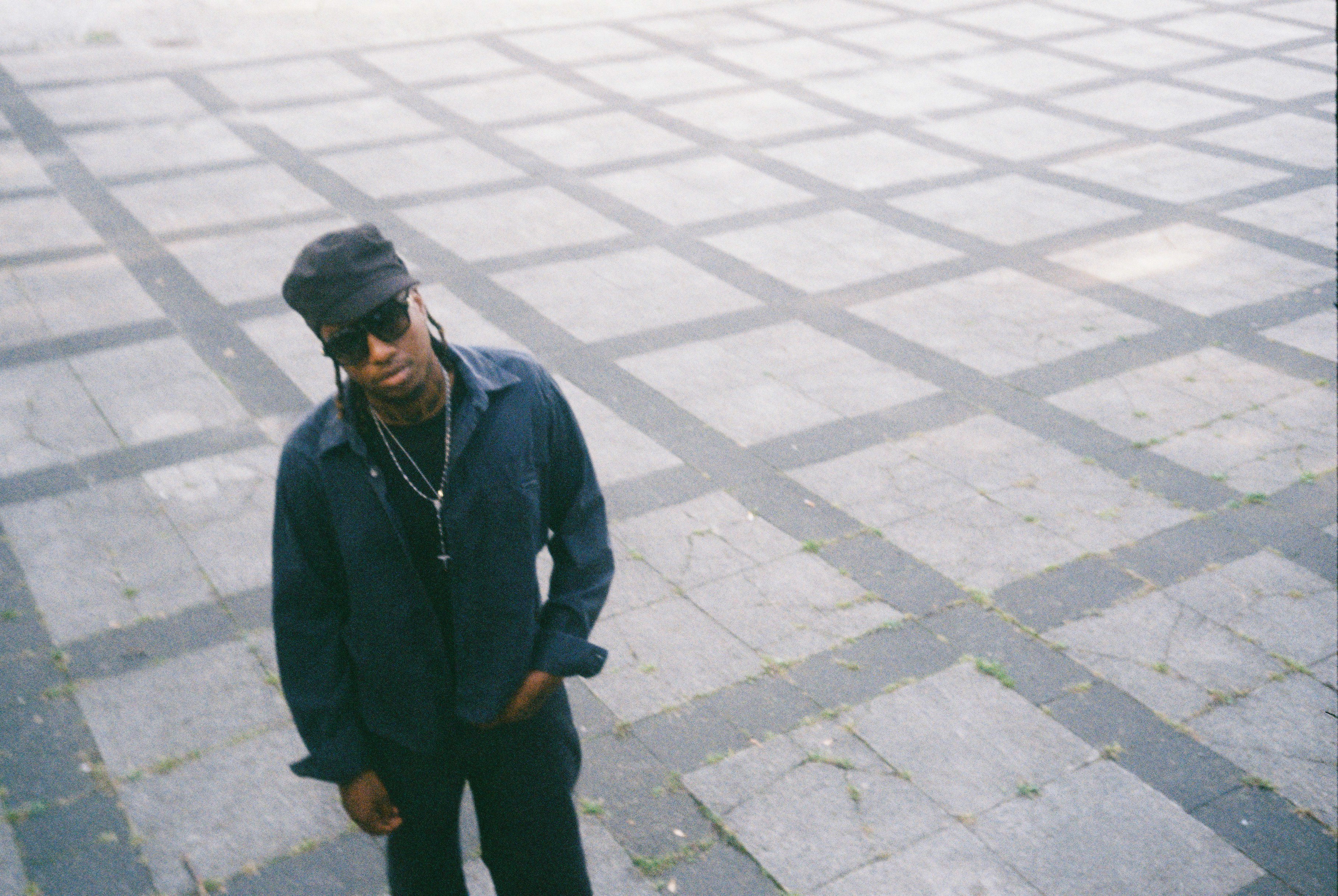
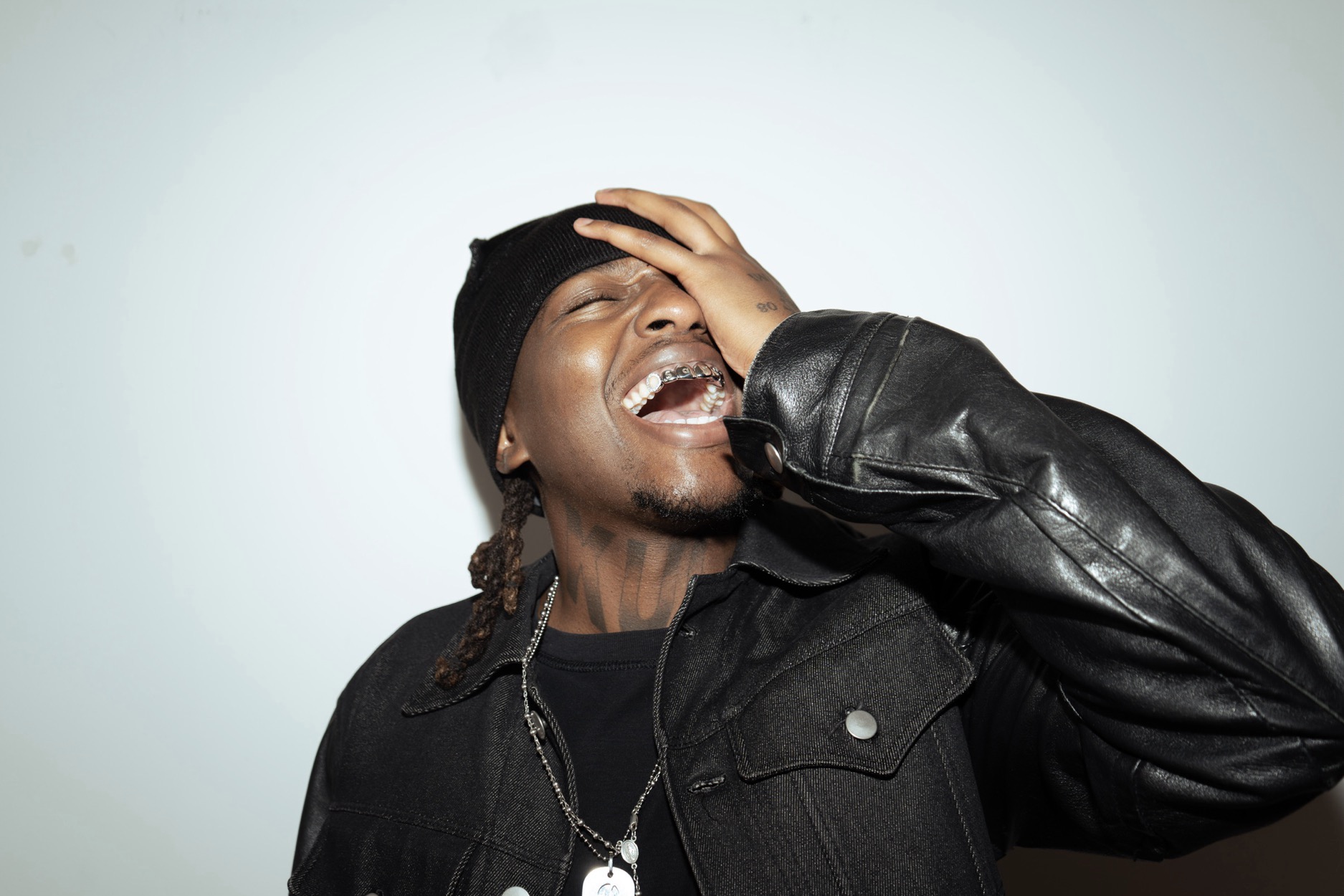
B: True… But it’s a childhood dream that I haven’t let go of. But everything else is more like… I’m already living the dream people always talked about. Now it’s just about seeing how far we can still go.
B: I think making my parents proud. Getting to the point where my parents can relax and trust me – that’s probably my biggest achievement. That was the biggest fight.
B: No, they were always supportive, actually, but in their own way. It was never dramatic. They let me do my thing, but they always wanted me to do something else. I was studying and everything, so I think it’s the classic story. I didn’t want that, and that was always the conflict. It took some time until they truly trusted me. But I can understand that because it’s kind of their job as parents to guide me through life. So when I eventually realized, “They’re actually proud of me,” that was a really great achievement.And now I’m happy that I’m doing what I’m doing. I’m also happy that I didn’t listen to them, you know? That’s probably one of my biggest achievements. Apart from that, just standing on my own two feet. Having my own apartment, having an underground garage – things like that.Those things have more meaning than you might think.You kind of come from nothing, and then you’re suddenly in this speedrun, this tunnel, for years, always moving forward, and you never really stop to look back at what you’ve actually achieved.
B: My album, Godspeed.
B: The last 30 percent. That’s always the worst phase.The cortisol levels are extremely high. And then the tour in 2027. A lot of things are happening in 2027 that I can’t talk about yet. But this year there’s still a lot coming. And 2027 will probably bring just as much. The next year and a half are definitely going to be wild.
B: Thank you for your time!
I’m already living the dream people always talked about. Now it’s just about seeing how far we can still go.

TO WATCH “THE BEAUTY OF BALLROOM” BY CHAN SZE-WEI
Ballroom was born in New York in the early 70s: It was here where members of the Black…

IN CONVERSATION WITH SOFIE ROYER
With her new album before/after, Sofie Royer looks at the conflict of you versus you: the…
WEEKEND MUSIC TIP PT 110 IDER
IDER consists of Megan Markwick and Lily Somerville, who met while studying Popular Music.…
IN CONVERSATION WITH JOEL EVEY & NICK FROSST
What happens when AI steps out of the tech world and into Berlin’s creative scene? At…
IN CONVERSATION WITH LEON EMANUEL BLANCK
His work is defined by an inherently asymmetrical approach, working directly from the…

WEEKEND MUSIC TIP PT 109 DAHI
He produced some of the most recognizable hip hop tracks of this century, from Kendrick…