
ARNAUD FRISCH BRINGS PARIS’ SILENCIO CLUB TO BERLIN
Fifteen years ago, Silencio opened its doors in Paris and quickly became a landmark for the city’s creative community. Its founder is French entrepreneur Arnaud Frisch. To mark its 15th anniversary, Silencio is bringing its concept to Berlin with a temporary pop-up in the former Watergate space. Opening on 30 October 2026, Silencio Berlin will bring together music, art, cinema and design while connecting with the city’s creative scene. Following the opening party, our Deputy Editor in Chief Antonia Maria Schmidt sat down with Frisch to talk about Berlin nightlife, the idea behind the new space, his long-standing friendship with Mumi Haiati and the evolution of Silencio over the past 15 years.
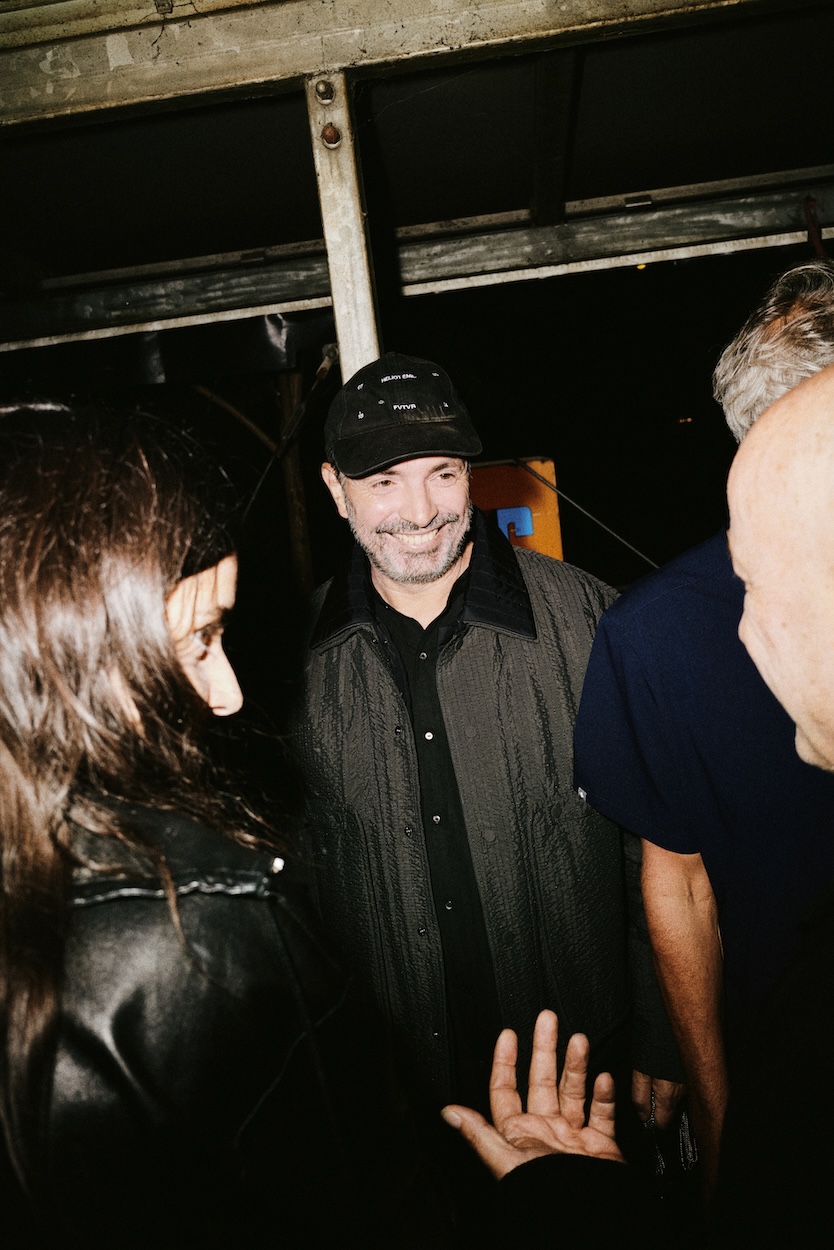
Antonia Schmidt: You’ve already done several pop-ups in other cities. Why now Berlin?
Arnaud Frisch: In Berlin, club culture has historically functioned as a cultural form in its own right, bringing together music, performance, visual culture and communities in an organic way. In that sense, Berlin feels very close to something that has always been central to Silencio.
AS: Nightlife as well.
AF: Berlin is the model. This city has inspired the rest of the world. I have great admiration for the clubs here, the ones still running and the ones that are gone, and not only for the music. What Berlin built is a place where individual freedom is taken seriously, where people are protected and where everyone is allowed to be whoever they are for a night.
AS: Watergate specifically is a great location.
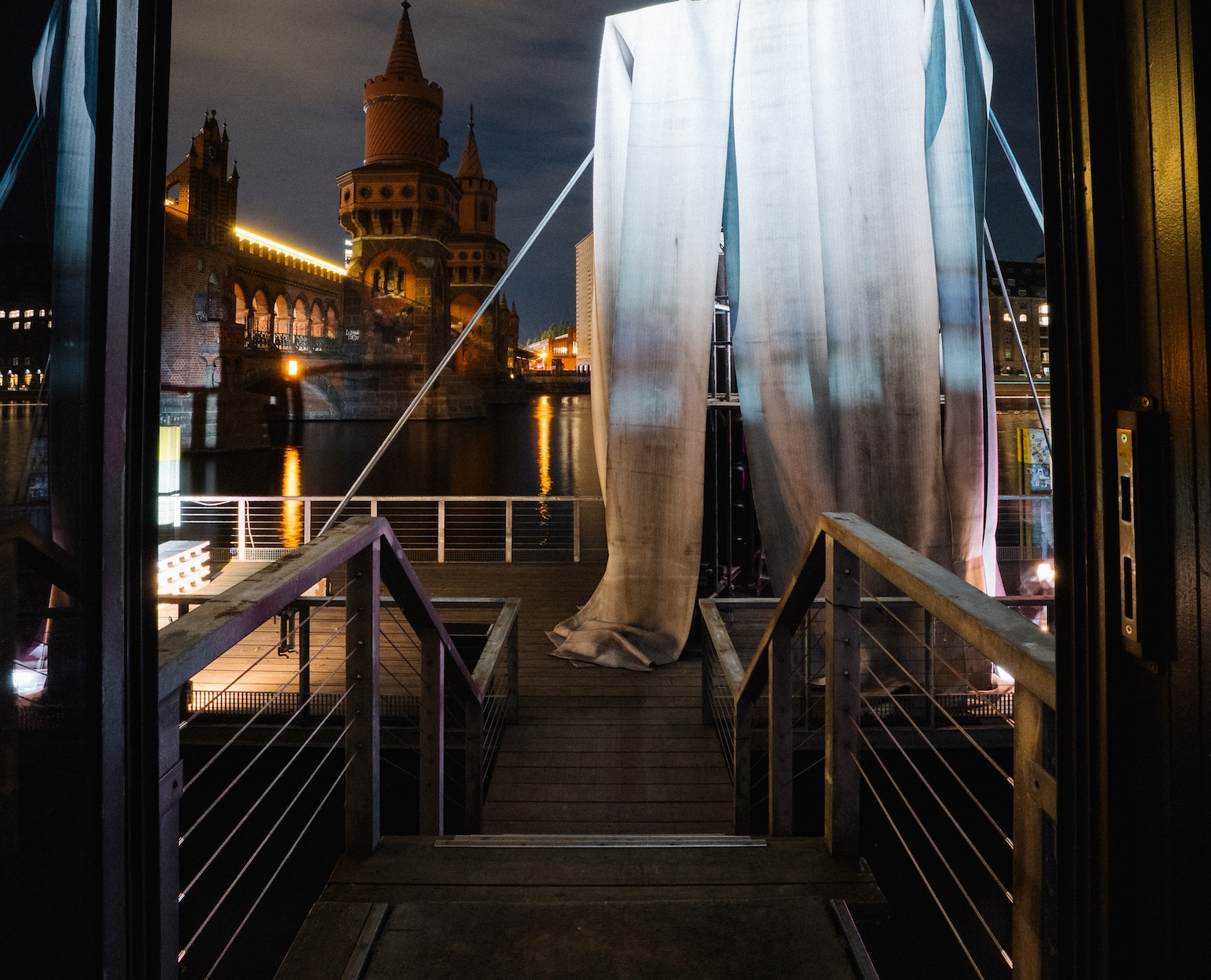
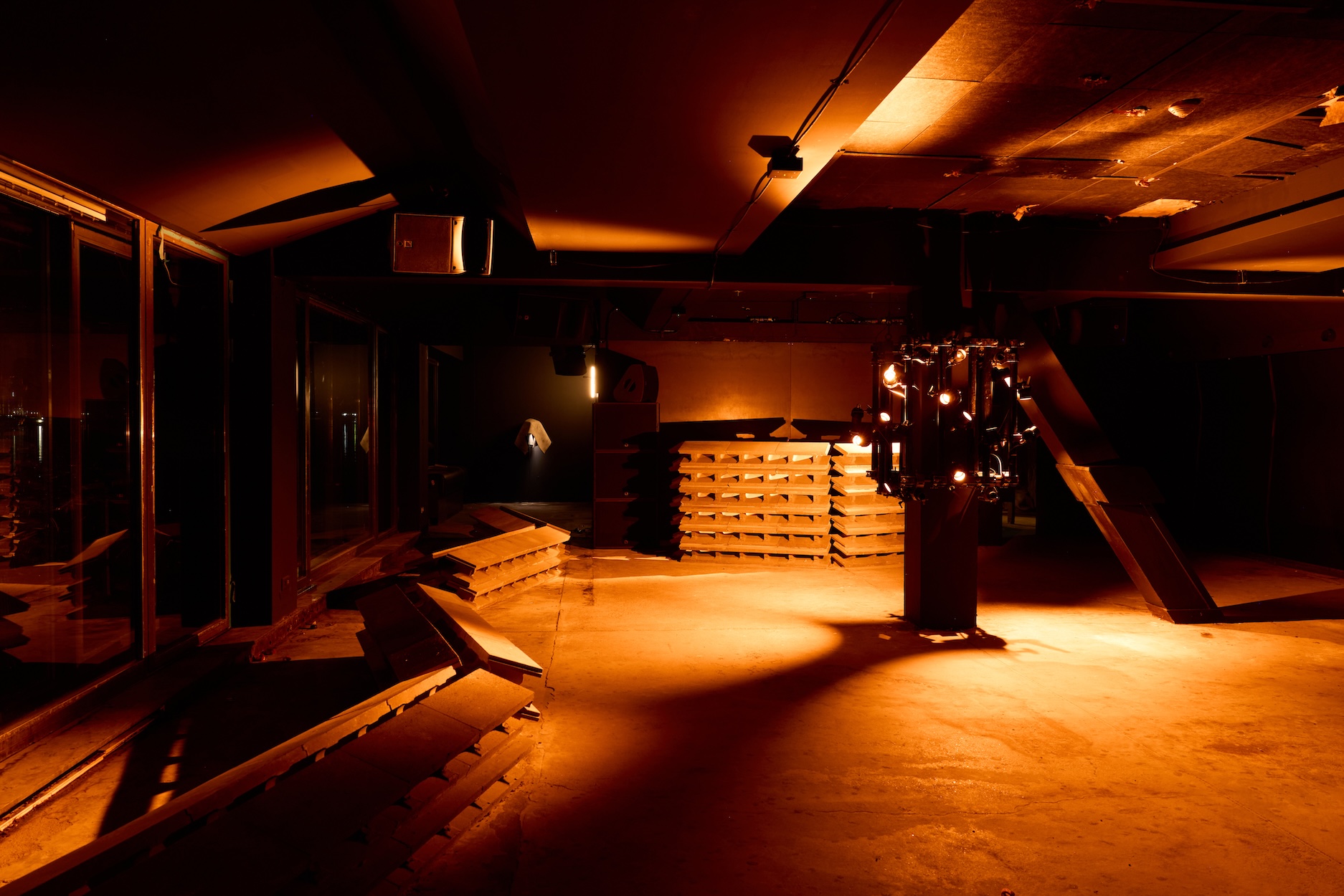
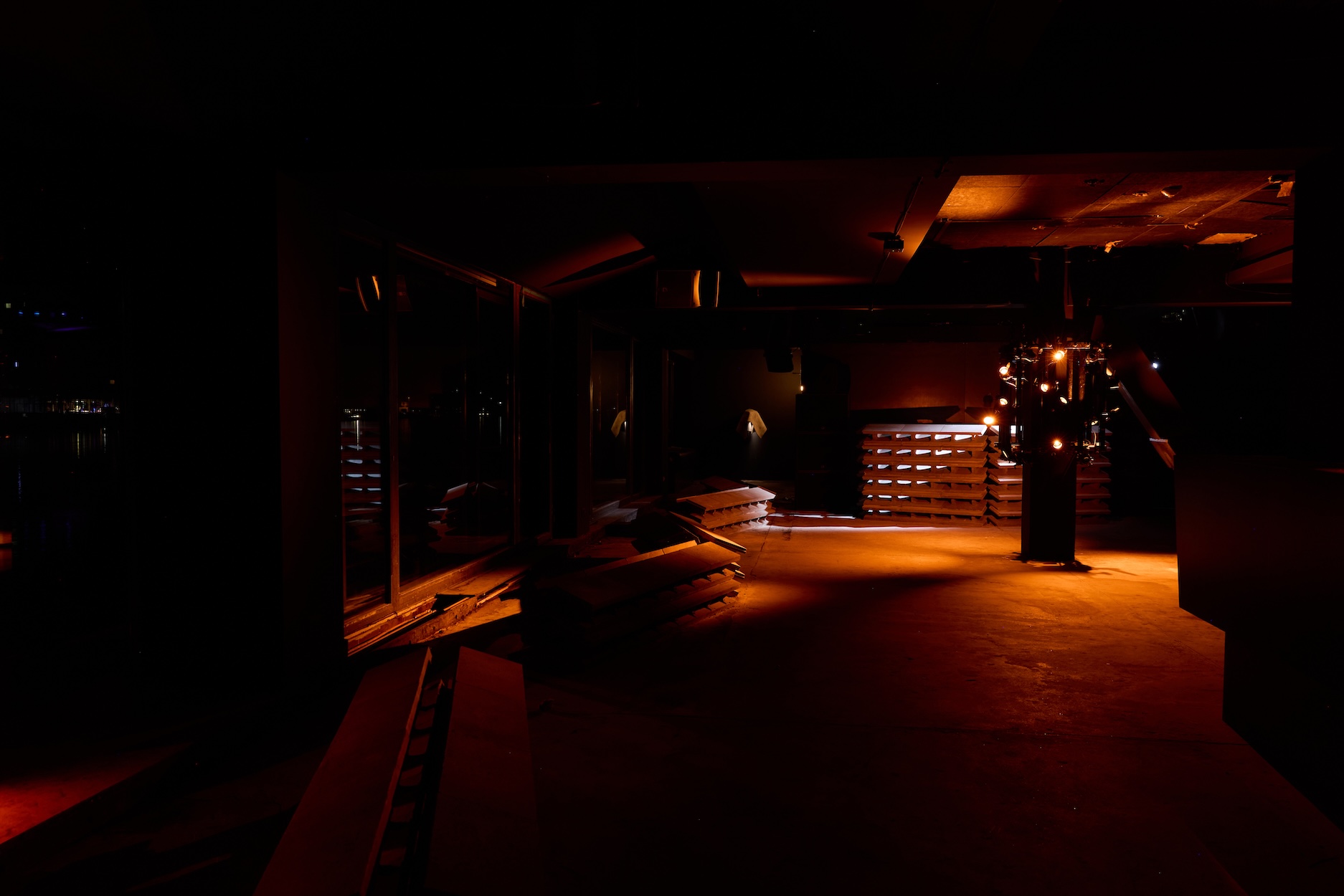
AF: Watergate is a landmark, and taking over a room with that history is intimidating. It drew its own path to the city with that window onto the Spree. Anyone who has watched the sun come up over the water from the lower floor knows it. Its closing was a real loss for Berlin. What mattered to us was that it stays a club rather than becoming offices.
AS: Can you tell me a bit about the program already?
AF: Cultural programming is the centre of the project. In Paris, beyond the club nights, we run carte blanche invitations, art performances, concerts, installations and talks. The first Berlin night already gave a sense of it: a performance by Valentina Magaletti, DJ sets from Richie Hawtin and Ben Klock, and a limited-edition military tag by Maurizio Cattelan given to everyone who came.
AS: Berlin has this quality, where all these different scenes are already so connected to each other. The music scene overlaps with the fashion scene, the film scene… A lot of people are already in exchange with each other.
AF: In Paris the scenes overlap, but they’re vertical. Everything passes through institutions, and each world has its own gatekeepers. Berlin is horizontal. People collaborate before anyone has given them permission, and that changes what a night can be.
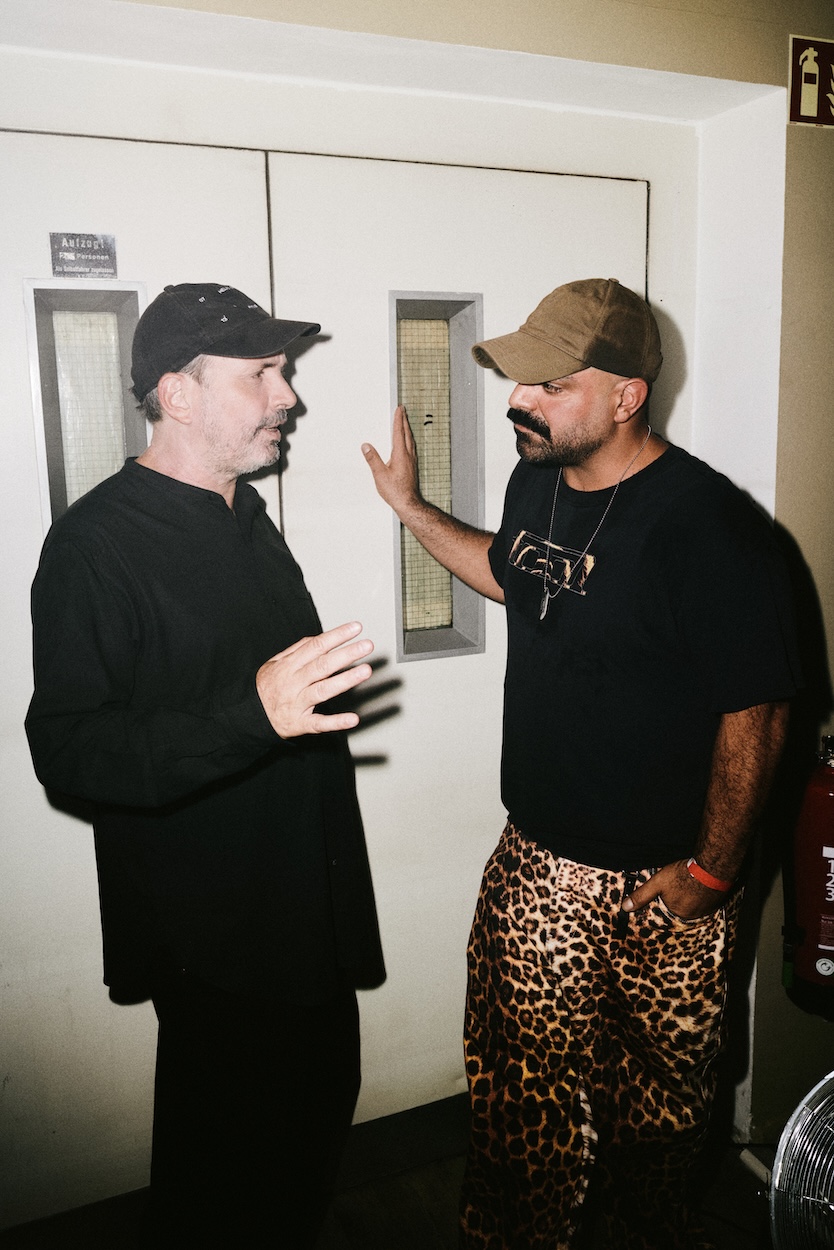
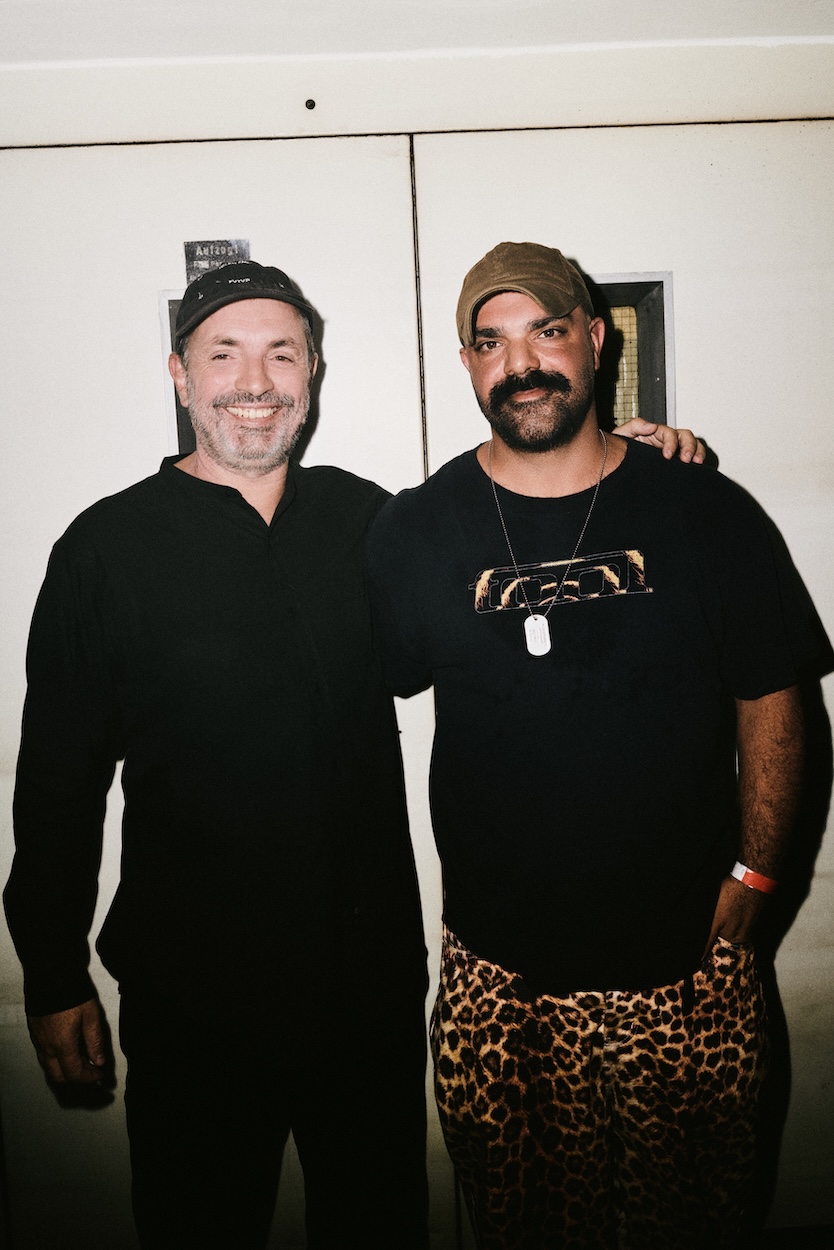
AS: Tell me a bit about your relationship with Mumi, the founder of Reference Studios who is now supporting you with the pop up.
AF: It happened naturally. Mumi came to our first Fashion Week at Silencio. His agency was new then and was doing things nobody else was doing: connecting fashion with art, hospitality, and other fields. That was very close to how we were already working. We kept crossing paths around the world, and it grew from there.
AS: I’m curious, how do you see Berlin nightlife?
AF: What Berlin has is unique, and it’s now official: the city’s Technokultur has been recognised as intangible cultural heritage. And it comes with things no other city can offer, spaces you simply don’t find elsewhere and a freedom that has no equivalent anywhere in the world. That’s also why we’ve spent years bringing Berlin to Paris rather than the other way around. At our Parisian club FVTVR we regularly host Berlin collectives and clubs: BCCO, Pornceptual, Primal Instinct, Multisex, RSO…
AS: You’ve spent so much time in Paris and now you’ll be spending more time in Berlin. What feels different between the two cities?
AF: Berlin is much bigger than Paris, with parks and green space everywhere, and you feel it immediately. Paris is a finished city, in the sense that it was built long ago and nothing is left over. You work inside what already exists.
AS: You collaborated with Studio Karhard for the club.
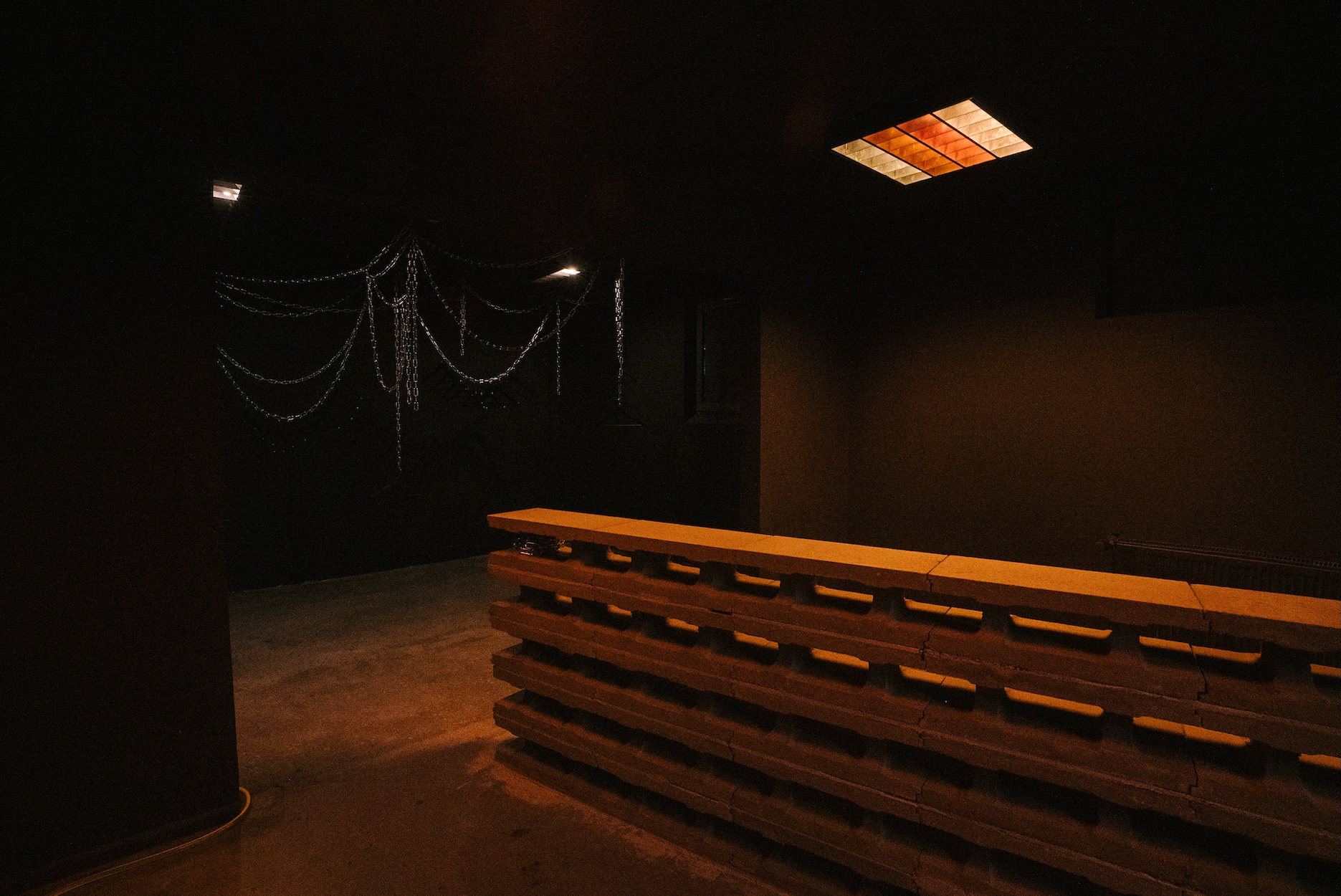
AF: Studio Karhard made this project possible. Thomas Karsten knows this city and everything that opening a club here involves. Marc Leschelier’s work is fascinating: brutalist, sometimes uncomfortable and very poetic. Then Studio Raito did the lighting.
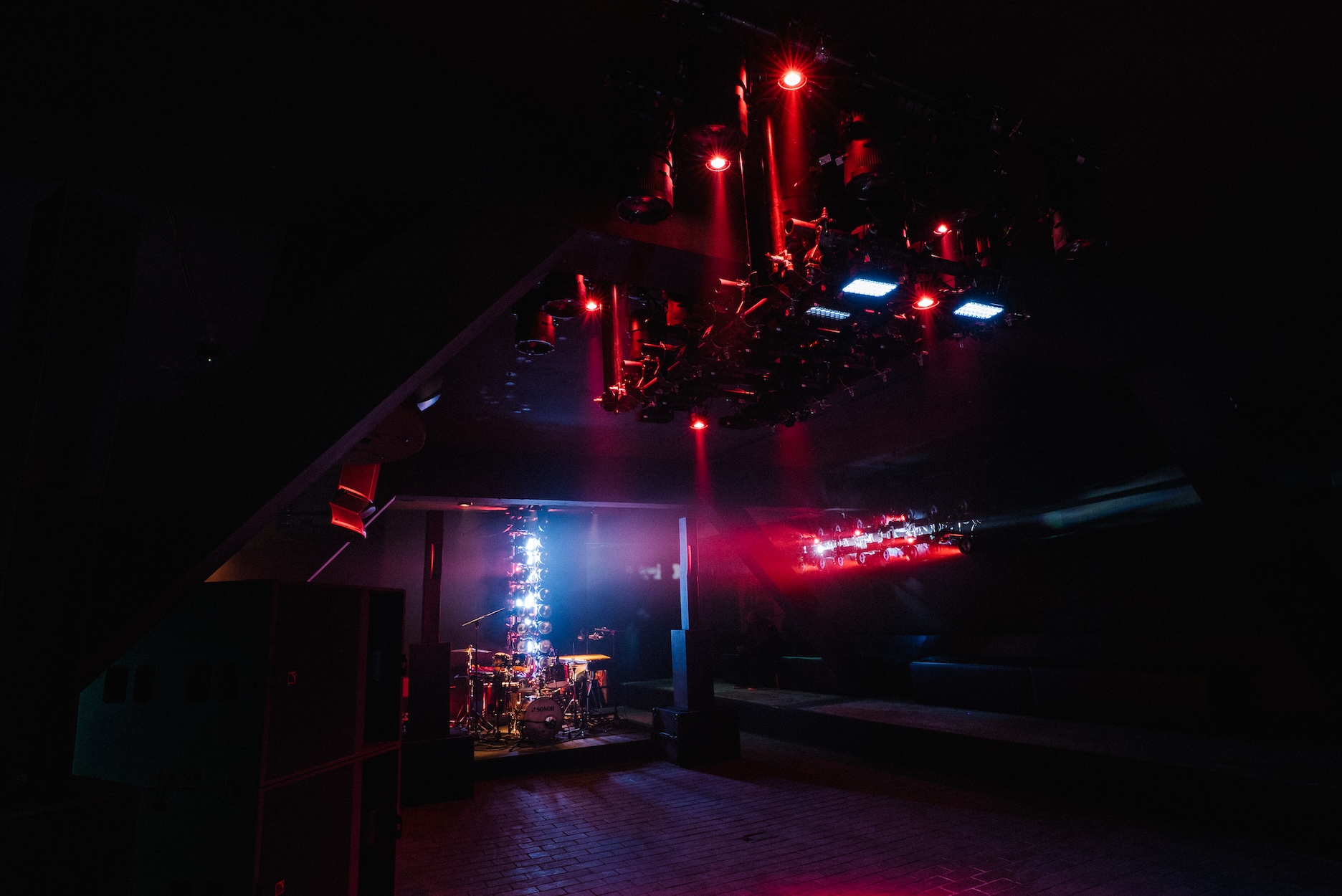
AS: The lighting was great. I told my friend at the opening party, the lighting is really, really good.
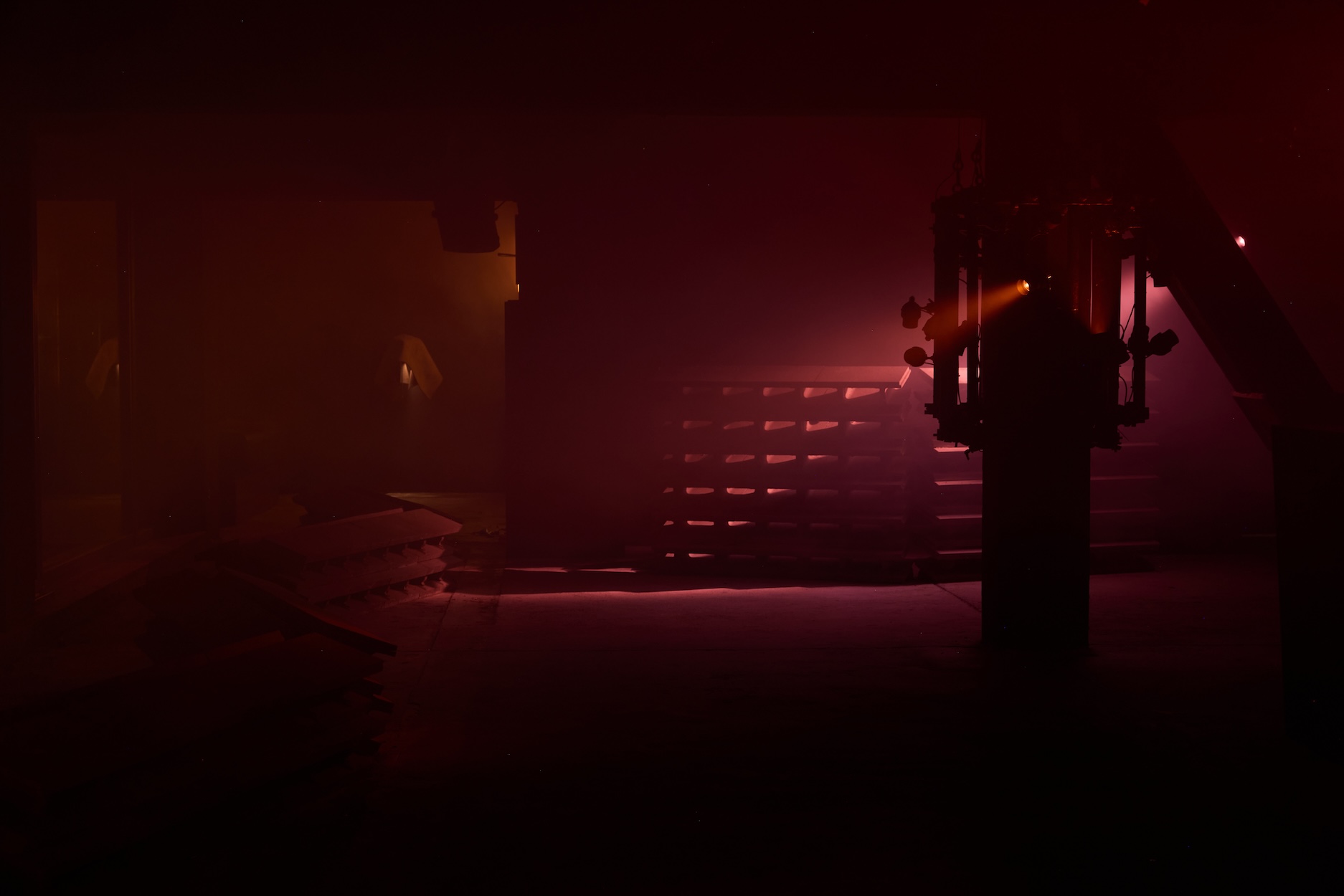
AF: Lighting can transform a room completely. Studio Raito doesn’t light a space the way a club is usually lit, from above and onto the crowd. They treat light as material: they place sources within the architecture, work with reflection and shadow as much as with brightness, and let the fixtures themselves be visible objects rather than hidden equipment. The result reads closer to an installation than to a lighting rig.
AS: Tell me about the objects in the club, particularly the big installation on the terrace?
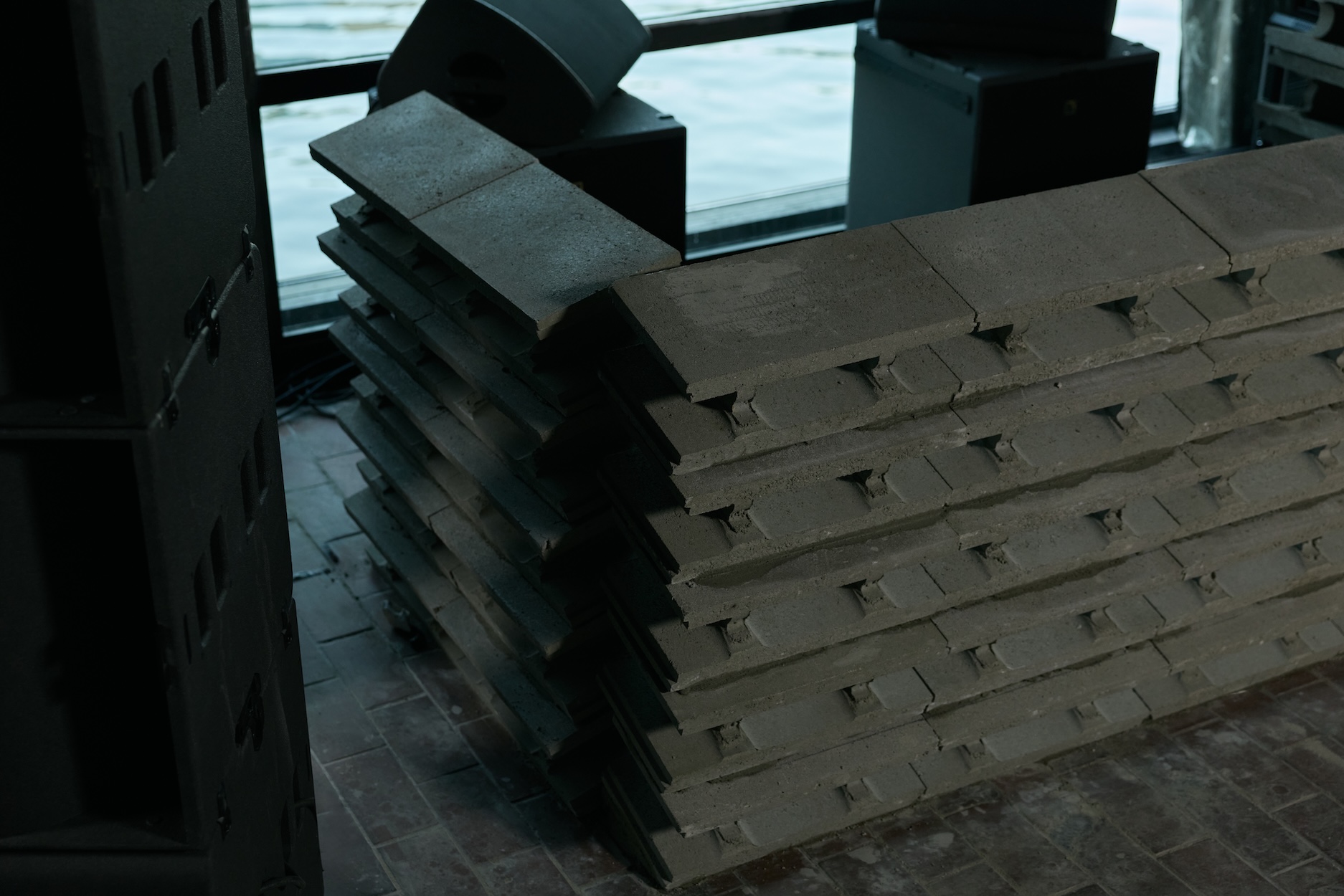
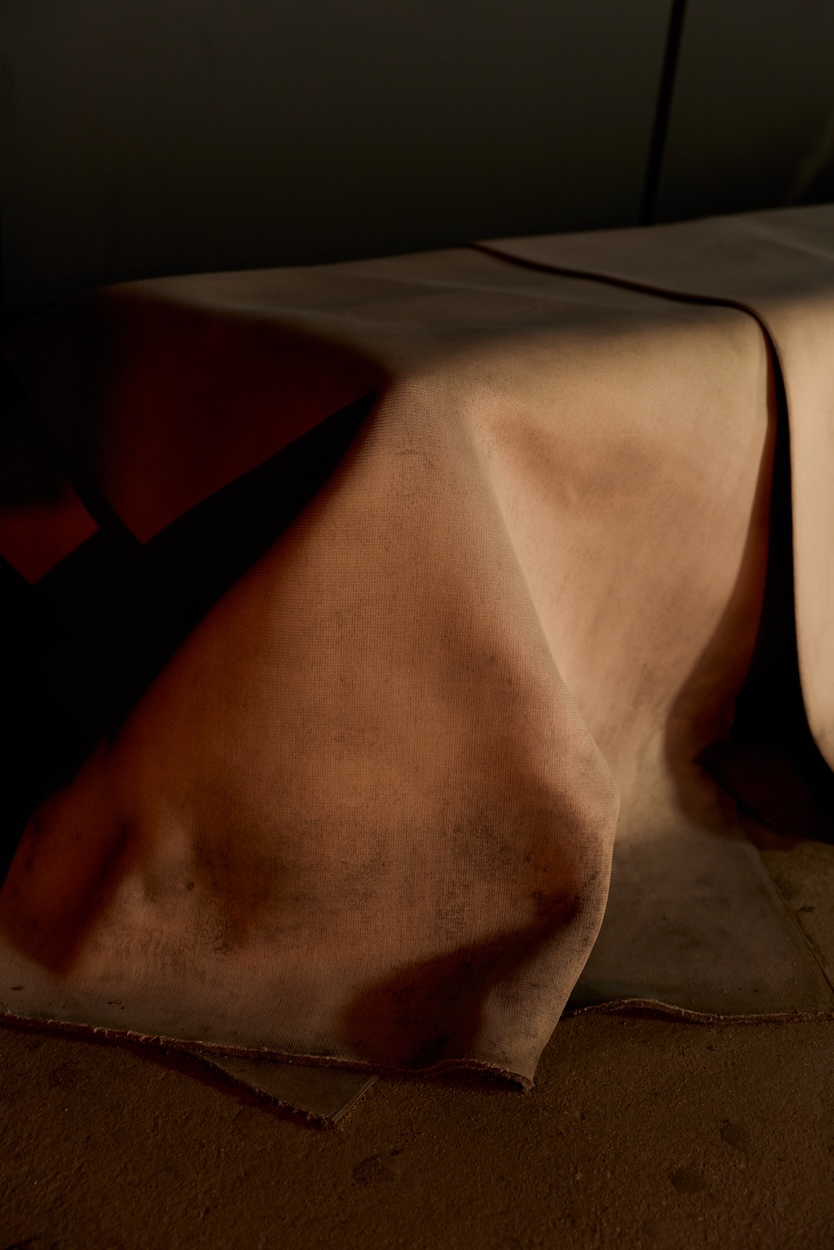
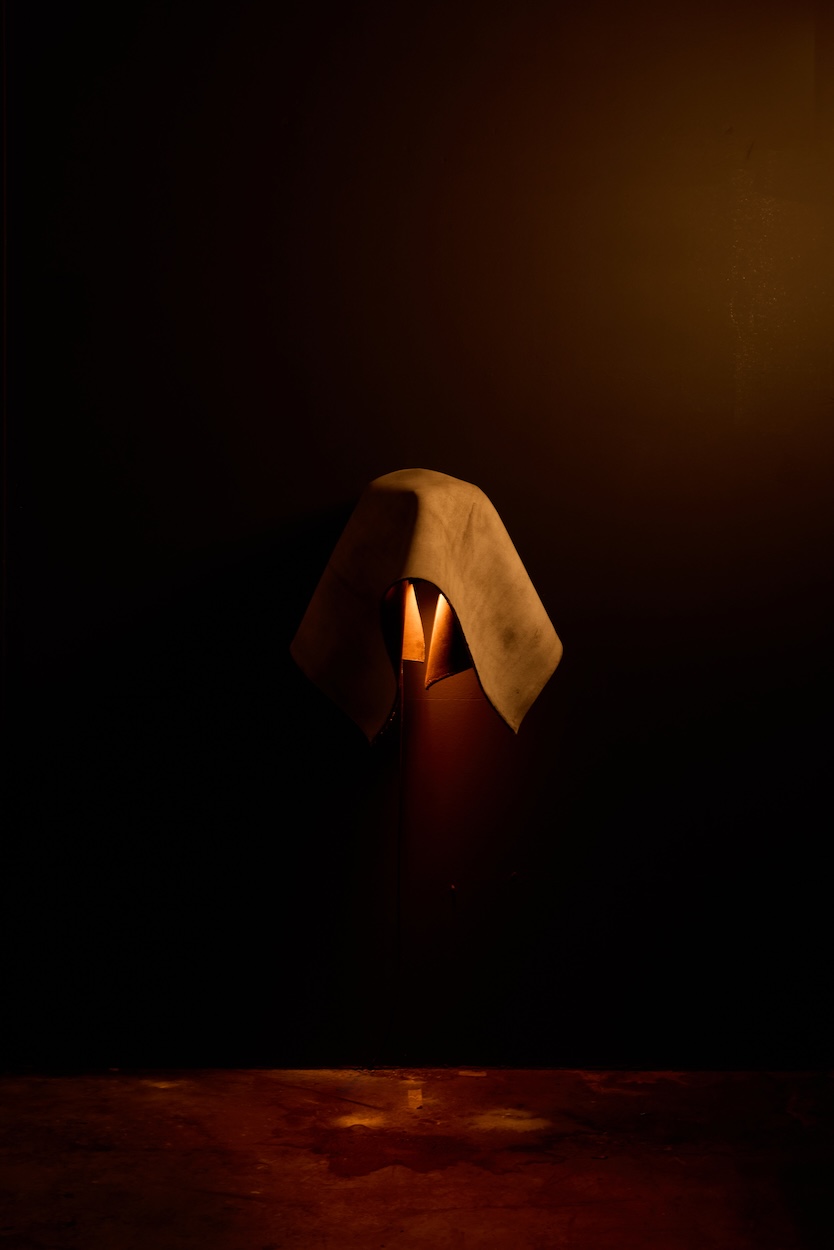
AF: Marc Leschelier’s work draws on an abstract architectural vocabulary, using materials associated with construction and heavy industry while often leaving their function deliberately unclear. On the floating pontoon, this pavilion is draped in a cement-impregnated textile more commonly used in heavy infrastructure, which hardens through contact with water.
AS: What is it that makes a good club?
AF: There are a lot of great clubs, and there’s no single formula, which is the good news. What Berlin taught me is the value of time: giving people long enough to actually experience several artists.
AS: How you curate?
AF: Well, a club is very much about curation. The way you design the space, the artists you bring in, the music, the installations. It all shapes the experience. But at the end, the most important thing is to bring people together around artists and ideas to create a community. This is also a curation.
ON TOUR WITH ENNIO
Singer and songwriter Ennio gives us a thoughtful and personal insight into a day on his…
WEEKEND MUSIC TIP PT 112 EAU DE COLOGNE
Four years after it began as a queer party series at Tbilisi’s Bassiani club, housed in…
TO WATCH “CORPUS DELICTI” BY LENA STAHL
What happens when a society built on health, safety and order leaves no room for doubt? In…

WEEKEND MUSIC TIP PT 111 KUKO
Catharsis describes the process of suddenly releasing inner conflicts, emotions, and…

TO WATCH “THE BEAUTY OF BALLROOM” BY CHAN SZE-WEI
Ballroom was born in New York in the early 70s: It was here where members of the Black…

IN CONVERSATION WITH SOFIE ROYER
With her new album before/after, Sofie Royer looks at the conflict of you versus you: the…