
KUKO: INTO THE CATHARSIS
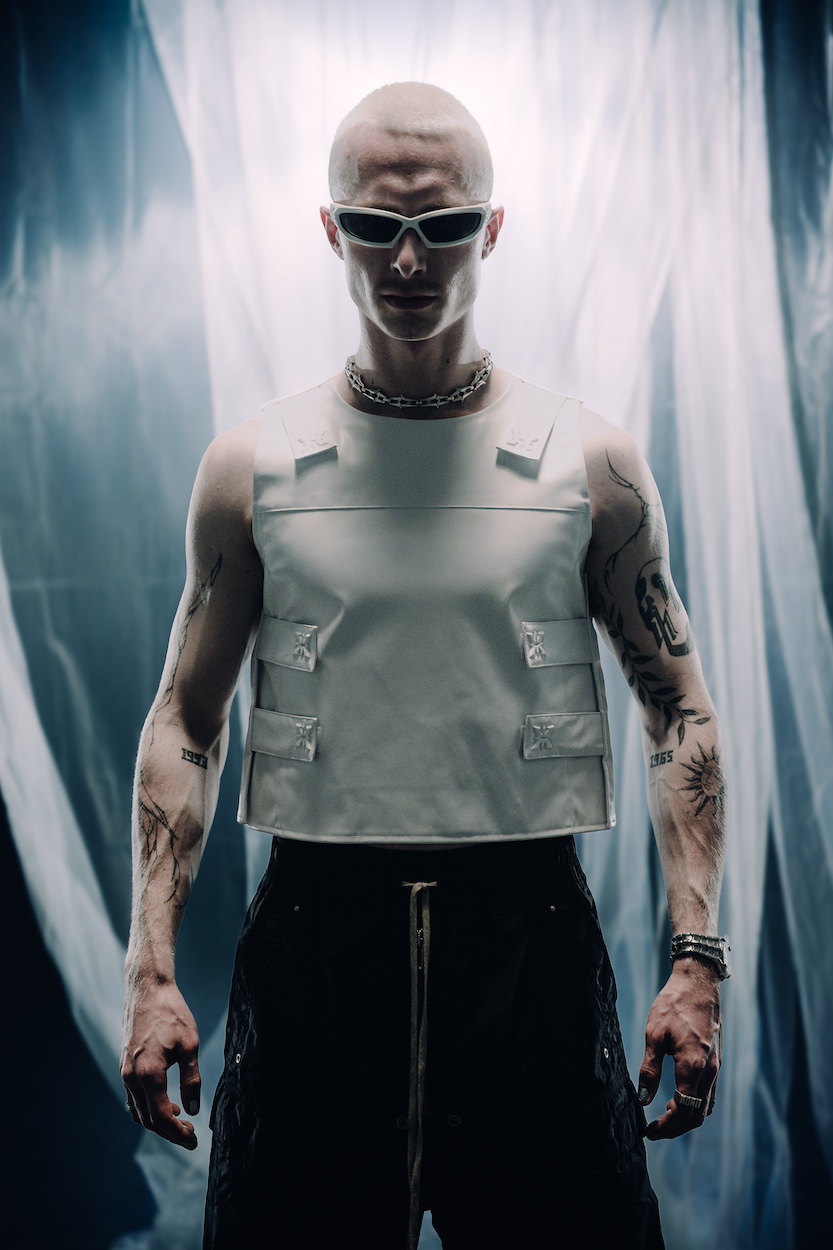
Catharsis describes the process of suddenly releasing inner conflicts, emotions, and tensions that have been pushed away for too long, eventually erupting in a sudden release.
Catharsis is also the title of KUKO’s debut album, coming out today. The Cologne-based artist is infamous for his melancholic, industrial sound and sets filled with ecstasy, pain, and emotional depth. With an international audience, KUKO spent the entire month of September touring the States before returning home to Cologne for his grand finale and album release. KUKO refuses to limit himself to a certain sound, as demonstrated by his features with Frauenarzt and iconic band Tokio Hotel.
The member of unreal collective sat down with Numéro Berlin to talk about his very own catharsis, what the tour means to him, and what comes next.
Kuko: Skrillex, Avicii, Yellow Claw and the Black Eyed Peas were huge for me in the beginning. They all showed me different sides of electronic music, but they had one thing in common: they created a whole feeling around the music. It was never just about the track. You could immediately recognize their energy and their world.
Kuko: I always have a direction and certain moments I want to create, but I never plan every track. Every room has a different energy, and I need the freedom to react to that. For me, a set should feel like a journey through tension, emotion and release. Sometimes it goes from total turn-up to a crying session within a few minutes. That contrast is what I love.
Kuko: The contrast between melancholic melodies and very hard, industrial drums. I’m not interested in being hard or fast just for the sake of it. I want the music to hurt a little, but still give you energy. There’s also a lot of my own music and my own vocals in the sets, so people enter my world instead of hearing a collection of current hard-techno tracks.
“I want the music to hurt a little, but still give you energy.”
ABOUT CATHARSIS
Kuko: For me, CATHARSIS is the journey through your own feelings, from melancholy, pain and anger to joy and complete ecstasy. It’s a short escape from normal life. A moment to breathe, let go and simply be. The darkness doesn’t disappear, but you learn to accept it and carry it differently.
Kuko: Yes, but I don’t only connect catharsis with negative emotions. During my sets, I see people crying, smiling, screaming and completely losing themselves. For that moment, they don’t have to think about everyday life. They can just feel whatever is there. We go through it together, and I think realizing that you’re not alone with those feelings can be very powerful.
Kuko: “Nur Wegen Dir” was probably the most vulnerable one. It’s my own voice, and the track comes from very personal feelings around attachment, obsession and the mark another person can leave on you. Playing it live was one thing, but officially releasing it meant that part of me would exist forever and belong to everyone. That was scary, but it also showed me how many people recognized themselves in it.
“The darkness doesn’t disappear, but you learn to accept it and carry it differently.”

ON TOUR
Kuko: Very normal things. Sleeping whenever I can, working out and spending time with my friends. Music is still my biggest hobby, so even working on a track during a flight can calm me down. Being home in Cologne and having quiet time with people close to me brings me back to myself.
Kuko: It means everything. Cologne shaped me because so many different sounds, cultures and personalities exist next to each other here. Unreal is also family to me, so a sold-out hometown headline doesn’t feel like just another big show. It feels like everyone who was part of the journey coming together in the place where it started.
Kuko:
I don’t want to leave CATHARSIS behind as soon as the album is released. The album is the beginning. The next step is bringing it fully into the live show and continuing the story through CATHARSIS. There are new collaborations in motion, but I don’t want to announce names too early. The direction will become broader, more emotional and more cinematic, but it won’t become softer. The core will always stay hard.

TO WATCH “THE BEAUTY OF BALLROOM” BY CHAN SZE-WEI
Ballroom was born in New York in the early 70s: It was here where members of the Black…

IN CONVERSATION WITH SOFIE ROYER
With her new album before/after, Sofie Royer looks at the conflict of you versus you: the…

IN CONVERSATION WITH JOEL EVEY & NICK FROSST
What happens when AI steps out of the tech world and into Berlin’s creative scene? At…
IN CONVERSATION WITH LEON EMANUEL BLANCK
His work is defined by an inherently asymmetrical approach, working directly from the…

WEEKEND MUSIC TIP PT 109 DAHI
He produced some of the most recognizable hip hop tracks of this century, from Kendrick…

IN CONVERSATION WITH AARON PIERRE
There is a certain inevitability to Aaron Pierre’s relationship with BOSS. His career…