
A LIFE OUTSIDE THE SCRIPT: Numéro Berlin in conversation with Josie Ho
For more than three decades, Josie Ho has moved through Hong Kong’s cultural landscape on her own terms. Wether as actress, musician or producer, she has built a career around choices that resist easy categorisation — from punk and rock to cult cinema, from unsettling characters to independent filmmaking. With 852 Films, founded with her husband Conroy Chan, she has helped create a space for films that exist outside the logic of the mainstream, embracing the strange, the provocative and the culturally specific. As Hong Kong continues to negotiate its place between local identity and global culture, Ho remains interested in the spaces in between: between commercial and independent, East and West, performance and production. Now, as 852 Films enters its 20th anniversary year and The Mage opens a new chapter for the company, we meet Ho to talk about rebellion, creative independence and the enduring power of genre — and why staying different might be one of the most radical choices an artist can make.
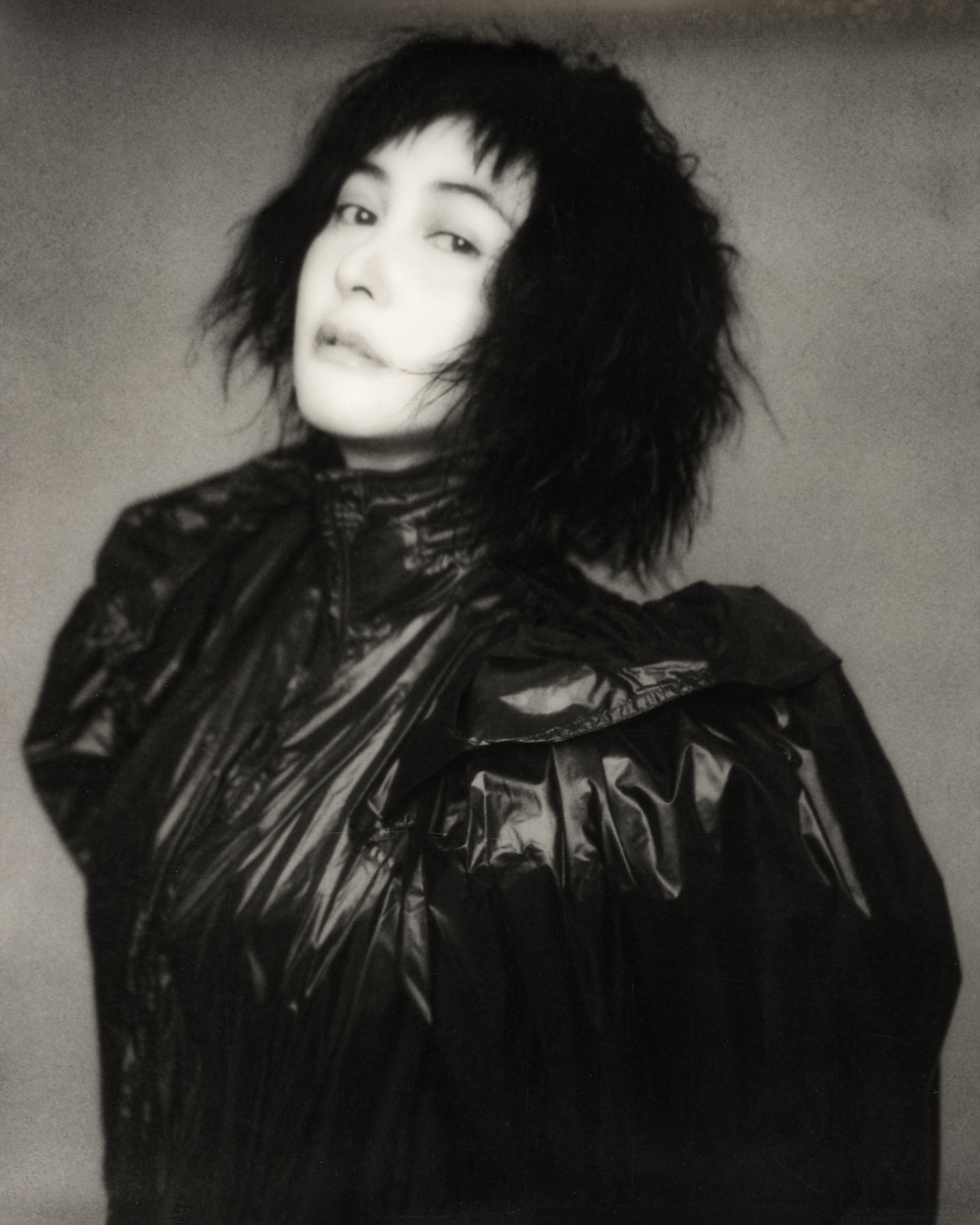
Jose Ho: I think the film industry of Hong Kong has no expectations from me or 852, Films Ltd. When we opened 852 Films Ltd, every local studio were shooting blockbusters in which 852 Films cannot afford to make. Therefore, we focus on cult/indie or fantastic films which are more spontaneous to ourselves. Anyhow, since Conroy snd I had opened the company, no otger company had offered us any jobs any more. We felt that we weren’t competitive to the industry at all, so I don’t get why whichever HK studios or 852 would be on better moral high ground. We are only doing our own things….
SB: You came into an entertainment industry with very established ideas about how women should look, behave and progress professionally. How much of your career has been about refusing those definitions of femininity?
JH: Hong Kong is a modern looking city and was once had very liberated minds. When I entered into the music industry I’ve had received encouragement from my record company head to be more free and a bit wild on stage. I believe my record company head and our workers are all thinking to be more Westernized , it was going well, I was receiving Best New Comer awards at that moment. But when our big shareholder saw that I’m not the most money making machine, the huge shareholder fired the whole team of cultured and tasteful staff and terminated my contract too. In Hong Kong at the mid 90’s, the best sellers are always “The Virgin Like” female image, girls with straight long hair, nude make up, suppressed their outfits and demeanor and not allowed with any sex appeal. In my opinion, it was sexually perverted and an oppressed city. I had just graduated from high school then from Canada, I was very North Americanized. I was culture shocked and confused. Well, it hit me very hard, I thought I was never going to be hired again. It wasn’t fair for me! This was a huge lesson I’ve learnt from the society after returning from high school. That, there is never any fairness or any moral justifications in the business. A good old lesson that I’ve not learnt from my parents or school. Supppp fxxkin’ peen!!! Hard work means nothing, work smart is the true method. I guess I’m the real dumb Virgin in this case.
SB: Your background could theoretically have given you access to a very comfortable version of the entertainment industry, yet you repeatedly gravitated towards punk, horror, violence, independent cinema and psychologically complicated characters. Why were you more interested in discomfort?
JH: Thank you for pointing this out to everyone, my art came truthfully from my passion. I was pissed off from my past, it was my vengeance that burned and brewing in my heart still. And I like to express my anger in a healthy way in my projects instead of injuring anyone on earth. Fortunately, I still had justice in me, I’ve only ventured into rock and roll music, I prefer to treat my performance in a humourous method. As for the psychologically complex characters, it’s my love of drama to play troubled women of all kind. Because these are very true for my understanding of humanity, I was born into a troubled family, my Mom is my biggest Troubled Women icon in my life. Poor lady… Throughout my life, all the female sin my family were troubled women, it only seems natural in this way for me. If ever there was a role that only have happy and comfortable people in the story, it would’ve been a very fantastic story or a cartoon to me. Humanity is dramatic. Many actresses are very outstanding at portray these roles and I hope I can contribute as one of them too.
SB: Hong Kong cinema once occupied an extraordinary position in global popular culture, influencing Hollywood, action cinema and visual culture internationally. What does Hong Kong cinema need to protect today — and what does it need to leave behind?
JH: Hong Kong cinema had wonderful work ethics, keen spirit and was one of the funniest Cult film masters in the Orient. We also make crazy thief and cop action films, Action films, comedy’s, I guess all of us want to preserve all these elements and move on further. We also want to preserve our work ethics, everyone on the set, on the ball! No drama with the crew.
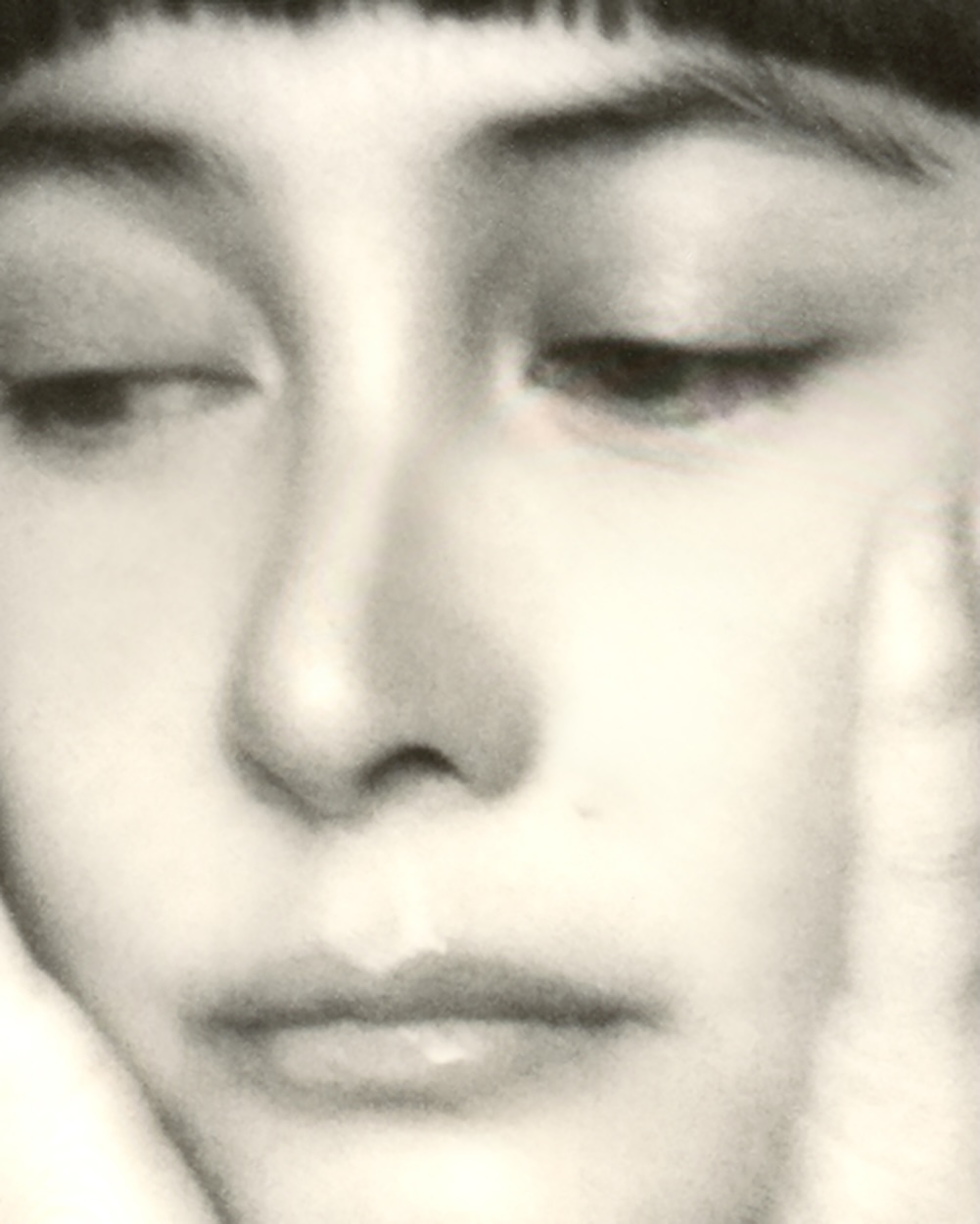
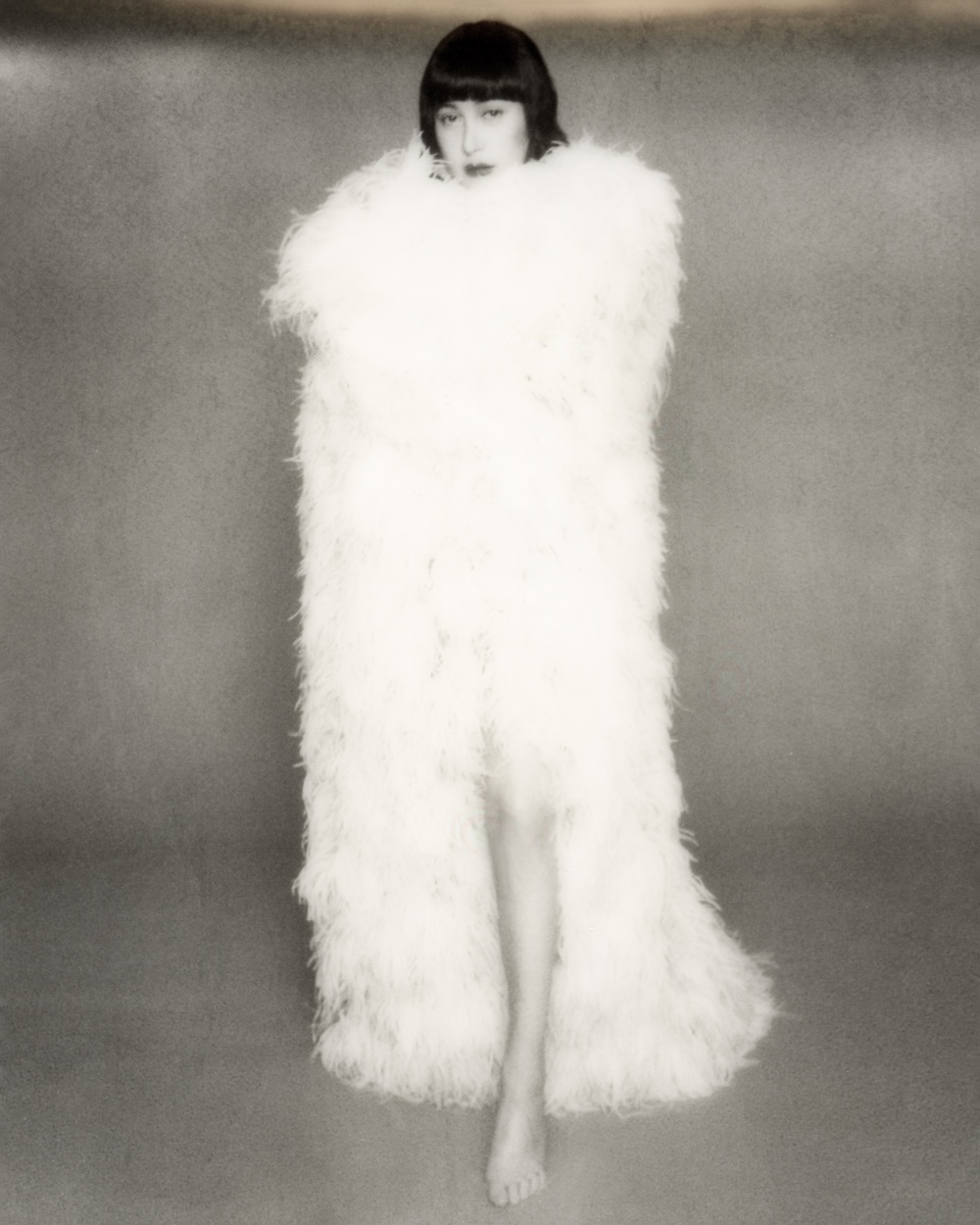
SB: 852 Films has built its identity around projects that don’t necessarily follow the safest commercial logic. In an industry where financing inevitably demands compromise, where is the line you refuse to cross?
JH: Well, I don’t really see it that way that 852 cannot afford big budget films, we intend to make smaller and more sensational projects. Our usual genre are horror, thriller, comedy, fantastic cult and indie. Seems to me thats the way at rough economical days, it’s the way to go. We’ve just had been conservative with our investment only. Nothing too complex.
SB: Cult cinema often survives much longer culturally than films engineered for immediate commercial success. Do you think filmmakers have become too concerned with the opening weekend and not concerned enough with what a film might mean ten years later?
JH: To 852 Films Ltd, we believe a good film will last for quite awhile, but we are also concerned about the opening weekend. We are concerned with tight budget and tight schedule always and forever, we don’t try to spend like a moron. Concerning about distribution is very strict job and as 852 Films Ltd, we are highly occupied with this sales issue for decades. I do hope nobody gets an impression of 852 Films Ltd have spare change to give. This is the most important essence of Hong Kong film industry.
SB: You also moved away from conventional Chinese pop towards rock and punk. Was changing your musical language also a way of changing who was allowed to define you?
JH: Fortunately I was fired from Pop Music or else I wouldn’t meet my friends who encouraged me to re-introduce myself to Punk Rock, heavy metal and Rock n Roll music and alternative genres music. It was my husband Conroy and the band known as “Lazy Mutha Fuckas” who has converted me and helped me to make my band hapoened, we are Josie and The Uni Boys, we play punk rock and rock. I feel that there was a room to breath on the Rock n Roll stage, I’m free to jump around and express myself in a moderate manner.

JH: Being on the outside you get to see things in a different perspective not like being in the center. I came from an era from HK show business where there are lots of bullying, body shaming fat shaming, name shaming from our Tabloid and paparazzi being 70% of the whole media world. Tabloids had made the show biz and HK a living hell to live in. Ask another HK artist, everyone had depression and anger management problems. The tabloids were obsessively intrusive, they climb into people’s houses and shamed people’s privacy. They had ruined numerous jobs for me because they body shamed me walking into a a convinient store with my husband. They’ve had caused artist to suicide. Times were hard in HK, Huge thanks to the leader of China, he ordered to reduce it. All artist was living in fear before. It was like I strike a post on stage as a Pop star and they immediately body shamed, me. I’ve lived through it. Therefore, I had been working on more universal projects always maybe that’s how you recognized me in some ways untamed. I had lived through those times. And I’m so glad that I survived till you’ve acknowledged my work. I do have a drive to spread my work outside, I hope to live in peace.
SB: Your relationship with Iman began in a completely different context before you eventually recognised him as an artist. What did you see in him before he could necessarily see it in himself?
JH: Iman has a very mature mind and have very good work ethics when I met him through a hospital in US, Iman was a war trauma surgeon, he was recommended to me to help look out for my husband Conroy. I’m very impressed with his professional ethics. I’ve invited Iman to return home with me to look out for my Conroy. Iman is a poet who recites online. The most important factor was that Iman really wants to become a performer, what I’ve noticed was that Iman’s perfect features, his eyes only spreads love and generosity, he is 6 ft tall and athletic. Lots of people in our industry praises Iman for having the perfect symmetrical features or have a golden ratio. He fits into all high fashion and street fashion clothes, has a model figure, it will be my lost if I didn’t’ sign him up. He yearns for training in performing arts, music, singing, instrument playing.
He speaks softly and has a genuine point of view of everything, if Iman doesn’t become an actor, then I don’t know if I even fit the role myself. he is highly disciplined. He can read a book in one day and entirely understands all the context, he is interested to learn about world history and civilization. So, how can 852 not favour him. He is like a dream to come true for every director and photographer, artist manager. Iman deserves to be a successful artist, so humble and thoughtful. Who on earth can be better than him in 852’s mind? He gives me a lot of positive influence to me. Nobody should ignore such a human being.
SB: Casting today can be incredibly calculated — based on followers, recognisability and marketability. Iman represents almost the opposite proposition. How important is instinct to you when choosing talent?
JH: The good thing about Iman is that he is open to learn any languages, with Asia being very close to each other throughout films and actors economy and finance. Iman’s opportunity is right here right now! And even for China, they are exactly interested into Iman. Hong Kong is a very civilised city, we also have different film makers all over the globe who wish to collaborate with us. So, thank you for worrying but everything that you concern about is exactly different.
SB: Horror allows filmmakers to approach subjects that realism sometimes cannot — fear, death, spirituality, violence, memory. What could The Mage say through the supernatural that you couldn’t have expressed through a conventional drama?
JH: Nothing different. To me, The Mage is a conventional drama — it just happens to speak through ghosts, rituals and the supernatural. Underneath all of that, it is about the oldest things we know: life, death, humanity and loss. Maybe the supernatural isn’t an escape from reality. Maybe it’s another way of looking directly at it.
SB: You have returned to horror and darker genre cinema repeatedly throughout your career. What does darkness allow you to reveal about people?
JH: Light. That’s what interests me about darkness. No matter how dark the story becomes, I still look for the good person inside it — the good act, the good karma, the tiny thing that survives. Darkness doesn’t make me believe less in people. Somehow, it makes me search harder for what is good in them.
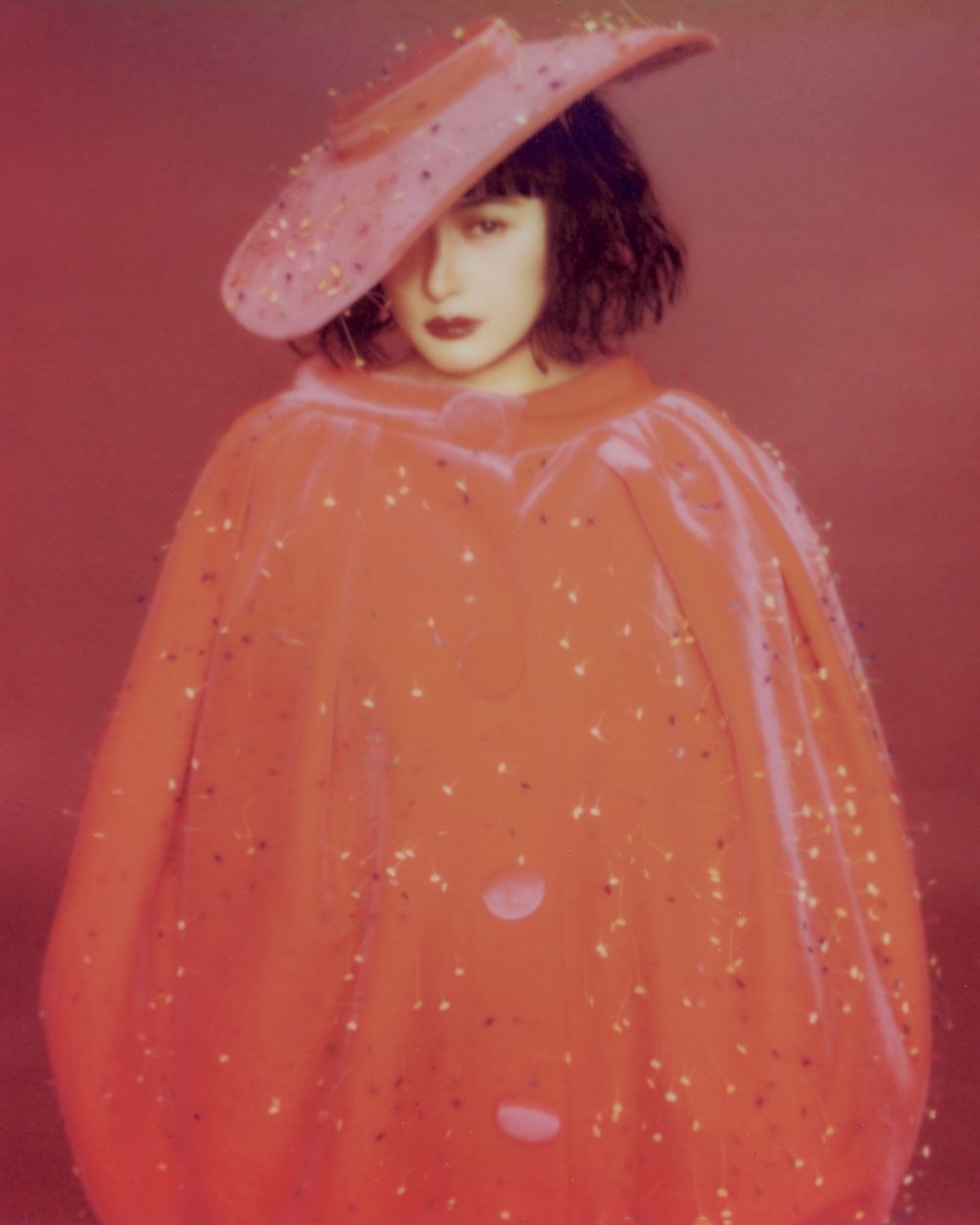
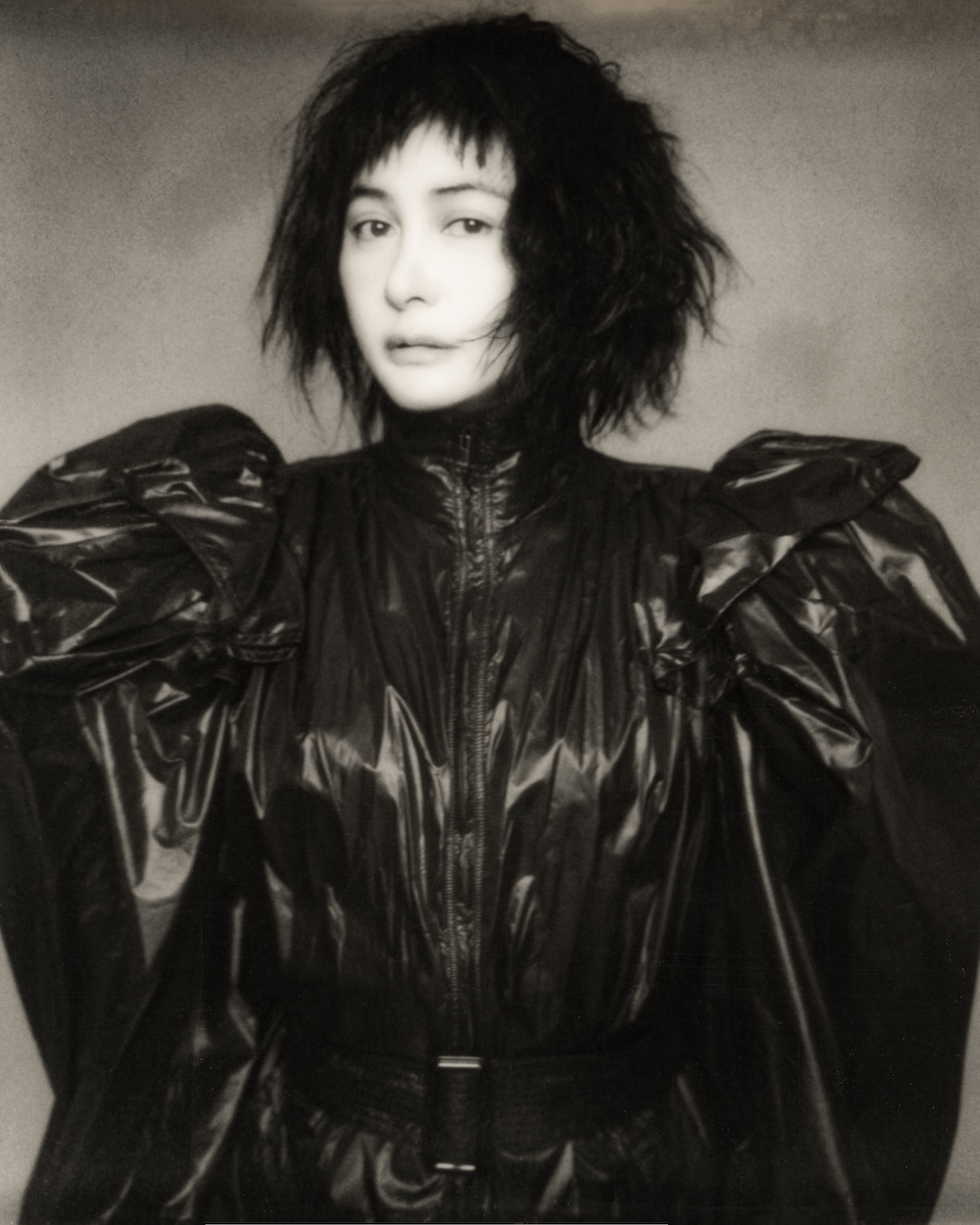
SB: The Mage is travelling internationally through festivals while remaining rooted in an Asian cinematic context. When you bring a film like this to an international audience, how conscious are you of translating its cultural codes — and how much do you deliberately leave untranslated?
JH: Why leave anything untranslated? The whole reason I make films is to communicate. I want to connect with people I’ve never met, from places I’ve never been. That’s my idea of having fun in life , crossing borders through people, stories and curiosity. The Mage is deeply connected to ancient Chinese beliefs and rituals. But these subjects were once very alive in Hong Kong cinema, especially in the 1980s. Somehow, we stopped making enough of those films. Then festival programmers started telling us, “We want to see Hong Kong make this kind of cinema again.” That stayed with me. So we made The Mage. Not because we wanted to resurrect the past, but because sometimes you have to go backwards to find something that cinema has forgotten.
SB: What do you think about contemporary global cinema culture? What inspires you?
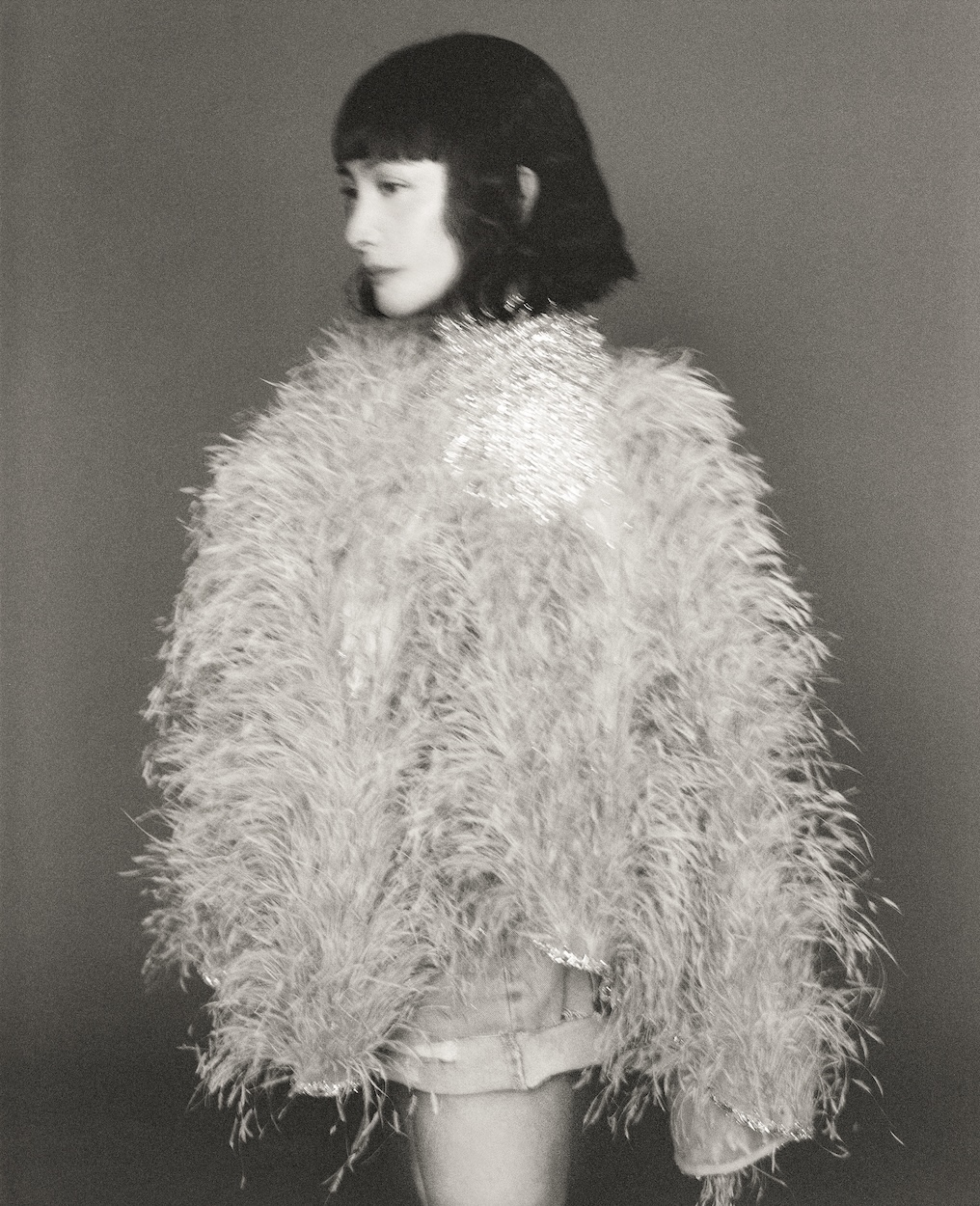
JH: Surprise me. I’m inspired by filmmakers willing to try a subject we haven’t seen, a colour we haven’t felt, an angle nobody thought to look from. I want cinema to stimulate my senses . My eyes, my ears, my brain even my body. When a film does that, it gives me energy. It reminds me why I still want to make things.
SB: After decades of acting, music and producing, are you still interested in proving something, or has the motivation shifted towards creating space for people and ideas that otherwise might never enter the industry?
JH: I’m still a struggling artist. People might find that strange after all these years, but I genuinely feel I still need opportunities. I still need to be groomed, challenged, nurtured. There are things I don’t know yet. There are places in myself I haven’t reached yet. So no, I never imagined myself becoming the person who introduces new artists. I’m still fighting for myself. And then I met Iman. He was too irresistible not to promote. Supporting him actually meant breaking one of the principles of 852 Films and even going against my father’s wish. But sometimes you meet somebody and instinct becomes stronger than the rules.I believe he deserves the opportunity. And I still believe I deserve mine.
SB:: If culture needs people willing to take risks in order to move forward, what do you think is the risk that contemporary culture is currently too afraid to take?
JH: Raise the bar. I don’t want to judge contemporary culture from above it — I’m part of the audience too. I watch everything. Film, music, every genre. I consume culture as much as I make it. But maybe the risk now is simply demanding more. Artists should raise the bar. Producers should raise the bar. And audiences should raise the bar with us. Because culture isn’t created by one side alone. It takes two to tango. If we dare to make better things, perhaps audiences will dare to demand them.

TO WATCH “LÜGEN ÜBER MEINE MUTTER” BY ARON LEHMANN
Through seven-year-old Ela’s eyes, Aron Lehmann’s "Lies About My Mother" explores…

IN CONVERSATION WITH ADRIANO SACK
Adriano Sack’s "In die Sonne fliegen" explores the glamour, ambition and darker sides of…
IN CONVERSATION WITH NEUSWANSTEIN
Neuswanstein brings together indie rock, hip-hop and electronic production in a sound…
IN CONVERSATION WITH ARNAUD FRISCH
As Silencio celebrates 15 years in Paris, founder Arnaud Frisch brings the club’s blend…
WEEKEND MUSIC TIP PT 112 EAU DE COLOGNE
Four years after it began as a queer party series at Tbilisi’s Bassiani club, housed in…

TO WATCH “CORPUS DELICTI” BY LENA STAHL
What happens when a society built on health, safety and order leaves no room for doubt? In…