
Eau De Cologne: From Bassiani to Berlin, With Love
Four years after it began as a queer party series at Tbilisi’s Bassiani club, housed in a former swimming pool beneath the city’s Dinamo Arena football stadium, Eau De Cologne has evolved into a wider platform for music, nightlife, performance and visual art. Since then, its parties have travelled beyond Georgia to international spaces including Basement in New York and the queer festival WHOLE. Founded by Giga Gulverdashvili, Natuta Bagrationi, Dato Koridze and artist Uta Bekaia, the project has become an important part of Georgia’s underground queer culture, creating space for artistic expression and community at a time of growing political pressure on queer life. Now bringing its multidisciplinary programme to Berlin’s KREUZWERK on 2nd October, Eau de Cologne is presenting work by Georgian artists across performance, sculpture, photography, film, sound and installation, drawing on Georgian rituals, mythology and collective memory to explore queer identity within a culture where it is increasingly presented as something foreign.
We spoke to Uta Bekaia about the evolution of Eau de Cologne, the role of the underground, taking Georgian queer culture beyond its borders, reclaiming heritage, and the importance of documenting queer life in Georgia.
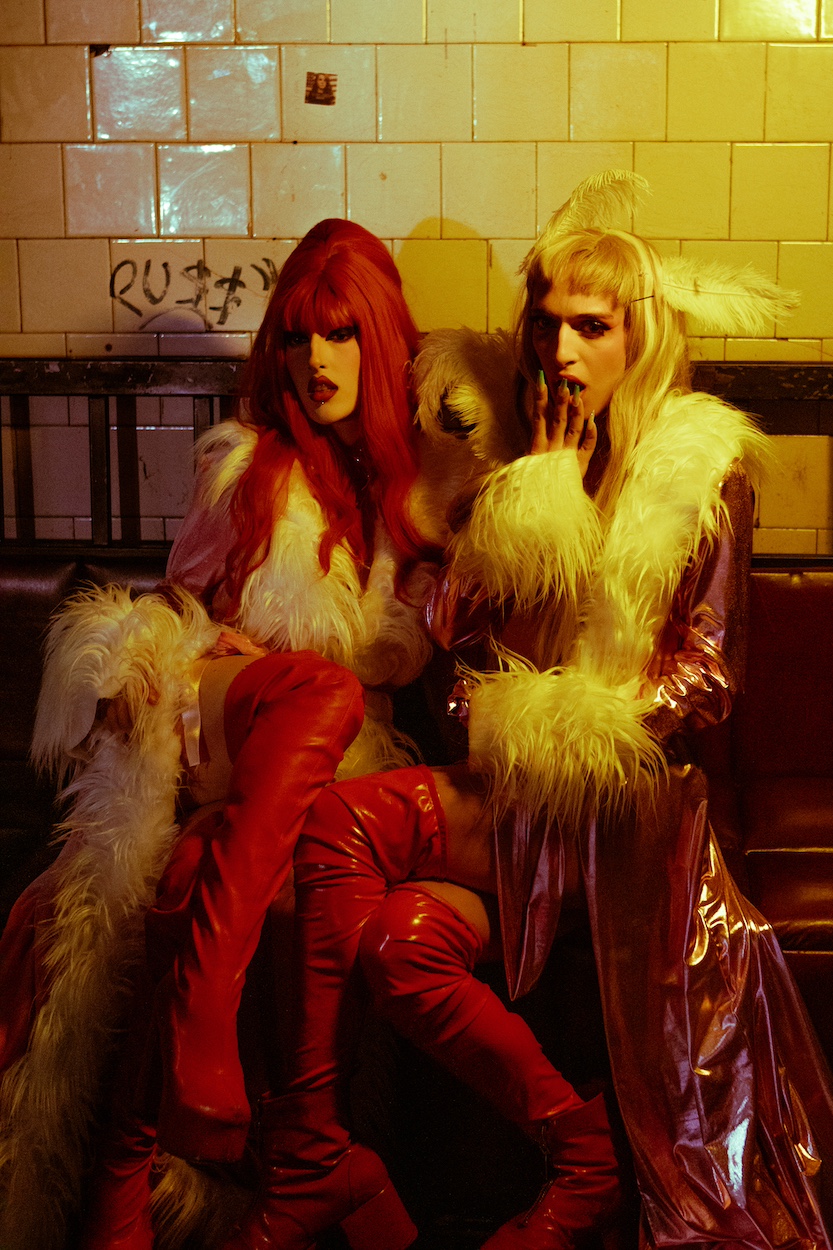
Uta Bekaia: Eau de Cologne began when four of us, Giga Gulverdashvili, Natuta Bagrationi, Dato Koridze and I, came together to create a party series. We wanted to create a space where people could freely express their sexuality, gender and identity. The strict door policy and dress code create a sense of equality on the dance floor: once inside, everyone is on the same level. We came from different creative backgrounds, which became one of the project’s strengths. Today, we are slowly growing our community in Georgia and internationally, with residents including Cormac, MVHY and GeorgiシooOoOOoO, alongside co-founders Citizen Union and Natuta.
UB: The underground scene has played an important role in the development of the Georgian queer movement. It has created protected spaces where self-expression can exist more freely than in many other parts of public life. On the dance floor, the limitations of everyday life are temporarily suspended, allowing a strong, self-defined culture to grow. It is not simply an imported idea of queerness, but something rooted in our own experiences, bodies, aesthetics, friendships and histories. The underground has therefore been more than nightlife. It has been a space for experimentation, community and survival.
“The underground has been more than nightlife. It has been a space for experimentation, community and survival.”
UB: It allows us to build an entire artistic world. In Tbilisi, there are still very few spaces where queer art can be presented openly, so Eau De Cologne creates a temporary environment where artists can work without censoring themselves or separating their identity from their practice. Bringing together music, performance, costume, photography, installation and visual art allows us to tell a more complete story. Artists including Levan Mindiashvili, David Apakidze, Fagatta and Raffaella Toxicana are documenting Georgian queer self-expression in real time, and we are happy to bring that work to KREUZWERK.
UB: I think it is, but celebration has a very different meaning in a repressed country like Georgia than it might in Berlin. Simply occupying space openly as a queer person can become a political act. Dancing, being visible, touching another person, wearing something extravagant or expressing your gender freely can all become forms of resistance. For us, self-expression and dancing are political and social acts, even when we are not consciously making a political statement. At the same time, I wish we had the privilege of romanticising it less. We would much rather live in a situation where queer joy could simply be celebration.
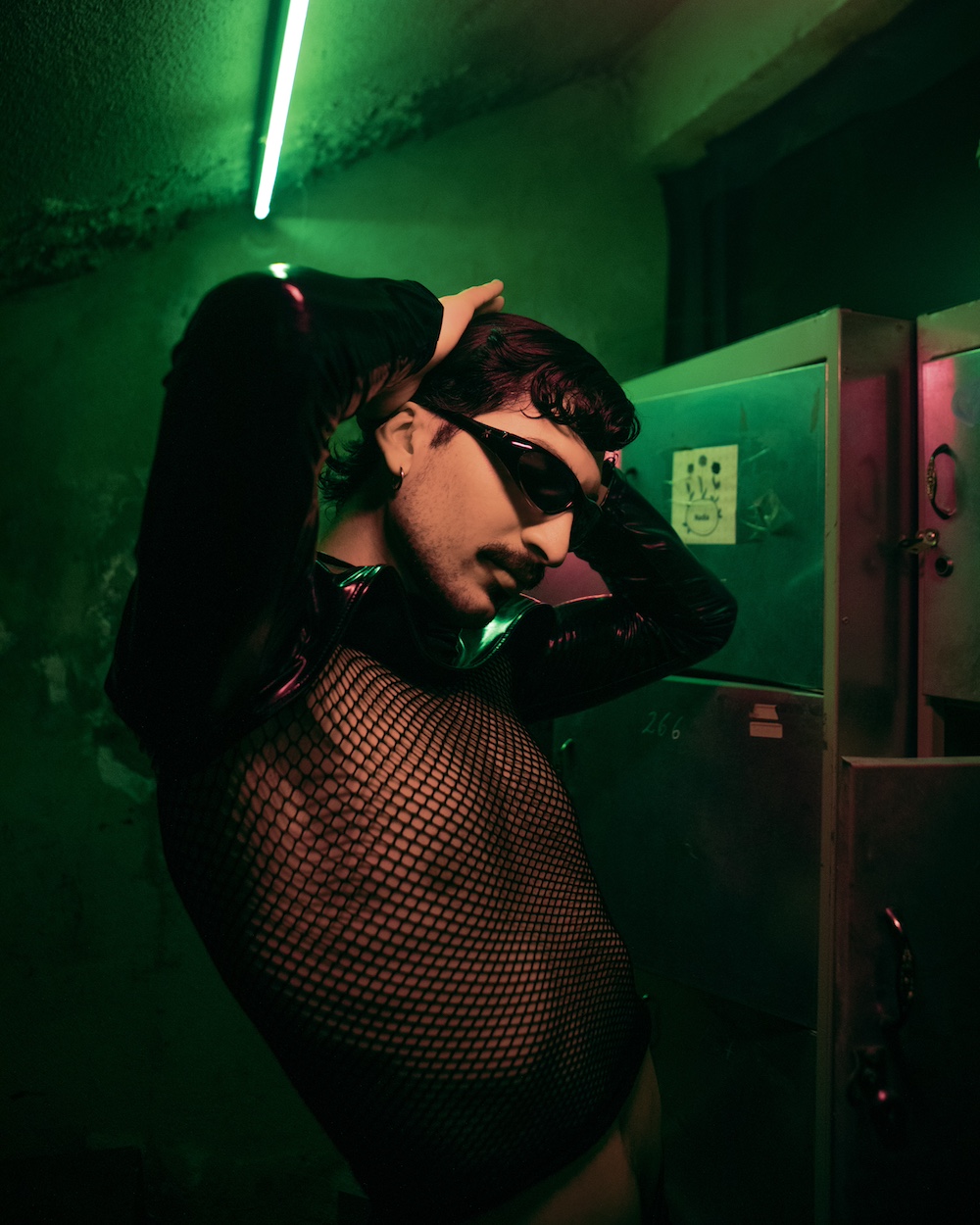
“Simply occupying space openly as a queer person can become a political act.”

UB: It is important for us that what we create is seen beyond Tbilisi. Bringing this work to Berlin makes Georgian queer culture visible as part of a wider international community, while also giving us a sense of validation and protection. Knowing that our work is being witnessed outside Georgia makes us feel that our voices cannot simply be erased. We want to make our stories visible and leave something behind in collective memory. Bringing Eau De Cologne to Berlin is not about presenting Georgia as an exotic place, but showing the complexity, creativity, humour, darkness and vitality of life there.
UB: This is central to my artistic practice. In contemporary Georgia, the increasingly nationalist and conservative climate often presents queer people as somehow foreign to the culture. Through my work, I try to reclaim my heritage and position myself within it. I look at Georgian history, rituals, mythology and collective memory and ask: where are we in this history? Where have queer bodies and forms of expression existed, even if they were not named in the language we use today? For me, reclaiming heritage means refusing the idea that I am a foreign body within my own culture. Queerness is not outside identity, but part of its history and future.
“Queerness is not outside identity, but part of its history and future.”
UB: It is extremely important. The Georgian queer movement is still relatively young and constantly searching for its own language. We do not want to simply reproduce models developed elsewhere. We need to understand queerness through our own history, symbols, rituals and cultural references. Artists have an important role in that process because there is no preexisting manual telling us what our culture is supposed to look like. We are making it as we go. Reinterpreting tradition allows us to challenge the idea that it belongs only to one group or political ideology. Tradition can be questioned, transformed and reimagined.
UB: It is almost impossible for an artist to completely separate their personal life from their artistic practice, especially within marginalised communities. When your identity is something you constantly have to negotiate with your family, community, institutions or the state, the personal inevitably becomes political. For us, finding a way to live authentically is not only an individual process. We are collectively trying to make a path for ourselves and those who come after us. The personal therefore becomes collective, and a private act of self-expression can become part of a larger cultural movement.
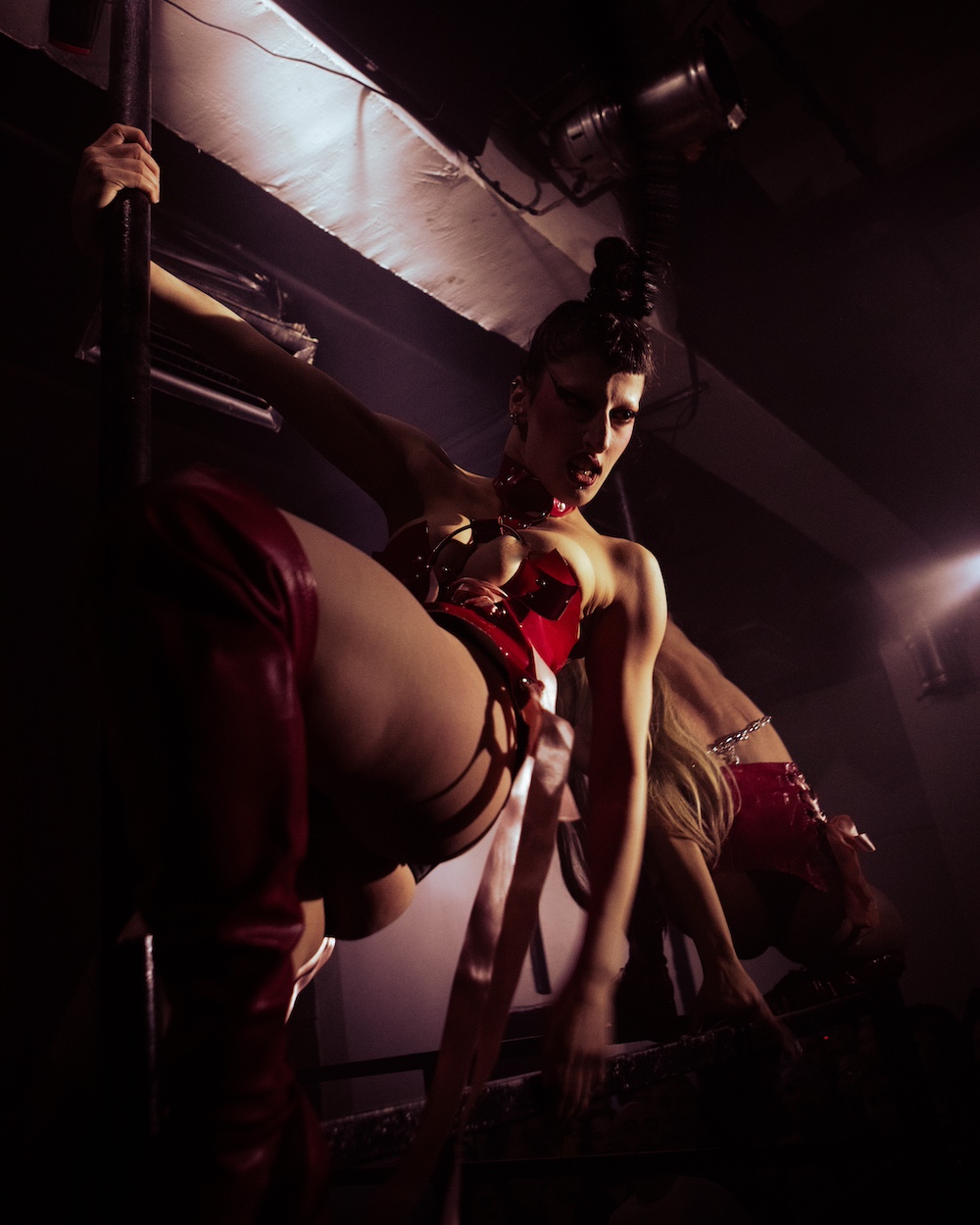
“The personal therefore becomes collective, and a private act of self-expression can become part of a larger cultural movement.”
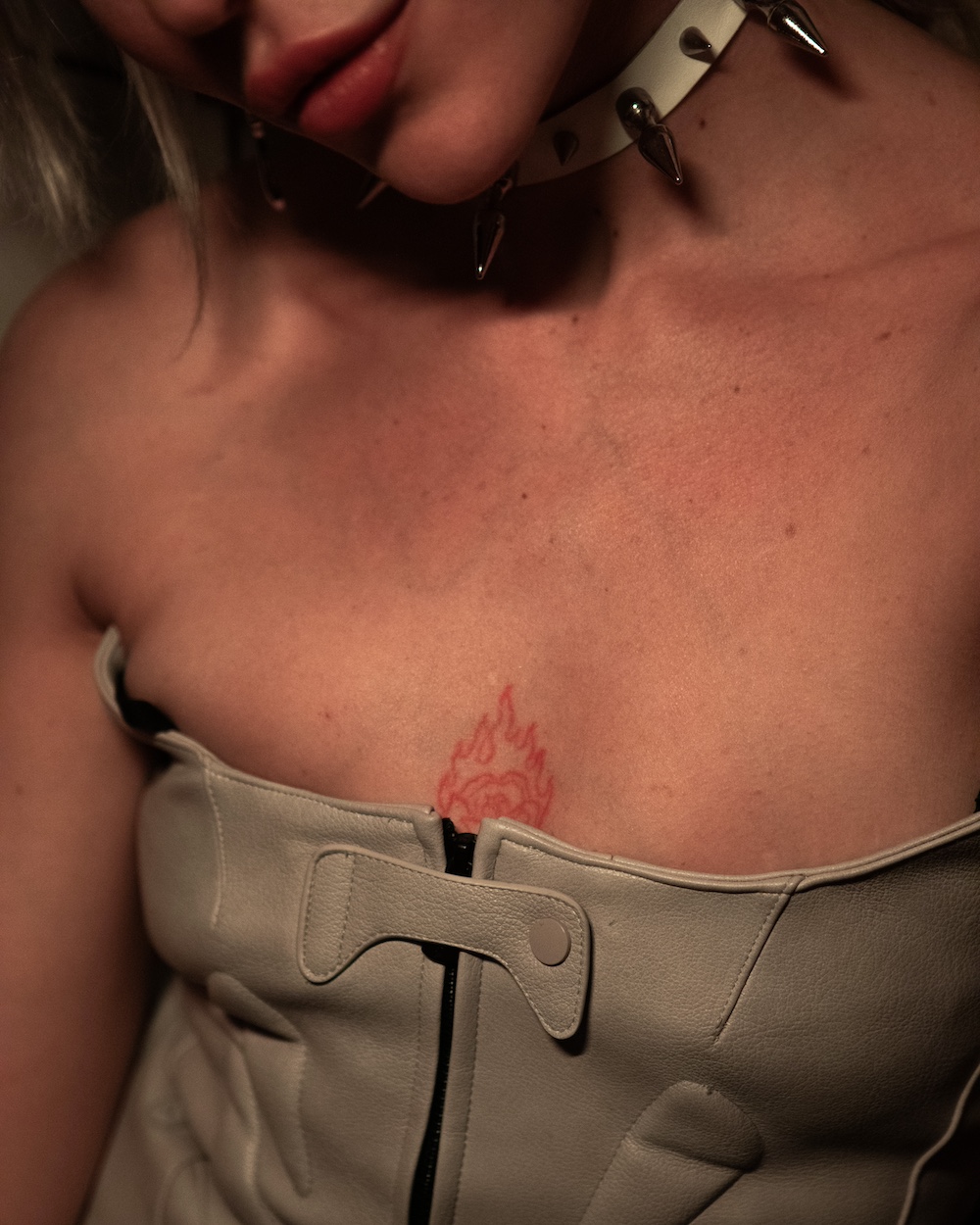
UB: Documentation allows us to preserve what is happening above and below the surface. Without it, the histories we are creating can disappear. Future generations need evidence that these lives existed and that these spaces were created. Photography can therefore function as collective memory. Dato’s work is not simply documenting parties, protest and everyday life. It is documenting a particular period of Georgian social history through a queer gaze. Without those images, we might know that something happened, but it would be much harder to understand what it felt like to live through it.
UB: We want the Berlin queer community to see how we live, what we create and what our world looks and feels like. It is also important to show what could potentially be lost. At a moment when queer rights and visibility are under increasing pressure, we want to make visible the rawness, vitality and complexity of underground life. That is why we use different artistic media. Each can communicate something the others cannot. Rather than giving the audience one fixed interpretation, we want them to make their own connections. The party becomes a form of storytelling, fragmented, emotional, symbolic and collective.
“The party becomes a form of storytelling, fragmented, emotional, symbolic and collective.”
IN CONVERSATION WITH ARNAUD FRISCH
As Silencio celebrates 15 years in Paris, founder Arnaud Frisch brings the club’s blend…
ON TOUR WITH ENNIO
Singer and songwriter Ennio gives us a thoughtful and personal insight into a day on his…
TO WATCH “CORPUS DELICTI” BY LENA STAHL
What happens when a society built on health, safety and order leaves no room for doubt? In…

WEEKEND MUSIC TIP PT 111 KUKO
Catharsis describes the process of suddenly releasing inner conflicts, emotions, and…

TO WATCH “THE BEAUTY OF BALLROOM” BY CHAN SZE-WEI
Ballroom was born in New York in the early 70s: It was here where members of the Black…

IN CONVERSATION WITH SOFIE ROYER
With her new album before/after, Sofie Royer looks at the conflict of you versus you: the…